
Curious to know what your transplanted hair will look like after 10 years? In this article, you’ll discover what to expect in terms of density, natural look, and how to maintain the results over time.
In a nutshell
- After ten years, transplanted hair shows long-lasting, natural-looking results , with density maintained over time, although non-transplanted hair may continue to thin.
- Postoperative care and genetic factors significantly influence the long-term success of hair transplantation, requiring patience and careful adherence to medical advice.
- Emerging technologies , such as cell therapies and follicle cloning , promise to revolutionize hair transplant outcomes, offering more long-lasting and personalized solutions.
Hair transplant after 10 years: what to expect

After ten years, the results of a hair transplant are generally very promising . Most patients experience a natural-looking hairline and significant growth , contributing to a more youthful appearance. It’s important to note that, over time, no symptoms of alopecia are observed in the transplanted areas, demonstrating the long-term sustainability of the procedure.
To get the most out of a hair transplant, it’s essential to have realistic expectations regarding the appearance and density of the transplanted hair . While the results can be very satisfying, it’s important to remember that transplanted hair will never be exactly like the original.
Hair Density
The density of transplanted hair tends to remain stable over time, offering a fuller and more indistinguishable appearance compared to natural hair .
However, it is important to note that while the transplanted hair maintains its density, the surrounding non-transplanted hair may continue to thin , potentially creating a visible difference.
Initially, transplanted hair may appear more vulnerable and take time to fully adapt to the scalp. Additionally, the texture of the transplanted hair may change over time , becoming curlier or different from the original hair, which can affect the overall appearance.
Natural look
One of the main goals of a hair transplant is to achieve a natural look . After a decade, transplanted hair generally appears natural and integrated with the existing hair , if the procedure was performed expertly. Transplanted hair comes from areas of the scalp that are resistant to baldness, which contributes to its longevity.
It’s important to be patient after a hair transplant, as hair gradually grows back and reaches its final appearance over time . This process requires the transplanted hair to enter the anagen phase and begin growing strong new hair after the telogen phase.
How long do hair transplant results last?
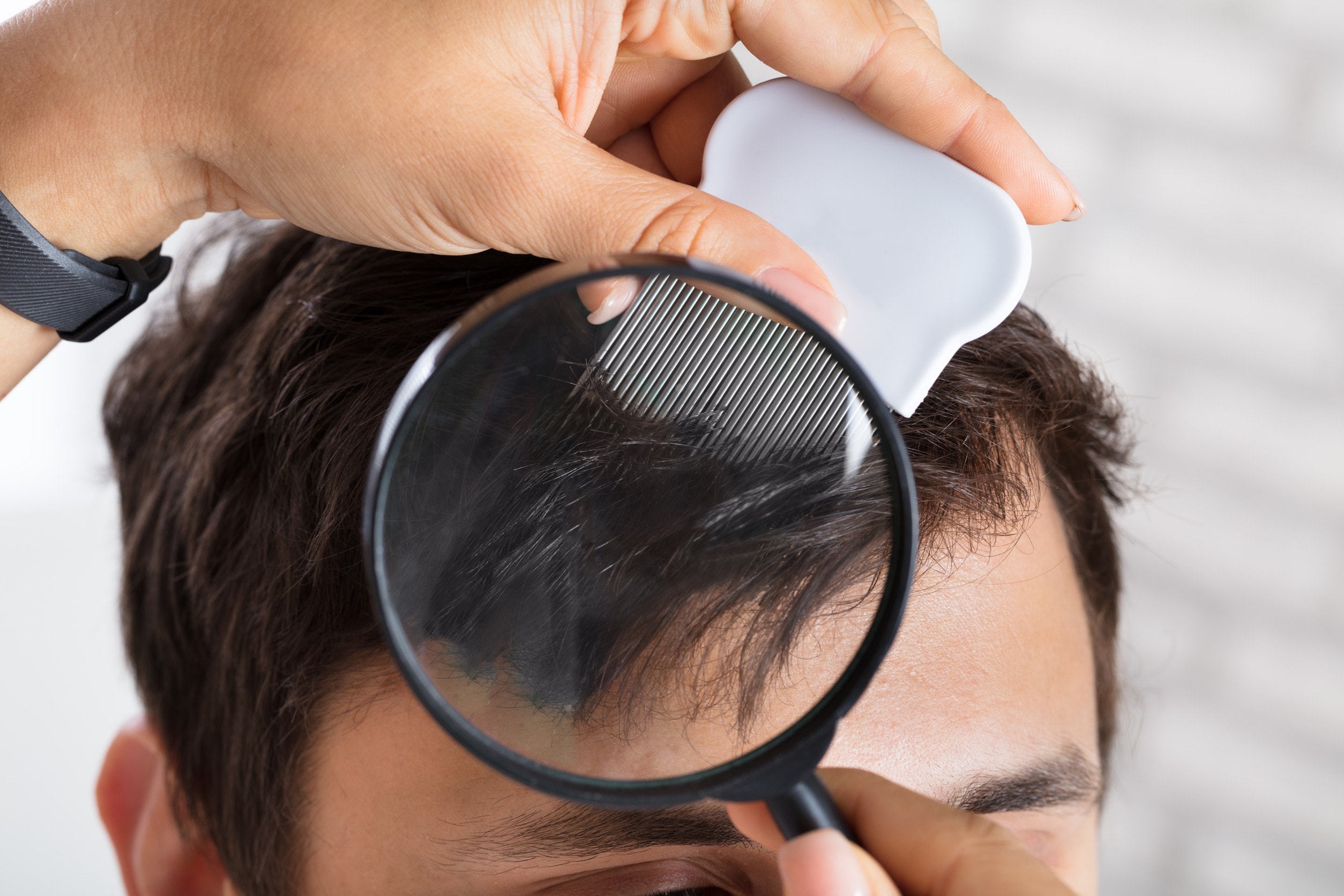
The durability of hair transplant results is one of the most important considerations for those who decide to undergo this procedure. Results after 10 years generally demonstrate the effectiveness and sustainability of the procedure, with many patients observing lasting benefits for over ten years . The longevity of results can vary, but the effects of the transplant often last a lifetime.
Several factors influence the long-term success of a hair transplant, including age, genetics, and post-operative care . Good pre-operative preparation and choosing an experienced surgeon are essential to maintaining results.
Genetic factors
Genetics plays a crucial role in hair loss predisposition and also influences the success of a hair transplant.
It is important to consider that hair loss in non-transplanted follicles may continue , which may require additional grafts over time to maintain a full appearance.
To support the growth of transplanted hair and improve long-term results, medications such as finasteride and minoxidil are recommended .
Post-operative care
Post-operative care is an important and critical step in ensuring the success and long-lasting results of a hair transplant. Avoiding overheating the hair and tight hairstyles can prevent damage to new follicles . Furthermore, following the surgeon’s instructions reduces the risk of complications and infections.
After the procedure, the use of specific ointments is often recommended to promote scalp healing and reduce inflammation . These ointments, rich in nutrients and soothing agents, help keep the transplanted area hydrated and prevent irritation.
Medications can play a significant role in post-operative care. Antibiotics are often prescribed to prevent infections, while analgesics may be used to manage post-operative pain . Additionally, medications such as finasteride and minoxidil may be recommended to support hair growth and prevent further hair loss.
The hair regrowth process requires patience, as it takes months to complete. Cellular therapies, such as the bSBS Protocol, can complement regenerative medicine techniques to enhance hair transplant outcomes, significantly improving regrowth through the manipulation and transplantation of follicular cells.
Transplanted hair and aging

Aging has an inevitable impact on hair, including transplanted hair . However, transplanted hair continues to grow and is not subject to baldness, even as you age. This ensures that the transplant results are long-lasting and satisfying.
Transplanted hair may undergo a graying process similar to that of natural hair as the patient ages . After ten years, transplanted hair shows signs of aging similar to natural hair, but maintains its growth characteristics.
Graying of transplanted hair
Graying of transplanted hair is a natural process caused by the accumulation of hydrogen peroxide , which bleaches the hair. As we age, melanin synthesis in the follicles slows, leading to gray hair.
Hair with reduced melanin appears gray, while hair without melanin appears white . Therefore, transplanted hair turns gray over time, just like natural hair.
Changes in hair structure
The texture of transplanted hair can change over time, influenced by age and other factors. Over the years, transplanted hair may become curlier or different from the original hair.
These changes in texture can affect the final appearance of the transplanted hair , sometimes making it less similar to natural hair. However, the continued growth and longevity of transplanted hair remains a significant advantage.
Need for a second intervention
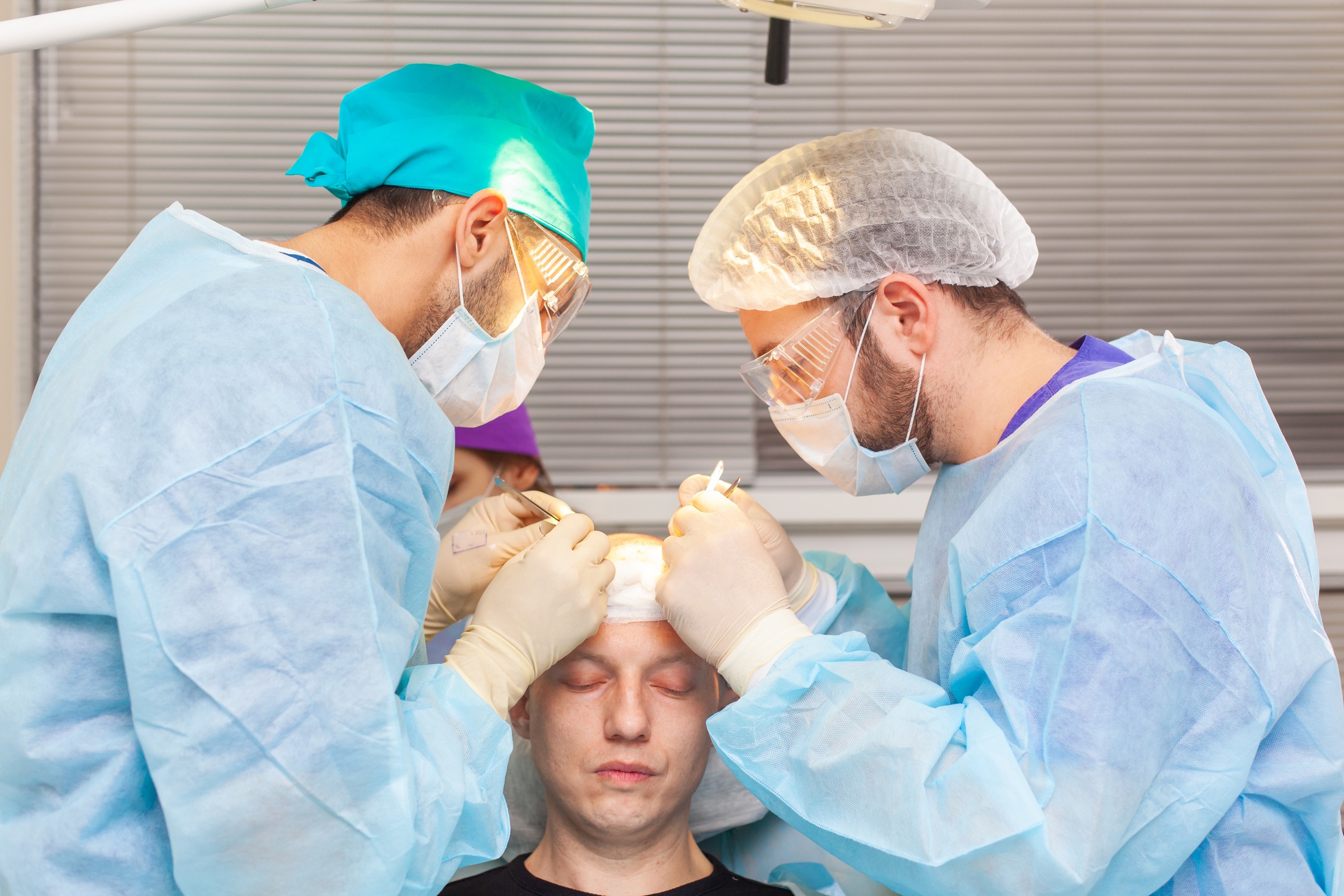
Despite generally positive results, a second hair transplant may be necessary in some cases. A second procedure may be required if the first transplant yielded unsatisfactory results or if the patient desires greater hair density .
Conditions such as aging and continued hair loss (e.g., with age) may justify the need for a second procedure. The availability of donor hair also plays a crucial role in the decision to undergo further transplants. Let’s look at these factors in more detail.
Hair loss progression
The progression of hair loss can influence the need for additional grafts to maintain the desired appearance . If some grafts do not take as expected, some areas may have lower density, requiring additional interventions.
A small amount of donor hair can lead to unexpected results or the need for additional transplants to achieve the desired effect . Therefore, carefully monitoring the progression of hair loss is essential.
Donor hair quality
The quality of donor hair is crucial for achieving satisfactory hair transplant results. Good donor hair quality ensures that the transplanted follicles will take root well in the new site and grow naturally and long-lastingly. If the donor hair is weak or damaged, the transplant outcome may not be optimal and may require additional procedures to achieve the desired density.
An example of how donor hair quality affects transplant outcomes can be seen in patients with thick, coarse hair, who tend to achieve denser, more natural-looking results than those with thin, brittle hair.
Furthermore, a patient’s genetic predisposition plays a fundamental role in determining suitability for hair transplantation. For example, individuals with a family history of androgenetic alopecia may be more likely to require additional grafts in the future.
This is an aspect to carefully consider before proceeding with a second procedure, as it not only affects the quality of the result, but also the availability of donor hair for any future transplants. In some cases, it may be necessary to explore advanced technologies , such as hair follicle cloning, to increase the availability of donor hair and improve the overall transplant results.
Future technologies in hair transplantation

The field of hair transplantation is undergoing significant technological advances that could significantly improve future outcomes. In recent years, significant improvements have been made to the technologies used in hair transplant procedures, increasing their efficacy and safety.
Modern technologies, in addition to reducing recovery times, can provide additional benefits to hair transplant patients. Let’s take a closer look at two promising technologies: cell therapies and hair follicle cloning.
Cellular therapies
Cellular therapies for hair transplantation involve the use of stem cells and growth factors to stimulate the regeneration of hair follicles and improve the quality of transplanted hair.
These therapies involve extracting stem cells from a part of the patient’s body, which are then treated and reintroduced into the areas of the scalp where the desired increase in hair density is desired.
L’obiettivo è favorire la crescita di nuovi capelli, migliorare la salute dei follicoli esistenti e prolungare la durata dei risultati del trapianto. Le terapie cellulari possono essere combinate con tecniche tradizionali di trapianto per ottimizzare i risultati e offrire una soluzione più duratura alla calvizie.
Clonazione dei follicoli piliferi
La clonazione dei follicoli piliferi è una tecnologia avanzata che mira a replicare i follicoli dei capelli per aumentarne la disponibilità nei trapianti. Questo processo prevede l’estrazione di cellule follicolari da un numero limitato di capelli esistenti, che vengono poi coltivate in laboratorio per generare nuovi follicoli.
Questi nuovi follicoli possono essere trapiantati nelle aree calve del cuoio capelluto, aumentando la densità dei capelli in modo significativo. La clonazione dei follicoli piliferi offre la possibilità di ottenere risultati più efficaci e personalizzati nei trapianti di capelli, rappresentando una soluzione promettente per chi soffre di calvizie.
Consigli per mantenere i risultati a lungo termine
Per mantenere i risultati di un trapianto di capelli nel lungo termine, è fondamentale seguire una routine di cura costante. La corretta esecuzione della procedura e l’adesione alle istruzioni mediche sono essenziali per il successo del trapianto di capelli nel lungo termine.
Stile di vita sano
Mantenere uno stile di vita sano è fondamentale per la longevità dei capelli trapiantati. Aspetti come una dieta equilibrata, attività fisica regolare e gestione dello stress possono contribuire a mantenere la salute dei capelli nel lungo periodo.
Un esempio di scelte di vita che possono supportare la crescita dei capelli comprende l’evitare il fumo e limitare il consumo di alcol. Questi fattori possono influenzare direttamente la qualità e la crescita dei capelli, garantendo risultati più duraturi e soddisfacenti.
Farmaci e trattamenti
Per supportare e ottimizzare la crescita dei capelli trapiantati, l’uso di farmaci e trattamenti mirati è essenziale. Tra i farmaci più comunemente prescritti troviamo la finasteride e il minoxidil.
- La finasteride agisce bloccando l’enzima responsabile della conversione del testosterone in diidrotestosterone (DHT), un ormone che contribuisce alla perdita di capelli. Questo trattamento è particolarmente efficace nel rallentare la caduta dei capelli e nel promuovere la ricrescita.
- Minoxidil , available as a lotion or foam, is another topical treatment that stimulates hair growth by increasing blood flow to the hair follicles. Regular application is recommended for optimal results.
In addition to medications, PRP (Platelet-Rich Plasma) is a complementary treatment that can improve hair health . This approach involves injecting plasma, rich in growth factors, directly into the scalp to regenerate hair follicles and promote stronger hair growth.
Conclusion
In short, a hair transplant can offer long-lasting, natural-looking results even after ten years. The density and appearance of transplanted hair tend to last over time, thanks to the quality of the donor hair and post-operative care. However, genetic factors and aging can influence the need for a second procedure.
Adopting a healthy lifestyle and following specific treatments can help maintain long-term results. With emerging technologies, such as cell therapies and hair follicle cloning, the future of hair transplantation promises significant improvements.
FAQ
How long do the results of a hair transplant last?
The results of a hair transplant can last up to ten years or more, with many patients experiencing lifelong benefits.
Can transplanted hair turn gray?
Transplanted hair can actually turn gray over time, similar to natural hair, due to decreased melanin production in the follicles.
Is a second procedure necessary after a hair transplant?
A second procedure after a hair transplant may be necessary if the initial results do not meet expectations or if greater density is desired.
How can I maintain the results of my hair transplant long-term?
To maintain hair transplant results long-term, it is essential to follow a proper care routine, adopt a healthy lifestyle, and consider the use of treatments such as PRP.
What are the new technologies in hair transplantation?
New technologies in hair transplantation include cell therapies and hair follicle cloning, which could significantly improve outcomes.
