If you’re looking for information on DHI hair transplants, this article will help you learn how they work, their benefits, and how much they cost.
In a nutshell
- DHI hair transplant is an advanced technique that uses the Choi pen to implant follicles in a single stage, ensuring natural and permanent results.
- Compared to other techniques, DHI offers rapid recovery and minimal trauma to the scalp, making it an ideal choice for patients with thinning hair.
- The cost of a DHI transplant varies between €3,000 and €8,000 , depending on factors such as the number of grafts and the surgeon’s experience, justifying the investment thanks to the superior aesthetic results.
DHI Hair Transplant: An Overview
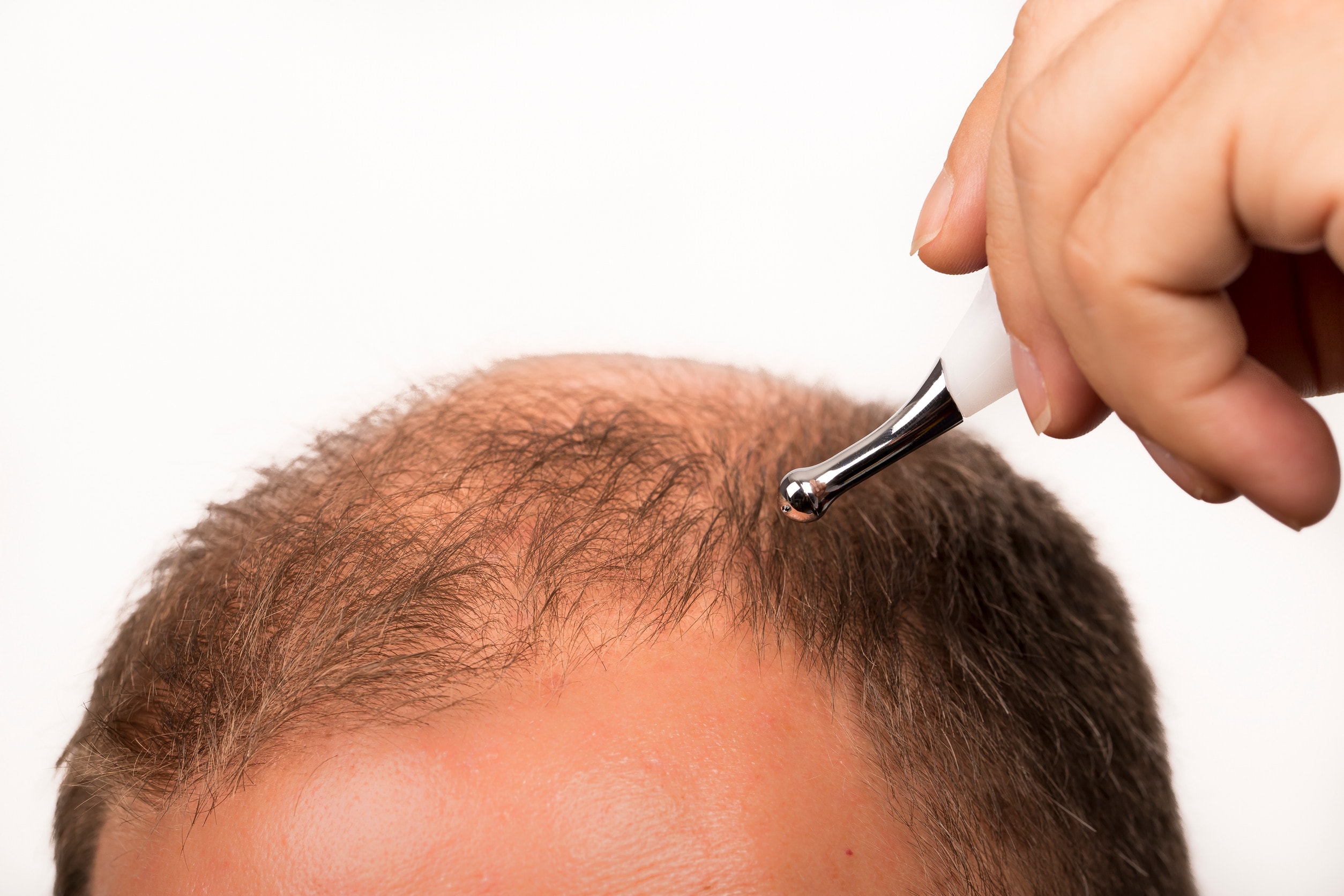
DHI hair transplantation , or Direct Hair Implantation, is an advanced , non-invasive technique that uses the Choi pen to directly implant hair follicles without the need to create channels . This innovative method stands out for its ability to restore hair with optimal aesthetic results, surpassing other techniques such as FUE (Follicular Unit Extraction) and FUT (Follicular Unit Transplantation).
One of the distinctive elements of DHI hair transplantation is the use of the Choi pen, a surgical instrument that allows follicular units to be implanted with precision , reducing the exposure time of the grafts to external agents and improving the survival of the follicles.
This technique guarantees a natural and permanent result , making it an ideal choice for those looking for an effective and long-lasting solution to hair loss.
Differences between DHI and other transplant techniques
DHI hair transplantation is significantly different from other techniques such as FUE and FUT . One of the main differences is that in DHI, the channels and follicular grafts are created in a single step using the Choi pen , while in FUE the process is divided into distinct phases.
This approach allows us to reduce the time the follicles are outside the body , thus improving the chances of survival of the grafts .
The choice between DHI and FUE should be guided by the severity of hair loss. Furthermore, it is essential to consider each patient’s individual factors .
For example, follicles are extracted from specific areas such as the nape of the neck or the parietal area to ensure the health and strength of the grafts . Furthermore, during the DHI procedure, special attention is paid to the health of the extracted follicles to ensure a successful procedure.
The Choi Pen: A Key Tool in the DHI Method
The Choi pen is a fundamental tool in DHI hair transplantation, designed to precisely implant follicular units without creating channels in the scalp . This surgical instrument allows for quick and precise incisions and grafts, reducing trauma to surrounding tissue and improving the aesthetic result.
One of the main advantages of the Choi pen is the reduction in the grafts’ exposure to external agents , which increases follicle survival. With the Choi pen, insertion occurs with clean, microscopic incisions, allowing for a meticulous graft and a natural appearance.
The size of the needle used varies between 0.5 and 1.5 mm, allowing for very delicate incisions.
DHI hair transplant procedure
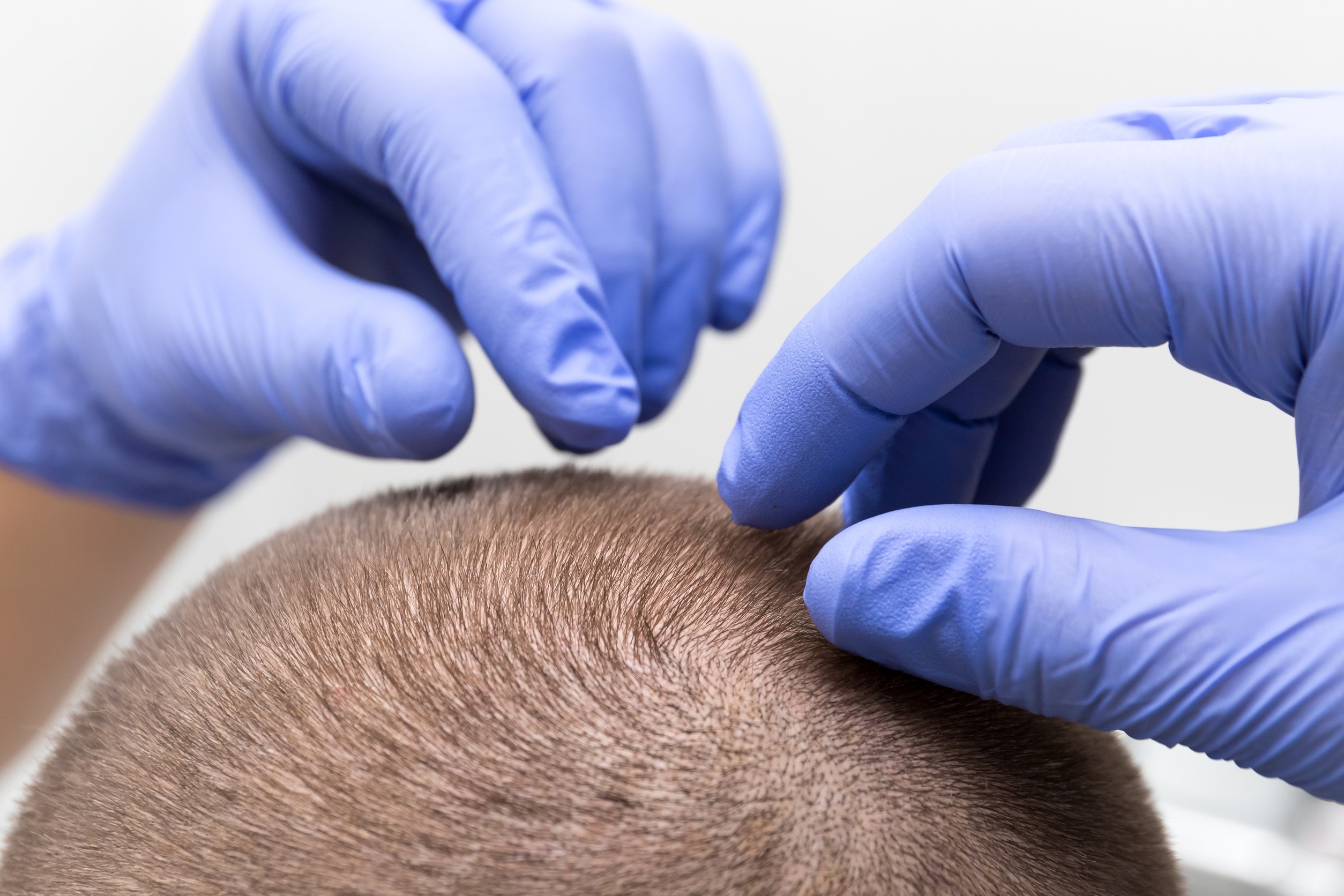
DHI hair transplant is a procedure that combines the extraction and implantation of follicular units in a single step, using the Choi pen. This innovative method requires no incisions , allowing for faster application and no visible scars .
The DHI technique is considered a two-phase technique , where the extraction and insertion phases of the follicular units are combined to optimize the results.
During the procedure, the follicle exposure time outside the body is reduced to 5-20 minutes , improving graft survival. The DHI technique can be used to treat various forms of alopecia, including androgenetic alopecia.
Phase 1 – Initial consultation and evaluation
The initial consultation allows us to understand the patient’s hair loss profile and identify the most appropriate treatment . During this phase, the surgeon assesses the extent of the baldness and the quality of the hair follicles to determine the best approach. This stage also provides the opportunity to answer any questions the patient may have regarding hair transplantation and provide a free diagnosis.
The goal of the surgeon’s assessment is to determine the quantity of hair follicles to transfer and prepare the area for transplantation . This step is essential for planning a customized procedure that ensures optimal results and meets the patient’s expectations.
Phase 2 – Preparation and anesthesia
Preparation for DHI hair transplant begins with shaving the donor area , which is necessary to facilitate the extraction of the follicles .
Once the area is prepared, local anesthesia is applied to the frontal and occipital areas of the scalp to ensure that the patient does not feel pain during the procedure.
Phase 3 – Extraction of the follicles
Follicle extraction in DHI hair transplantation is a minimally invasive process that reduces the risk of scarring and trauma to the scalp .
The follicles are extracted one by one from the dome of Hippocrates using a punch , a method that ensures precision and care. During extraction, the patient is positioned prone to facilitate the surgeon’s work.
The extracted follicular units may contain one or more hairs. They also have a thin flap of skin surrounding them. The follicles are individually selected and assessed based on their classification, ensuring that only the healthiest ones are implanted . This method reduces the need for stitches and results in a quicker recovery for the patient.
Phase 4 – Direct implantation with the Choi pen
Direct follicle implantation with the Choi pen is one of the distinctive features of DHI hair transplantation. This technique allows for the follicles to be implanted directly without the need for slits , unlike traditional methods. The Choi pen allows for precise control over the angle, direction, and depth of follicle insertion , ensuring a meticulous and natural-looking graft.
Thanks to the use of the Choi pen, follicle implantation occurs in a single step , reducing trauma to surrounding tissue and improving graft survival . The bulbs are carefully selected for implantation to ensure a dense, natural-looking transplanted hair.
Advantages of DHI hair transplant
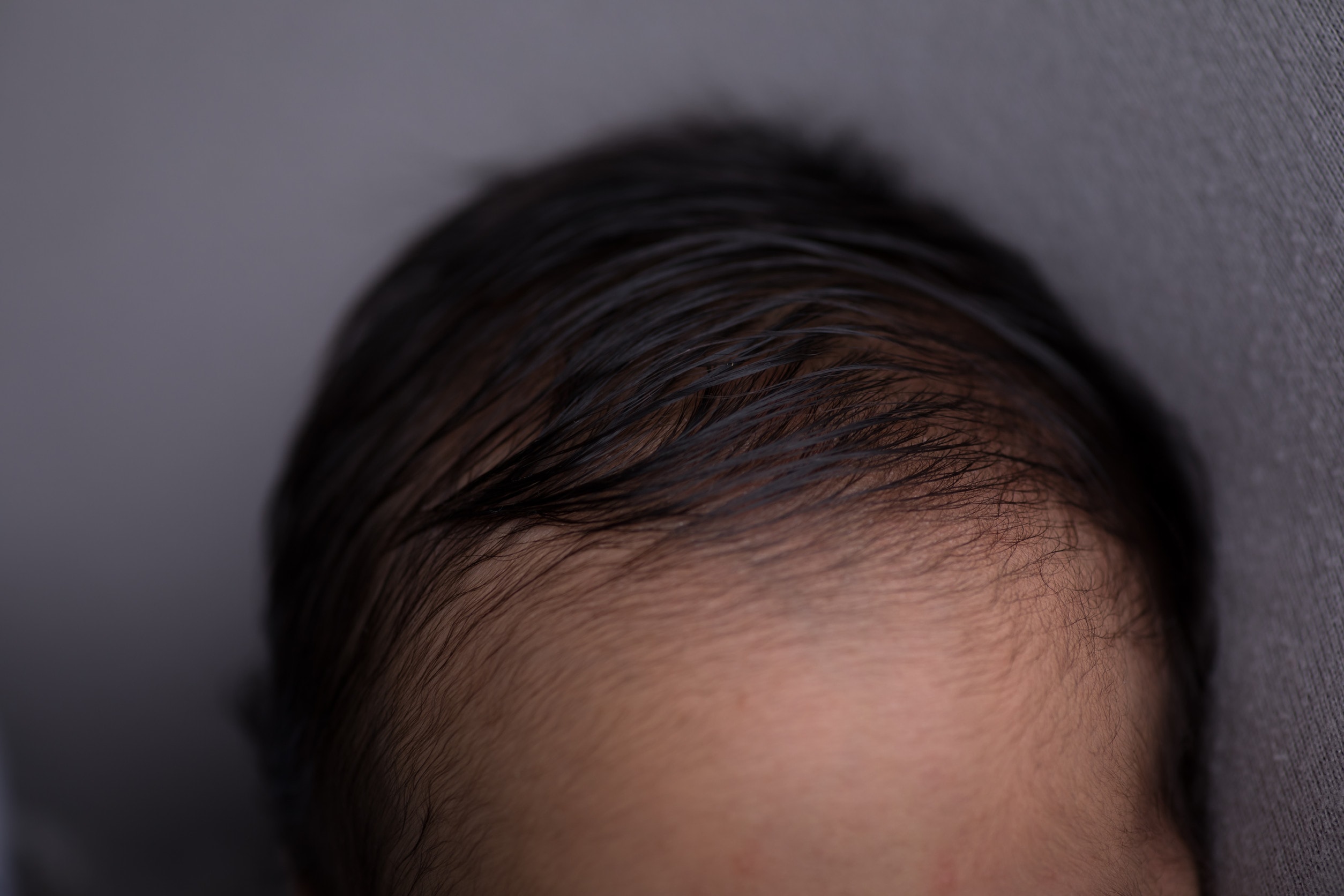
DHI hair transplant offers numerous advantages over other transplant techniques .
Thanks to the use of the Choi pen, the procedure is more precise and less invasive , guaranteeing natural and long-lasting aesthetic results.
This technique is effective for most types of baldness , except those with extremely curly hair loss .
The success rate of DHI hair transplant is considered excellent , making it a popular choice among patients looking to restore their hair.
Natural and dense results
One of the most significant advantages of DHI hair transplantation is the ability to achieve natural-looking results . Thanks to precise control over the direction and angle of the grafts, the DHI technique allows us to replicate natural hair growth , ensuring uniform distribution and a dense appearance.
The combination of precise controls and even distribution increases the optimal density of transplanted hair.
Quick recovery
DHI hair transplant offers quick recovery compared to other transplant techniques .
Shorter recovery times are a significant advantage for those with active lives who cannot afford long work or social breaks . The DHI methodology, with its precision and minimal invasiveness, allows for a rapid return to daily activities , improving the overall patient experience.
Minimal trauma to the scalp
Another advantage of DHI hair transplantation is minimal trauma to the scalp. The use of the Choi pen makes the procedure virtually painless and prevents excessive bleeding , reducing the amount of trauma during the implantation. This leads to less post-operative discomfort and a more comfortable recovery for the patient.
The Choi pen’s reduced trauma to the follicles during implantation minimizes the amount of manipulation required and contributes to better results and a healthier scalp . This makes DHI hair transplantation an excellent choice for those seeking an effective yet gentle procedure.
DHI Hair Transplant Costs
| Factor | Description |
|---|---|
| Number of grafts | The greater the number of follicular units to be transplanted, the higher the overall cost of the procedure will be. |
| Complexity of the intervention | More complex interventions may require advanced techniques and therefore be more expensive. |
| Surgeon’s experience | More experienced surgeons tend to ask for higher fees, justified by high-quality results. |
| Clinic location | Clinics in metropolitan areas or with a higher cost of living may have higher rates. |
| Technologies used | Using cutting-edge technologies, such as the Choi pen, can significantly impact the cost. |
The DHI hair transplant has a variable cost that depends on several factors .
In Turkey, the cost of the DHI technique varies between €3,000 and €8,000, depending on the specific package and the treatments included.
DHI transplantation is generally more expensive than other techniques like FUE, with an increase of approximately 20% . This additional cost is justified by the use of the Choi pen and the training required to use this advanced technology.
Fattori che influenzano il prezzo
Il costo del trapianto di capelli DHI è influenzato da diversi fattori chiave. Ecco quali influenzano maggiormente il prezzo finale
- Il numero di grafts necessari per il trapianto. Maggiore è il numero di unità follicolari da trapiantare, più elevato sarà il costo complessivo dell’intervento, poiché richiede più tempo e precisione da parte del chirurgo.
- La complessità dell’intervento. Interventi più complessi, come quelli che coinvolgono aree ampie o con capelli particolarmente sottili, possono richiedere tecniche avanzate e quindi risultare più costosi.
- L’esperienza del chirurgo. Chirurghi con maggiore esperienza e una comprovata storia di successi tendono a chiedere compensi più elevati, giustificati dai risultati di alta qualità che sono in grado di offrire.
- La localizzazione della clinica. Le cliniche situate in aree metropolitane o in regioni con un costo della vita più alto possono avere tariffe superiori rispetto a quelle in località meno costose.
- Le tecnologie utilizzate durante il trapianto. L’impiego di tecnologie all’avanguardia, come la penna Choi, e di attrezzature di ultima generazione può influenzare significativamente il costo, poiché garantiscono risultati più precisi e un recupero più rapido.
Vale la pena investire nel trapianto DHI?
Investire nel trapianto di capelli DHI può sembrare costoso, ma i risultati naturali e la densità ottimale ottenuti con questa tecnica giustificano l’investimento. Il costo del trapianto di capelli DHI può variare significativamente a seconda della clinica e della competenza del chirurgo, ma i benefici in termini di aspetto naturale e velocità di recupero sono notevoli.
I pazienti che scelgono il trapianto DHI sperimentano tempi di recupero più brevi e minori disagi post-operatori, oltre a un trauma ridotto al cuoio capelluto.
Candidati ideali per il trapianto capelli DHI
I candidati ideali per il trapianto di capelli DHI sono quelli con una crescita sana di capelli nella zona donatrice. Le persone con diradamento dei capelli possono sottoporsi a trapianto DHI se la caduta è cessata, garantendo che i follicoli trapiantati abbiano le migliori possibilità di attecchire e crescere.
Tipi di calvizie adatti al DHI
Quasi tutti i tipi di capelli possono beneficiare del trapianto di capelli DHI, ad eccezione di quelli estremamente ricci. Questa tecnica è particolarmente indicata per aree affette da diradamento, dove può ripristinare una chioma folta e naturale.
È necessario un consulto medico per determinare se il DHI è l’opzione migliore per un paziente specifico. Durante questo consulto, il chirurgo valuterà il tipo di calvizie e la qualità dei follicoli nella zona donatrice per garantire i migliori risultati possibili.
Età e condizioni del cuoio capelluto
Anche l’età del paziente e la salute del cuoio capelluto rappresentano fattori determinanti per il successo del trapianto di capelli DHI. Pazienti più giovani con un cuoio capelluto sano e una buona densità di follicoli nella zona donatrice hanno maggiori probabilità di ottenere risultati ottimali.
Un consulto medico dettagliato aiuterà a valutare l’idoneità del paziente per il trapianto DHI, considerando l’età e le condizioni del cuoio capelluto per pianificare un intervento su misura.
Trattamenti post-operatori
La cura post-operatoria è fondamentale per garantire una guarigione ottimale e risultati duraturi dopo un trapianto di capelli DHI. Il recupero è più veloce rispetto ad altre tecniche di trapianto, permettendo ai pazienti di vedere i primi risultati dopo 6-12 mesi e il risultato finale dopo 12-18 mesi.
Cura del cuoio capelluto
È fondamentale proteggere i nuovi capelli durante il periodo di recupero dopo il trapianto DHI. Il processo di guarigione dura circa 2-3 mesi, durante i quali è importante seguire le indicazioni del medico per la cura del cuoio capelluto. Un giorno dopo l’intervento, viene effettuato il primo lavaggio e il medico valuta la guarigione.
Le crosticine che si formano dopo il trapianto sono normali e non devono essere rimosse. È raccomandato lavare i capelli esclusivamente con uno shampoo specifico fornito dalla clinica per i primi dodici giorni. Questo aiuta a proteggere i nuovi follicoli e garantire una guarigione ottimale.
Monitoraggio e follow-up
Il monitoraggio e il follow-up sono essenziali per garantire il successo del trapianto di capelli DHI. I primi risultati sono visibili dopo circa 6 mesi, ma il risultato finale sarà visibile solo dopo 18 mesi. Durante questo periodo, è importante effettuare controlli periodici per monitorare la crescita dei nuovi capelli e intervenire se ci sono problemi.
I controlli regolari con il chirurgo permettono di valutare l’andamento del trapianto e apportare eventuali correzioni necessarie per garantire il miglior risultato possibile.
Conclusione
Il trapianto di capelli DHI rappresenta una soluzione avanzata e efficace per chi soffre di caduta dei capelli. Grazie all’uso della penna Choi, questa tecnica offre risultati naturali, un recupero rapido e un minimo trauma al cuoio capelluto. I costi possono variare, ma i benefici in termini di aspetto e velocità di recupero giustificano l’investimento.
FAQ
Quali sono i principali vantaggi del trapianto di capelli DHI?
I principali vantaggi del trapianto di capelli DHI sono risultati naturali e densi, un recupero rapido e un minimo trauma al cuoio capelluto.
How much does a DHI hair transplant cost?
The cost of a DHI hair transplant generally varies between €3,000 and €8,000, depending on the package chosen and the treatments included.
Who is an ideal candidate for DHI hair transplant?
An ideal candidate for a DHI hair transplant is a person with healthy hair growth in the donor area and who has experienced a cessation of hair loss.
How does the Choi pen work in DHI hair transplantation?
The Choi pen works by directly implanting hair follicles without the need to create channels, which reduces tissue trauma and optimizes the aesthetic result of the transplant.
How long does it take to see results after a DHI hair transplant?
The initial results after a DHI hair transplant are visible between 6 and 12 months, while the final result appears after 12-18 months.
