
A botched hair transplant can lead to scarring, unnatural results, and psychological distress. How can you recognize the signs of failure and what are the solutions? In this article, we examine the most common causes and possible solutions.
In a nutshell
- Hair transplants can fail due to incorrect techniques, unexplained surgeon behavior, and poor postoperative care, with significant psychological impacts.
- Signs of a botched transplant include visible scarring , uneven hair growth , and an unnatural appearance .
- To prevent failures, it is strongly recommended to choose reliable clinics , ensure adequate preparation and scrupulously follow post-operative care.
Hair Transplant Failure: An Overview

Hair transplantation carries a risk of failure, which can vary depending on the clinic and the techniques used .
Not all hair transplants have a 100% success rate , and unsatisfactory results can lead to significant psychological impact, including embarrassment and low self-esteem.
Common signs of a hair transplant gone wrong include:
- Visible scars
- Obvious and unnatural aesthetic results
- Irregular hair growth
Patients who undergo a failed hair transplant may face difficulties in their daily lives. The psychological impact can be challenging, leading to feelings of insecurity and dissatisfaction with their image. Some famous patients have documented their negative experiences with failed hair transplants, highlighting the importance of carefully choosing a clinic and surgeon .
Another aspect to consider is the presence of visible scars , which not only compromise the aesthetics of the transplant but can also be difficult to hide. These signs are not only aesthetic, but can profoundly affect the patient’s self-perception and quality of life .
Common causes of a failed hair transplant
The causes of a failed hair transplant can be multiple and often interconnected.
Among the most common we find:
- Using incorrect techniques
- Inexperience of the surgeon
- Poor post-operative care
Below we analyze each of these causes, to better understand how each of them can contribute to an unsatisfactory result.
Incorrect techniques in hair transplantation
Using outdated or inappropriate techniques can significantly compromise the success of a hair transplant. Modern technologies like Micro DHI Sapphire are essential for achieving natural results and minimizing the risk of visible scarring. Conversely, using outdated techniques can lead to imprecise incisions and visible scarring, ruining the entire procedure.
Modern techniques , in fact, focus on more precise and less invasive incisions, reducing the risk of scarring and improving the final appearance of the transplant. Visible scars and poorly positioned grafts are often the result of an inadequate technical approach, highlighting the importance of choosing a clinic that uses the most advanced technologies.
Inexperience of the surgeon
An inexperienced clinic can lead to poor graft selection , inadequate handling, and, consequently, unsatisfactory results. An inexperienced surgeon can cause artificial hairlines and visible scars on the scalp, compromising the aesthetics of the procedure.
The surgeon’s experience is crucial, as not everyone is proficient in every hair transplant technique . Extreme specializations can lead surgeons experienced in one technique to become less proficient in other, more modern techniques. This can be particularly problematic in specific cases, such as African-American hair transplants, which require special expertise.
To avoid disappointment, it’s important to check the surgeon’s credentials , review their portfolio, and read reviews from other patients. This can provide a clearer picture of the surgeon’s expertise and the potential success of the procedure.
Poor post-operative care
Poor postoperative care can significantly reduce the chances of success , compromising the growth of the transplanted hair and increasing the risk of infection. Postoperative follow-up is equally important to monitor the scalp’s condition and positively influence the transplant outcome.
Lack of graft protection and trauma are factors that can cause hair loss after transplantation.
Avoiding strenuous physical activity and following an appropriate treatment protocol are essential steps to ensure proper healing of the grafts.
Signs of a failed hair transplant
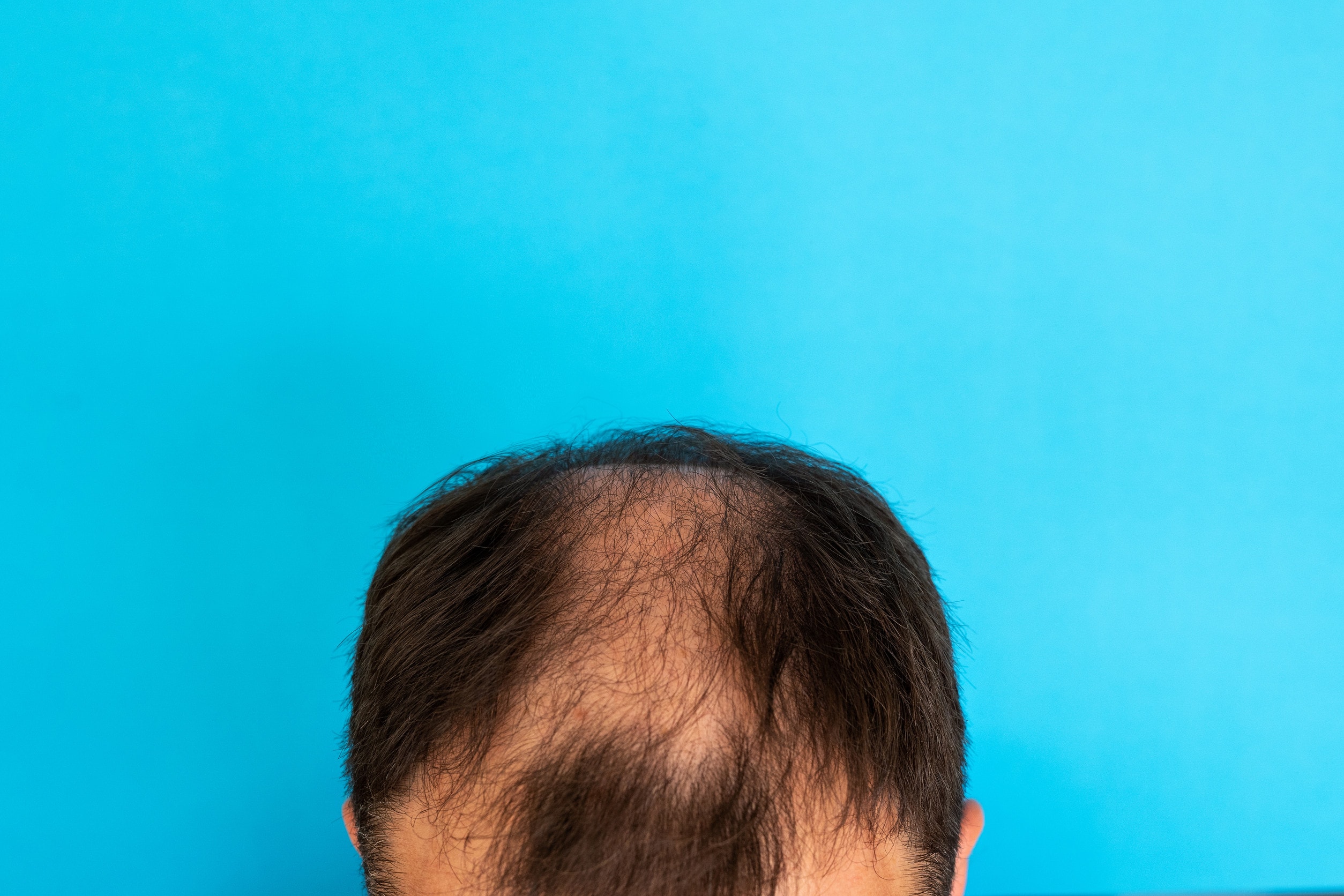
Visible scars in the donor area can compromise the aesthetics of the procedure and are a clear sign of failure. Another indicator is irregular hair growth , which may suggest a problem with the procedure.
Persistent swelling beyond the normal range and abnormal redness are symptoms that should not be ignored, as they may indicate postoperative complications. Severe and prolonged pain after surgery is also a warning sign that requires immediate evaluation.
An artificial appearance, known as the ‘doll look’, is often the result of a failed transplant , with unnaturally positioned hair and poorly distributed grafts.
These signs not only compromise aesthetics, but can also have a psychological impact on the patient.
Solutions to fix a failed hair transplant
Fortunately, there are several solutions to correct a failed hair transplant . Corrective surgery, drug therapies, and scalp micropigmentation are some of the options available.
Surgical revision of hair transplant
Surgical revision is often necessary in extreme cases, such as scalp necrosis or infection . Surgery can remove dead tissue and prevent further complications. Complications such as necrosis may require immediate intervention to avoid permanent damage.
Revision can also be used to correct uneven results, misplaced hair, and an unnatural appearance . The camouflage procedure involves replacing poor-quality hair grafts with individual follicles, resulting in a more natural appearance.
The extraction method consists of removing unnatural grafts and replanting them at the correct angle , improving the overall aesthetics of the transplant.
Drug therapies
Pharmacological therapies can be very effective in improving the results of a failed hair transplant. Drugs such as finasteride and minoxidil are commonly used to stimulate hair growth and improve appearance after a failed transplant . These medications are known to contribute to more satisfactory results and optimize the benefits of corrective surgery.
After a failed hair transplant, PRP (Platelet Rich Plasma) treatments and the continued use of Finasteride may be recommended to ensure the best possible growth of the transplanted hair. However, stopping these medications can lead to a regression of the results achieved, so it’s important to carefully follow your doctor’s instructions.
Scalp micropigmentation
Scalp micropigmentation is a non -invasive technique that involves injecting a specific pigment into the dermal tissue . This procedure creates the illusion of thicker hair and can significantly improve the appearance of those who have undergone a failed hair transplant.
This technique is particularly advantageous because it doesn’t require invasive surgery and can be used to camouflage scars and areas with reduced hair density. Micropigmentation offers an immediate aesthetic solution and can be customized to meet the patient’s specific needs.
How to Prevent a Bad Hair Transplant
Preventing a failed hair transplant is possible with the right precautions . Learning about the clinic, their standards and doctors, and the most appropriate methodology is essential to avoiding a failed hair transplant.
Choosing the right clinic
A poor choice can lead to outdated techniques and poorly trained staff. It’s essential to thoroughly research and conduct necessary research on the clinic you intend to contact . Speaking with previous patients can provide valuable insights into their satisfaction with the transplant process and results.
Reliable clinics are characterized by their willingness to provide long-term patient care and offer high-quality services . Good communication with the clinic and surgeon is essential to avoid misunderstandings and ensure that patient expectations are realistic and achievable, thus reducing risks.
Pre-operative preparation
Poor communication between patient and surgeon can create false expectations , leading to dissatisfaction . It’s important to discuss your case with your surgeon before a hair transplant to assess your suitability for the transplant and decide on any necessary post-operative treatments.
The surgeon must consider details such as age and family history of hair loss to determine the patient’s suitability . Preparing for a hair transplant requires careful planning, including donor site assessment, hairline design, and hair density planning.
This meticulous approach can prevent many of the problems that lead to a failed hair transplant, demonstrating the ability to achieve optimal results.
Post-operative care
Carefully following post-operative instructions is crucial to preventing transplant failure. A quality clinic should explain all post-operative care instructions, including scalp cleaning and dressing procedures .
It is important to follow some instructions after a hair transplant:
- Avoid strenuous physical activity.
- Avoid sun exposure.
- Follow a cleaning and dressing protocol.
- Avoid strenuous activity and alcohol consumption.
- Don’t take hot or cold showers.
- Adjust your sleeping position to avoid pressure and pulling on your hair.
By following these guidelines, you can ensure proper healing of the grafts and reduce the possibility of transplanted hair loss.
Finally, a patient must carefully follow post-operative instructions to ensure the success of the transplant . Discontinuing medications such as finasteride and minoxidil can lead to a regression of the results, so it is important to maintain open communication with your doctor and follow the prescribed treatment plan.
Conclusion
A failed hair transplant can have significant consequences for both the patient’s physical appearance and psychological well-being. However, by understanding the common causes of failure and the signs of a failed transplant, you can make more informed decisions and take appropriate preventative measures. From selecting the right clinic to pre-operative preparation and post-operative care, every step of the process is essential to a successful transplant.
Solutions for a failed hair transplant, such as surgical revision, medical therapies, and scalp micropigmentation, offer hope to those who have had negative experiences. Taking the time to educate yourself and plan carefully can make the difference between an unsatisfactory outcome and regaining your self-confidence.
FAQ
What are the main causes of a failed hair transplant?
The main causes of a failed hair transplant include incorrect techniques, the surgeon’s inexperience, and poor post-operative care.
How can I recognize a failed hair transplant?
A failed hair transplant can be recognized by obvious signs such as visible scarring, uneven hair growth, persistent swelling, abnormal redness, and severe pain.
What are the solutions available to correct a failed hair transplant?
Solutions to correct a failed hair transplant include surgical revision, drug therapies such as Finasteride and Minoxidil, and scalp micropigmentation.
How can I prevent a hair transplant failure?
To prevent a hair transplant failure, it is important to choose a trusted clinic and carefully follow the pre- and post-operative instructions.
What role do drug therapies play in the treatment of a failed hair transplant?
Drug therapies, such as Finasteride and Minoxidil, play a key role in improving hair growth and enhancing the results of a failed hair transplant.
