
If you’re considering a beard transplant, you’ll probably want to know the differences between a beard transplant before and after. In this article, we’ll show patient photos, share testimonials, and explain what to expect from the procedure to help you make an informed decision.
In a nutshell
- Beard transplantation offers natural and significant results , improving the patient’s aesthetic appearance and self-esteem.
- Advanced techniques such as FUE and DHI guarantee a minimally invasive procedure with rapid recovery times and long-lasting results .
- Turkey stands out as a leading destination for beard transplants thanks to its competitive costs and the expertise of its surgeons, ensuring high-quality results.
Beard Transplant Before and After: What to Expect
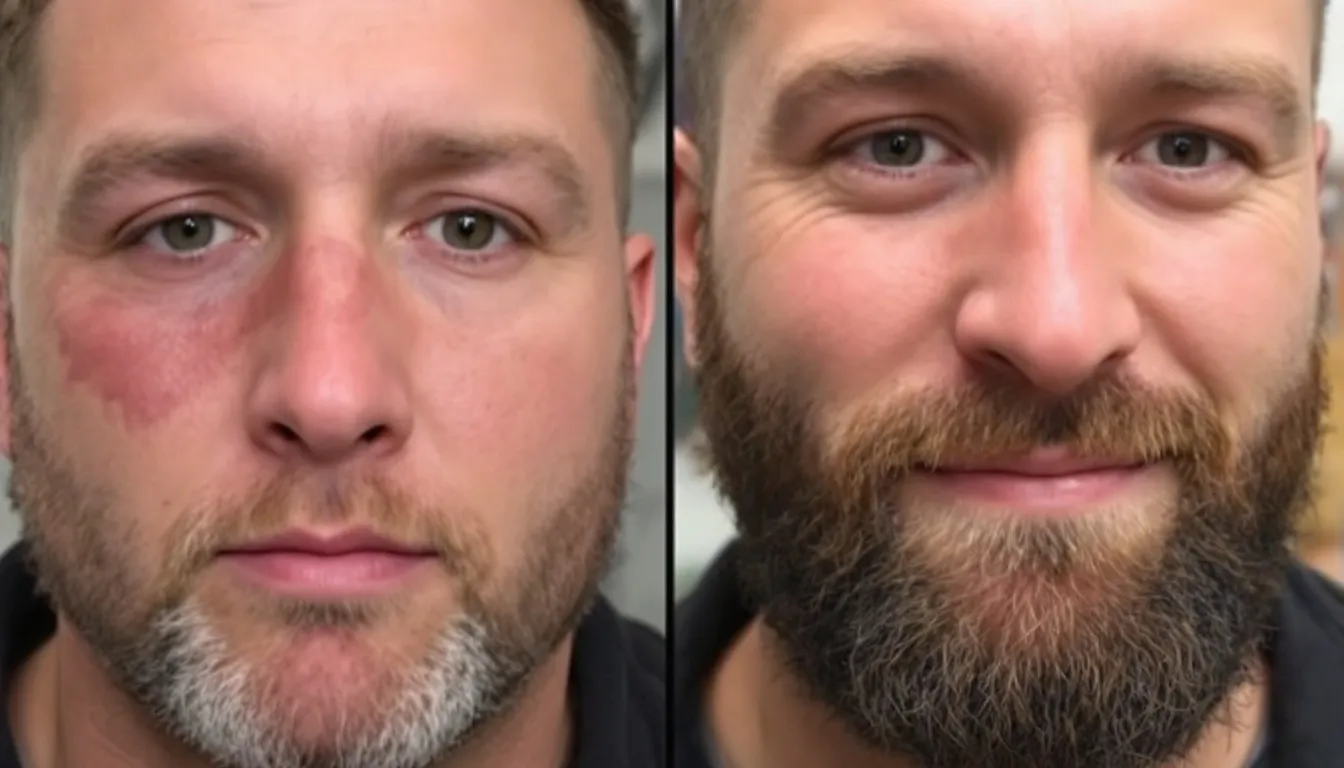
A beard transplant is a procedure that promises visible and significant transformation. Expected results include a beautiful, healthy beard with natural fullness that can boost self-confidence.
Post-transplant beard growth is gradual, but leads to a full, natural-looking beard over time.
Pre- and post-transplant photos
An effective way to understand the impact of a beard transplant is through pre- and post-transplant photos . These images clearly demonstrate the transformation patients experience, highlighting the aesthetic results achieved. Seeing images of other patients can help set realistic expectations and better understand the procedure.
An image gallery offered by beard transplant centers can be a valuable tool for those considering this procedure. The photos show patients’ before-and-after profiles , highlighting the growth and thickness of their beard hair. This visual documentation is essential for those who want to evaluate the potential results and make an informed decision.
Patient testimonials
Patient testimonials are a valuable source of information for those considering a beard transplant . Many men report a significant improvement in their self-confidence and personal image after the procedure.
Patient reviews also provide helpful details about the service and care they received during the transplant . These personal experiences can be very reassuring for those still undecided, offering a real perspective on the benefits and outcomes of beard transplantation.
Recovery times
Recovery after a beard transplant is a gradual process. The first signs of beard growth may begin to appear a few weeks after the procedure, but full results take longer .
Generally, the final results are visible about a year after the transplant, when the beard has reached its natural fullness.
Healing is crucial to achieving optimal results. During the recovery period, it’s important to follow post-operative instructions and properly care for the transplanted area. This helps ensure the new follicles integrate properly and promotes healthy beard growth.
Advanced techniques for beard transplantation
| Technique | Description | Advantages | Scars | Recovery Time |
|---|---|---|---|---|
| FUE (Follicular Unit Extraction) | Extraction of single follicular units from the donor area. | Minimizes scarring, quick recovery. | Minimum | Brief |
| DHI (Direct Hair Implantation) | Direct implantation of follicles into micro-channels. | Precision in angle and density, natural results. | Minimum | Brief |
| FUE Sapphire | Variation of FUE with sapphire instruments for more precise incisions. | Improves healing, reduces the risk of scarring. | Minimum | Brief |
These advanced techniques guarantee natural and long-lasting results, improving aesthetic appearance and self-confidence.
Advanced beard and hair transplant techniques are essential for achieving natural, long-lasting results , while also considering scalp health. The main techniques include the FUE (Follicular Unit Extraction) technique and the DHI (Direct Hair Implantation) technique, both minimally invasive and highly effective.
These techniques allow follicles to be harvested from alternative areas, such as the chest or legs, and implanted with microscopic precision . The angle and density of follicle implantation are critical for achieving a natural beard appearance and expressing masculinity at the site.
Pre- and post-operative images show remarkable aesthetic results achieved with these techniques, demonstrating, among other things, their effectiveness.
FUE Technique
The FUE (Follicular Unit Extraction) technique is one of the most commonly used for beard transplants . This technique leaves minimal scarring and allows for a rapid recovery , making it a popular choice among patients. During the consultation, a personalized treatment plan is created based on the patient’s specific needs, ensuring optimal results. Furthermore, the sapphire FUE technique offers additional benefits for patients.
The FUE hair follicle extraction process uses precision instruments that minimize scarring in the donor area . Follicular units are harvested one by one from the donor area and then carefully implanted to ensure natural, even growth.
DHI Technique
The DHI (Direct Hair Implantation) technique is another advanced beard transplant option. This technical idea allows follicles to be implanted directly into microchannels , improving precision and results. The surgeon uses a special instrument to position the follicles at the correct angle and density , ensuring a natural and uniform beard appearance.
Using the DHI technique minimizes the risk of scarring and speeds up the healing process, making it an excellent choice for those looking for quick, natural-looking results .
Beard transplant procedure
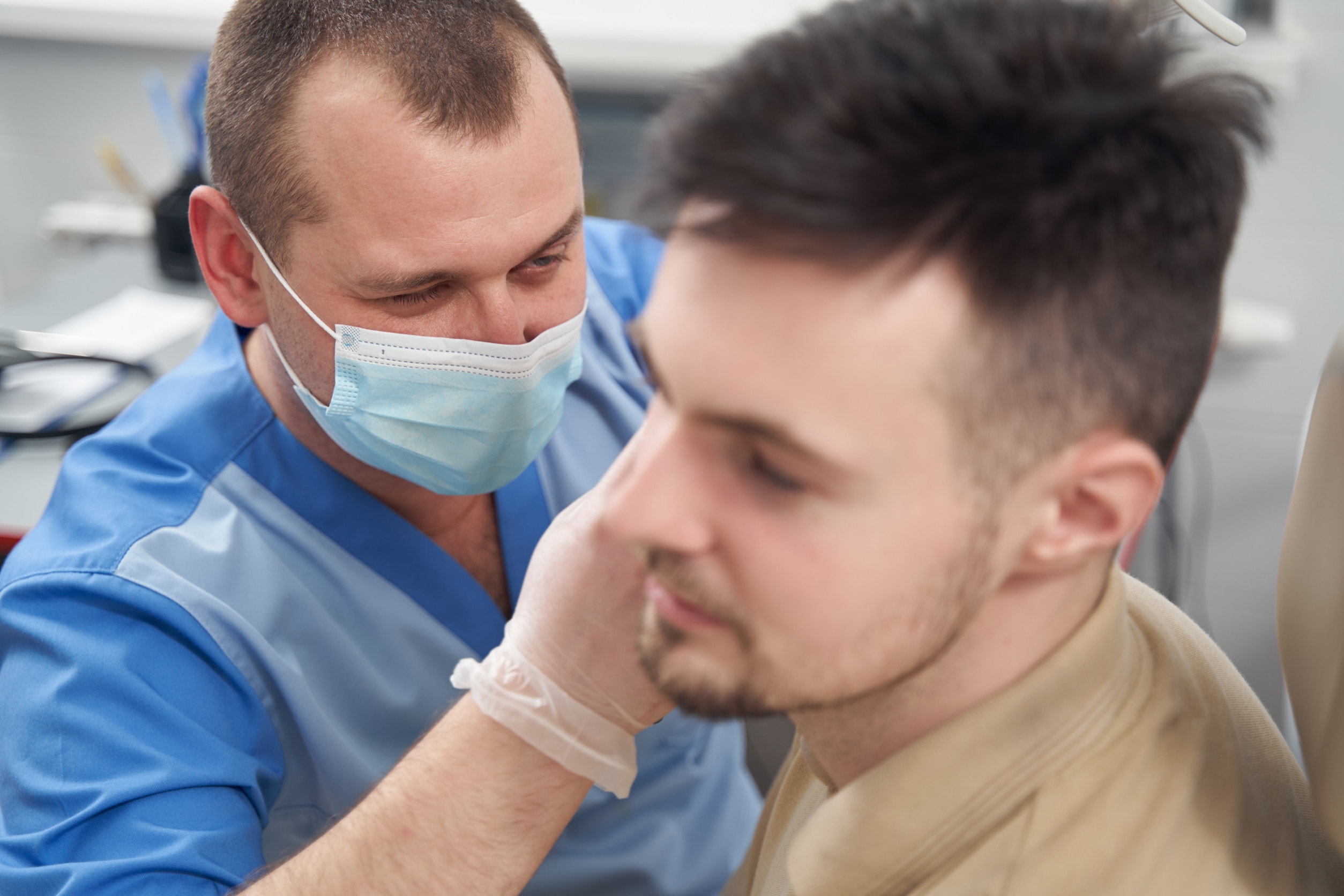
The beard transplant procedure consists of several phases , each crucial to the success of the procedure. From the initial consultation to the follicle implantation, each step is designed to ensure optimal results and natural beard growth.
Initial consultation
The initial consultation is a crucial step in the beard transplant process. During this meeting, the specialist analyzes the patient’s health and discusses their aesthetic expectations . The first step is a detailed consultation with a specialist, who also reviews the patient’s medical history.
The surgeon outlines the donor and recipient areas , ensuring the patient has sufficient hair in the donor area. Choosing an experienced surgeon minimizes the risks associated with beard transplantation, ensuring optimal and safe results.
Hair follicle extraction
Hair follicle extraction is the initial phase of the beard transplant procedure. During this phase, the surgeon extracts the follicles individually or using a strip of tissue . In the FUE technique, the follicles are extracted one by one from the donor area.
Commonly used donor areas for beard transplants include the back and sides of the head, the neck, and the jawline . Grafts can be harvested from the back of the head or the chin using precision instruments that minimize scarring in the donor area.
Follicle implantation
During a beard transplant, local anesthesia is used to ensure patient comfort. Each follicle is prepared for implantation after extraction . The implanted follicles are positioned at the correct angle and density to ensure a natural appearance.
The surgeon uses a special instrument called the “Choi Implanter Pen” to position the follicles in microchannels , ensuring even and natural hair growth. This process is essential for achieving a full, well-distributed beard, improving the overall appearance of the face.
Post-operative care and recovery

Post-operative care is essential for optimal recovery after a beard transplant. Properly following post-operative instructions can maximize the transplant’s success rate . Scars after a beard transplant are virtually invisible, ensuring a natural appearance.
New hair regrowth usually begins 3-4 months after the transplant , with the new hairs appearing fine and delicate at first.
Post-operative guidelines
After the beard transplant, patients will receive detailed aftercare instructions to promote healing and growth. It’s essential to follow these instructions carefully to achieve the best results. Here are some tips:
- Keep the transplanted area clean.
- Use the products provided by your surgeon for post-operative care.
- Avoid touching or scratching the transplanted area.
- Do not expose yourself to direct sunlight for any length of time.
- Follow any specific instructions provided by your surgeon.
It’s important to avoid shaving the transplanted area for a while, as this allows the new follicles to fully integrate . Furthermore, to prevent infections, it’s essential to follow the surgical team’s advice and avoid touching your beard for the first five days after surgery.
Possible side effects
As with any surgical procedure, beard transplants can cause some side effects, such as those associated with medications used to enhance hair growth, such as Minoxidil, which can cause a drop in blood pressure. Other side effects may include stomach upset and blood pressure changes due to beard growth supplements.
However, the scars left by FUE and DHI techniques are generally small and heal quickly, making these side effects manageable for most and temporary.
Monitoring and follow-up
Follow-up visits are recommended to monitor the growth and recovery of transplanted follicles . During these visits, the medical team checks the patient’s progress and adjusts the treatment plan if necessary . Continuous monitoring during recovery is essential to ensure the new follicles develop properly and to intervene promptly in the event of complications.
It’s also important to monitor the patient’s reaction to beard growth supplements , as each person can react differently. With proper follow-up, patients can be sure they’re getting the best possible results from their beard transplant.
Benefits of Beard Transplant in Türkiye
| Advantage | Description |
|---|---|
| Competitive Costs | Turkey offers more affordable prices than other countries, making transplantation cost-effective. |
| Expertise of Surgeons | Highly skilled surgeons with extensive experience guarantee natural and symmetrical results. |
| Advanced Techniques | Using modern techniques such as FUE and DHI, which minimize scarring and speed up recovery. |
| High Quality of Service | Despite the low costs, the clinics offer a high-quality service with excellent results. |
| Natural Results | The implanted follicles retain their original properties, producing a natural-looking and long-lasting beard. |
Turkey has become a leading destination for beard transplants, thanks to its competitive costs and skilled surgeons. Procedures in Turkey are notoriously more accessible than in other countries, making beard transplants an affordable option. The cost of a beard transplant in 2025 ranges between €3,000 and €7,000 , depending on various specific factors.
In addition to competitive costs, Turkish surgeons pay particular attention to the natural-looking results. The implanted follicles retain their original properties and produce strong, long-lasting hair.
Competence of surgeons
Turkey boasts numerous highly qualified surgeons who have performed thousands of successful operations. During beard transplants, surgeons reproduce natural growth patterns , ensuring harmonious and symmetrical results—a true testament to their expertise. The ability to correct facial asymmetries and irregularities , which can affect the face, during the procedure is another significant advantage offered by Turkish surgeons.
The training and experience of Turkish surgeons ensure that each patient receives high-quality treatment , minimizing risks and maximizing results . This level of expertise is one of the main reasons why many men choose Turkey for their beard transplants.
Competitive costs
Beard transplant costs in Turkey are generally lower than those in Europe and the United States , making it a popular choice for those seeking quality surgery at an affordable price. Beard transplant costs can vary greatly internationally, influenced by factors such as the clinic’s reputation and the surgeon’s experience.
Despite their lower costs, Turkish clinics don’t sacrifice quality . Patients can expect excellent results thanks to the use of advanced techniques and the expertise of their surgeons.
Conclusion
In short, beard transplantation offers an effective solution for those seeking a full, well-groomed beard. From the initial consultation to post-operative care, every step is designed to ensure natural, long-lasting results. Advanced techniques such as FUE and DHI, combined with the expertise of Turkish surgeons, ensure that patients achieve a beard that significantly improves their appearance and self-confidence.
FAQ
What are the expected results of a beard transplant?
The expected results of a beard transplant include a full, natural-looking beard, accompanied by a significant improvement in appearance and self-confidence.
How long does it take to see final results?
The final results are generally visible about a year after the procedure, while the first signs of growth may appear after just a few weeks.
What techniques are used for beard transplantation?
The techniques used for beard transplantation mainly include FUE (Follicular Unit Extraction) and DHI (Direct Hair Implantation), both of which are minimally invasive and guarantee effective results.
What are the possible side effects of beard transplantation?
Beard transplants can cause side effects such as poor healing, gastrointestinal upset, and blood pressure changes. However, scarring is usually minimal and heals quickly.
Why choose Turkey for a beard transplant?
Choosing Turkey for a beard transplant is advantageous thanks to its competitive costs and highly qualified surgeons, who ensure a high-quality professional service.
