
Want to see the before-and-after results of a hair transplant? This article features real photos, information on how hair changes after a transplant, and even success stories.
In a nutshell
- Hair transplantation produces significant visible results within six months , improving density and frontal line, with a positive impact on patient confidence.
- Modern techniques such as FUE , DHI and Micro DHI Sapphire allow for a less invasive and more natural transplant , with accelerated healing and long-lasting results.
- A personalized initial evaluation and adequate post-operative care are essential to ensure transplant success and patient satisfaction.
Amazing hair transplant results before and after
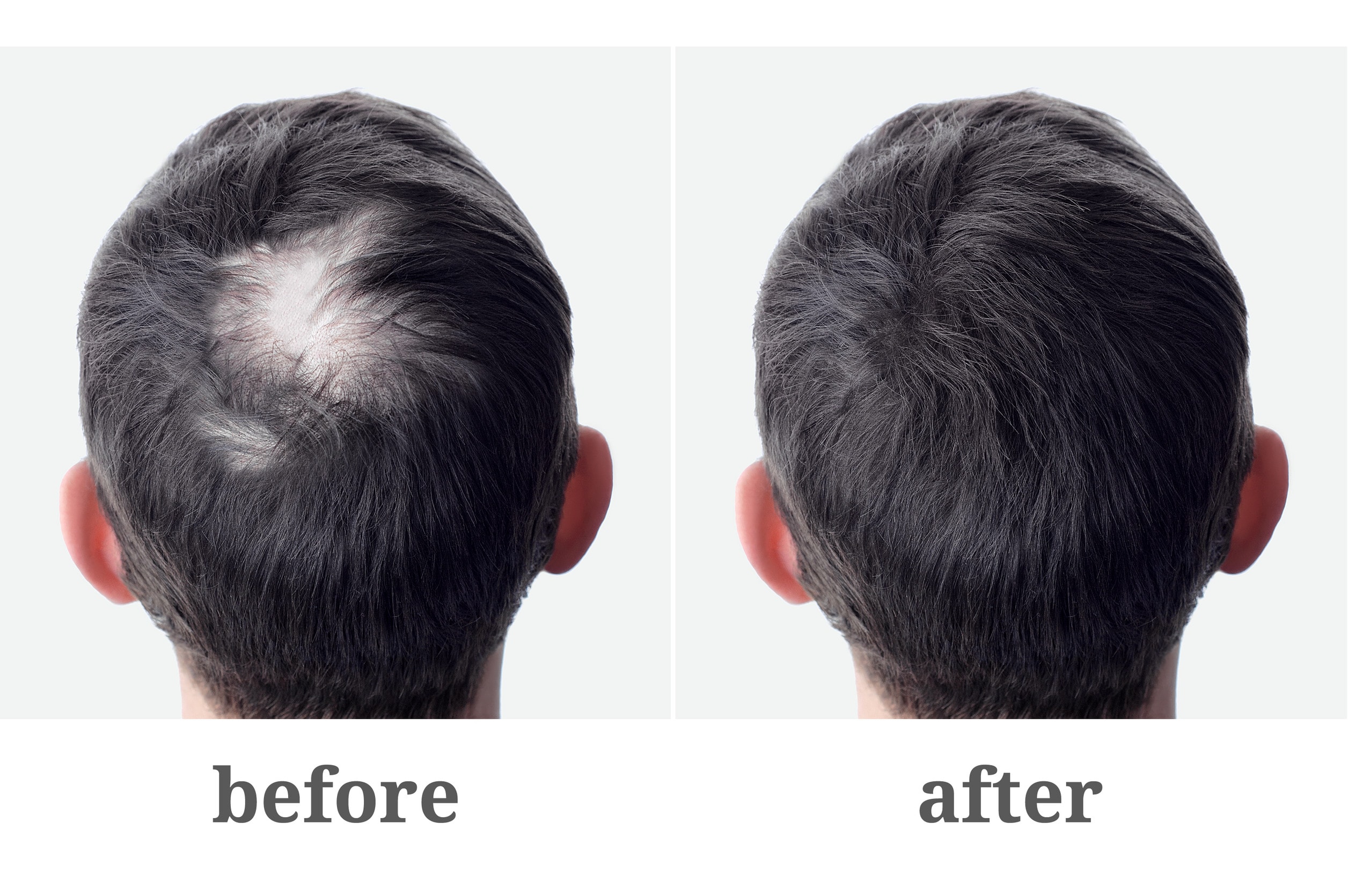
Hair transplantation has the power to radically transform a person’s appearance. Before-and-after images of patients show remarkable changes , with visible results after just six months.
The astonishing results aren’t just limited to physical appearance . Many patients report an increase in self-confidence and their social life after seeing the results of their transplant.
Before and after transplant images
Before-and-after hair transplant images are essential for illustrating the success of the procedure. Looking at these photos, you can see significant improvements in hair density and the frontal hairline , which are often the most problematic areas for those suffering from hair loss. The images help patients manage their expectations by showing tangible, real-world results that can be achieved with hair transplants.
Viewing before-and-after photos can serve as an incentive for patients on their journey to deciding whether to undergo a hair transplant. Many patients find comfort in seeing the results achieved by others and feel motivated to embark on this journey to regain full, natural-looking hair.
The images are a visual testament to the potential of this procedure and prove to be a valuable tool for both patients and clinic professionals.
Evolution of results over time
The results of hair transplantation are not immediate, but the evolution over time is surprising .
- Already after one month after the surgery, patients can notice the first signs of improvement.
- In the first three months , it is normal to observe some loss of transplanted hair, a temporary phenomenon that precedes real regrowth.
- Between three and six months , patients begin to see growth of the transplanted hair, with the density reaching 70% of the final result within nine months.
- The final result of a hair transplant, with full integration of the transplanted hair with the natural hair, is usually visible after a year . This gradual process demonstrates how patience and post-operative care are essential to achieving the best possible results.
Success Stories
Many patients share positive experiences with hair transplants, highlighting increased self-confidence and an improvement in their social life . These success stories demonstrate how hair transplants can be an effective solution for those suffering from hair loss , offering a new perspective on life.
Post-transplant results have led to increased personal satisfaction. Many of them have found hair transplants to be the answer to their baldness problems, with positive effects that go far beyond physical appearance.
Success stories demonstrate that, with a professional approach and proper treatment, hair transplantation can really make a difference.
Advanced techniques for a successful transplant
| Technique | Description | Advantages |
|---|---|---|
| FUE (Follicular Unit Extraction) | Extraction of single follicular units from the scalp, without large incisions. | It leaves no visible scars, quick recovery times, natural results. |
| DHI (Direct Hair Implantation) | Using an implanter pen to place follicles directly into the recipient area. | More precise incisions, less invasive, faster healing, highly natural results. |
| Micro DHI Sapphire | Use precision tools to optimize the depth and angle of the grafts. | Reduces tissue trauma, accelerates the healing process, maximum precision and naturalness. |
Modern hair transplant techniques are designed to ensure natural and long-lasting results. Reproducing the natural growth angle is crucial to ensuring a high-quality hair transplant, allowing for more natural results and greater patient satisfaction.
FUE Technique
The FUE (Follicular Unit Extraction) technique is an advanced hair transplant method that involves extracting individual follicular units from the scalp , without the need for large incisions . This method guarantees a more natural result, as the follicular units are taken directly from the donor area and implanted in balding or thinning areas.
One of the main advantages of the FUE technique is that it leaves no visible scars, allowing patients to wear their hair short without worry. Furthermore, FUE offers faster recovery times than traditional methods like FUT , allowing patients to return to their daily activities quickly.
This technique is particularly appreciated for its combination of effectiveness and post-operative comfort , helping to reduce thinning.
DHI Technique
The DHI (Direct Hair Implantation) technique involves the use of an implanter pen to place follicles directly into the recipient area . This method allows for the direct implantation of follicular units without the need for preliminary incisions , improving the efficiency of the transplant.
DHI offers more precise incisions thanks to the use of advanced instruments that improve the accuracy of the transplant. By reducing trauma to the scalp, this technique ensures a less invasive transplant and faster healing . The precision of DHI allows for highly natural and satisfying results for patients.
Micro DHI Sapphire
The Micro DHI Sapphire variant uses precision instruments to optimize the depth and angle of the grafts . These instruments improve the positioning of the transplanted follicles, promoting better integration with the scalp.
This technique represents a major innovation in hair transplantation because it reduces tissue trauma and accelerates the healing process. Micro DHI Sapphire is particularly suitable for those seeking a transplant with the highest standards of precision and naturalness .
Key aspects of the hair transplant process
Hair transplantation involves several crucial phases, from the initial evaluation to the transplants and post-operative care . Each phase is crucial to the success of the procedure and patient satisfaction.
Initial assessment and planning
A personalized assessment is essential for setting expectations and planning the procedure . The initial assessment is crucial for determining the patient’s specific needs and planning the transplant procedure. During this phase, the surgeon analyzes the patient’s situation and establishes a personalized treatment plan .
Surgery planning must take into account the patient’s unique characteristics, such as hair density and facial shape. This personalized approach ensures that hair transplantation is performed as effectively as possible , taking into account the specific needs and characteristics of each individual.
The day of the surgery
The day of surgery includes specific preparations, such as local anesthesia and preparation of the treatment area . On the day of surgery, it is common to administer local anesthesia to ensure maximum patient comfort during the procedure. Temporary swelling may occur due to local anesthesia and surgical trauma.
Postoperative pain can vary and may require treatment with painkillers , usually for a limited period. It’s important for patients to be prepared for these eventualities and follow the surgeon’s instructions to best manage the postoperative period.
Post-operative care and recovery
After the transplant, it’s important to follow some guidelines to ensure proper healing. Here’s what to do:
- Keep donor and recipient areas clean.
- Follow your surgeon’s instructions to avoid complications such as infections.
- In the first few days after surgery, avoid touching or rubbing the treated area.
- Follow a gentle scalp care regimen.
Common side effects after a hair transplant include swelling and mild redness in the donor area, which generally resolve quickly. It is recommended to avoid strenuous physical activity and protect the scalp from direct sun exposure for at least two months .
Carefully following post-operative care guidelines is crucial to achieving long-lasting, natural-looking results from hair transplantation.
Donor and recipient areas: what to know
The donor area is usually the back and sides of the scalp, where the follicles are densest and most resistant to hair loss. Selecting the right donor and recipient areas is crucial to ensuring natural-looking results and adequate hair density after the transplant.
Donor area selection
Choosing the right donor site is crucial, as it must contain follicles resistant to hair loss to ensure long-lasting results. The donor site is typically selected based on the follicles’ resistance to androgenetic alopecia , ensuring that the transplanted hair can grow successfully. The density and quality of the hair in the donor site are essential to ensuring a successful transplant.
The success of the transplant depends on the hair density in the donor area , which must be sufficient to ensure adequate follicle extraction. The choice of donor area must consider follicular density, health, and resistance to the hormone DHT . Careful selection of the donor area is essential for a successful hair transplant.
Preparing the receiving area
Preparing the recipient area is essential to ensure a natural and even distribution of the transplanted hair . To ensure a natural appearance, the recipient area must be prepared to promote even distribution of the transplanted hair.
Preparing the recipient area includes cleaning and creating microincisions to promote natural distribution and good integration of the transplanted follicles. Preparing the recipient area involves cleaning and disinfecting to promote the engraftment of the transplanted follicles.
Preparing the recipient area involves creating small incisions that facilitate the natural implantation of the transplanted follicles . This process is essential to ensure that the transplanted hair integrates seamlessly with the natural hair, offering aesthetically pleasing results.
Post-surgery care of areas
Post-operative care is essential to ensure the success of a hair transplant. It is important to follow the scalp care instructions during the healing phase to prevent infections and promote optimal healing. The donor area must be treated with care to avoid infections or scarring.
The recipient area must be kept clean and moisturized to promote the engraftment of new follicles. By carefully following post-operative care guidelines, patients can achieve long-lasting, natural-looking results from hair transplantation.
Post-operative care is essential to ensure that the transplanted hair grows healthy and strong.
Conclusion
Hair transplantation is an effective solution to baldness, offering stunning and long-lasting results. Advanced techniques such as FUE, DHI, and Micro DHI Sapphire ensure natural results and rapid healing. Every stage of the process, from initial assessment to post-operative care, is crucial to the success of the procedure.
Frequently Asked Questions
How long does it take to see results after a hair transplant?
Results begin to be seen between three and six months after the hair transplant, with the final result appearing after about a year.
Does the FUE technique leave visible scars?
The FUE technique leaves no visible scars, allowing patients to maintain a short haircut without worry. This is one of the main advantages of this method.
What should I do to prepare for the day of surgery?
It’s essential to carefully follow the surgeon’s instructions regarding preparation for surgery, which include details on anesthesia administration and preparation of the affected area. Be sure to clarify any questions you may have before the scheduled day.
What are the common side effects after a hair transplant?
Common side effects after a hair transplant include swelling and mild redness in the donor area, which usually resolve quickly.
How can I ensure good healing after a hair transplant?
To ensure proper healing after a hair transplant, it is essential to keep the donor and recipient areas clean, carefully follow the surgeon’s instructions, avoid strenuous physical activity, and protect the scalp from the sun for at least two months.
