Breast augmentation does carry some risks, and this article will help you make an informed choice.
In a nutshell
- Undergoing breast augmentation surgery presents potential risks such as asymmetry and capsular contracture, which should be discussed with the surgeon beforehand.
- Common complications include infections, hematomas, and seromas, which require prompt diagnosis and treatment to avoid further problems.
- The quality of your scars and breastfeeding difficulties are important considerations to discuss with your surgeon before surgery to ensure a positive experience.
Risks of breast augmentation
| Main Risks of Breast Augmentation | Description |
|---|---|
| Capsular Contracture | Formation of a fibrotic capsule around the prosthesis, causing hardening and pain. |
| Prosthesis Breakage | Possible leakage of silicone or saline, altering the shape and volume of the breast. |
| Infection | Risk of post-operative infection, requires rigorous sanitation protocols. |
| Post-Operative Hematoma | Accumulation of blood that can cause swelling and pain, sometimes requiring drainage. |
| Skin Sensitivity and Paresthesia | Temporary alterations in skin sensitivity, with a rare risk of persistence. |
| Breast Asymmetry | Differences in size between the breasts that may require corrective surgery. |
| Seroma | Collection of serous fluid in the prosthesis pocket requires timely diagnosis and treatment. |
| Anaplastic Large Cell Lymphoma (BIA-ALCL) | Rare form of lymphoma associated with textured breast implants. |
| Scars | The quality of the scars depends on the surgical technique and individual characteristics. |
| Difficulties in breastfeeding | Possible difficulties related to the surgical technique used, such as the periareolar incision. |
Before undergoing breast augmentation, it is essential to be aware of the risks and complications that may arise . The decision to undergo this surgery must always consider whether the benefits outweigh the risks. Among the most common risks are:
- those related to anesthesia
- the asymmetry
- the location of the plant
- increased healing
Discussing your concerns and wishes with your surgeon before surgery is an essential step to a positive experience.
Capsular contracture
Capsular contracture is one of the most common complications of breast augmentation. It involves the formation of a fibrotic capsule around the silicone implant, which can cause hardening and pain in the breast . This buildup of excess scar tissue can compress the implant, leading to breast deformity and significant discomfort for the patient.
In severe cases, surgery may be necessary to correct capsular contracture. Causes of this complication may include infection, bleeding, and the body’s inflammatory reaction to the prosthesis.
Prosthesis breakage
Breast implants, although designed to last for many years, can rupture. Fracture is often caused by significant trauma or wear and tear over time. When an implant ruptures, it can leak silicone or saline, causing changes in the shape and volume of the breast.
It’s important to recognize the signs of a possible rupture, such as a sudden loss of volume or a feeling of hardness in the breast. If a rupture occurs, prompt intervention is necessary to remove or replace the damaged implant to prevent further complications.
Infection
Although the risk of infection after breast augmentation is relatively low, it is still possible. Infection is most common in the days immediately following surgery and, in more severe cases, may require removal of the implants.
It is essential to follow strict sanitization and sterilization protocols to reduce this risk.
Careful postoperative wound hygiene is equally important to prevent infection and promote better healing. In some cases, an antibiogram may be necessary to determine the most effective antibiotic.
Remaining vigilant and contacting your surgeon at the first sign of infection can make a difference in managing this complication.
Post-operative hematoma
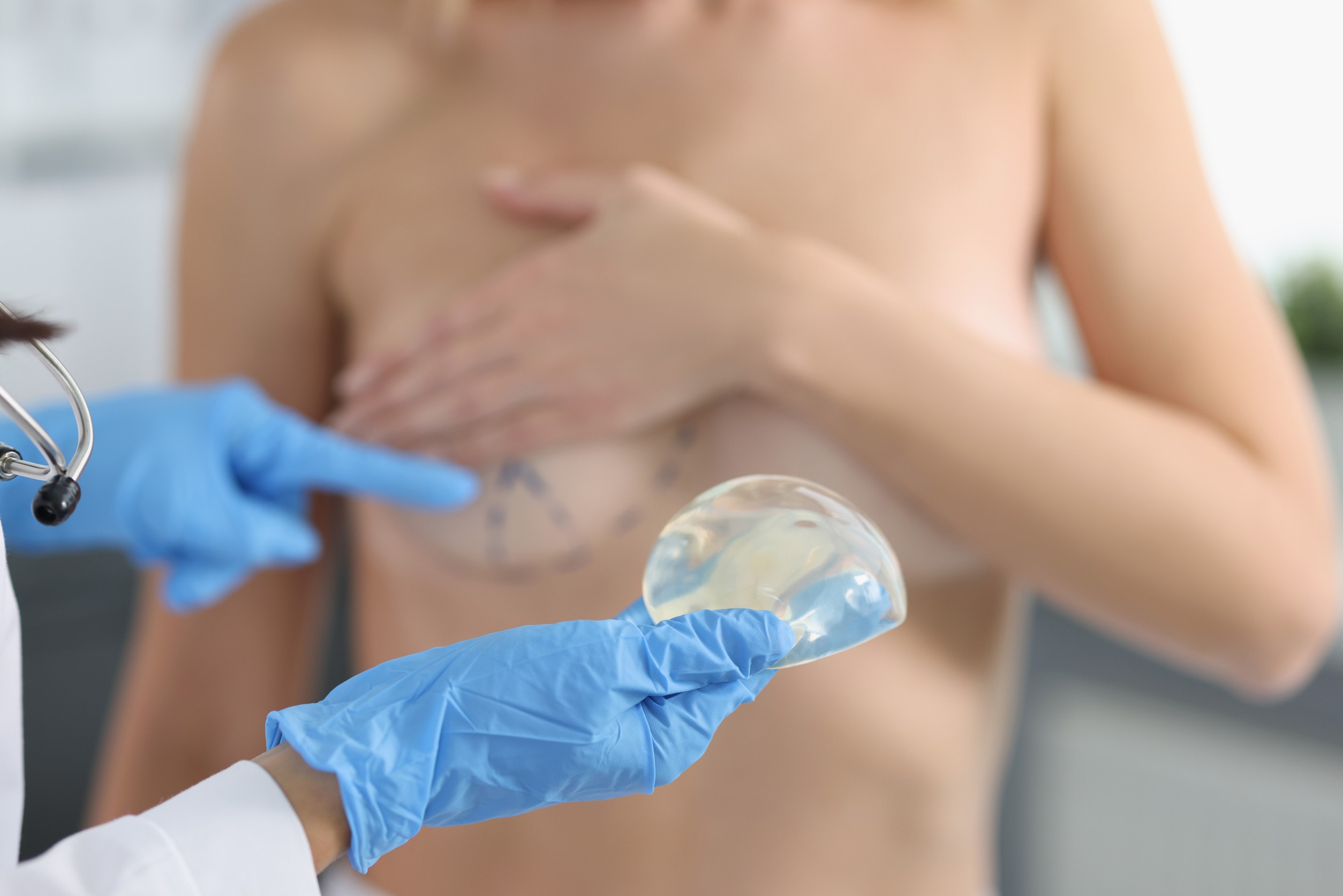
Another complication that can arise after breast augmentation is postoperative hematoma. Although the incidence of hematomas is relatively low, less than 1% of cases, it is still a possibility to consider. Signs of a hematoma include noticeable swelling and redness of the breast, which can cause pain and discomfort for the patient.
If you experience a hematoma, it’s crucial to contact your cosmetic surgeon immediately to determine the best course of action. Prompt management can prevent further complications and ensure a faster recovery.
Causes of hematoma
Several factors can contribute to the formation of a hematoma, including the use of anticoagulant medications and trauma during surgery.
It is essential to pay attention to hemostasis during the surgical procedure to minimize the risk of bleeding and hematoma formation.
Hematoma treatment
The formation of a hematoma after breast augmentation is generally mild and tends to resolve spontaneously . However, in some cases, surgery may be necessary to drain the accumulated blood.
If the hematoma is large and doesn’t reabsorb naturally, surgical drainage may be necessary. Prompt intervention ensures better healing and prevents further complications.
Skin sensitivity and paresthesia
After breast augmentation, it’s common to experience changes in skin sensation. These changes can range from a slight loss of sensation to full-blown paresthesia, a tingling or numbness sensation. These changes are usually temporary and caused by minor nerve damage during the procedure.
Skin sensitivity tends to return to normal after a few weeks, but in rare cases, it can persist for a longer period. It’s important to be aware of these risks and discuss them with your surgeon before surgery.
Temporary paresthesia
Temporary paresthesia is a common complication after breast augmentation and usually resolves without surgery within a few weeks. Symptoms may appear immediately after surgery and tend to improve over time.
Skin sensitivity usually returns to normal levels after a few weeks.
Risk of persistence
Although rare, there is a risk that the loss of skin sensation may become permanent. Factors such as the extent of the surgery and the surgical techniques used can influence the likelihood of lasting paresthesia.
It is essential to understand the risks and safety considerations and consider them carefully before proceeding with the procedure.
Breast asymmetry
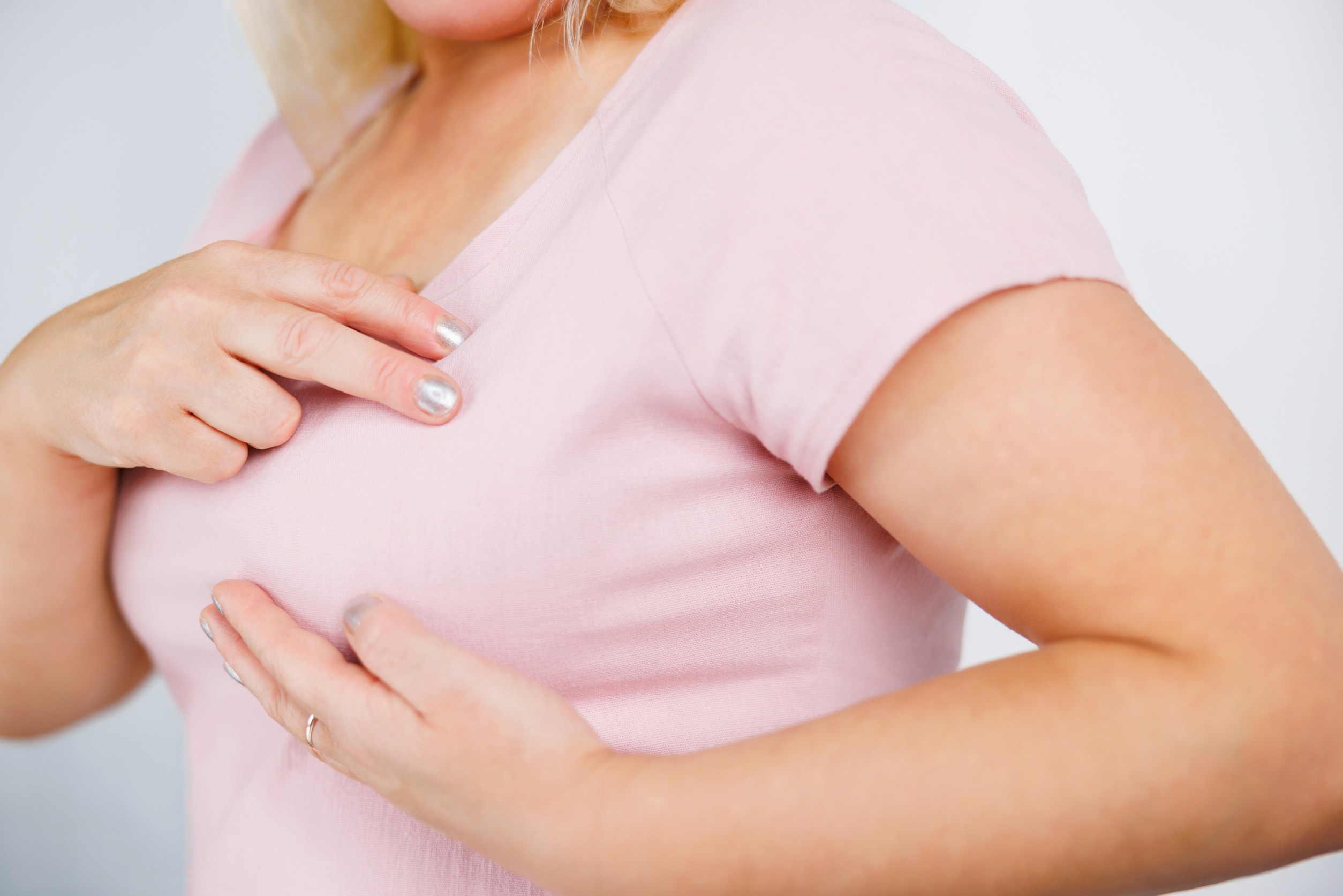
Breast asymmetry is a potential complication of breast augmentation. While some degree of asymmetry is normal, in some cases it can be more pronounced and require corrective surgery.
Causes of asymmetry
Causes of breast asymmetry may include congenital factors, hormonal changes, and previous surgeries.
Natural body changes during puberty, weight changes, and pregnancy can also contribute to breast asymmetry.
Asymmetry correction
Correction of breast asymmetry may require combined procedures, such as breast augmentation or reduction, depending on the needs.
In some cases, it may be necessary to insert implants in the smaller breast or reduce the larger one to achieve a more symmetrical appearance.
Seroma
A seroma is a collection of serous fluid that can form in the breast implant pocket after surgery. This complication is more common with subglandular implants and can cause pain and swelling in the affected area.
It is important to diagnose and treat seroma promptly to avoid further complications.
Seroma Diagnosis
The diagnosis of seroma is mainly based on the observation of an increase in breast volume and painful sensation in the involved area .
Recognizing these symptoms is crucial for managing postoperative complications.
Seroma treatment
Treatment of seroma may include draining the accumulated fluid and using compression dressings to promote healing.
In some cases, surgery may be necessary to remove the excess fluid.
Anaplastic large cell lymphoma (BIA-ALCL)
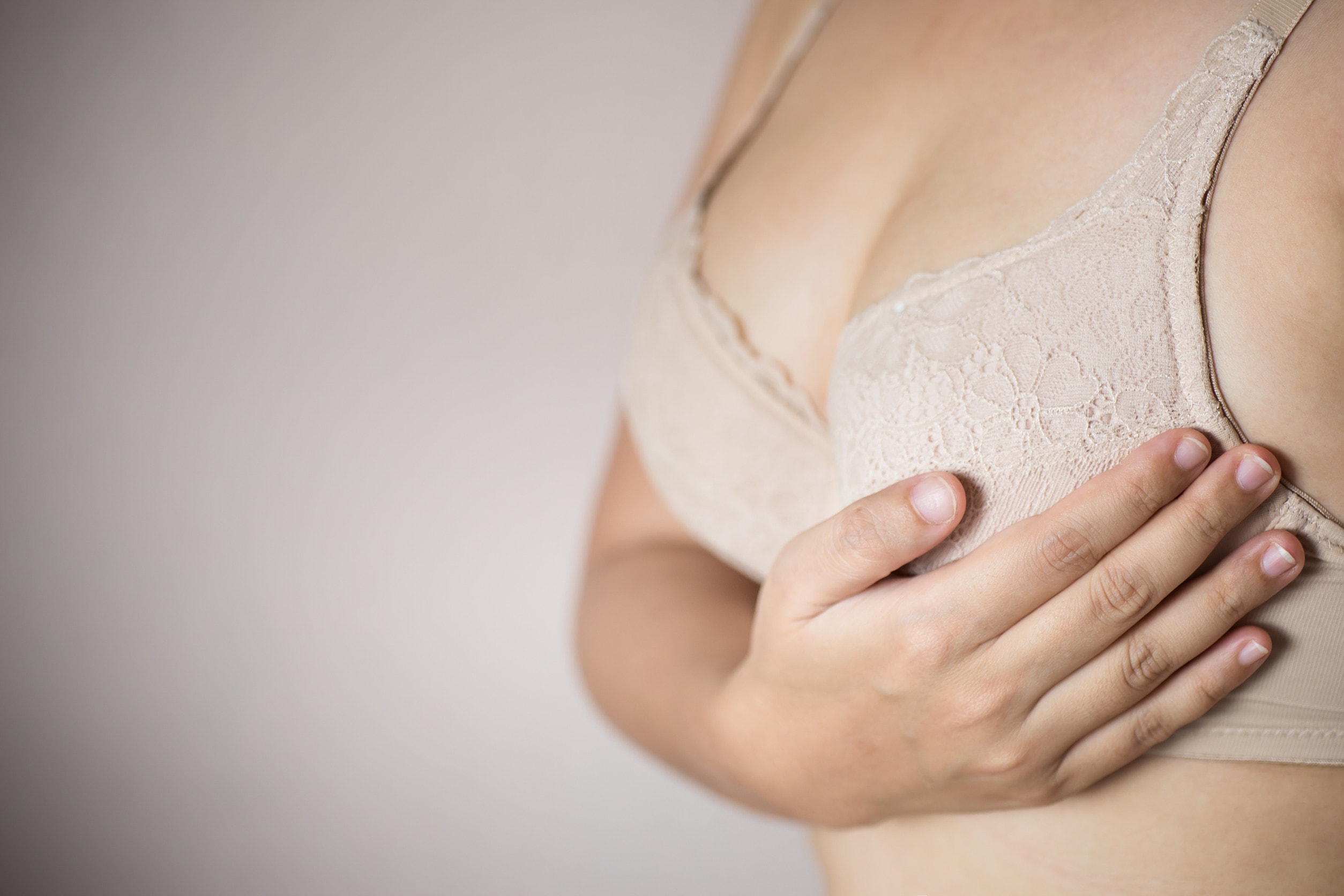
Anaplastic large cell lymphoma (BIA-ALCL) is a rare form of non-Hodgkin’s lymphoma associated with textured breast implants . This rare complication can develop in the scar tissue around the implant, and the risk of developing BIA-ALCL varies significantly depending on the type of implant used.
Symptoms of BIA-ALCL
Symptoms of BIA-ALCL include swelling in the breast around the implant, swollen lymph nodes, and, in some cases, the formation of a late seroma or mass. Joint pain may also be a sign of this complication.
Riconoscere questi sintomi precocemente è fondamentale per una diagnosi tempestiva e un trattamento efficace.
Prevenzione e trattamento
La prevenzione del BIA-ALCL si basa sulla consapevolezza dei rischi e sull’adozione di misure preventive efficaci. Il trattamento prevede la rimozione dell’impianto e del tessuto circostante, nonché biopsie per confermare la diagnosi.
Adottare queste misure può garantire un esito positivo nel trattamento della patologia.
Cicatrici
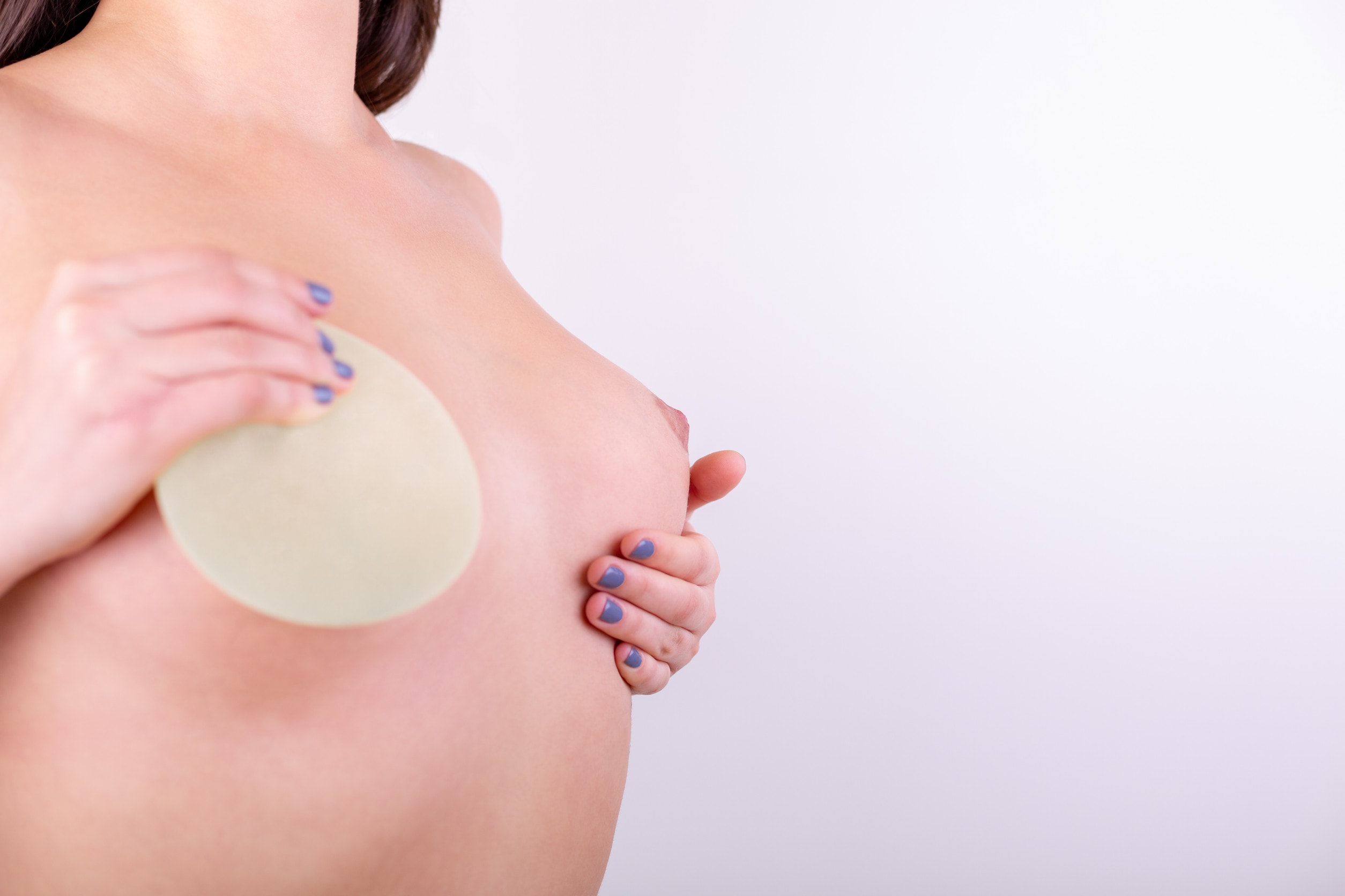
La qualità delle cicatrici post-operatorie è un aspetto cruciale per il risultato estetico della mastoplastica additiva. La tecnica chirurgica utilizzata e le caratteristiche individuali della paziente giocano un ruolo fondamentale nel determinare l’aspetto delle cicatrici.
È importante seguire attentamente le istruzioni del chirurgo per garantire una buona guarigione e minimizzare la visibilità delle cicatrici.
Qualità delle cicatrici
La qualità delle cicatrici dipende da diversi fattori, tra cui la tecnica chirurgica utilizzata, la coagulazione dei vasi sanguigni e le caratteristiche della pelle della paziente.
La corretta gestione delle cicatrici è essenziale per prevenire complicanze e ottenere risultati estetici soddisfacenti.
Gestione delle cicatrici
Seguire le istruzioni post-operatorie del chirurgo, applicare creme specifiche, e indossare indumenti compressivi sono alcune delle misure che possono aiutare a migliorare l’aspetto delle cicatrici.
Tecniche come la laserterapia e il microneedling possono essere utilizzate per ridurre la visibilità delle cicatrici.
Difficoltà nell’allattamento
Le donne che si sottopongono a una mastoplastica additiva possono incontrare difficoltà nell’allattamento. La scelta della tecnica chirurgica, come l’incisione periareolare, può influire sulla capacità di allattare.
È fondamentale discutere con il chirurgo le proprie intenzioni di allattare prima dell’intervento per scegliere la tecnica più appropriata.
Incisione periareolare
L’incisione periareolare è una tecnica comune nella mastoplastica additiva, ma può avere un impatto sulla capacità di allattare in futuro. La posizione dell’incisione vicino al capezzolo può danneggiare i dotti lattiferi, rendendo l’allattamento più difficile.
Consigli per l’allattamento
Per le donne che desiderano allattare dopo l’intervento, è consigliato consultare un esperto di allattamento per ricevere consigli personalizzati.
Questa consulenza può aiutare a superare le difficoltà e a garantire un’esperienza di allattamento positiva.
Final considerations on risks
Breast augmentation is a procedure with a significant emotional and psychological impact, as well as an aesthetic one. It’s essential to have realistic expectations regarding cosmetic surgery to understand the limitations and risks of the procedure . Having an open dialogue with your surgeon before the procedure is very helpful. This allows you to set realistic goals and understand the potential results.
Postoperative follow-up visits are crucial for monitoring BIA-ALCL symptoms and other complications. Being well-informed and prepared can make the difference between a satisfying experience and a disappointing one.
Conclusion
In conclusion, breast augmentation surgery carries a series of risks and complications that are essential to understand. From capsular contracture to implant rupture, including infections and breastfeeding difficulties, every aspect must be carefully considered. Choosing an experienced surgeon and careful post-operative care are key to minimizing risks and achieving satisfactory results.
Awareness and preparation are essential to approaching this process with peace of mind and confidence. We hope this guide has provided you with the information you need to make an informed decision.
Frequently Asked Questions
What are the most common risks of breast augmentation?
The most common risks of breast augmentation include capsular contracture, implant rupture, infection, post-operative bruising, and changes in skin sensation.
How can I reduce the risk of infection after breast augmentation?
To reduce the risk of infection after breast augmentation, it is essential to follow rigorous sanitation protocols and maintain meticulous wound hygiene. If necessary, an antibiogram is recommended to identify the most effective medication.
Is it possible for the loss of skin sensation to become permanent?
Yes, it is possible for the loss of skin sensation to become permanent, particularly due to the extent of the procedure and the surgical techniques used.
What can I do if I get a hematoma after surgery?
If a hematoma occurs after surgery, it is essential to contact your cosmetic surgeon immediately; although many hematomas resolve on their own, surgical drainage may be necessary in some cases.
What are the treatment options for BIA-ALCL?
Removal of the implant and surrounding tissue is the main treatment option for BIA-ALCL, accompanied by biopsies to confirm the diagnosis.
