Before undergoing abdominoplasty surgery, it is important to understand the risks involved.
In a nutshell
- A consultation with your surgeon regarding lifestyle and preparation can prevent the risks of abdominoplasty and promote the success of the procedure and long-term results.
- Prevention of postoperative complications is essential , involving measures such as the use of drains, appropriate surgical techniques, and post-operative hygiene.
- Unsatisfactory scarring and persistent pain are common concerns after surgery; good communication with your surgeon is essential for postoperative management and care.
Risks of hematoma and bleeding
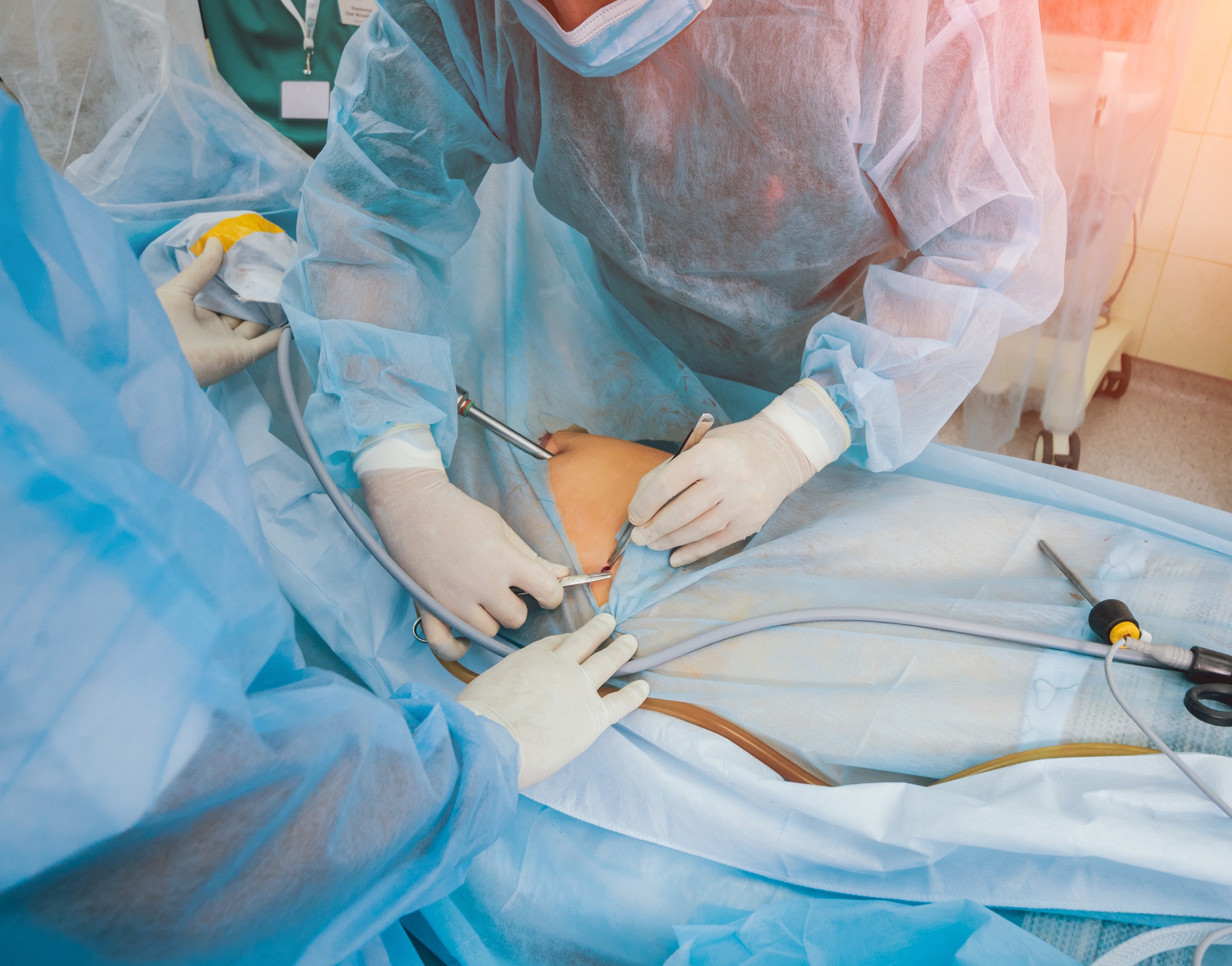
One of the most common risks associated with abdominoplasty is hematoma , which occurs when blood accumulates outside the blood vessels. During and after surgery, excessive bleeding may occur, which may require an additional operation to remove the hematoma.
The risk of hematoma increases if adequate preventive measures are not taken . For example, the application of surgical drains may be necessary to manage hematomas and prevent more serious complications. Surgeons use clinical vasoconstriction protocols to minimize the risk of bleeding . However, despite these precautions, the risk of bleeding remains a concern that should not be underestimated.
It is important to discuss possible risks and strategies to minimize them with your surgeon .
Post-operative infections

Postoperative infections are another significant complication after abdominoplasty. These can arise due to contamination during surgery, poor hygiene, or a weakened immune system. Symptoms of infection include marked redness, increasing pain, fever, and abnormal discharge .
To prevent infections, it is essential to perform the procedure in a sterile operating room and use prophylactic antibiotics before surgery. Furthermore, the use of antibiotics after surgery is common practice to reduce the risk of infection. If an infection occurs, specific antibiotic treatments and surgical drainage may be necessary to resolve the problem.
Carefully following your plastic surgeon’s instructions and maintaining proper hygiene in the post-operative period are essential to minimize the risk of infection . Remember that good prevention is always the best cure. Plastic surgery is an important aspect to consider in this context.
Seroma
Even theSeroma one of the most common complications after abdominoplasty. It is an accumulation of serum, a clear fluid that the body produces in the days following surgery .
To reduce the risk of seroma , surgeons typically insert two intra-abdominal drains that remove excess fluid and the rectus abdominis muscles. Most patients experience no significant problems after surgery.
These drains are left in place for approximately 48 hours after surgery, helping to prevent seroma buildup and other complications . However, it is important to properly manage the seroma to avoid further problems and ensure proper healing. Seroma formation is often caused by extensive tissue separation during surgery, making its management crucial.
Change in skin sensitivity
Many patients experience a change in skin sensation after abdominoplasty. Approximately 4% of patients may experience reduced skin sensation that may last for a period of time . This reduction in sensation is usually temporary , but in rare cases it can persist for more than a year or become permanent.
Decreased skin sensation can occur in various areas of the abdomen, impacting recovery and patient comfort.
Recovery of sensation varies greatly among patients and can be influenced by several individual factors. In some cases, patients may experience burning or tingling sensations, known as neuropathic pain .
Skin necrosis

Skin necrosis is a serious complication that can occur after abdominoplasty. This problem occurs when certain areas of the skin lack adequate blood supply , appearing bluish or dark in color.
Causes of skin necrosis may include:
- Compression of tissues during surgery, which reduces the blood flow necessary for cell survival.
- Pre-existing patient factors, such as vascular disease or diabetes.
- Inadequate surgical techniques that compromise the vascularization of the skin.
It is essential to carefully monitor the skin after surgery to promptly identify any signs of skin necrosis.
The risk of necrosis increases with the extent of tissue displacement during surgery . If the necrotic tissue is limited, it can be treated without surgery, but if it is extensive, surgical revision may be necessary. Appropriate pressure management and correct positioning during surgery are essential to minimize this risk .
Unsightly scars
Unsightly scars are a common concern among patients undergoing abdominoplasty. The quality of the incision, sutures, and the patient’s ability to heal significantly impact the appearance of the scars.
After a tummy tuck, scars can develop in various ways:
- They can be thin and pearly in color.
- In rare cases, they may appear red and raised.
- They may manifest as a horizontal scar across the lower abdomen.
- There may be an internal scar in the navel.
- In some cases, keloid scars may form, which are thick, red, and noticeable.
If the scars are unsightly, surgery can be performed to improve their appearance.
Persistent pain
Persistent pain is a rare but possible complication after abdominoplasty. This can be caused by nerves becoming trapped in scar tissue. Although rare, persistent pain can significantly impact a patient’s quality of life.
How to reduce the risks of abdominoplasty
How to Reduce the Risks of Abdominoplasty: Table
| I wait | Specific Measurements |
|---|---|
| 🌟 Choice of Surgeon |
|
| 🩺 Pre-Operative Evaluation |
|
| 🛡️ Pre-Operative Preparation |
|
| 🏥 Health Protocols |
|
| 🏃♂️ Post-Operative Procedures |
|
| 📞 Monitoring and Communication |
|
Reducing the risks of abdominoplasty and mini tummy tuck begins with choosing an experienced and qualified surgeon . A detailed preoperative evaluation can help identify risk factors and plan preventive strategies.
Adopting appropriate medical protocols during surgery and carefully following the post-operative procedure can minimize complications. After surgery, it’s important to limit strenuous physical activity and use a compression garment to aid healing.
Avoid smoking is crucial to ensuring proper healing and reducing the risk of complications. Following these tips and maintaining open communication with your surgeon can increase your chances of a smooth recovery and a satisfactory outcome.
Conclusion
In conclusion, abdominoplasty carries various risks , ranging from bleeding and infection to more serious complications such as skin necrosis and pulmonary embolism. However, with proper preparation and an informed choice of surgeon , these risks can be minimized. minimized and satisfactory results achieved.
Frequently Asked Questions
What are the risks of abdominoplasty?
Risks of abdominoplasty include bleeding, infection, seroma, changes in skin sensation, skin necrosis, unsatisfactory scarring, persistent pain, and pulmonary embolism.
How can I reduce the risk of complications after a tummy tuck?
To reduce the risk of complications after a tummy tuck, it is essential to choose an experienced surgeon, strictly follow pre- and post-operative instructions, avoid blood-thinning medications, and quit smoking.
How long does the reduction in skin sensitivity last after a tummy tuck?
The reduction in skin sensitivity after an abdominoplasty can last from several months to over a year, with the possibility of permanent reduction in rare cases.
What should I do if I notice signs of infection after surgery?
If you notice signs of infection such as redness, increasing pain, fever, or abnormal discharge, contact your surgeon immediately. It is essential to receive prompt medical attention.
Is it common to experience persistent pain after a tummy tuck?
Persistent pain after abdominoplasty is rare, although it can occur due to nerve entrapment in scar tissue. Treatments are available to manage this condition.
