
Want to reshape your nose but want to learn about the latest techniques? In this article, we’ll explore how ultrasonic rhinoplasty works and its main advantages.
In a nutshell
- Ultrasonic rhinoplasty uses ultrasonic instruments to shape the nasal bones with millimeter precision, reducing trauma to the surrounding soft tissue and improving aesthetic results.
- This advanced technique offers significant advantages over traditional rhinoplasty , including faster recovery times, less post-operative pain, and a reduced risk of complications.
- Ideally suited to a wide range of patients , ultrasonic rhinoplasty can improve both aesthetic appearance and respiratory function, offering natural and harmonious results.
What is ultrasonic rhinoplasty?
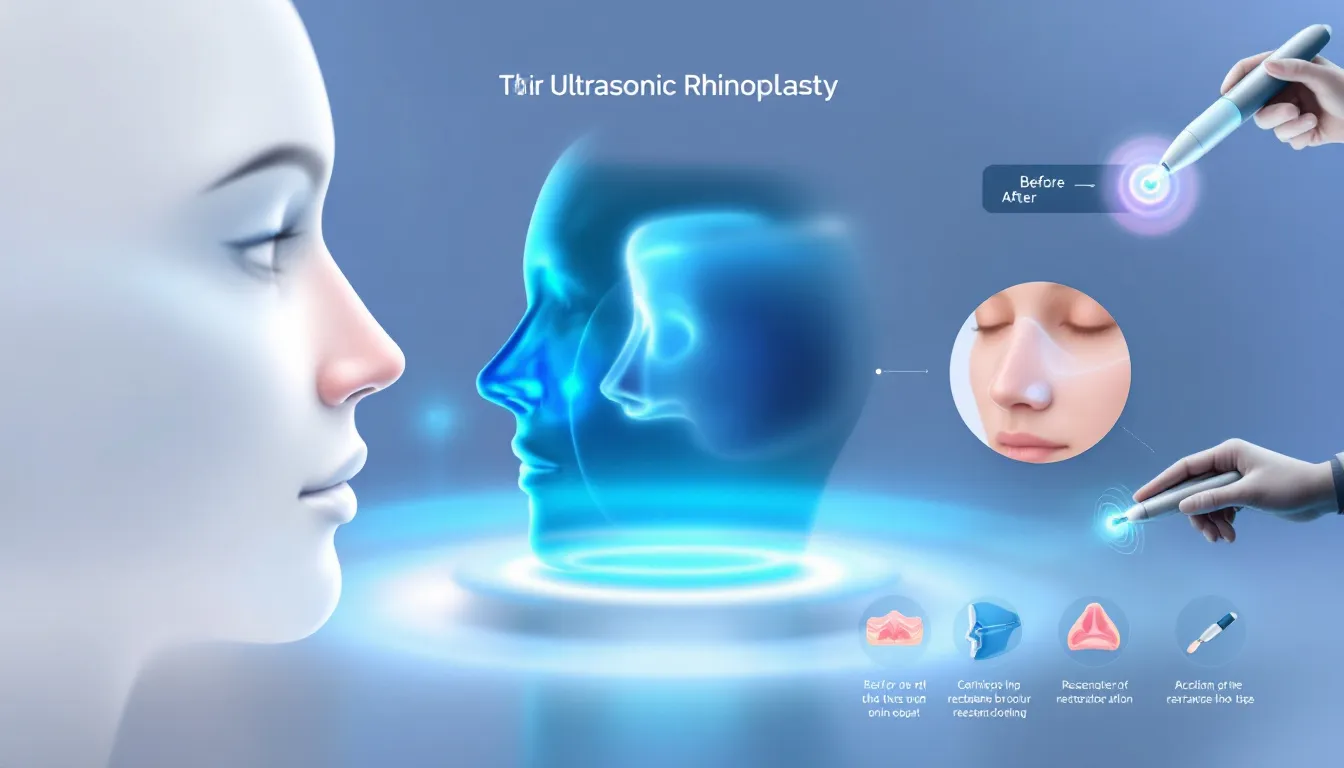
Ultrasonic rhinoplasty is an advanced maxillofacial surgery technique that uses ultrasonic instruments to reshape the nasal bones . This innovative method uses high-frequency vibrations to shape the nasal bones with millimeter precision without damaging the surrounding soft tissue .
This technique represents a significant technological advancement , allowing the surgeon complete control over the procedure and ensuring better aesthetic and functional results than traditional techniques. Ultrasonic rhinoplasty not only improves the precision of the procedure, but also reduces recovery time and the risk of complications .
Piezoelectric technology
The key to ultrasonic rhinoplasty lies in piezoelectric technology . The piezoelectric scalpel , or piezotome , is an instrument that uses ultrasonic waves to cut into the bone without damaging the surrounding soft tissue.
The use of piezoelectric instruments represents one of the main innovations in this field , allowing for a less invasive and safer intervention than traditional techniques .
Thanks to high-frequency vibrations, ultrasonic rhinoplasty offers a level of precision that was not possible with traditional methods .
Differences from traditional rhinoplasty
The following table compares the two different approaches. This highlights how ultrasonic rhinoplasty offers significant advantages over traditional rhinoplasty in terms of precision, safety, and recovery time.
| Characteristic | Ultrasonic Rhinoplasty | Traditional Rhinoplasty |
|---|---|---|
| Technology Used | Ultrasound, piezoelectric technology | Hand tools, chisel and hammer |
| Precision | High precision thanks to high frequency vibrations | Accuracy limited by traditional tools |
| Tissue Trauma | Minimal, without damaging soft tissues | Major, with possible damage to soft tissues |
| Recovery Times | Faster, with less bruising and swelling | Longer, with more bruising and swelling |
| Post-Operative Pain | Reduced | Greater |
| Risk of Complications | Reduced | Greater |
| Aesthetic Results | More natural and harmonious | Less predictable |
| Invasiveness | Less invasive | More invasive |
| Directions | Suitable for nasal humps, septal deviations, deformities | Suitable for most nasal corrections |
| Tools Used | Piezotome | Chisel, hammer |
Advantages of Ultrasonic Rhinoplasty
Ultrasonic rhinoplasty offers a number of advantages that make it a preferable choice over traditional techniques. This rhinosculpture technique represents one of the most advanced advances in nasal surgery, promising superior aesthetic results with fewer side effects.
- Greater precision and delicacy in nose modeling
- Less trauma to surrounding tissues
- Reduction of post-operative pain
- Faster recovery times
- More natural aesthetic results
These advantages make ultrasonic rhinoplasty an increasingly popular choice among patients.
Ultrasonic rhinoplasty surgery procedure
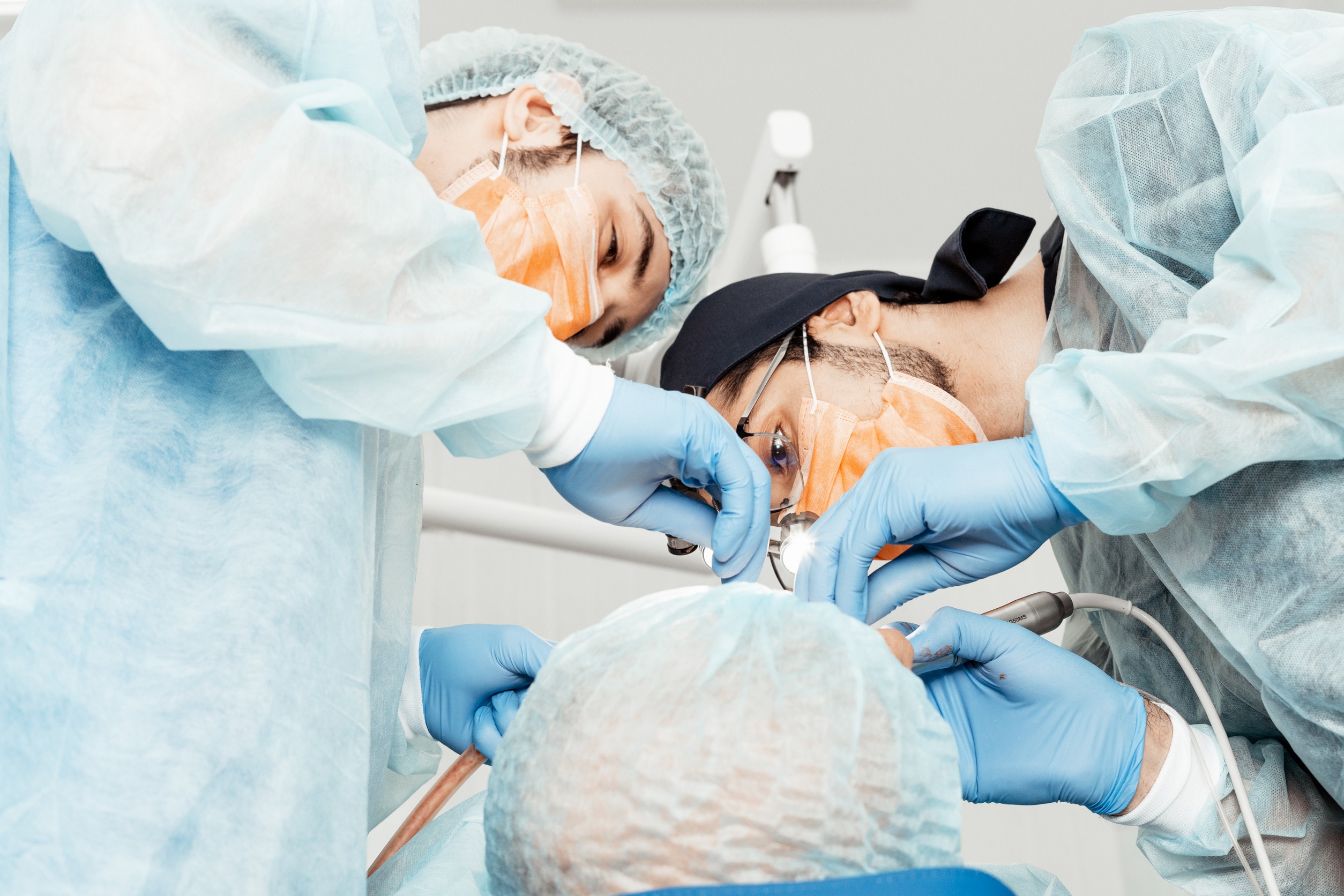
The average duration of an ultrasonic rhinoplasty procedure is between 90 and 120 minutes . During this time, the surgeon performs a series of specific steps that ensure optimal results and reduced recovery time. Let’s look at the procedure in more detail.
Preparation for surgery
First of all, a preoperative consultation is essential , during which the surgeon and patient discuss specific needs and expectations . This phase allows for the clarification of any doubts and detailed planning of the procedure.
For ultrasonic rhinoplasty, either sedation or general anesthesia may be used , depending on the patient’s and surgeon’s preferences.
Phases of the intervention
Ultrasonic rhinoplasty begins with a small incision through which an ultrasonic instrument is inserted . The piezotome allows for precise incisions, reducing trauma to surrounding tissue, allowing the surgeon to shape the nasal bones with extreme accuracy.
During the procedure, the surgeon can make millimetric adjustments to the bone structure to achieve a precise and harmonious aesthetic result.
Safety and reduced risks
Safety is a major concern for those considering surgery, and ultrasonic rhinoplasty stands out for its lower risks compared to traditional techniques. Thanks to its precision and less invasive nature , this technique causes less soft tissue damage and is more effective.
Another significant advantage is the reduced risk of bone fragmentation and nerve and muscle damage , which can often occur with traditional techniques. This means patients can expect a safer postoperative recovery with fewer complications.
Reduction of complications
Ultrasonic technology significantly reduces the risk of complications during and after surgery .
Thanks to the use of the piezoelectric scalpel, no tissue such as cartilage, mucosa, muscles, or blood vessels is damaged during the procedure . This less invasive nature translates into shorter recovery times and less trauma for the patient.
The precision of ultrasonic rhinoplasty also reduces the risk of post-operative complications, such as swelling and bruising , ensuring a smoother recovery experience.
Post-operative recovery
Recovery times after ultrasonic rhinoplasty are significantly shorter than those for traditional rhinoplasty. After the splint is removed, usually after a week, patients can return to their daily activities, including work, as long as it does not require strenuous physical activity .
Ultrasonic rhinoplasty involves minimal swelling, bruising, and inflammation , ensuring faster healing with less discomfort. During the recovery period, it’s important to follow certain recommendations, such as sleeping with the head elevated and avoiding moderate to intense physical activity for the first four to six weeks .
Who can benefit from ultrasonic rhinoplasty?

Ultrasonic rhinoplasty is suitable for a wide range of patients, from 18 years of age and up, and even from 16 years of age with parental permission. But who are the ideal candidates for this procedure?
Ultrasonic rhinoplasty is particularly suitable for people with:
- Nasal humps
- Excessive widths
- Deviated nasal septum
- Nasal bone fracture deformities
Furthermore, assessing the patient’s respiratory function is essential to evaluate their suitability for surgery. This technique can correct nasal septal deviations and other structural abnormalities that can impede breathing .
Patients often notice functional improvements quickly, enjoying improved breathing and an overall higher quality of life .
Costs and pre-operative consultation
The cost of an ultrasonic rhinoplasty can vary depending on the complexity of the procedure and the patient’s specific needs. In general, the average cost is around €6,500 , with a price range of €5,000 to €8,000 .
It is essential to discuss your expectations and any concerns with your surgeon before the procedure begins to ensure that all parties are aligned.
In some cases, costs can reach up to €9,000, especially when the procedure requires significant corrections or additional treatments. It’s important to consider that the cost of the procedure includes not only the surgery itself, but also pre- and post-operative care, which is essential to ensure a safe and optimal recovery.
Preoperative simulation
Preoperative simulation is a very useful step in planning ultrasonic rhinoplasty. This phase allows you to visualize the possible outcomes of the procedure , facilitating communication between the doctor and the patient. Thanks to the simulation, the patient can have a clear idea of what the final result will be , reducing uncertainty and concerns.
Preoperative simulation helps set realistic expectations and clarify any concerns , ensuring that the patient is fully informed and prepared for the procedure.
Conclusion
In conclusion, ultrasonic rhinoplasty represents a significant innovation in the field of maxillofacial surgery. This advanced technique offers numerous advantages over traditional techniques, including greater precision , less surgical trauma, and shorter recovery times . Piezoelectric technology and the use of ultrasound allow for superior aesthetic and functional results, improving the overall patient experience. With a minimally invasive approach and harmonious, natural-looking results , this technique offers a unique combination of safety, effectiveness, and patient satisfaction . Don’t hesitate to consult a specialized surgeon to find out if this innovative methodology is right for your needs.
Frequently Asked Questions
What makes ultrasonic rhinoplasty different from traditional rhinoplasty?
Ultrasonic rhinoplasty is distinguished by the use of high-frequency vibrations, which allow for more precise shaping of the nasal bones with less trauma to the surrounding tissues, leading to a faster recovery.
What are the main advantages of ultrasonic rhinoplasty?
The main advantages of ultrasonic rhinoplasty are greater precision in the procedure, less surgical trauma, reduced post-operative swelling and bruising, and faster recovery times.
Who is a good candidate for ultrasonic rhinoplasty?
A good candidate for ultrasonic rhinoplasty is someone with nasal humps, excessive width, a deviated nasal septum, and fracture deformities, as well as anyone seeking aesthetic and functional improvements.
How much does ultrasonic rhinoplasty cost?
The cost of an ultrasonic rhinoplasty varies between 5,000 and 8,000 euros, depending on the complexity of the procedure and the patient’s needs.
How long does it take to recover from an ultrasonic rhinoplasty?
Recovery from ultrasonic rhinoplasty is generally quicker than traditional rhinoplasty. Most patients can resume normal activities within a week, with full recovery taking 3-6 months.
