This article provides a clear overview of the stages of rhinoplasty recovery, from pain management to dressing care, for a safe and speedy recovery.
In a nutshell
- Postoperative management includes the use of painkillers, decongestants, and relaxation techniques to speed recovery.
- Dressings and proper nasal hygiene , through frequent saline washes, are essential to prevent infections and promote proper healing after rhinoplasty.
- Rest is important in the first few days after surgery, and regular check-ups allow the surgeon to monitor your recovery and intervene promptly in case of complications.
Post-rhinoplasty recovery management
Thanks to modern surgical techniques, the procedure is generally painless, but it’s still important to follow certain guidelines to minimize post-operative discomfort . The use of specific medications and relaxation methods can make a big difference in recovery.
Postoperative discomfort can be managed with antibiotics and cortisone starting the day after surgery. Additionally, decongestant medications can be helpful at home starting the day of surgery to reduce discomfort.
Use of painkillers
More than 90% of patients do not use painkillers after rhinoplasty. However, for those few who do need them, painkillers can be helpful in relieving post-operative discomfort or pain (headache, nose pain, etc.).
It is important to follow your surgeon’s instructions regarding dosage and frequency to avoid complications and ensure a smooth recovery.
In addition to painkillers, patients may benefit from the use of decongestant medications to ease breathing . These medications, along with antibiotics and cortisone, help keep the nose free of congestion and prevent infections, thus improving comfort during recovery.
Relaxation techniques
For rhinoplasty recovery, methods such as deep breathing and meditation can be very effective. These techniques help reduce stress and improve the patient’s overall well-being during the recovery phase.
Practicing breathing exercises and meditation can not only relieve pain but also speed up the healing process after rhinoplasty surgery. It’s recommended to dedicate a few minutes each day to these techniques to improve your physical and mental well-being and promote a more peaceful and rapid recovery.
Post-surgery dressings
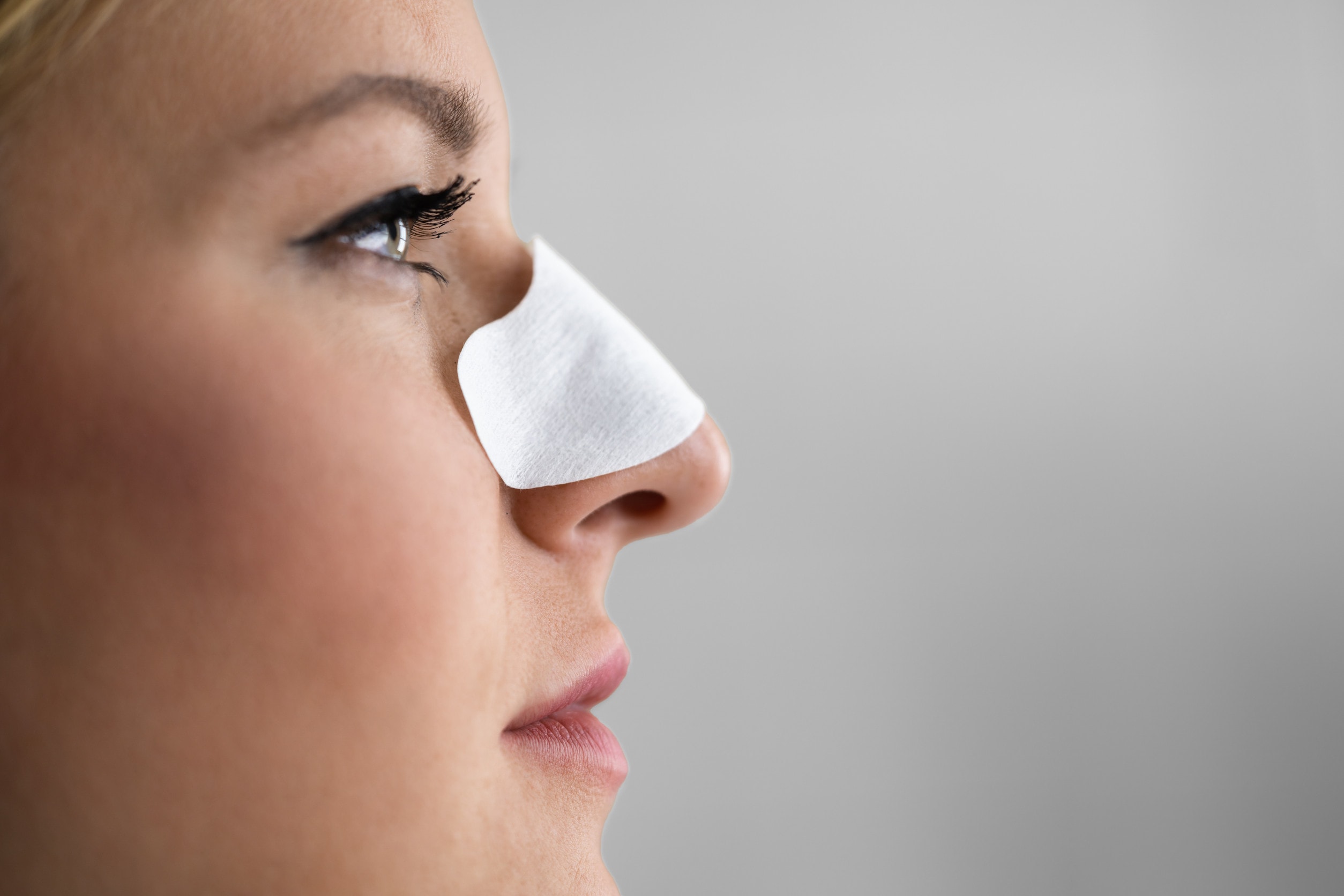
Following your surgeon’s instructions regarding dressings is crucial to prevent infections and promote proper healing. It’s important to keep dressings clean and dry at all times.
After rhinoplasty surgery, the patient must use a thermoplastic splint and specific plasters to protect the nose and aid recovery.
Removal of dressings
In general, dressings can be removed between the seventh and fourteenth day after rhinoplasty surgery, but it is essential to follow the surgeon’s instructions for each specific case of in-patient hospitalization.
The nasal swabs will be removed the day after surgery , while the protective mask will be removed after a week .
Applying new patches
The patches must be applied delicately, without applying too much pressure , to avoid damaging the skin and ensure good adhesion.
It’s essential that the patches adhere well to the skin to facilitate the healing process . This helps maintain the shape of the nose and achieve the best possible cosmetic results. Care and attention in managing the patches can make a big difference in your overall recovery.
Nasal washes after rhinoplasty
Nasal washes are an essential part of rhinoplasty post-op. These washes help eliminate crusts and maintain hydration of the nasal mucosa , preventing infections and facilitating healing. Maintaining good hydration is crucial to preventing the formation of nasal crusts after surgery.
It is recommended to perform nasal washes with a saline solution to keep the nasal cavities clean and ensure proper hygiene .
Saline solutions
Isotonic saline solutions are particularly effective for clearing the nasal passages and removing post-operative blood residue. These solutions help keep the nasal passages clear and prevent the accumulation of secretions , thus improving breathing and patient comfort.
Using a nozzle applicator placed in the nostril is the best method for effective rinsing. This ensures even distribution of the saline solution and thorough cleaning of the nasal passages, promoting faster and more straightforward healing.
It is recommended to perform nasal washes at least two or three times a day for effective recovery.
Glasses and contact lenses
After rhinoplasty, it’s important to be careful with the use of glasses and contact lenses. Glasses should not be worn for approximately 35 days after surgery to avoid compromising the healing process. It’s recommended to avoid wearing glasses for at least three weeks to prevent pressure on the nose.
Contact lenses, however, can be used a week after surgery , allowing patients to see clearly without putting pressure on the nose.
Wearing glasses
It’s recommended to avoid wearing glasses for at least three weeks after surgery to prevent pressure on the nose . If necessary, ultra-light frames or silicone patches can be used during the recovery period to reduce pressure on the nose.
Contact lenses
After rhinoplasty, it’s safe to return to wearing contact lenses one week after surgery. This allows patients to see clearly without putting pressure on the nasal septum , promoting faster and more complication-free healing.
Nutrition and hydration after surgery
Proper nutrition and hydration are essential to facilitate recovery after rhinoplasty. A balanced diet rich in vitamins and minerals can help reduce recovery time and alleviate post-operative side effects.
Maintaining adequate hydration is crucial to facilitate healing of incisions and reduce post-operative swelling .
Foods to avoid
It is advisable to avoid spicy foods and alcohol , as they can hinder healing and increase the risk of complications. Spicy foods can irritate and damage the nasal mucosa , while alcohol can interfere with inflammatory processes .
Following a balanced diet during convalescence is essential to improve recovery after surgery.
Adequate hydration
Maintaining good hydration is essential, especially in the days following surgery, preferring cool or room temperature fluids . Adequate hydration helps reduce postoperative swelling and facilitates healing , improving the patient’s overall comfort.
Drinking plenty of water and other unsweetened beverages helps keep the nasal mucosa hydrated , preventing crusting and making breathing easier. A well-hydrated body is more efficient in the healing process, making convalescence quicker and less painful.
Physical activity and rest

The post-rhinoplasty period requires special attention to rest, as recovery depends heavily on minimizing physical activity. Complete rest is essential to ensure proper healing after rhinoplasty surgery , as it allows the body to focus its energies on tissue repair.
After an initial period of rest, you can gradually resume some light physical activity, always under the surgeon’s advice . It’s important to follow a balanced approach, avoiding strenuous activities that could compromise recovery.
Initial rest
It is recommended to dedicate at least 1-2 weeks to complete rest, avoiding any strenuous physical activity or stress to the body . This period of rest is crucial to allow the nose and surrounding tissues to heal properly, minimizing the risk of complications.
During this time, it’s advisable to keep your head elevated, even while sleeping , to reduce swelling and improve circulation . This simple measure can make a big difference in your comfort and speed of recovery.
Gradual resumption of physical activity
After the first two weeks, light physical activity , such as short walks, can be reintroduced , but it’s important to avoid contact sports for several weeks. Light activities such as walking can be resumed approximately 3-4 weeks after rhinoplasty surgery , always following the surgeon’s advice.
High-impact exercises , such as weight lifting or contact sports, should be avoided for up to 6-8 weeks after rhinoplasty . It’s important to listen to your body and stop if you experience pain or discomfort during post-operative physical activity.
After rhinoplasty surgery, it’s important to follow a schedule for resuming physical and sports activities to ensure optimal healing and prevent complications. Here’s a rough guide on recovery times:
| Activity | Recovery Time |
|---|---|
| Absolute rest | 1-2 weeks |
| Light walks | 2-3 weeks |
| Light physical activity | 3-4 weeks |
| Moderate (non-contact) exercises | 4-6 weeks |
| Contact sports | 6-8 weeks |
| Weightlifting | 6-8 weeks |
It’s essential to always follow your surgeon’s instructions and listen to your body. If you experience pain or discomfort during physical activity, it’s important to stop and consult your doctor.
Symptom monitoring
After rhinoplasty, it’s crucial to carefully monitor symptoms to ensure a smooth recovery. Common symptoms such as congestion, headache, and swelling must be carefully managed .
It is important to monitor body temperature , as an increase may signal a post-operative infection.
Care should be taken to monitor excessive bleeding, fever, and severe pain , as these may indicate complications that require prompt attention . During these visits, the surgeon will evaluate the condition of the nose and discuss any symptoms the patient is experiencing.
Swelling and bruising
Swelling around the nose and eyes may persist for up to two weeks after surgery . To minimize swelling, it’s advisable to reduce your consumption of highly salty foods, as they can increase water retention .
Spicy and fried foods should be avoided , as they can aggravate bloating and cause discomfort during digestion.
Symptoms of infection
Symptoms of postoperative infection include redness, warmth, and abnormal nasal discharge . Local warmth and redness around the operated area may indicate an ongoing infection .
If you notice persistent swelling accompanied by redness, it is important to consult your surgeon immediately to avoid serious complications.
Maintaining good nasal hygiene and following all your surgeon’s instructions for dressing care can help prevent infections. Careful monitoring of symptoms and timely communication with your doctor are essential for a safe and smooth recovery.
Check-ups
Follow-up visits are essential to ensure proper recovery after rhinoplasty surgery. These visits allow the surgeon to monitor the healing progress and intervene promptly in case of complications.
During the initial follow-up visits, the surgeon will evaluate the nose, remove nasal packing , and discuss any symptoms the patient is experiencing.
First post-operative visit
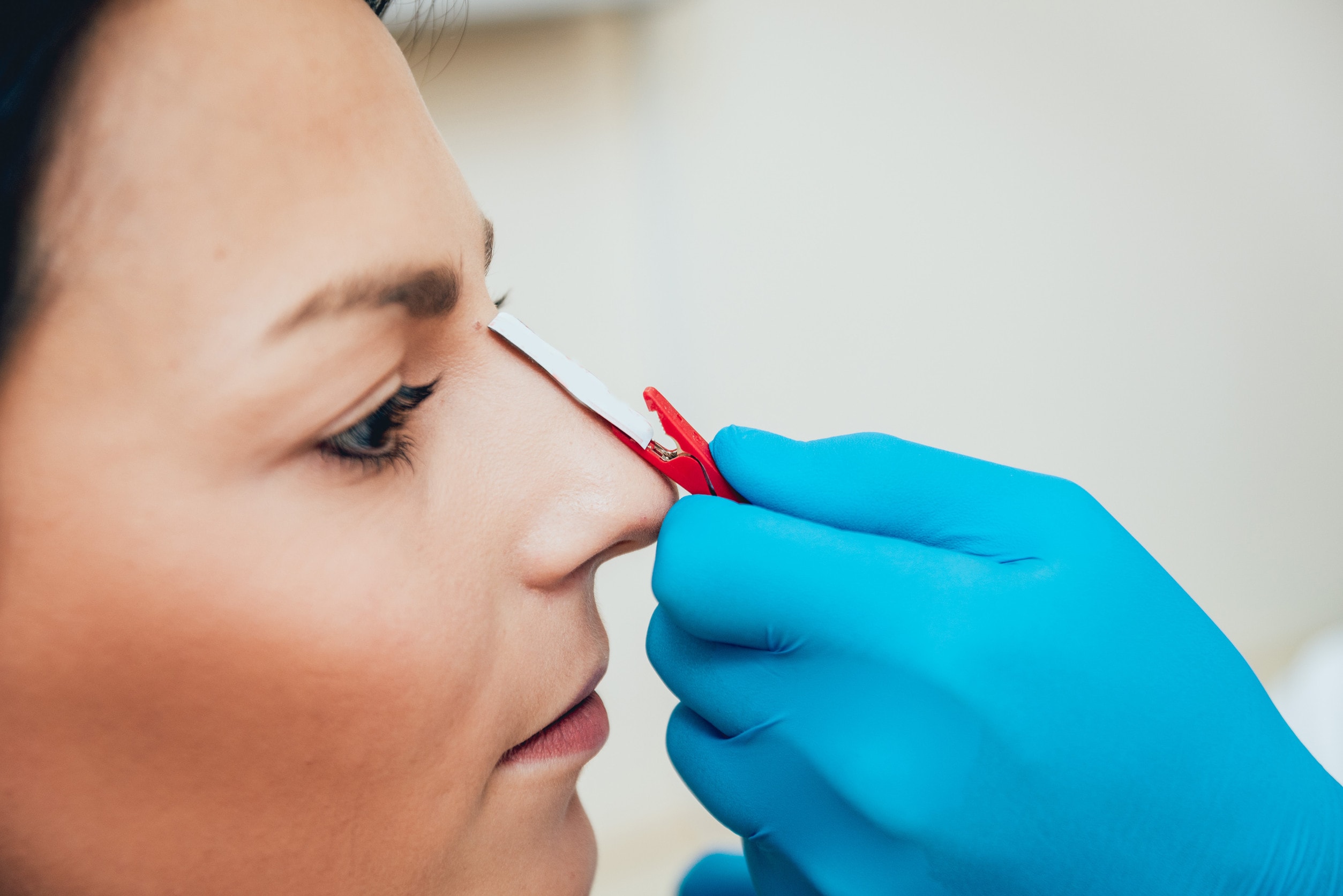
The first postoperative visit is crucial for evaluating the initial progress of healing. During this procedure, the surgeon will remove the splint and bandages and check for signs of infection or complications. It is also the time for the patient to discuss any concerns and symptoms experienced.
Subsequent visits
Subsequent visits are scheduled to monitor recovery and ensure no long-term complications occur . After the initial visit, follow-up visits occur at intervals of 7, 14, and 28 days, and then at 3, 6, and 12 months to monitor long-term progress.
During these visits, the surgeon will continue to evaluate the healing process, remove any remaining stitches, and monitor the aesthetic and functional outcome of the nose . These visits are essential to ensure the patient achieves the best possible results.
Conclusion
In short, recovery after rhinoplasty requires attention and care. Managing discomfort or pain, taking care of dressings, nasal irrigation, wearing glasses and contact lenses, a balanced diet and proper hydration, balancing physical activity and rest, and carefully monitoring symptoms are all essential elements for optimal recovery.
Frequently Asked Questions
What is the post-operative course for rhinoplasty?
The postoperative course for rhinoplasty involves a rapid recovery, with the possibility of resuming daily activities after 3-7 days and returning to sports after 20-30 days. A cast is required for about a week, and bruises tend to gradually disappear within 5-7 days.
How many sick days are needed for nose surgery?
Generally, a sick leave of 10-15 days is recommended after nose surgery, but this may need to be extended to 2 weeks or more depending on the intensity of the work performed.
How long does it take to fully recover after rhinoplasty?
Full recovery after rhinoplasty can take 6 to 12 months, with the initial healing stages occurring in the first few weeks.
Is it normal to have swelling and bruising after rhinoplasty?
It is completely normal to experience swelling and bruising around your nose and eyes for about two weeks after rhinoplasty.
What should I do if I notice signs of infection?
If you observe signs of infection such as redness, warmth, or abnormal discharge, it is essential to consult your surgeon immediately.
Is it possible to suffer from headaches after rhinoplasty surgery?
Yes, you may experience a headache in the days following surgery. This symptom is generally temporary and can be managed with painkillers prescribed by your surgeon.
When can I return to work after rhinoplasty?
Most patients can return to work within 10-14 days, depending on the type of work and level of physical activity required. It’s important to follow your surgeon’s instructions to ensure optimal recovery.
Should I avoid sun exposure after surgery?
Yes, it’s advisable to avoid direct sun exposure for at least six weeks after rhinoplasty. UV rays can negatively affect healing.
