
Have you recently completed a hair transplant and want to know how to proceed? Are you thinking about undergoing a transplant and want to know what happens next? In this article, you’ll learn how to protect your grafts, avoid infections, and ensure healthy regrowth by following the right instructions.
In a nutshell
- Post-hair transplant care is crucial to ensure optimal recovery and effective hair regrowth.
- It is essential to follow specific indications to protect the grafts , prevent infections and reduce the risk of complications during recovery.
- Preventive measures and the use of regenerative medicine treatments can significantly improve hair transplant results .
Importance of post-hair transplant care
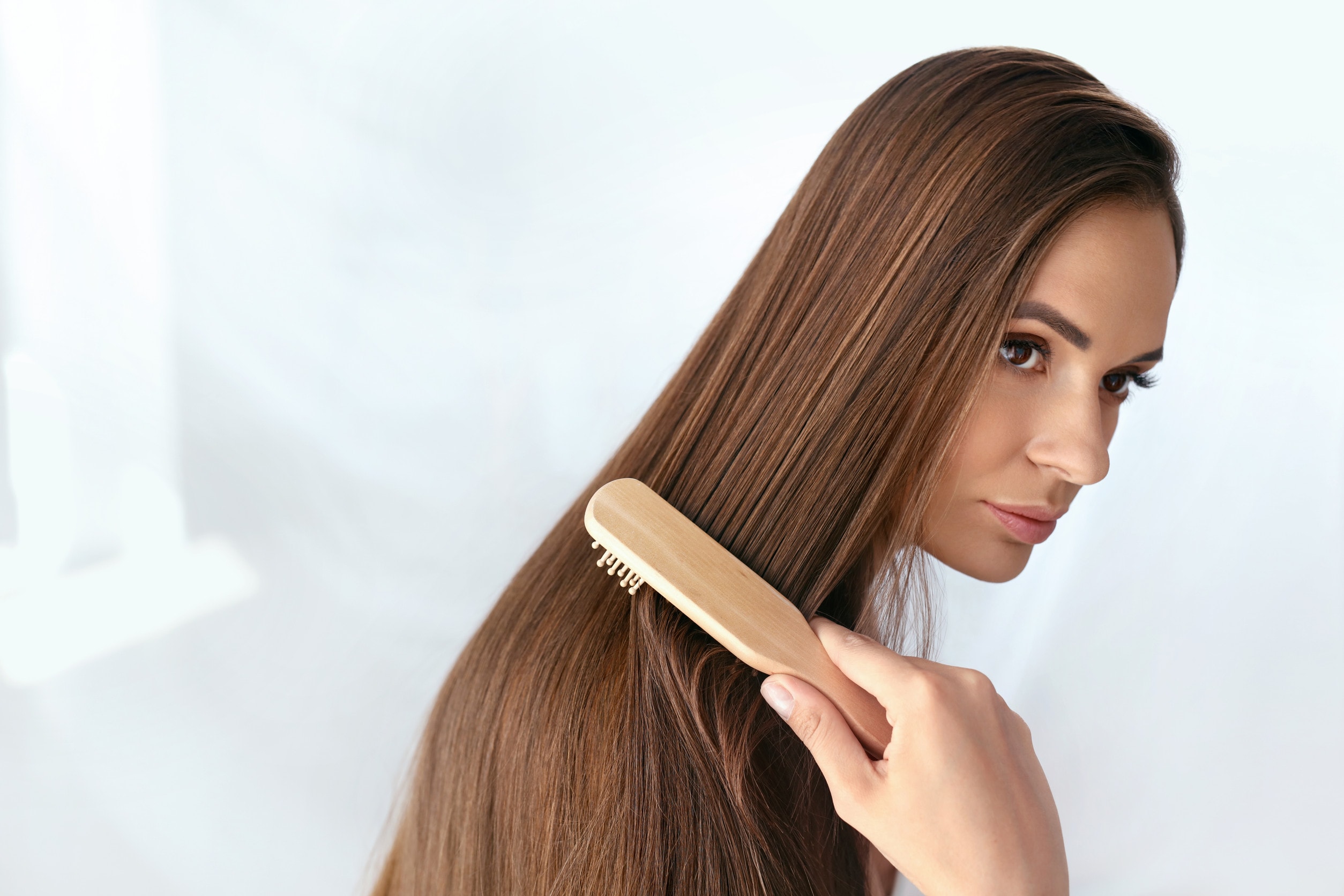
Post-hair transplant care is crucial to ensure a solid recovery and hair regrowth. Strictly following your doctor’s instructions is essential to avoid complications and ensure a smooth healing process.
Immediate post-transplant actions serve to protect the newly implanted grafts and promote a favorable environment for their engraftment . Paying utmost attention during the first days and weeks after surgery can make a huge difference in the final results.
Protect the grafts
After a hair transplant, protecting the grafts is vital to the success of the procedure.
During the first seven days, it’s essential to avoid touching your scalp to prevent damage to the follicles. It’s also recommended to stay in the shade or wear a hat to protect your scalp from the sun’s rays.
To maintain a humid environment around the grafts and promote recovery, one or two sprays of thermal water every hour for the first 24 hours are recommended.
It is recommended to pay attention to the grafts for a period of 15-20 days to ensure healthy and robust regrowth.
Avoid infections
Post-hair transplant infections are rare, but it is essential to follow proper precautions to prevent them .
Here are some measures to take:
- Use antibiotic creams to treat any whiteheads in the transplant area.
- Keep the area clean and dry.
- Avoid touching or scratching the transplant area.
- Follow your doctor’s instructions regarding post-operative care.
If whiteheads persist or cause concern, it is important to consult a doctor to receive the appropriate treatment .
Maintaining good scalp hygiene and following your surgeon’s instructions are essential to avoiding infections and ensuring a smooth recovery.
Reduce the risk of complications
The risk of complications can be reduced by following a few simple guidelines. Managing itching is important to avoid scratching and damaging the grafts, which could compromise the recovery process. Here are some tips for doing so effectively:
- Use specific shampoos for itching
- Follow your doctor’s instructions carefully.
- Apply recommended soothing creams or lotions
- Wear loose, breathable clothing to reduce irritation
- Avoid scratching the affected area to prevent damage
The first day after hair transplant
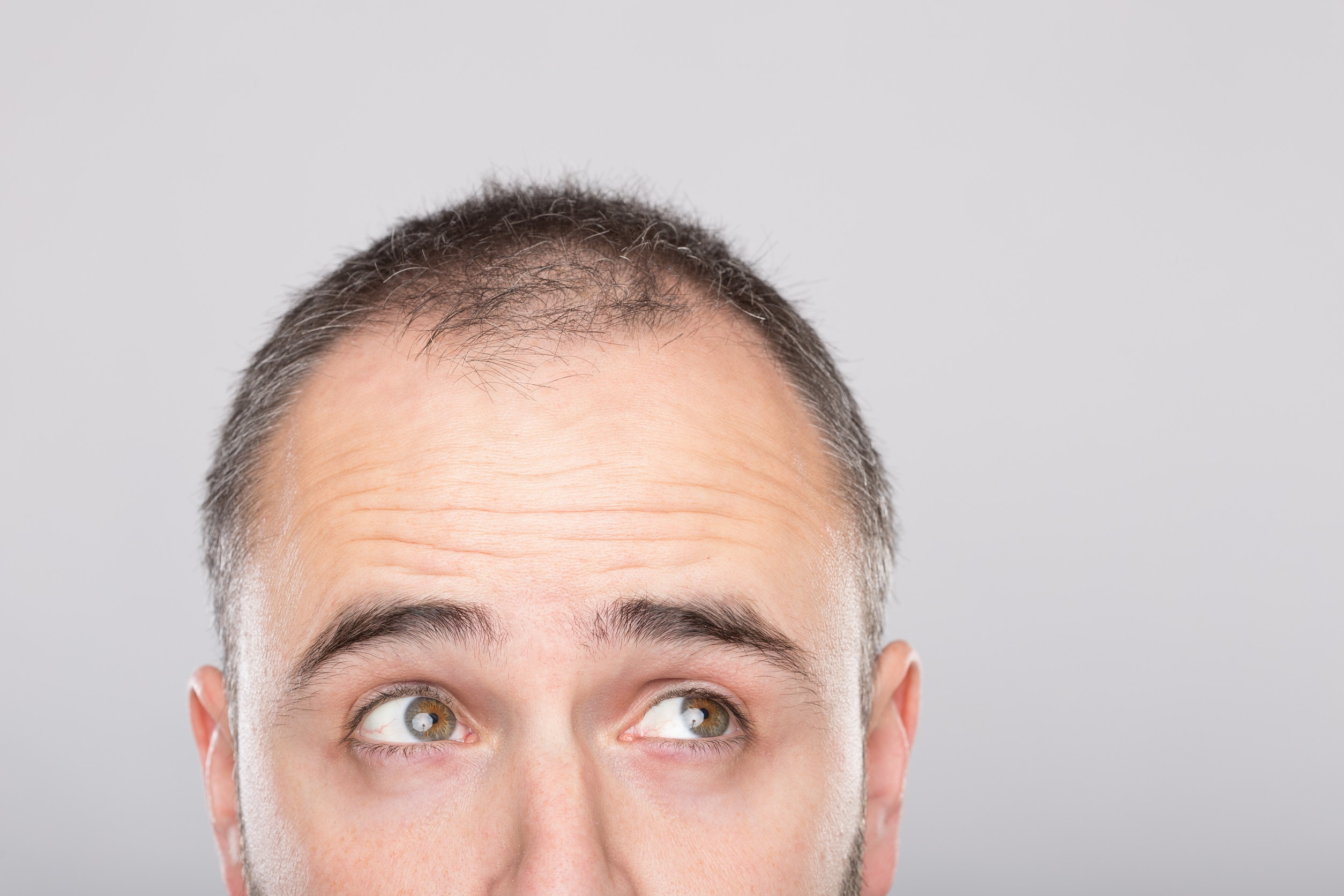
The first day after a hair transplant is crucial for a successful recovery . It’s essential to avoid alcohol and caffeine in the first few days after the transplant , as they can negatively impact the recovery process.
Furthermore, in the first seven days it is necessary to :
- Abstain from smoking
- Avoid long walks
- Don’t touch your scalp
- Avoid sexual intercourse
Swelling may occur around the donor and implanted areas in the first few days after the transplant. The use of ice and painkillers is recommended to relieve post-operative swelling and promote a more comfortable recovery.
Wearing the therapeutic band
Wearing the therapeutic wrap for at least 48 hours after surgery is helpful for supporting the operated area and promoting proper healing . The therapeutic wrap helps stabilize the treated area, reducing the risk of swelling and facilitating the healing process.
The first seven days: critical phase
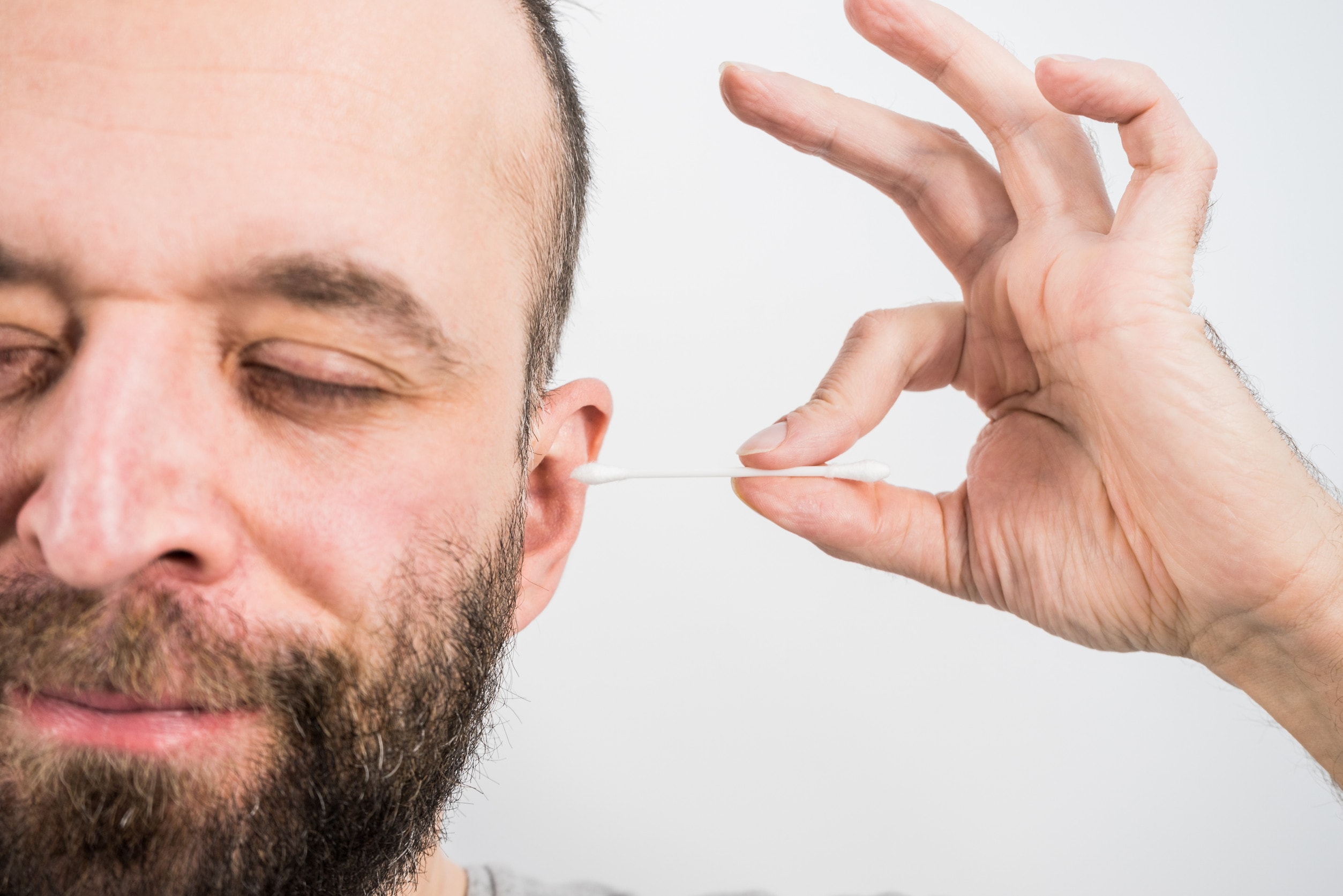
The first seven days after a hair transplant are a critical phase for recovery . During this time, facial swelling may occur and last up to six days. It is important to avoid touching, rubbing, or scratching the grafted area and not to direct the water jet directly onto the transplanted areas .
Regenerative medicine techniques can improve scalp recovery by facilitating cell regeneration and maintaining follicle vitality. Treatments such as PRP (Platelet Rich Plasma) accelerate cell regeneration , contributing to a faster recovery after surgery.
Washing your hair
The first post-transplant hair wash should take place on the fourth day after surgery . It is essential to use lukewarm water and low pressure when washing to avoid damaging the scalp.
Gently massaging the scalp in circular motions is essential to soften the crusts without detaching them prematurely. Following your doctor’s instructions for hair washing is important to avoid complications and promote optimal recovery.
Sleeping position
After a hair transplant, it is recommended to maintain a semi-seated position while sleeping to avoid pressure on the transplanted area . The ideal sleeping position is supine with the head tilted to avoid direct contact with surfaces.
Sleeping in an elevated position helps reduce swelling and protects the grafts, promoting a smooth recovery.
Nutrition and lifestyle
It is necessary to avoid smoking and alcohol for seven days following surgery to facilitate recovery and prevent complications.
Maintaining an adequate intake of vitamins and minerals is important to support hair recovery and promote healthy growth . Maintaining a healthy lifestyle and adhering to your doctor’s instructions can make a big difference in the final results of your hair transplant.
From the seventh to the fifteenth day: continuous attention
From the seventh to fifteenth day post-transplant, continuous attention is essential to ensure a complete recovery. During the first week, it is essential not to remove the scabs that form on the scalp . Avoiding touching, rubbing, or scratching the treated areas is crucial for recovery.
It’s also recommended to avoid strenuous physical activity for at least two weeks after surgery to prevent complications. Following your doctor’s instructions and taking the right precautions during this phase can ensure a better and longer-lasting result.
Scab Care
Following the medical team’s recommendations for caring for scabs after the transplant is essential to ensure proper healing. It’s advisable to use a gentle cleanser and wait a few days before wetting your hair.
Do not remove the scabs that form after the transplant, as they are part of the healing process . The scabs tend to disappear within 7-10 days , starting to fall off between the ninth and tenth day.
Light physical activity
It is not possible to resume strenuous physical activity until fifteen days after hair transplantation . It is recommended to refrain from strenuous sports activities for at least fifteen days after surgery. Gradually resuming light physical activity is important to avoid complications and promote complete recovery.
Avoid sun exposure
Protecting your scalp from the sun’s rays is essential . This helps ensure the success of the transplant. Sun exposure is not recommended until you’re fully healed to avoid discoloration of the skin at the transplanted sites.
Using hats or high-SPF sunscreen until your scalp has fully recovered is an essential preventative measure. Adopting these precautions will help maintain the health of your grafts and prevent damage caused by sun exposure.
One month after hair transplant
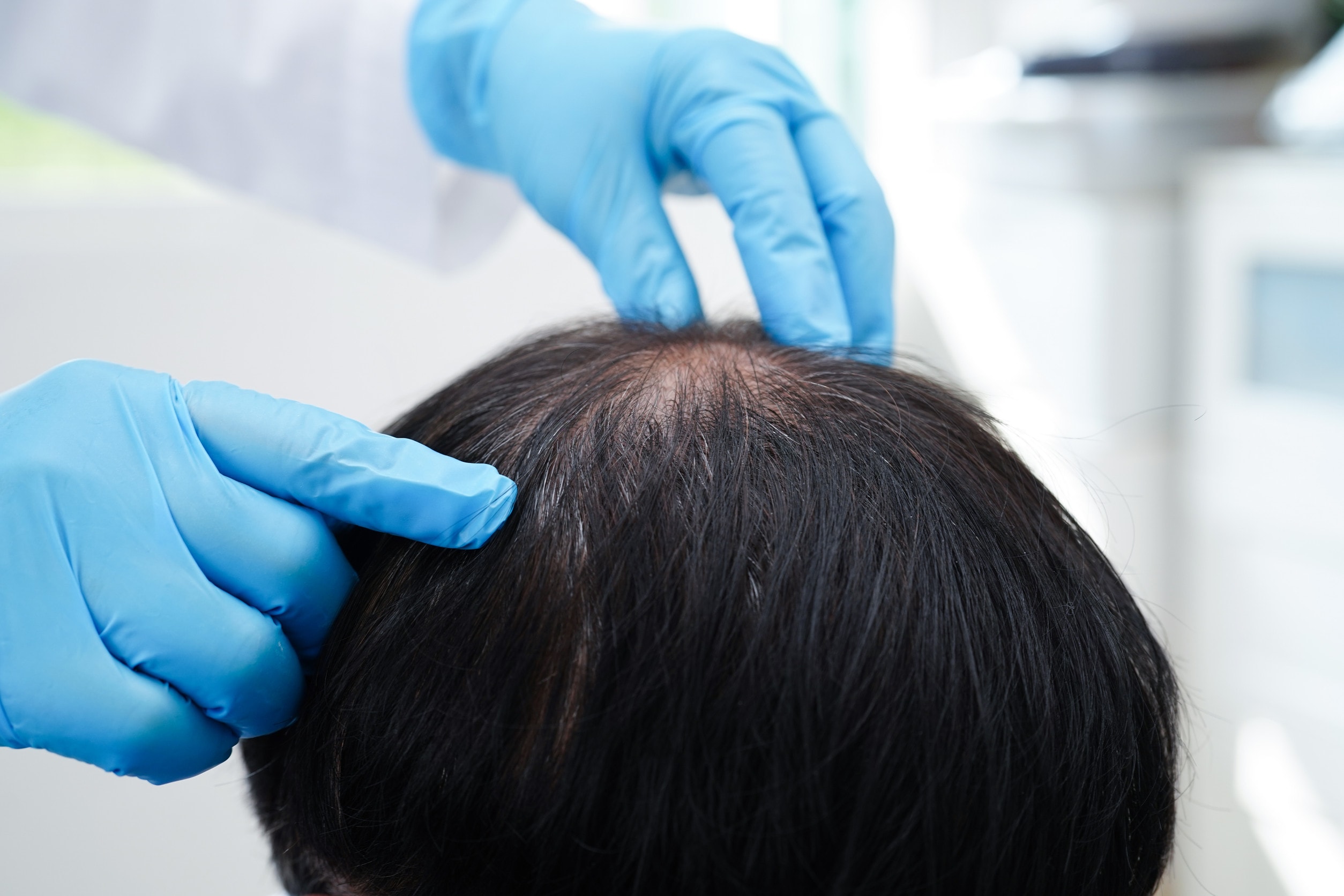
Dopo un mese dal trapianto di capelli, è possibile iniziare a vedere i primi segni di ricrescita e riprendere gran parte delle attività quotidiane, ma sempre con cautela. Gli impianti iniziano a crescere e a integrarsi con il cuoio capelluto circa 4-6 mesi dopo l’intervento.
La perdita da shock potrebbe verificarsi intorno ai tre mesi dopo il trapianto, ma è un fenomeno temporaneo e i capelli ricresceranno più forti e folti. È importante continuare a seguire le indicazioni del medico e adottare le giuste precauzioni per garantire un efficace ritorno alla normalità.
Ripresa delle abitudini quotidiane
Dopo un mese dal trapianto, è possibile riprendere gran parte delle attività quotidiane, ma è potrebbe essere consigliato continuare a evitare l’assunzione di aspirina poiché aumenta il rischio di sanguinamento (chiedi al tuo chirurgo!). Per asciugare i capelli, si possono utilizzare asciugamani e fazzoletti di carta per evitare di danneggiare gli innesti.
Riprendere le abitudini quotidiane con cautela è essenziale per garantire un buon recupero e prevenire complicazioni. Seguire le linee guida del medico e adottare le giuste precauzioni aiuterà a mantenere la salute dei capelli trapiantati.
Uso di prodotti specifici
L’uso di shampoo delicati e specifici è raccomandato per mantenere la salute dei capelli trapiantati. Shampoo privi di sostanze chimiche aggressive aiutano a proteggere il cuoio capelluto e favoriscono un recupero rapido.
Le terapie rigenerative possono migliorare la qualità e l’aspetto dei capelli, rendendoli visibilmente più sani e voluminosi. Seguire le indicazioni del medico riguardo ai prodotti da utilizzare è fondamentale per ottenere i migliori risultati possibili.
Monitoraggio della ricrescita
Il monitoraggio della crescita dei capelli è essenziale per valutare l’efficacia del trapianto nei primi sei mesi. La crescita dei nuovi capelli può richiedere fino a sei mesi per manifestarsi visibilmente, ed è importante tenere traccia dei progressi.
Dopo 4-6 mesi, si può iniziare a vedere un miglioramento significativo nella densità dei capelli. Monitorare attentamente la ricrescita aiuta a identificare eventuali problemi e a intervenire tempestivamente per garantire il successo del trapianto.
La medicina rigenerativa nel post trapianto di capelli
La medicina rigenerativa è di primaria importanza per migliorare i risultati dei trapianti di capelli. Utilizzando una tecnica avanzata, la medicina rigenerativa può migliorare l’attecchimento delle unità follicolari e promuovere la rigenerazione dei follicoli piliferi.
Questi trattamenti innovativi supportano la riparazione dei tessuti e promuovono la crescita dei capelli, ottenendo risultati più naturali e duraturi. La medicina rigenerativa rappresenta una svolta nel trattamento della calvizie, offrendo soluzioni efficaci e a lungo termine.
Stabilizzazione della calvizie
La medicina rigenerativa si occupa di stimolare la crescita dei capelli attraverso tecniche innovative che favoriscono la salute dei follicoli. I trattamenti rigenerativi possono ridurre l’infiammazione, migliorare la circolazione sanguigna e potenziare i meccanismi naturali di riparazione del cuoio capelluto.
Supporto al recupero
La medicina rigenerativa svolge un ruolo cruciale nel migliorare i risultati del trapianto di capelli, accelerando il processo di recupero e riducendo le complicazioni. Utilizzando tecnologie avanzate, la medicina rigenerativa aiuta a stabilizzare la calvizie, promuovendo la salute dei follicoli piliferi.
Miglioramento estetico
L’applicazione di trattamenti rigenerativi è in grado di rendere i risultati del trapianto di capelli più naturali e duraturi. Le tecniche di medicina rigenerativa possono generare risultati più naturali nel ripristino dei capelli.
Il trattamento con concentrato autologo rigenerativo aiuta a uniformare lo spessore dei capelli, rendendo indistinguibili quelli trapiantati da quelli nativi.
Effetti collaterali comuni e loro gestione
Gli effetti collaterali comuni dopo un trapianto di capelli possono includere:
- Prurito
- Irritazione
- Perdita da shock
- Foruncoli bianchi
Andiamo qui a descriverli in modo più dettagliato.
Perdita da shock
La perdita da shock è un fenomeno comune che può verificarsi dopo un trapianto di capelli, in cui i capelli innestati possono cadere temporaneamente. Questo fenomeno è solitamente temporaneo e può colpire fino all’80% dei pazienti che hanno subito un trapianto di capelli e possono anche sperimentare alopecia.
La perdita da shock si verifica quando i capelli trapiantati cadono per un periodo prima di ricrescere, ed è una parte normale del processo di recupero. È importante rassicurare che i capelli ricresceranno più forti una volta superata questa fase.
Prurito e irritazione
Itching is a common sensation after a hair transplant and must be managed to promote recovery. It’s important not to scratch your scalp to avoid damaging the implants.
Using shampoos with soothing ingredients can significantly reduce post-operative scalp itching and irritation. Following your doctor’s instructions regarding the products to use is essential to minimize risks and promote a smooth recovery.
White boils
Whiteheads usually appear two to four weeks after surgery . These boils may appear in the transplanted area as a side effect of the procedure.
The appearance of whiteheads is not a cause for concern ; it’s important to maintain proper hygiene and follow your doctor’s instructions. Properly managing these side effects helps ensure optimal recovery and a successful transplant, especially when you’re on the front lines of your health.
Conclusion
In short, post-hair transplant recovery requires attention and dedication to ensure the success of the procedure. Protecting the grafts, avoiding infections, and reducing the risk of complications are key steps for a successful recovery. Following your doctor’s guidelines and instructions is essential to achieving the best possible results. Regenerative medicine plays a significant role in improving hair transplant outcomes, offering innovative treatments that promote follicle regeneration and improve overall aesthetics.
Frequently Asked Questions
What are the most important post-hair transplant treatments?
The most important post-hair transplant care includes protecting the grafts, preventing infections, and adhering to your doctor’s instructions to reduce the risk of complications.
How long does it take to see hair transplant results?
Visible results of hair transplantation begin to be noticed approximately six months after the procedure, with a significant improvement in density within 4-6 months.
What is shock loss?
Shock hair loss is a temporary phenomenon in which the grafted hair initially falls out, then grows back stronger. It’s important to know that this process is normal and part of the hair growth cycle.
Can I exercise after a hair transplant?
It is essential to refrain from strenuous physical activity for at least two weeks after the hair transplant, gradually resuming light exercise thereafter.
How can I manage itching after a hair transplant?
It is essential to use shampoos with soothing ingredients and follow your doctor’s directions to relieve itching and scalp irritation.
