Post-abdominoplasty problems are common and can include infections, seromas, and poor healing. This article will guide you through the most common complications and how to manage them to ensure a successful recovery.
In a nutshell
- Post-operative complications of abdominoplasty may include seromas, infections, and healing problems, which require professional management for resolution .
- It is essential to maintain open communication with your surgeon and follow his or her instructions to optimize recovery and cosmetic results.
- Scars after abdominoplasty are inevitable , but they can be improved with appropriate treatments and proper care of the affected area.
Problems after tummy tuck: an overview
Plastic surgery, like any other medical procedure, carries risks that must be carefully considered. The table below lists the most common problems that may arise after abdominoplasty, and the solutions to effectively address them.
| Problem | Description | Solution |
|---|---|---|
| Seroma | Fluid in the surgical area | ✅ Drainage and medical monitoring |
| Infections | Bacteria through incisions | ✅ Antibiotics and hygiene |
| Visible Scars | Scars varying in length and appearance | ✅ Silicone gel and laser treatments |
| Skin Necrosis | Cell death due to insufficient blood | ✅ Removal of necrotic tissue |
| Wound Healing | Difficulty in healing | ✅ Compression and hygiene |
| Pulmonary Embolism | Blood clots in the lungs | ✅ Heparin and compression stockings |
| Aesthetic Problems | Unsatisfactory results | ✅ Corrective interventions |
| Pain and Sensitivity | Pain and loss of sensation | ✅ Painkillers and post-operative instructions |
Postoperative complications, therefore, can be diverse and vary greatly from patient to patient. Adequate preparation for surgery and proper recovery management can significantly reduce the risks of abdominoplasty .
In all of this, the surgeon’s role is crucial , as he or she must preemptively analyze the potential patient, prepare them, operate on them, and then have them adopt all post-operative measures to minimize potential complications. For this very reason, it is essential to choose a highly professional surgeon .
Risks of abdominoplasty
Abdominoplasty surgery can carry several risks, including infection and cosmetic complications.
Pain and skin sensitivity , for example, are common symptoms patients may experience after surgery. Fortunately, these symptoms tend to improve over time and can be effectively managed with the right treatments. Next, we’ll explore in detail the risks, postoperative complications, and how to manage pain and skin sensitivity.
Skin necrosis is a rare complication that can occur due to insufficient blood flow during surgery. When skin tissues lack adequate blood flow, skin necrosis can occur, leading to cell death.
Furthermore, infections are one of the complications that can result from inadequate surgical technique or unrealistic expectations.
Post-operative complications
Postoperative complications are a reality that many patients face after surgery.
Carefully monitoring the surgical site and maintaining open communication with your surgeon can help identify and treat complications such as seroma early . Proper management of these complications is essential for optimal recovery and preventing more serious problems.
Pain and skin sensitivity
Abdominoplasty involves some pain, which is generally considered manageable . The discomfort usually subsides significantly within a week of surgery. However, it is normal to experience a temporary loss of sensation in the skin after the procedure.
Skin sensitivity tends to gradually recover over time after abdominoplasty . Patients may find relief through the use of pain medications prescribed by the surgeon and by following post-operative instructions. It’s important to remember that every patient is different and recovery time may vary .
Seroma after abdominoplasty surgery

One of the most common complications after abdominoplasty is a seroma. This problem occurs due to fluid buildup in the tissues, which can accumulate in the surgical area . It can also occur due to poor adhesion between the surgical flap and the underlying surface. A seroma may require postoperative monitoring by the surgeon.
Symptoms of seroma include swelling and tenderness in the affected area . Patients may notice increased volume and pain in the abdominal area where the surgery was performed.
There are several methods to treat seroma, including:
- Surgical drainage : This involves inserting a cannula to allow accumulated fluid to drain. This method is often performed immediately after surgery to prevent accumulation and reduce the risk of complications.
- Needle aspiration : In cases where the seroma forms after drain removal, the doctor may use a syringe with a thin needle to aspirate the excess fluid. This procedure can be repeated several times if necessary.
- Compression and monitoring : In some situations, small seromas may reabsorb spontaneously over time. The use of a compression garment and regular monitoring help manage the condition without the need for invasive procedures.
- Sclerosants or additional therapies : in persistent seromas, the doctor may opt to inject sclerosing substances to promote tissue adhesion and prevent new fluid collections.
Each case is evaluated individually by the surgeon, who chooses the most appropriate treatment based on the size of the seroma and the patient’s symptoms.
Scars after abdominoplasty
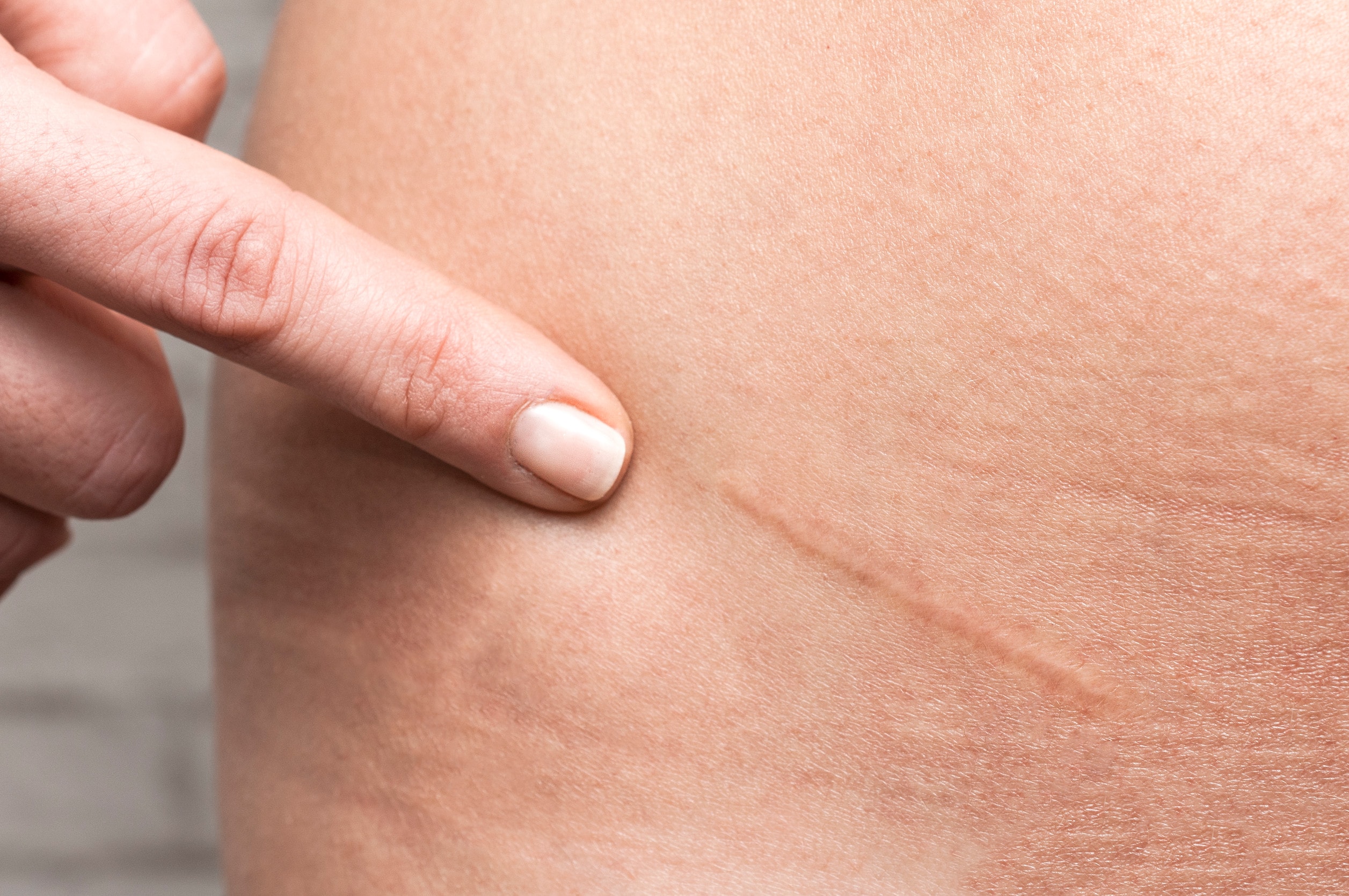
Abdominoplasty scars are inevitable, but their appearance can improve with proper post-operative care . Post-abdominoplasty scars vary in length and appearance depending on the surgical technique used, thus affecting aesthetic satisfaction after the procedure.
Exploring scar types, treatments, and preventative measures can help patients better manage this complication and achieve the best possible outcomes.
Types of scars
The most common scars after a tummy tuck include:
- The scar from a mini-tummy tuck is short and positioned above the pubic area
- The scar from a standard abdominoplasty is long and horizontal along the pubic area.
Poor cosmetic results may include visible scarring or asymmetry that can be corrected through revision procedures .
Scar Treatments
To improve the appearance of post-surgical scars, several methods are often used, including:
- Laser therapy : helps reduce the thickness and redness of scars, stimulating skin regeneration. It can be effective for hypertrophic scars and keloids.
- Steroid injections : These are used to soften thickened or keloid scars by reducing inflammation and lifting the scar tissue.
- Silicone gel sheets : Applied to the scar, they help keep the skin hydrated and reduce the risk of hypertrophic or keloid scars. They are particularly effective when used in the early stages of healing.
- Chemical peels : These can be used to even out the color of the scar and improve the texture of the surrounding skin, promoting cell turnover.
- Microneedling : through micro-perforations of the skin, it stimulates collagen production, improving texture and reducing the appearance of scars.
- PRP (Platelet Rich Plasma) therapy : uses growth factors present in the patient’s blood to promote skin regeneration and improve the appearance of scars.
- Massages and treatments with specific creams : products based on vitamin E, hyaluronic acid or other active ingredients can improve the elasticity and appearance of the skin.
The choice of the most suitable treatment depends on the type of scar and the individual characteristics of the patient.
Prevention of scars (common in cosmetic surgery)
Following your surgeon’s instructions and keeping the incision area clean can help reduce the visibility of scars after healing.
Wearing compression garments post-surgery can help reduce swelling and support the abdomen , improving healing .
Post-operative infections
If an infection develops after an abdominoplasty, the patient may experience fever and notice redness or swelling in the surgical area. Infections may also manifest as pus discharge or increased skin sensitivity in the surgical area.
The skin around the navel may feel warm and swollen if a postoperative infection develops. Redness or warmth in the operated area may indicate a postoperative infection.
Infections after abdominoplasty can result from bacteria entering the body through surgical incisions. The risk of infection increases with the duration of surgery.
The choice of the facility where the surgery is performed and the surgeon’s professionalism are of primary importance to avoid post-abdominoplasty infections.
Proper home wound care , including sterilization and the use of appropriate dressings , is essential for successful healing. The use of medications such as antibiotics and anti-inflammatories can reduce the risk of infection and improve healing after abdominoplasty.
Postoperative infections can be effectively treated with specific antibiotics and, if necessary, drainage of the infected area. In some cases, infections may require surgical drainage to remove accumulated pus.
Wound healing problems

After abdominoplasty surgery, wound healing difficulties may arise , which can affect recovery and the final results of the procedure. Infections after abdominoplasty are rare, but can occur if proper hygiene protocols are not followed.
Infections that occur after surgery such as abdominoplasty can include wound infections and more serious infections requiring medical treatment. To reduce the risk of infection, it is essential to carefully follow your surgeon’s post-operative instructions.
Keeping the wound clean and dry, as well as following your surgeon’s instructions regarding dressings, is crucial to preventing complications.
Causes of poor healing
Factors such as smoking , obesity , and malnutrition can significantly impair wound healing after surgery. Smoking can impair blood circulation and delay healing.
Inoltre, l’età avanzata e alcune condizioni mediche possono ostacolare il processo di guarigione. Segnali di infezione post-operatoria includono arrossamento, gonfiore e secrezione purulenta dalla ferita.
Trattamenti per migliorare la guarigione
La compressione aiuta a ridurre il gonfiore e migliora il processo di guarigione post-operatoria. L’uso di guaine compressive può contribuire significativamente a una migliore guarigione delle ferite.
Le fasce elastiche addominali post-operatorie sono raccomandate per migliorare il supporto e la compressione della zona operata. Applicare strategie di compressione adeguate è fondamentale per ottimizzare i risultati della guarigione.
Ruolo del chirurgo nella guarigione nella chirurgia plastica
Seguire attentamente le indicazioni del chirurgo è essenziale per ottimizzare la guarigione e prevenire complicazioni. I controlli post-operatori permettono al chirurgo di monitorare la guarigione e apportare eventuali modifiche al piano di recupero.
Le istruzioni del chirurgo riguardo alle medicazioni e alle posizioni di riposo sono cruciali per facilitare una guarigione ottimale. Non seguire le indicazioni del chirurgo può portare a ritardi nella guarigione e a complicazioni indesiderate.
Altri problemi dopo addominoplastica
Alcune complicazioni meno comuni che possono verificarsi includono problemi di guarigione e trombosi. L’addominoplastica può essere combinata con altri interventi di chirurgia estetica, come la liposuzione, per migliorare ulteriormente l’aspetto fisico complessivo.
Dopo un intervento di addominoplastica, i risultati attesi includono un addome più piatto e tonico, oltre a un profilo corporeo migliorato.
Embolia polmonare
L’embolia polmonare può verificarsi a causa di coaguli di sangue che si distaccano e raggiungono i polmoni. Il rischio può essere ridotto con la profilassi di eparina e l’uso di calze elasto-compressive.
Monitorare attentamente i sintomi e seguire le istruzioni del chirurgo può prevenire questa grave complicanza.
Necrosi della pelle
La necrosi cutanea si verifica quando i tessuti non ricevono sufficiente irrorazione sanguigna post-intervento. Il trattamento può includere la rimozione chirurgica del tessuto necrotico e la terapia di supporto.
In casi più gravi, può essere necessario un intervento di ricostruzione o l’uso di innesti cutanei per riparare i tessuti danneggiati.
Problemi estetici
Risultati estetici insoddisfacenti possono richiedere interventi correttivi per migliorare l’aspetto finale. Correzioni estetiche possono essere effettuate attraverso interventi chirurgici aggiuntivi o trattamenti non chirurgici.
Discutere le opzioni con il proprio chirurgo è fondamentale per raggiungere i risultati desiderati.
Conclusione
In short, abdominoplasty is a plastic surgery procedure that can offer significant aesthetic results, but it also carries a number of risks and complications. It’s essential to be aware of potential postoperative complications , such as seroma, scarring, and infections, so you can address them promptly and appropriately.
Following your surgeon’s instructions and maintaining open communication with your medical team can make a difference in your recovery and final outcomes . Preventing complications begins with proper postoperative care and diligent wound care .
By consciously addressing these issues, patients can improve their healing journey and achieve their desired aesthetic goals .
FAQ
What are the main risks of abdominoplasty surgery?
The main risks of abdominoplasty include infection, skin necrosis, and dissatisfaction with the aesthetic results. It’s essential to consider these aspects before proceeding with the procedure.
What is a seroma and how is it treated?
A seroma is a fluid accumulation that occurs in the surgical area after surgery. Treatment generally involves draining the accumulated fluid.
How can I prevent visible scars after a tummy tuck?
To prevent visible scars after a tummy tuck, it’s essential to follow your surgeon’s instructions and keep the incision area clean to prevent infection. Additionally, wearing compression garments post-surgery helps promote better healing.
What are the symptoms of a post-operative infection?
Symptoms of a postoperative infection include fever, redness, swelling, and pus in the operated area. It’s important to monitor these signs for prompt medical attention.
What factors can compromise wound healing?
Wound healing can be compromised by factors such as smoking, obesity, and malnutrition. Adopting a healthy lifestyle is essential to promote the healing process.
