
In this article you will find out what gynecomastia is and what the benefits and risks of the operation are.
In a nutshell
- Gynecomastia surgery reduces the volume of the male breast , improving the patient’s chest appearance and psychological well-being.
- Preparation for surgery is essential , including pre-operative visits, choosing an experienced surgeon, and taking specific precautions to reduce risks.
- The results of the surgery tend to be long-lasting , but it is essential to adopt a healthy lifestyle and monitor your weight to maintain the improved appearance over time.
Gynecomastia Surgery: An Overview

Gynecomastia surgery is a cosmetic procedure aimed at reducing the size of male breasts, thus improving the appearance of the chest . This procedure not only eliminates excess breast tissue, but also helps restore self-confidence and psychological well-being .
Causes of gynecomastia
Gynecomastia is characterized by an increase in breast tissue in men, often linked to hormonal imbalances such as increased estrogen or decreased testosterone . This condition can develop in various situations, such as during puberty , or be induced by specific medications . The causes of gynecomastia can therefore be very varied and also include genetic factors and lifestyle .
It is important to identify the specific cause to determine the most appropriate treatment.
Types of gynecomastia
There are different types of gynecomastia, each with specific characteristics.
- True gynecomastia is characterized by an increase in glandular tissue
- Pseudogynecomastia is mainly caused by an accumulation of adipose tissue.
- The mixed form of gynecomastia , which involves both an increase in glandular and adipose tissue.
The distinction between these types is crucial in determining the most appropriate type of surgery for each patient.
Preparation for gynecomastia surgery

Preparing properly for gynecomastia surgery is essential to ensure an optimal result and reduce the risk of complications .
Preparation includes preoperative visits, specific precautions, and the selection of an experienced surgeon. Below, we explore these in more detail.
Pre-operative visit
During this phase, the surgeon will evaluate the patient’s medical history , examine the shape and size of the chest , and discuss expectations regarding the surgery.
It’s essential to inform your surgeon of any recent infections or illnesses, as this may require postponing the procedure. This visit allows for detailed planning and the implementation of all necessary precautions to ensure the patient’s safety.
Pre-operative precautions
It is recommended to avoid taking anticoagulant drugs and stop smoking at least four weeks before and after surgery.
Additionally, you must fast from the night before surgery and remove any jewelry, piercings, or rings to ensure your safety during anesthesia. Carefully following the surgeon’s instructions is essential to minimize postoperative complications.
Choice of surgeon
It is crucial to choose an experienced plastic surgeon who specializes in gynecomastia plastic surgery to ensure satisfactory results and reduce the risk of complications.
Checking the surgeon’s credentials and reviews, as well as previous surgical outcomes , can help you make the right choice. A competent surgeon with specific experience in gynecomastia is essential for a safe and successful procedure.
Details of the surgery
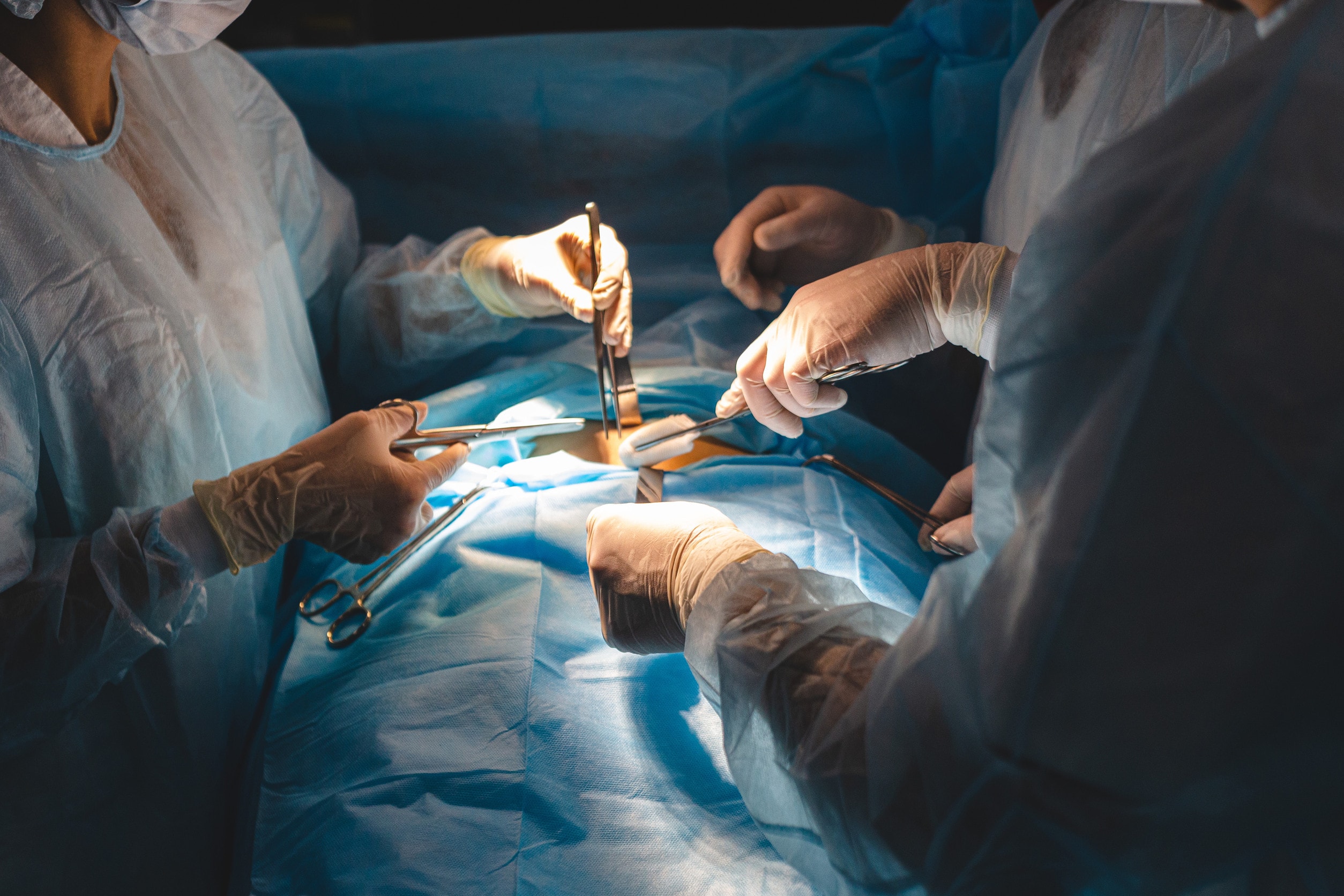
Gynecomastia surgery aims to remove excess fat and breast tissue to improve the appearance of a man’s chest. The procedure may vary depending on the severity of the condition and the surgical techniques used.
Anesthesia
Gynecomastia surgery can be performed under either local or general anesthesia , depending on the complexity of the case and the patient’s preferences. Local anesthesia combined with sedation is usually sufficient for less severe cases , while general anesthesia is necessary for more complex procedures.
Ensuring patient comfort during surgery is crucial, and proper anesthesia management helps reduce pain and anxiety .
Surgical techniques
During gynecomastia surgery, several surgical techniques are used to remove excess fat and glandular tissue.
Table of the main surgical techniques for gynecomastia
| Surgical Technique | Description | Advantages | Disadvantages |
|---|---|---|---|
| Liposuction | Removal of excess adipose tissue through suction. | Minimizes scarring, improves chest shape. | Not suitable for the removal of dense glandular tissue. |
| Surgical excision | Direct removal of glandular tissue through incisions. | Effective for true gynecomastia and mixed forms. | It may leave more noticeable scars. |
| Combined technique | It combines liposuction and excision to remove both fat and glandular tissue. | Comprehensive approach for cases of mixed gynecomastia. | It requires advanced surgical skills and may have longer recovery times. |
| Periareolar incision | Incisions around the areola to minimize the visibility of scars. | Less visible scars, better aesthetic results. | Limited to the removal of tissue near the areola. |
| Laser lipolysis | Using lasers to melt fat before liposuction. | Reduces tissue trauma, improves skin contour. | Not always effective for dense glandular tissue. |
One of the most common techniques involves incisions around the areola to remove glandular tissue, while liposuction is used to improve the shape of the chest .
In some cases, large amounts of tissue need to be removed, requiring larger incisions around the areola. Scars may require revision if they haven’t healed properly or are too visible.
Duration and methods with respect to the type of intervention
Gynecomastia surgery generally lasts from one to two hours, depending on the complexity of the case . In some cases, the procedure can be performed as a day case, allowing the patient to return home the same day.
However, for more invasive surgeries, a one or two-night stay may be necessary to monitor the initial healing process . This allows any immediate complications to be managed and ensures a safe recovery.
Post-operative and recovery

The postoperative period is crucial to achieving the desired results and requires regular checkups and adherence to the surgeon’s instructions. Following medical instructions is essential to optimize the healing process.
Dressings and compression sheath
Immediately after surgery, a compression dressing is applied to manage edema and swelling. The compression garment is essential for reducing swelling and bruising and must be worn for 4-6 weeks post-surgery to ensure proper healing.
The use of a compression garment is essential to contain swelling and protect the sutures after surgery . Patients should obtain an elastic garment to wear for at least four weeks after surgery.
Pain relief and antibiotic therapy
Doctors prescribe painkillers to manage post-operative pain , and antibiotics to prevent infections during the recovery period.
Postoperative infections may develop at the surgical site and require antibiotic treatment. It is essential to carefully follow your surgeon’s instructions regarding medication use to ensure a smooth recovery.
Periodic checks
Regular checkups are essential to monitor your healing progress and address any complications . These checkups allow you to identify any problems early and take the necessary steps to resolve them.
Complications of plastic surgery and management of any problems

As with any surgical procedure, gynecomastia surgery can cause complications, such as bleeding, infection, and reactions to anesthesia.
Proper management of these complications is essential to ensure the success of the operation and the well-being of the patient .
Common complications
The most common post-operative complications include hematomas, scar tissue hypertrophy, and changes in nipple sensation . Hematomas can cause swelling and pain, but they usually resolve with time and appropriate medical management.
Infections are another potential postoperative complication, which can occur if proper hygiene practices are not followed. Temporary loss of nipple sensation is a common complication and can occur following surgery.
Asymmetries and scar revision
After surgery, chest asymmetries may occur, requiring corrective interventions to improve the aesthetic appearance. Asymmetries can manifest themselves in terms of breast shape or size and can affect the overall outcome of the procedure.
If significant, corrective surgeries may be performed six months after the initial procedure to ensure complete healing and tissue stabilization. Scar revision may be necessary if they have not healed properly or are excessively visible.
Prevention of complications following cosmetic surgery
Preoperative preparation is crucial to minimize the risk of complications and ensure a safe procedure. Avoiding smoking, alcohol, and certain medications before surgery is essential to reduce the risk of complications.
Proper use of dressings and postoperative compression garments helps prevent infections and promotes optimal healing. Prescribed pain medication and antibiotics are essential for managing pain and preventing postoperative complications.
Regular check-ups after surgery are necessary to monitor the healing process and address any problems early.
Results and expectations
Gynecomastia surgery is often performed to improve the physical appearance of most men with excess breast tissue.
After surgery, many patients notice an immediate improvement in chest contour , and the results tend to be long-lasting due to the removal of excess tissue.
Immediate results
Immediately after surgery, patients may notice a visible decrease in breast volume . Greater definition of the chest profile, with a flatter, more toned chest , is common .
This immediate improvement can have a significant positive impact on the patient’s self-esteem and psychological well-being . The figure appears visibly improved, contributing to greater physical confidence.
Evolution over time
Over time, the results of gynecomastia surgery may further improve as the body adjusts to the changes. Aesthetic results continue to improve due to tissue stabilization and swelling reduction .
Over the course of a few months, the scars fade and the skin adapts to the new shape of the body, contributing to a more natural appearance. Reduction in inflammation and the healing process complete the aesthetic improvement over time.
Maintaining results
Before
To maintain the results of the procedure, it is recommended to follow a healthy lifestyle and monitor your weight . A balanced diet and maintaining a stable body weight are essential to preserving the results achieved.
After
To maintain the results of the intervention, it is recommended to follow:
- A healthy lifestyle
- Monitor your weight
- Adopt a balanced diet
- Maintain a stable body weight
Regular exercise and a healthy lifestyle help maintain long-term results . It’s important to avoid significant weight gain , which could compromise the aesthetic appearance achieved with the procedure.
Conclusion
Gynecomastia surgery offers a permanent solution for men who wish to reduce breast volume and improve the appearance of their chest . Proper preparation , choosing an experienced surgeon , and following post-operative instructions are essential to achieving optimal results. With the right approach, you can achieve a more toned silhouette and greater self-confidence.
Frequently Asked Questions
What is gynecomastia?
Gynecomastia is a condition characterized by enlarged breast tissue in men, usually due to hormonal imbalances. It’s important to consult a doctor for a diagnosis and possible treatment.
What causes gynecomastia?
Gynecomastia is mainly caused by hormonal imbalances, genetic factors, and exposure to certain medications or substances.
What are the types of gynecomastia?
The main types of gynecomastia include true gynecomastia, pseudogynecomastia, and mixed gynecomastia. Each of these types has different causes and characteristics.
What are the pre-operative precautions for gynecomastia surgery?
It is essential to abstain from smoking, alcohol, and anticoagulant drugs before gynecomastia surgery, fast from the previous night, and remove jewelry and piercings.
How long does it take to recover after gynecomastia surgery?
Recovery from gynecomastia surgery can take several weeks, during which it is essential to wear a compression garment and follow your surgeon’s instructions for pain management and progress monitoring.
