In this article, we explain how laser liposuction works. You’ll discover its benefits, costs, and what to expect after the procedure.
In a nutshell
- Laser liposuction is a cosmetic surgery procedure that uses laser technology to eliminate unwanted fat, offering superior aesthetic results and less invasiveness .
- This procedure aims to reshape different areas of the body, including the abdomen, hips and neck, using advanced laser technologies that allow for targeted action and scar reduction .
- Ideal candidates for laser liposuction are healthy adults with localized fat , while the cost of the procedure varies based on the area treated and includes post-operative services.
What is laser liposuction?
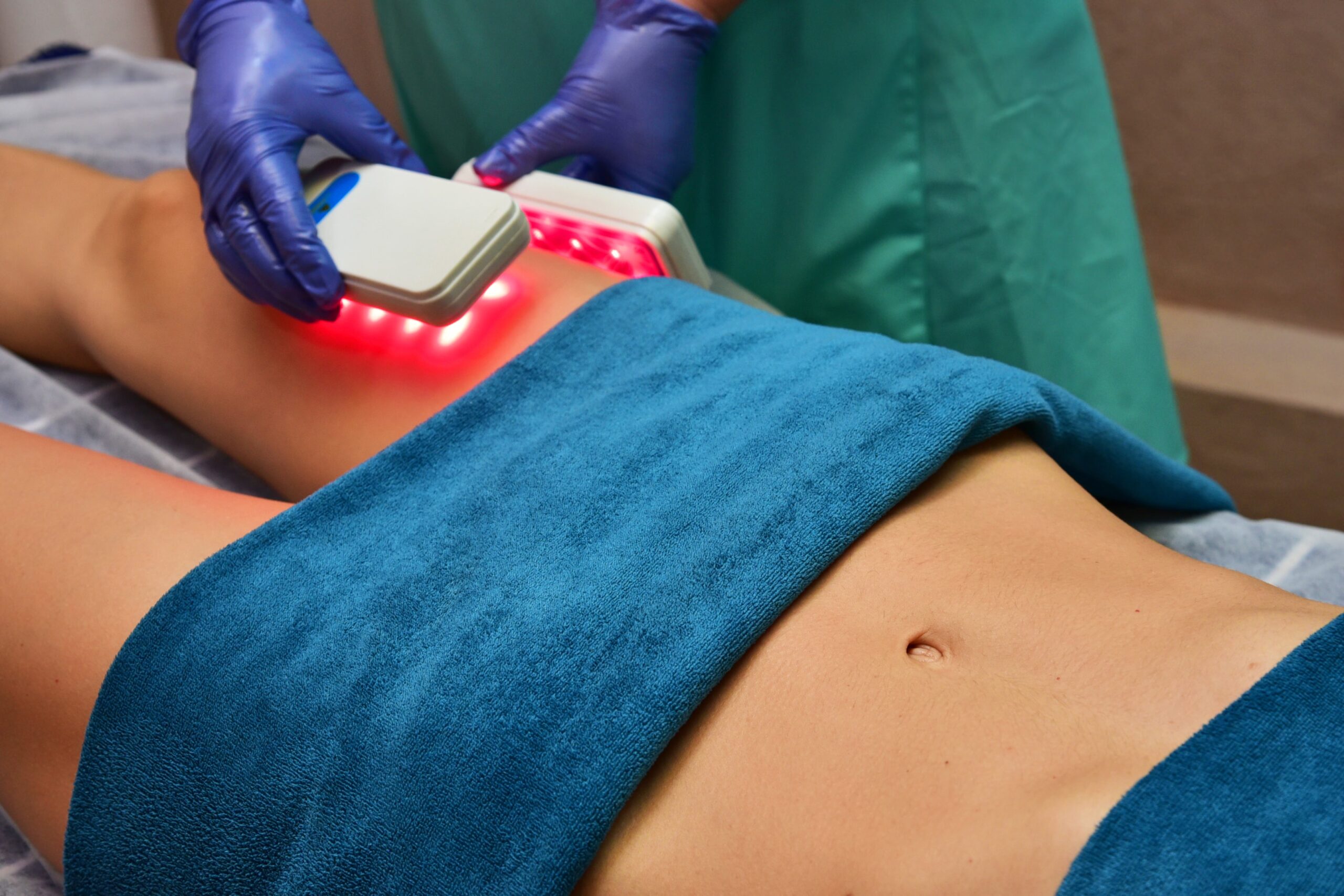
Laser liposuction is a type of cosmetic surgery that uses laser technology to eliminate unwanted fat and improve the body’s silhouette . The primary goal of this procedure is to eliminate unsightly fat deposits , allowing excess fat to be removed more selectively and delicately than traditional methods, such as laser lipolysis.
This type of liposuction, also known as laser-assisted liposuction or laser lipolysis , offers several advantages, including reduced scarring and shorter recovery times . Using a laser, the surgeon can specifically dissolve fat, preserving surrounding tissue and ensuring superior aesthetic results.
How does laser liposuction work?
Laser liposuction works by using an optical fiber that emits high-energy laser light to dissolve fat cells during the procedure . This process involves inserting a thin cannula with an optical fiber that emits a laser, breaking the membranes of the fat cells and allowing the dissolved fat to be suctioned out.
The main advantage of this technique is its ability to act selectively, preserving surrounding tissue and reducing trauma . Once the fat has been dissolved, it is aspirated through the cannula, completing the liposuction process.
The laser technologies used
Laser technologies used in liposuction include:
- SmartLipo : one of the best-known technologies, it uses a variable wavelength laser (1064 nm, 1320 nm, 1440 nm) to dissolve fat and stimulate collagen production, improving skin tone.
- LipoLife : laser system that combines liposuction and laser-assisted fat removal , with optimized fiber optics to reduce bleeding and promote more effective skin retraction.
- SlimLipo : technology that uses two wavelengths (924 nm and 975 nm) to dissolve fat and tighten the skin in a single phase, with reduced recovery times.
- ProLipo PLUS : dual wavelength laser system (1064 nm and 1319 nm) that allows for targeted action on fat cells, reducing trauma to surrounding tissues.
- AccuSculpt : Advanced 1444nm laser technology , specifically designed for facial and body contouring with high precision and a natural lifting effect.
- CoolLipo : Uses one wavelength (1320 nm) to dissolve fat and tighten skin, often used to treat smaller areas such as the neck and chin.
- LipoTherme : Laser technology that uses a controlled heating system to liquefy fat and reduce the risk of skin irregularities.
- LipoControl : device with advanced thermal control , which allows for more precise laser action to avoid tissue damage and achieve greater uniformity of results.
Each technology has unique characteristics that make it suitable for specific patient conditions and needs. The appropriate use of these technologies contributes to more effective and less invasive liposuction and liposculpture.
The step-by-step procedure
- The laser liposuction procedure begins with the application of local anesthesia to ensure patient comfort.
- Next, a cannula with a diameter ranging from 2 to 5 millimeters is used , which emits the laser to melt the fat .
- Once the fat has been dissolved, it is suctioned out through the same cannula , completing the removal of the adipose tissue.
The amount of fat removed during laser liposuction is limited and is determined by the surgeon based on the patient’s specific needs. This targeted approach ensures that the result is natural and harmonious with the rest of the body.
Anesthesia and patient comfort
During laser liposuction, the procedure can be performed under either general anesthesia or sedation , allowing the patient to remain comfortable throughout the procedure. After the procedure, patients experience minimal pain and can resume normal activities within a few days.
The use of a soft elastic garment postoperatively helps improve comfort and supports the recovery process for at least three weeks. The choice of anesthesia is crucial not only for patient comfort but also for the overall outcome of liposuction.
Which areas can be treated with laser liposuction?
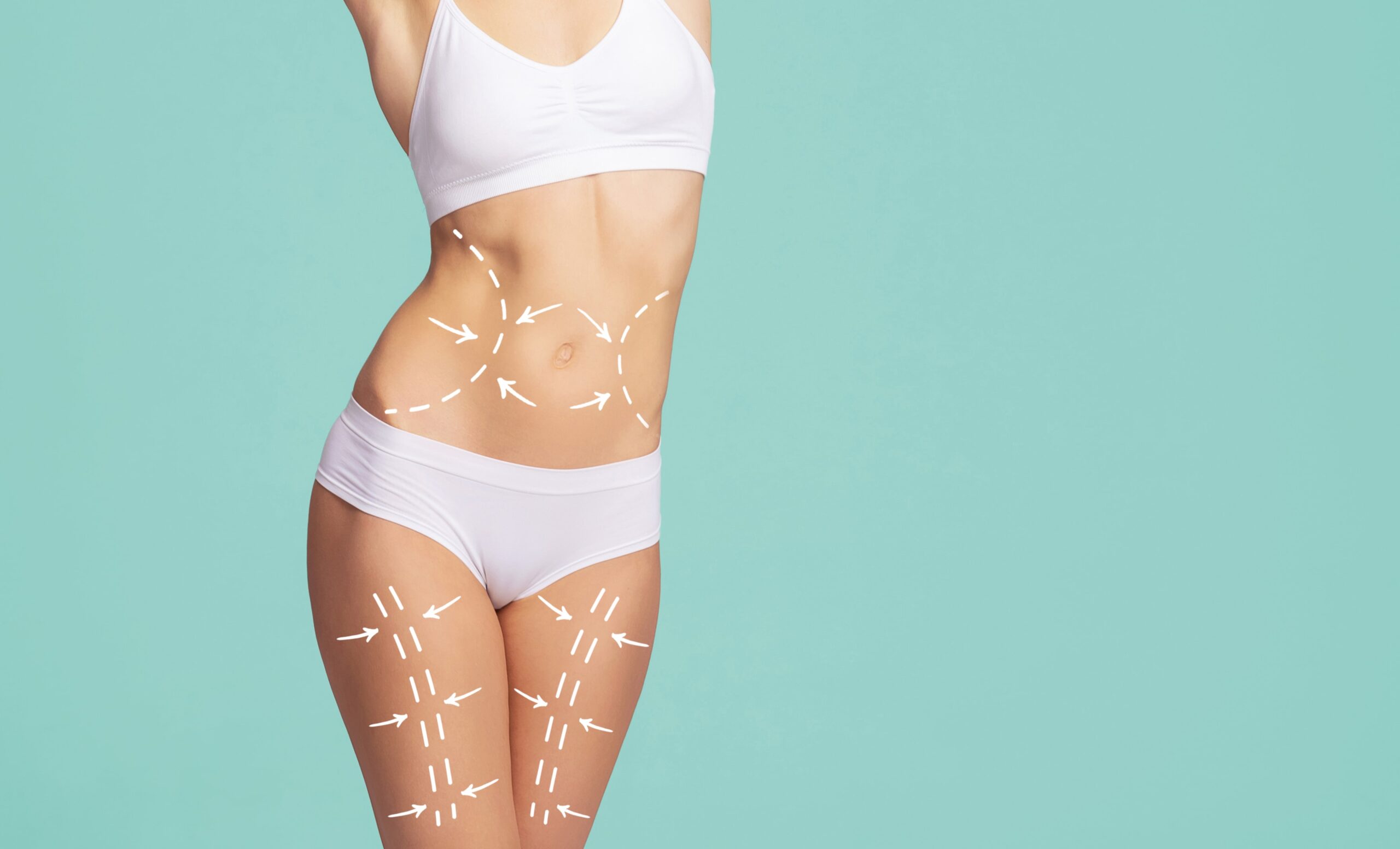
Laser liposuction is remarkably versatile and can be used to reshape various areas of the body. Commonly treated areas include:
- abdomen
- flanks
- buttocks
- thighs
- arm
- chin
- cheeks
This method is also effective for more delicate areas such as the neck and knees .
Common treatment areas
Laser liposuction is particularly effective on areas of the body previously considered unsuitable for traditional liposuction. The neck and chin, for example, can significantly benefit from this technique, reducing a double chin and improving jawline definition. Ankles and other sensitive areas can also be successfully treated, improving contour and definition.
Laser liposuction treatments lead to significant results in body definition and improved overall aesthetics, making this technique a popular option for those looking to enhance their appearance.
Specific treatments for small areas
Laser liposuction is ideal for targeted treatments on small, delicate areas like the neck and ankles . Thanks to the laser’s precision, it’s possible to achieve more precise definition in these areas, reducing tissue trauma and improving the overall profile.
The benefits of laser liposuction
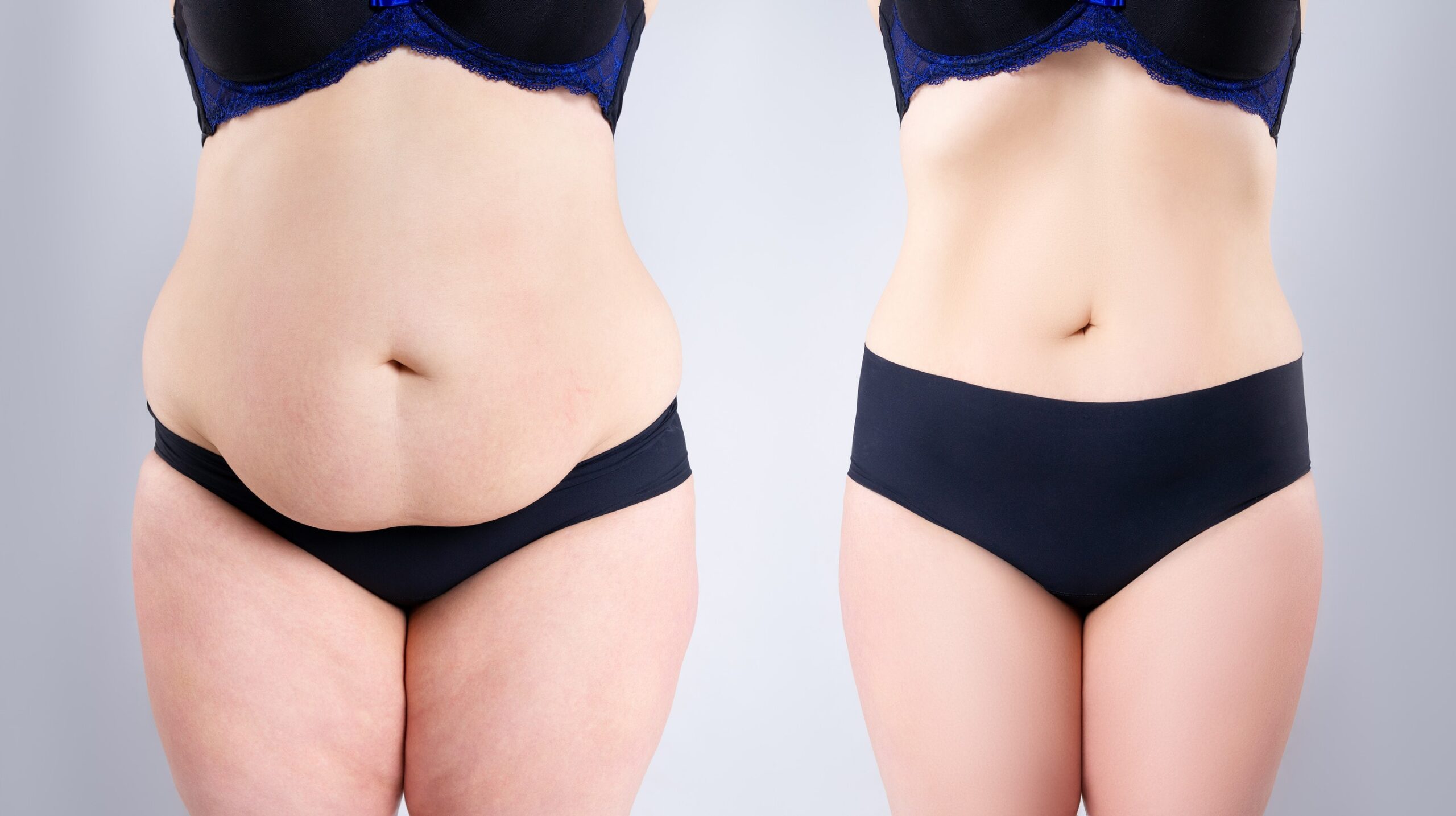
Laser liposuction offers numerous benefits over traditional techniques. Among the main advantages are:
- the least invasive
- reduced recovery times
- superior aesthetic results
- reduction of scars and complications
Less invasive and shorter recovery times
Laser liposuction is considered less invasive than traditional techniques, resulting in lower surgical risks and less discomfort for the patient . Due to the minimally invasive nature of the treatment, patients experience less blood loss during the procedure and a quicker recovery .
The laser helps break down the membranes of fat cells and promotes blood vessel clotting, reducing the risk of bleeding .
Local anesthesia is commonly used, but general anesthesia may be used if multiple areas are being treated. In general, the tumescent method, which involves infiltrating an anesthetic and saline solution into the treatment area, further helps minimize tissue trauma.
Superior aesthetic results
Laser technology stimulates collagen production, resulting in firmer skin and an improved overall appearance after surgery. This method promotes better collagen stimulation, improving skin elasticity and contributing to more satisfying aesthetic results.
The thermal effect of the laser causes skin retraction, providing an immediate lifting effect . Laser technologies for liposuction can combine different wavelengths, allowing for more effective and selective action, achieving visible results on areas such as the abdomen, hips, and thighs.
Reduction of scars and complications
Laser liposuction helps reduce blood loss thanks to the coagulating action of the laser . The laser also improves blood vessel coagulation during the procedure, reducing the risk of bleeding and minimizing visible scarring .
The laser procedure involves smaller, more localized incisions, significantly reducing the risk of visible scarring compared to traditional methods. This means very small, easily concealed scars with a reduced risk of postoperative complications .
How many sessions are needed?
The number of laser liposuction sessions varies and depends on the areas being treated and the amount of fat to be removed. Generally, more than one session may be necessary to achieve the desired results, but this depends primarily on the patient’s specific needs.
Duration of each session
Each laser liposuction session typically lasts from 1 to 3 hours, depending on the area treated and the amount of fat to be removed . Factors that can influence session length include the amount of fat to be removed and individual patient characteristics, such as anatomy and general health.
Factors that influence the number of sessions
The number of sessions required depends on the amount of fat to be removed and the areas of the body to be treated . Individual response to the treatment and the specific areas also play a role.
How much does laser liposuction cost?
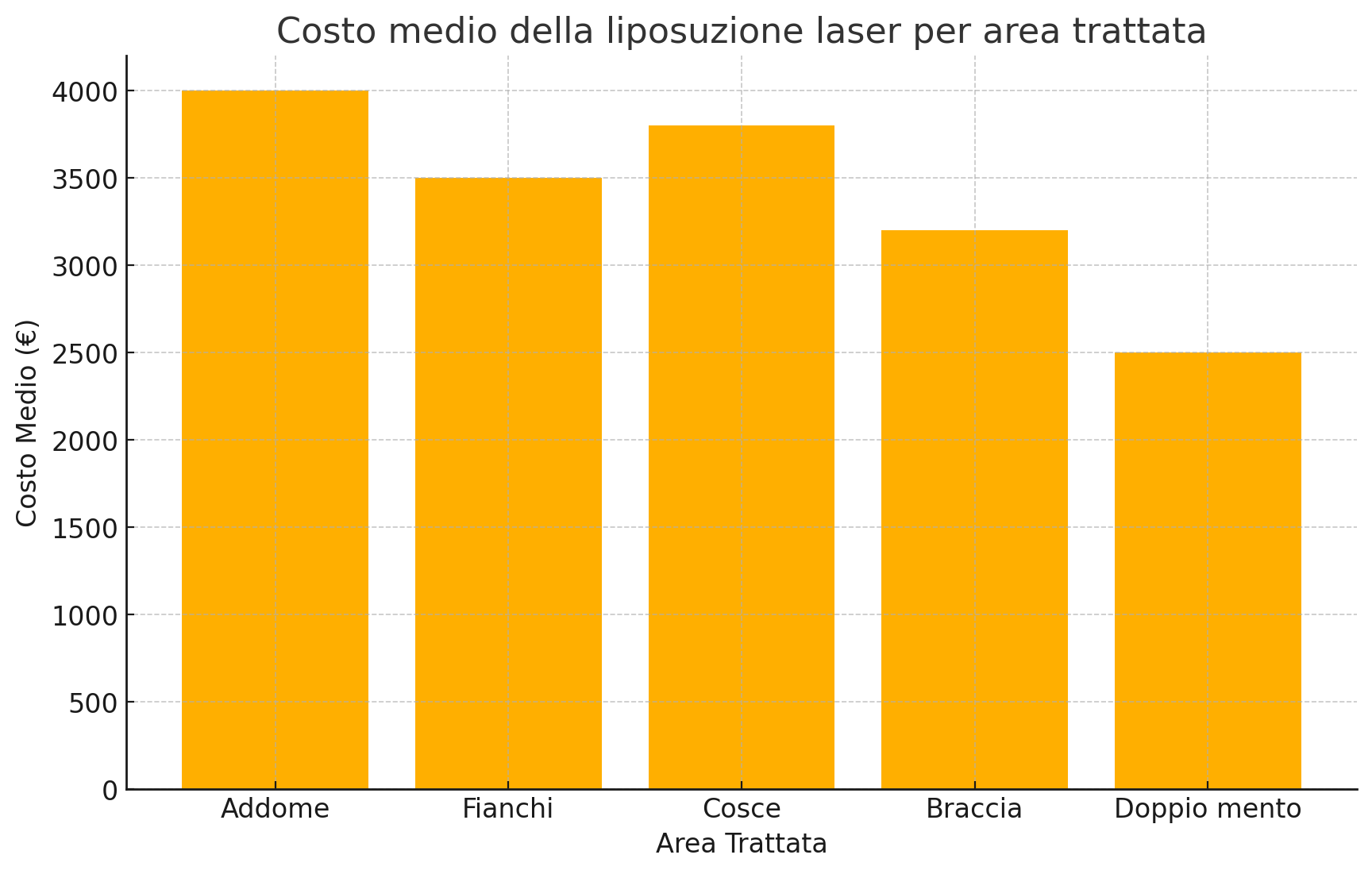
The cost of laser liposuction can vary significantly depending on the technique used and the volume of fat to be removed. Typically, the price for a single area is around €2,500. For liposuction of the abdomen and hips, costs range between €3,000 and €4,500, while for full-body liposuction, the price can reach €6,000 and €8,000.
It’s important to consider the cost of the procedure not just as an expense, but as an investment in your health and aesthetic well-being . Beyond the cost of the procedure, it’s helpful to know that laser liposuction can include various services, such as follow-up visits and post-operative consultations.
Services included in the cost
The cost of laser liposuction usually includes several essential services to ensure a safe and satisfying experience. These include:
- pre-operative visits
- 3D simulation of the results
- anesthesia
- operating team
- unlimited post-operative check-ups
- necessary medications
These services are essential to ensure a successful operation and proper post-operative care. Some facilities offer clinical tests included in the price if performed at the same facility.
Il post-intervento: cosa aspettarsi
Dopo una liposuzione con laser, è normale avvertire gonfiore e lividi che possono persistere per alcune settimane. È fondamentale mantenere pulita l’area trattata e seguire le indicazioni del chirurgo per evitare complicazioni.
I pazienti possono generalmente riprendere le loro normali attività entro una settimana, a seconda della loro sensibilità e del tipo di intervento.
Cura post-operatoria
Le medicazioni post-operatorie sono fondamentali per favorire la guarigione della zona trattata dopo l’intervento di liposuzione con laser. Il costo della liposuzione con laser solitamente copre anche le medicazioni post-operatorie e i controlli successivi, tuttavia occorre verificarlo nel momento in cui si effettua una scelta e si acquista un servizio.
Le cicatrici lasciate dalla liposuzione laser assistita sono al massimo di un centimetro e localizzate nelle pieghe cutanee.
Tempi di guarigione
L’intervento di liposuzione laser richiede normalmente un tempo di recupero praticamente nullo, consentendo ai pazienti di riprendere le loro attività quotidiane immediatamente. Entro pochi giorni, i pazienti possono riprendere le normali attività dopo la liposuzione con laser.
Il recupero completo e la visibilità dei risultati possono richiedere diverse settimane, con cambiamenti significativi spesso visibili entro 3-6 mesi. Grazie all’uso del laser, i pazienti possono sperimentare meno dolore post-operatorio e un ritorno più rapido alle attività quotidiane.
Uso di guaine compressive
Le guaine compressive sono un elemento chiave nel post-operatorio per favorire la guarigione. Indossare guaine compressive aiuta a ridurre il gonfiore nelle aree trattate e sostiene il processo di guarigione dei tessuti trattati.
È consigliato indossare guaine compressive per un periodo di 5-6 settimane post-intervento per ottenere i migliori risultati. L’uso di queste guaine è cruciale per garantire che i tessuti guariscano correttamente e per mantenere la nuova forma del corpo.
Chi è un buon candidato per la liposuzione con laser?
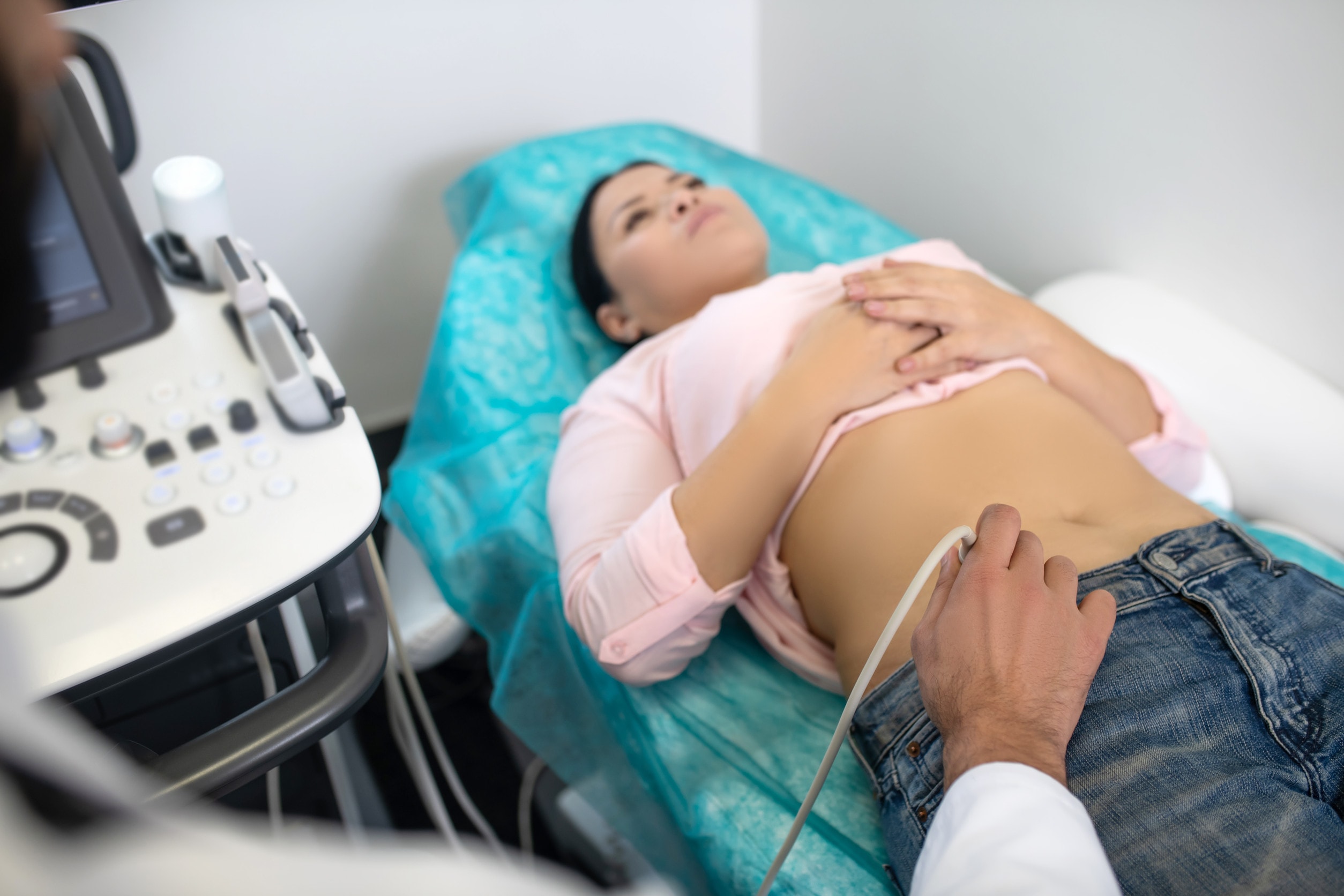
I candidati ideali per la liposuzione con laser sono adulti in buona salute, con peso stabile e adiposità resistente a dieta ed esercizio.
Profilo del paziente ideale
I migliori candidati per la liposuzione con laser sono quelli con accumuli di grasso localizzati che alterano le proporzioni del corpo. Le persone con una buona elasticità della pelle, che non fumano e che non presentano malattie croniche, tendono a ottenere risultati ottimali.
Non è consigliabile eseguire la liposuzione laser durante la gravidanza o l’allattamento, né in presenza di determinate patologie come il diabete.
Controindicazioni e rischi
People with significant medical conditions that affect healing may not be good candidates for laser liposuction.
In any case, it is crucial to carefully follow the surgeon’s advice to minimize complications and support healing.
Conclusion
In short, laser liposuction is an advanced cosmetic surgery technique that offers numerous advantages over traditional methods. It is less invasive, requires less recovery time, and produces superior aesthetic results with fewer scars and complications. If you’re looking for an effective way to reshape your body, this procedure could be the ideal solution. Consult an expert to determine if you’re a good candidate and to plan your journey to a new you.
Frequently Asked Questions
How much does a Lipolaser session cost?
The cost of a Lipolaser session generally ranges between €100 and €150, but prices can vary significantly depending on the clinic you choose and the location where the treatment is performed. It’s always advisable to request a detailed quote and check which services are included.
How long does a laser liposuction session last?
A laser liposuction session generally lasts 1 to 3 hours, depending on the area treated and the amount of fat to be removed.
What areas of the body can be treated with laser liposuction?
Laser liposuction can be used to treat various areas of the body, including the abdomen, hips, buttocks, thighs, arms, chin, cheeks, neck, and knees.
What are the main advantages of laser liposuction compared to traditional methods?
The main advantages of laser liposuction over traditional methods include less invasiveness, shorter recovery times, better aesthetic results, and a reduction in scarring and complications.
