
Need to replace a tooth and aren’t sure whether to opt for a dental implant or a bridge? In this article, you’ll discover the main differences, advantages, disadvantages, and which might be the best option for you.
In a nutshell
- The choice between a dental implant and a bridge depends on several factors , including oral health, bone condition, and patient preference.
- Dental implants offer long-lasting benefits such as aesthetics, functionality and maintenance of bone structure, but they involve higher costs and healing times .
- Dental bridges represent a less invasive and more economical solution , but they require modification of adjacent teeth and have a shorter lifespan than implants.
Dental Implant or Bridge: An Overview
| Characteristic | Dental Implant | Dental Bridge |
|---|---|---|
| Duration | Long, potentially permanent | 10-15 years |
| Procedure | Invasive, requires surgery | Less invasive, does not require surgery |
| Treatment time | Long, several months to heal | Short, 2-3 weeks |
| Cost | Higher | More content |
| Impact on adjacent teeth | No changes necessary | Requires filing of adjacent teeth |
| Aesthetics | Very natural, similar to the original teeth | Good, but it depends on the materials used |
| Functionality | Excellent, completely restores chewing ability | Good, but may affect supporting teeth |
| Bone maintenance | Stimulates bone, preventing bone loss | Does not stimulate bone, possible bone loss |
| Maintenance | Minimal, similar to natural teeth | Requires rigorous oral hygiene |
Choosing between a dental implant and a dental bridge is one of the most important decisions for those who need to replace one or more missing teeth . Both treatments offer effective solutions, but there are significant differences that can influence the final decision. A dental implant consists of an artificial root inserted into the jawbone to support a crown, while a dental bridge requires modifying the adjacent teeth to support the prosthesis.
The decision between the two solutions is often influenced by personal preferences and the patient’s health . Consulting a dentist is essential to determine which solution is best for your specific situation and to address any concerns, receiving an appropriate response.
Your dentist will evaluate your oral health, the condition of your existing teeth, and your preferences to help you make an informed choice. The following detailed overview of the characteristics of dental implants and dental bridges will provide you with the information you need to better understand both options and make the best decision for your dental health.
Definition of dental implant
A dental implant is an artificial root, usually made of titanium, that is inserted into the jawbone to replace a natural tooth root . This process involves inserting a titanium screw into the bone, which serves as a stable base for a dental crown, restoring the appearance and function of the missing tooth. The crown, which is the visible part of the tooth, is usually screwed onto the implant to ensure optimal stability.
Dental implants not only restore the aesthetics of your smile, but also the functionality of your chewing. They are a particularly advantageous solution because they preserve adjacent natural teeth , avoiding the need for filing or modifying them as is the case with dental bridges.
Furthermore, implants can be inserted even in conditions of poor bone support , thanks to advanced techniques that allow the positioning of the device to be adapted to the specific needs of the patient, thus creating adequate space for their use in the office.
Definition of dental bridge
A dental bridge is a fixed prosthesis that replaces one or more missing teeth using adjacent teeth as abutments . A typical dental bridge consists of at least three crowns: two that cover the supporting teeth (abutments) and one or more intermediate crowns that replace the missing teeth. The materials used for the crowns can vary, including aesthetic options for the front teeth and more durable materials for the back teeth.
The procedure for obtaining a dental bridge involves reducing and filing adjacent teeth , which are then covered with bridge crowns. This treatment is often chosen when a dental implant is not possible, but it still offers an effective solution for restoring chewing function and the aesthetics of the smile.
Advantages of dental implants
| Advantage | Details |
|---|---|
| Durability and Resistance | Long-lasting, potentially permanent with proper maintenance |
| Aesthetics | Natural appearance, similar to original teeth |
| Functionality | Completely restores chewing ability |
| Bone maintenance | Stimulates bone, preventing bone loss |
| Minimal Maintenance | Similar to natural teeth, it only requires normal oral hygiene |
Durability and resistance
Dental implants are known for their long lifespan, with an average lifespan of at least ten years .
Their resistance depends on various factors, including:
- Oral hygiene
- Periodic checks
- Patient’s health conditions
- Any trauma
- Genetics
With proper maintenance and regular care, implants can last a lifetime, offering a stable and reliable solution for replacing missing teeth once installed.
Aesthetics and functionality
One of the main advantages of dental implants is their ability to restore the natural appearance of teeth, significantly improving the aesthetics of the smile . Implants are designed to mimic natural teeth, both in shape and color, offering an aesthetic result very similar to the original. This feature is particularly appreciated by patients who wish to maintain a natural and harmonious smile.
In addition to aesthetics, dental implants also improve chewing function, allowing you to chew effectively and comfortably . This is crucial for overall health, as proper chewing is essential for digestion and nutrient absorption.
Dental implants offer a natural feel similar to that of original teeth , making them an ideal solution for those who want to fully restore the functionality of their mouth.
Maintenance of the jaw bone
Another benefit of dental implants is their ability to stimulate the jawbone, helping maintain its density and preventing bone loss . The installation of a dental implant stimulates the bone similarly to a natural root, helping maintain the structure and shape of the face over the long term.
This is particularly important to prevent aesthetic changes that can occur as a result of the loss of natural teeth and the resulting reduction in jaw bone, especially when using ceramic dentures.
Disadvantages of dental implants
High costs
One of the main disadvantages of dental implants is their cost, which tends to be higher than dental bridges . This is due to the complexity of the treatment, the materials used, and the advanced technologies employed during the procedure.
However, it is important to consider that, in the long term, implants can be more cost-effective due to their durability and lower maintenance requirements compared to bridges, so this article highlights these aspects, to some extent, including the abutments.
Need for surgery
Dental implant placement requires surgery, which carries risks and potential complications . Dental implant surgery can cause infections, bone integration problems, and other postoperative complications.
Healing times
The healing process (settling) after a dental implant can take several months , generally three to six months. During this time, it’s essential to follow your dentist’s instructions to ensure proper integration of the implant with the bone.
Advanced age and other health conditions can affect healing times , making the process longer and more complex.
Advantages of a dental bridge
| Advantage | Details |
|---|---|
| Less invasive procedure | The installation does not require surgery, reducing the risk of complications and recovery time. |
| Short treatment time | It can be completed in 2-3 weeks, offering a quick solution for replacing missing teeth. |
| Lower costs | Generally cheaper than dental implants, making it accessible to more patients. |
| Support for adjacent teeth | It uses natural teeth as pillars, providing a stable solution to restore the aesthetics and functionality of the smile. |
| Ease of maintenance | It requires rigorous oral hygiene but does not require complex procedures or special equipment for daily maintenance. |
| Versatility of materials | Available in a variety of materials, allowing you to choose between aesthetic options for the front teeth and durable materials for the back teeth. |
Less invasive procedure
Installing a dental bridge doesn’t require surgery, making the procedure less invasive than dental implants. This is a significant advantage for patients who prefer to avoid surgery or who aren’t ideal candidates for surgery due to health conditions.
Dental bridges therefore represent an accessible and less stressful solution for those looking to replace missing teeth without facing the risks associated with surgery, which makes this option even more attractive, increasing confidence in the process.
Shorter treatment time
Treatment times for dental bridges are generally shorter than those for implants , with the process typically completed in just two to three weeks. This is particularly advantageous for patients who want a quick solution and cannot wait for the longer healing times required for dental implants.
Generally, only a few dental appointments are needed to complete the installation of a dental bridge , making the treatment more affordable and less demanding.
Lower costs
Dental bridges tend to be less expensive than dental implants , making them a more affordable option for many patients. The cost of a dental bridge varies depending on the materials used and the complexity of the case, but is generally less expensive than implants.
This cost difference can be a deciding factor for patients who need an affordable solution to replace missing teeth, and the lack of teeth can influence this choice.
Disadvantages of the dental bridge
Damage to natural teeth
Installing a dental bridge requires preparing the adjacent teeth , which must be filed down and reduced to serve as abutments for the bridge. This treatment is considered moderately invasive and can increase the sensitivity of natural teeth , as well as increasing the risk of tooth decay due to the reduction in tooth structure.
Greater maintenance
To keep a dental bridge in good condition, rigorous oral hygiene is essential . Plaque buildup can lead to dental health problems, requiring constant monitoring and regular maintenance by a professional.
Regular care and the use of dental floss or interdental brushes to clean under the bridge are essential to prolong its life and prevent future complications.
Shorter duration
Dental bridges tend to have a shorter lifespan than dental implants, with an average lifespan of about 10-15 years, but this can vary depending on the care and quality of the materials used.
In the long term, dental implants can offer a more durable and stable solution for replacing missing teeth.
Personal considerations and general health
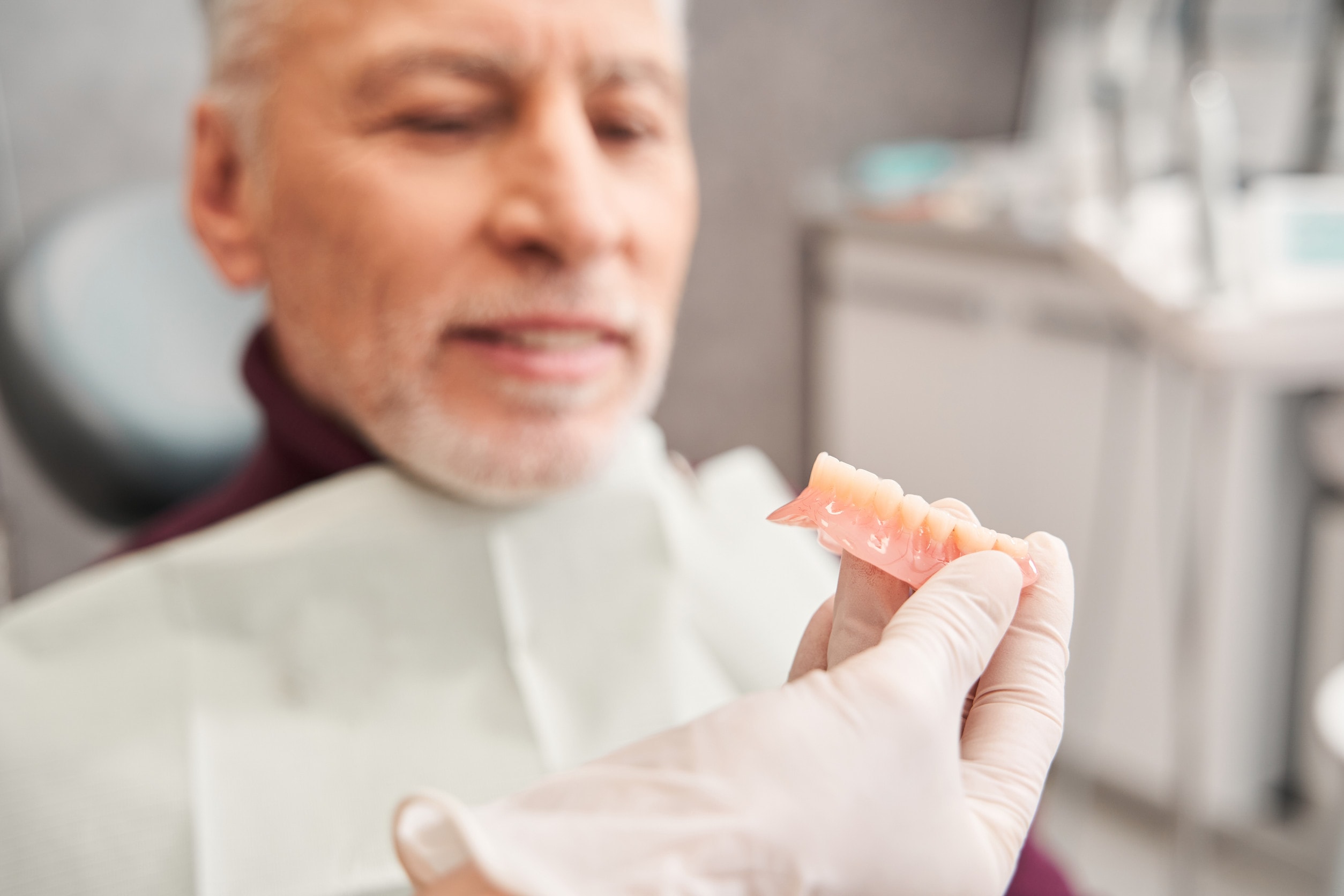
The decision between a dental implant and a dental bridge depends on several factors, including:
- Oral health
- Bone conditions
- Age
- Lifestyle
- Patient’s personal preferences
Below we analyze these factors in more detail.
Oral health and bone condition
An accurate assessment of oral health and bone density is essential to ensure the success of the chosen dental treatment.
Patients with good oral health and adequate bone support are often ideal candidates for dental implants, while those with compromised bone condition may find a dental bridge more suitable.
Age and lifestyle
Younger patients tend to achieve better results with dental implants, due to their rapid healing and greater bone density. Older patients, however, may prefer dental bridges due to health concerns and the ease of treatment.
Lifestyle, including dietary and oral hygiene habits, can influence the duration and success of the chosen treatment.
Professional consultancy
A thorough evaluation by a dentist is crucial to identify potential complications and determine the most appropriate dental solution for the patient , including rehabilitation.
The dentist will evaluate the patient’s general health, dental history, and specific oral conditions to provide an informed recommendation. This professional consultation helps identify the specific risks and benefits associated with implants and bridges, ensuring the patient can make an informed decision that is tailored to their needs.
Conclusion
In short, the choice between a dental implant and a dental bridge depends on numerous factors, including oral health, bone condition, age, lifestyle, and personal preferences. Dental implants offer a long-lasting and stable solution, with aesthetic and functional benefits, but they are expensive and require longer healing times. Dental bridges, on the other hand, are less invasive, have shorter treatment times, and are more affordable, but require more maintenance and can damage natural teeth. Consulting a dentist for a professional evaluation is essential to making the best choice for your dental health.
FAQ
What is the main difference between a dental implant and a dental bridge?
The main difference between a dental implant and a dental bridge is that the implant does not involve modifying the adjacent teeth, while the bridge requires filing down the adjacent teeth to be supported.
How long does a dental implant last?
A dental implant lasts on average at least 10 years, but with proper maintenance and regular care, it can be permanent.
Are dental implants more expensive than dental bridges?
Yes, dental implants are generally more expensive than dental bridges, as they require more complex treatments and technologies.
What are the advantages of choosing a dental bridge?
Choosing a dental bridge has significant advantages, including a less invasive procedure, faster treatment times, and generally lower costs than dental implants.
Is surgery necessary to install a dental implant?
Yes, installing a dental implant requires surgery and carries risks, as well as a healing period necessary for proper integration.
