
A single dental implant is a solution for replacing a missing tooth. This article explains what it is, how it’s inserted, its costs, and how to care for it.
In a nutshell
- A single dental implant is a permanent solution that improves the aesthetics of your smile , supports jawbone health , and prevents bone loss.
- The procedure for placing a dental implant requires careful planning, surgery, and an osseointegration phase to ensure the success of the implant.
- The cost of a single dental implant varies between 1,000 and 3,000 euros and, although initially higher than other solutions, it offers long-term advantages such as durability and lower maintenance costs.
Single Dental Implant: What It Is and Why Choose It
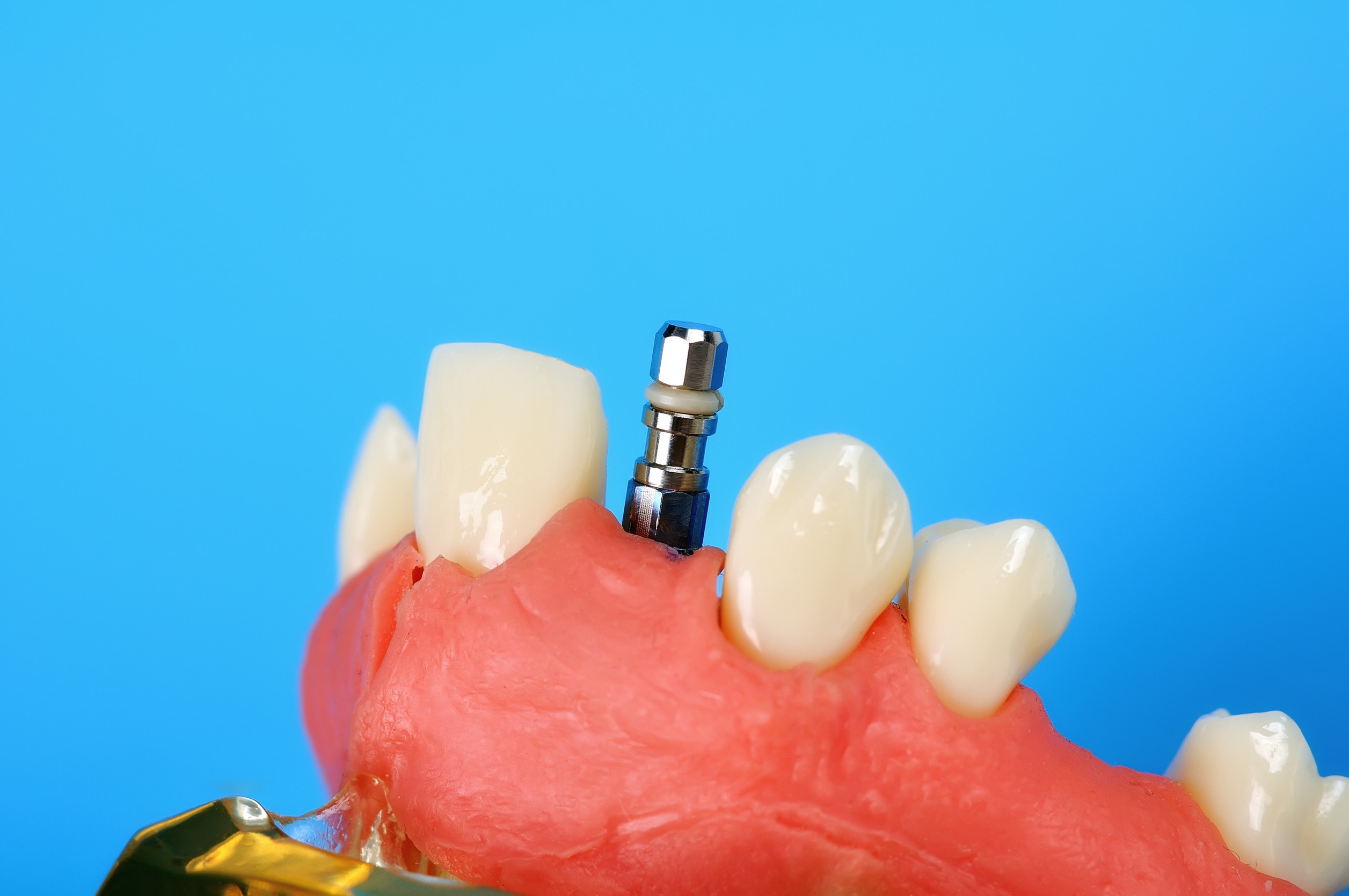
Un impianto dentale singolo è un articolo che rappresenta una struttura artificiale impiantata nell’osso mascellare per sostituire un dente mancante. La radice artificiale in titanio sostiene una corona, ricreando l’aspetto e la funzione di un dente naturale.
Questo tipo di impianto è una soluzione permanente che offre diversi vantaggi:
- Migliora l’estetica del sorriso
- Supporta la salute dell’osso mascellare
- Previene la perdita ossea che può verificarsi in seguito alla perdita di un dente.
La perdita di un singolo dente può avere molteplici conseguenze, tra cui una compromissione della masticazione, alterazioni della pronuncia e spostamenti dei denti vicini. Scegliere un impianto dentale singolo può prevenire questi problemi, offrendo una soluzione stabile e duratura.
Struttura e materiali
La struttura di un impianto dentale singolo è composta da tre parti principali:
- Una vite in titanio, che funge da radice artificiale, fornendo una base solida e stabile per l’impianto. Il titanio è ampiamente utilizzato per la sua biocompatibilità e capacità di integrarsi con l’osso.
- Un abutment, che collega la vite alla corona dentale.
- Una corona, che è la parte visibile dell’impianto e simula un dente naturale. Le corone sono generalmente realizzate in ceramica o zirconio, materiali scelti per la loro resistenza e l’aspetto naturale che conferiscono al dente sostituito.
Questa combinazione di materiali garantisce che l’impianto sia non solo funzionale, ma anche esteticamente gradevole.
Vantaggi rispetto ad altre soluzioni
Gli impianti dentali offrono numerosi vantaggi rispetto ad altre soluzioni come i ponti dentali e le protesi mobili. Ecco alcuni dei principali vantaggi:
- Durabilità e stabilità superiori rispetto ad altre opzioni
- Minori costi di manutenzione rispetto alle protesi tradizionali
- Preservazione dell’osso mascellare, prevenendo la perdita ossea che può verificarsi quando un dente mancante non viene sostituito adeguatamente
Questi fattori rendono gli impianti dentali una scelta vantaggiosa per chi cerca una soluzione a lungo termine per la sostituzione dei denti.
Un altro vantaggio significativo degli impianti dentali è che non richiedono la modifica dei denti adiacenti, a differenza dei ponti dentali che si appoggiano sui denti vicini per supporto. Questo significa che gli impianti dentali sono una soluzione più conservativa e meno invasiva a lungo termine.
Procedura per l’inserimento di un impianto dentale singolo
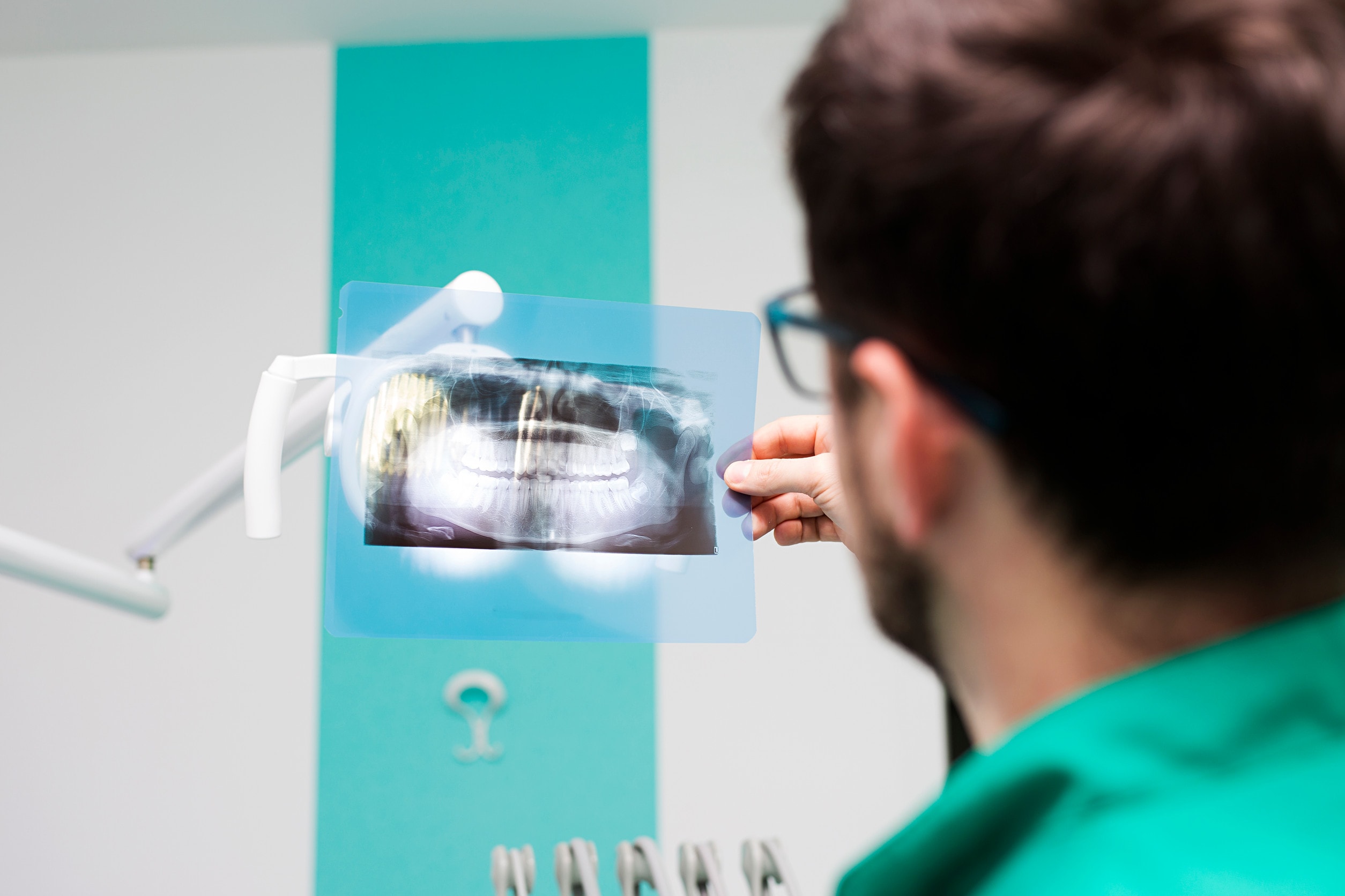
The procedure for placing a single dental implant involves several phases , from preparation and initial planning to the surgical procedure and osseointegration phase. In total, the treatment requires an average of six sessions to complete, following a specific technique.
Each phase is crucial to ensure the success of the implant and its integration with the jawbone.
Preparation and planning
The preparatory phase begins with a thorough diagnosis, including X-rays and CT scans to assess bone health and determine the ideal location for the implant . This phase is essential for detailed surgery planning and minimizing the risk of complications.
Analysis and planning can incur additional costs , often reaching several hundred euros. However, investing in thorough preparation is essential to ensure the long-term success of your dental implant.
Surgery
Dental implant surgery is performed in a sterile environment to prevent infection. During the procedure, the patient receives local anesthesia to reduce pain and discomfort .
Then, the surgeon makes a small incision in the gum to insert the titanium screw into the jawbone.
After surgery, swelling, bruising, and minor bleeding are common. For this reason, it’s important to carefully follow post-operative instructions. This helps ensure optimal healing and reduce the risk of complications.
Most patients can return to normal daily activities within a few days.
Osseointegration phase and crown application
The osseointegration phase is an important step in the success of a dental implant. During this period, which lasts about four months, the jawbone integrates with the titanium screw , stabilizing the implant . Only after this phase can the dental crown be applied.
The crown, made of ceramic or zirconium, is attached to the abutment , completing the tooth replacement process. This final step gives the patient a functional, natural-looking tooth, improving both the aesthetics of their smile and their ability to chew properly.
Maintenance and care of single dental implants
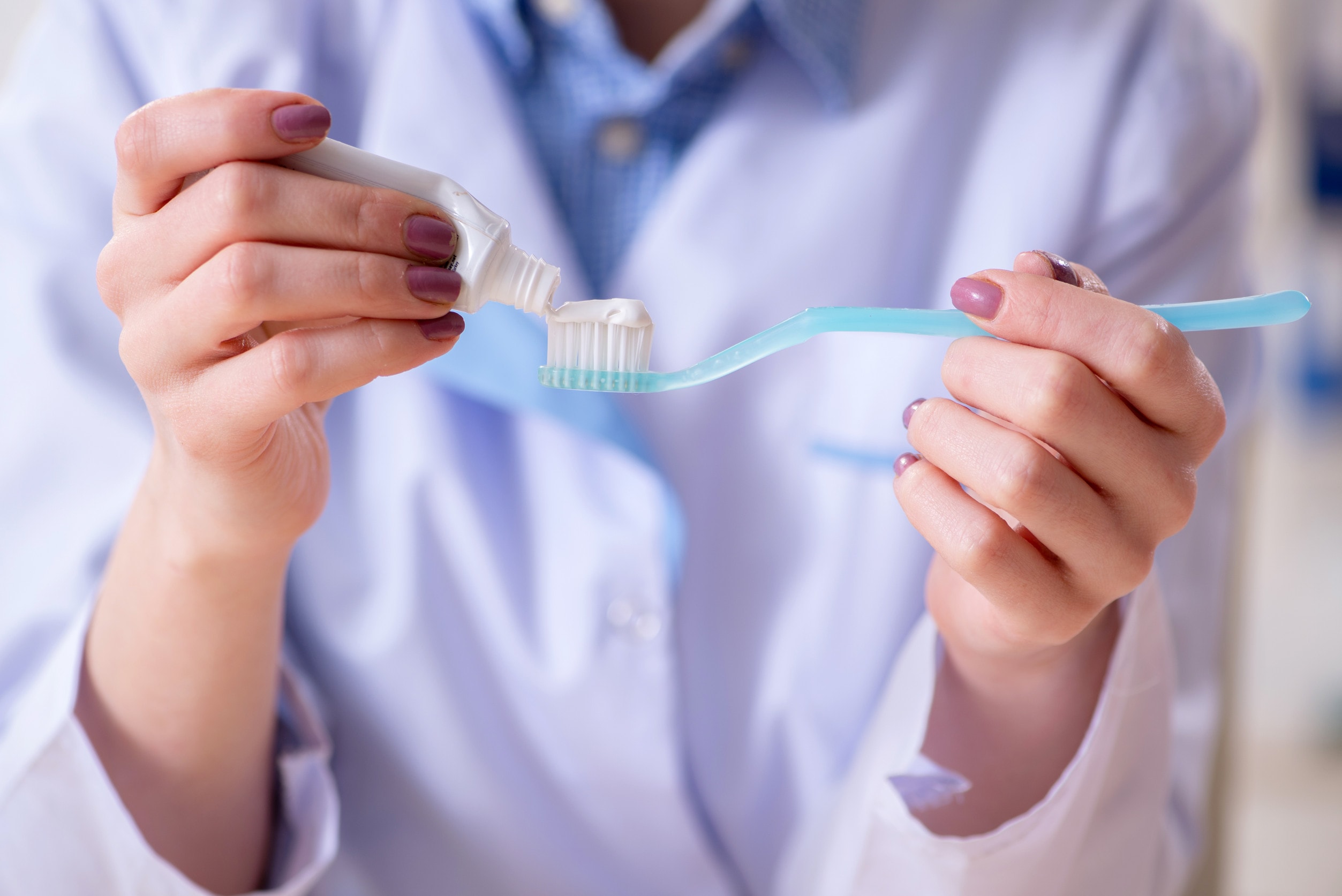
Regular maintenance is essential to ensure the service and longevity of a single dental implant.
A proper oral hygiene routine and regular dental checkups are essential to prevent complications and keep your implant in top condition.
Daily oral hygiene
Proper daily oral hygiene is essential to prevent infections and ensure the long life of your single dental implant . It’s recommended to brush your teeth twice a day with a soft-bristled toothbrush, paying particular attention to cleaning around the implant. Using a specific mouthwash and an implant-specific toothbrush can further improve cleaning effectiveness.
Avoiding smoking and limiting alcohol intake are essential practices to avoid compromising the healing process and the longevity of the implant. A balanced diet, low in sugar and rich in nutrients, can also contribute to oral health and the long-term success of dental implants, including the mouth.
Periodic check-ups
Regular dental checkups are ideal for monitoring the health of your implant and preventing complications such as inflammation and infection. Regular checkups can significantly reduce the risk of problems and ensure that your implant maintains its functionality over time .
Costs of a single dental implant
The cost of a single dental implant can vary significantly , with a price range between 1,000 and 3,000 euros , excluding additional expenses for components such as the crown.
This investment covers several sessions needed to complete the treatment, generally six.
Factors that affect the price
Several factors influence the price of a single dental implant, including the materials used, the complexity of the case, and the practitioner’s expertise. Choosing high-quality materials such as titanium for the screw and ceramic or zirconium for the crown may increase the cost, but it guarantees greater durability and a natural appearance.
Additional procedures, such as gum management and bone grafts, can also affect the final cost.
Additional costs
In some cases, a bone graft may be necessary to ensure that there is enough bone to support the foreign dental implant.
The cost of this additional procedure can range from 500 to 3,000 euros , significantly influencing the total cost of treatment.
Comparison with other treatments
Although dental implants have a higher initial cost than bridges or dentures, they offer a more durable and stable solution. The long-term benefits of implants, such as preserving jawbone and reducing the need for maintenance , can make them a cost-effective choice in the long run.
Removable dentures, or dentures, are a cheaper and less invasive solution, but they don’t offer the same stability and durability as dental implants. Furthermore, dentures can increase the risk of oral hygiene problems and instability while chewing.
Duration and guarantees of single dental implants
The lifespan of a single dental implant depends largely on regular maintenance and periodic checkups. With proper care, a dental implant can last 15 to 25 years, or even a lifetime.
Manufacturer warranties vary, but many offer 5-10 year coverage for installation-related issues.
Average life of a single dental implant
A single dental implant has an average lifespan of 15 to 25 years . This estimate can vary based on several factors. However, with proper maintenance and regular dental checkups, dental implants can last a lifetime . The key to longevity is maintaining good oral hygiene and following your dentist’s recommendations.
Over 95% of dental implants have a good survival rate after 10 years. This demonstrates the effectiveness and durability of single dental implants when properly cared for.
Guarantees and certifications
Dental implant manufacturers offer various warranties to protect consumers. Some provide warranties that cover manufacturing defects for a specified period, usually between 5 and 10 years .
Furthermore, the certificate of authenticity and the implant passport are common documents that attest to the quality of dental implants in Italy at an international level.
Alternatives to single dental implants
When it comes to replacing a missing tooth, single dental implants aren’t the only solution available. However, it’s important to consider the potential problems that can arise if the issue isn’t addressed properly.
There are alternatives such as dental bridges and removable dentures, each with their own advantages and disadvantages.
Dental bridges
Dental bridges are a less invasive solution than implants, as they don’t require surgery to place. These devices are designed to fill the spaces left by missing teeth and rest on adjacent teeth for support.
Although dental bridges can last several years, they tend to have a shorter average lifespan than dental implants , which integrate directly with the bone. However, for some patients, a bridge can be a viable solution to replace one or more lost teeth.
Removable prostheses
Removable dentures are another alternative to single dental implants. These prosthetics are removable and can be a temporary or permanent solution, depending on the patient’s needs. One advantage of removable dentures is their adaptability and the fact that they don’t require surgery for insertion.
However, removable dentures can carry a greater risk of oral hygiene problems and instability, making chewing and speaking difficult. For some patients, removable dentures may be a less expensive solution, but less stable and long-lasting than dental implants.
Conclusion
Single dental implants are an excellent solution for those who have lost a tooth, offering durability, stability, and a natural appearance. While the initial cost may be high, the long-term benefits, such as jawbone preservation and reduced maintenance costs, make this option cost-effective. With proper maintenance and regular dental checkups, dental implants can last for many years, significantly improving quality of life. Choosing the right solution depends on individual needs, but single dental implants offer an ideal balance between functionality and aesthetics.
Frequently Asked Questions
What is a single dental implant?
A single dental implant is an effective solution for replacing a missing tooth, consisting of a titanium screw, an abutment and a ceramic or zirconium crown.
How much does a single dental implant cost?
The cost of a single dental implant is between 1,000 and 3,000 euros, excluding any additional expenses for the crown and diagnostic tests.
What are the advantages of dental implants over dental bridges?
Dental implants have significant advantages over bridges, including greater durability, stability, and preservation of the jawbone, while also avoiding alterations to adjacent teeth.
How long does a single dental implant last?
A single dental implant, if properly maintained, can last 15 to 25 years, and in some cases even a lifetime.
What alternatives are there to single dental implants?
Alternatives to single dental implants include dental bridges and removable dentures, which, while they may be less invasive and more affordable, tend to offer less stability and durability.
