
In this article, we provide information on the main types of dental implants, such as endosseous, subperiosteal, and zygomatic implants. We will guide you in choosing the most suitable implant based on your specific situation.
In a nutshell
- Among the main types of dental implants are endosseous, subperiosteal, zygomatic and All-On-4/6/8 , each designed for specific clinical needs.
- The All-On-4, All-On-6 and All-On-8 techniques offer innovative solutions for the replacement of entire dental arches , reducing the number of implants needed .
- Pterygoid and nasal implants emerge as advanced options for patients with severe bone atrophy .
Types of Dental Implants: An Overview
| Type of System | Description | Advantages | Disadvantages |
|---|---|---|---|
| Endosseous Implants | Positioned inside the maxillary or mandibular bone. | Stable support for prosthesis, biocompatibility of titanium. | Requires sufficient bone density. |
| Subperiosteal Implants | Inserted above the bone but below the gum tissue. | Ideal for low bone density, less invasive. | Less stable than the endosseous ones. |
| Zygomatic Implants | Located in the zygomatic bone. | Solution for severe bone atrophy, avoid grafts. | Complex intervention, requires experience. |
| All-On-4 | Use four implants for an entire arch. | Reduces number of installations, quick installation. | Not suitable for everyone, requires adequate bone density. |
| All-On-6 | Uses six implants for added support. | Greater stability and durability, avoids bone grafts. | More expensive than the All-On-4. |
| All-On-8 | It uses eight implants for maximum stability. | Balanced distribution of masticatory forces. | Requires more equipment, higher cost. |
| Mini Plants | Screw with a diameter less than 3 mm. | Less invasive, cheaper. | Less stable for high loads. |
| Pterygoid Implants | Fixed in the pterygoid bone at 45 degrees. | Excellent support for severe bone atrophy. | Complex procedure, requires experience. |
| Nasal Implants | Fixed in the nasal bone. | They avoid bone grafts, they stimulate surrounding bone. | Requires detailed anatomical evaluation. |
Dental implants represent one of the most advanced solutions in implantology for replacing missing teeth. They offer durability, strength, a natural-looking appearance, and stability, making them a popular choice for those looking to restore their smile. The main types of implants include All-On-4, All-On-6, zygomatic, and many others , each designed for specific needs.
Choosing the right system depends on several factors, including:
- Condition of your jaw
- Number of missing teeth
- Personal preferences
The implant solution that comes closest to natural teeth is dental implants. These devices are rooted in the jawbone and provide stable support for the teeth, dentures, and the tooth.
Let’s now look in more detail at the different types of dental implants available and their characteristics.
Endosseous implants
Endosseous implants are one of the most common solutions and are placed inside the maxillary or mandibular bone . This type of implant provides stable support for dentures, making it ideal for replacing one or more missing teeth.
Their installation requires surgery in which the surgeon inserts the implant into the bone, providing a solid foundation for the prosthesis. This type of implant is particularly suitable for patients with sufficient bone density and can be made of materials such as titanium, known for its biocompatibility and durability.
Subperiosteal implants
Subperiosteal implants are an option for patients who do not have sufficient bone density to support endosseous implants. These implants are placed above the bone but below the gum tissue , offering an effective solution for those with limited available bone .
They are particularly suitable for patients with low bone density, as they avoid the need for bone grafts. The procedure for placing subperiosteal implants is less invasive than endosseous implants , making them a practical choice for many people.
Zygomatic implants
Zygomatic implants represent an innovative solution for patients with severe bone atrophy in the upper jaw . These implants are placed in the zygomatic bone , a dense and strong bone structure, offering an alternative to bone grafts.
All-On-4 Dental Implants
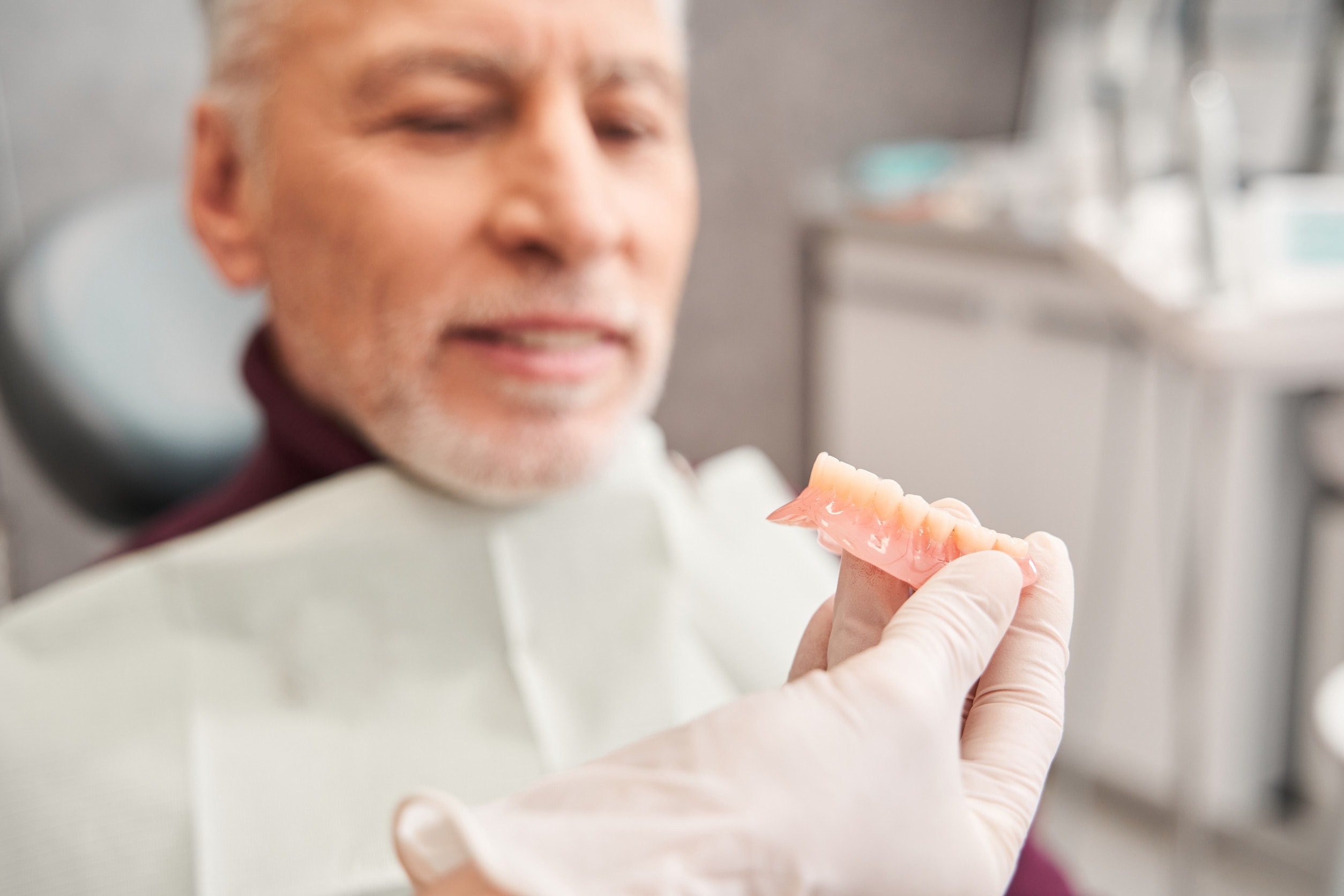
All-On-4 dental implants represent a revolutionary technique in tooth replacement, allowing an entire arch of teeth to be replaced with just four titanium posts . This solution is ideal for those who have lost multiple teeth or wish to replace removable dentures with a fixed, long-lasting solution. The All-On-4 technique uses four strategically placed implants to support a complete denture , offering both stability and functionality.
One of the main benefits of All-On-4 implants is the simplicity and speed of the installation process . Compared to traditional methods, which require numerous implants, the All-On-4 technique is more efficient and less invasive, making it a popular choice for tooth replacement.
Now let’s explore in more detail the specific advantages and ideal candidates for this innovative technique.
Advantages of All-On-4 implants
All-On-4 dental implants, developed in the 1990s, offer numerous advantages. Their affordability and quick installation make them a popular choice. Furthermore, this technique helps prevent bone loss, preserving facial structure and improving overall dental health.
Another important benefit is increased self-confidence, thanks to the stability and functionality of the prosthesis . Using only four implants, the procedure is less invasive than traditional methods, increasing treatment efficiency.
Ideal candidates for All-On-4
Ideal candidates for All-On-4 implants are edentulous patients, meaning those who have lost all their teeth , or those with adequate bone density to support the implants . However, not everyone is suitable for this procedure; smokers and individuals with periodontal disease may not be good candidates, as these factors can compromise the implant’s success.
Assessing bone density and general health is crucial in determining a patient’s suitability for this technique.
All-On-6 Dental Implants
All-On-6 dental implants are another innovative solution for replacing an entire arch of teeth. This technique uses six implants to provide even greater support, ensuring stability and durability for the prosthesis. All-On-6 implants are particularly suitable for patients seeking a fixed, long-lasting solution, avoiding the complications of removable dentures.
One of the main advantages of All-On-6 implants is the avoidance of invasive bone grafts, simplifying the dental rehabilitation process and reducing recovery time. Furthermore, this technique allows patients to eat any type of food without difficulty, significantly improving their quality of life.
Benefits of All-On-6 implants
All-On-6 implants offer numerous benefits, making them a popular choice for dental arch replacement. One of the main advantages is rapid recovery after the procedure, allowing patients to return to normal activities quickly.
Furthermore, the lower cost compared to other implant solutions makes this technique accessible to a wider audience. All-On-6 implants do not require invasive bone grafting, further simplifying the process and reducing recovery time.
Finally, these implants offer optimal aesthetics, adapting the shape and color of the teeth to individual needs, ensuring effective coverage.
Procedure and recovery times
The All-On-6 implant surgery is minimally invasive and performed in a single session. During the procedure, titanium screws are inserted into the bone, ensuring optimal stability for the final prosthesis . Experienced surgeons perform this procedure with great precision.
This technology allows for the placement of a prosthesis within 36 hours of surgery , allowing patients to return to their normal routine within a few days. The osseointegration process, crucial to the success of the implant, takes 3 to 6 months depending on the implant’s location.
Furthermore, it allows for immediate loading , speeding up the dental rehabilitation process.
All-On-8 Dental Implants
All-On-8 dental implants are a robust and advanced solution for replacing an entire arch of teeth . This technique uses eight strategically placed implants to ensure a balanced distribution of chewing forces , providing excellent stability and long-lasting support for the denture. All-On-8 implants are designed for patients who want a permanent and reliable solution, avoiding the complications of removable dentures.
In the first few days after the placement of the All-On-8 implants, a fixed prosthesis is installed , which immediately restores the appearance and function of the teeth. This prosthesis is essential not only for aesthetics, but also for protecting the bone tissue, preventing further loss.
Features of All-On-8 implants
All-On-8 implants offer a balanced distribution of chewing forces thanks to their strategic configuration. This makes them a robust solution for replacing an entire dental arch , ensuring excellent stability and long-lasting results .
Who can benefit from All-On-8?
People who have lost most or all of their teeth, but do not require bone grafts, may consider All-On-8 implants as a viable option.
However, unsuitable candidates include people with periodontal disease as this condition can compromise the success of the implant.
Mini dental implants
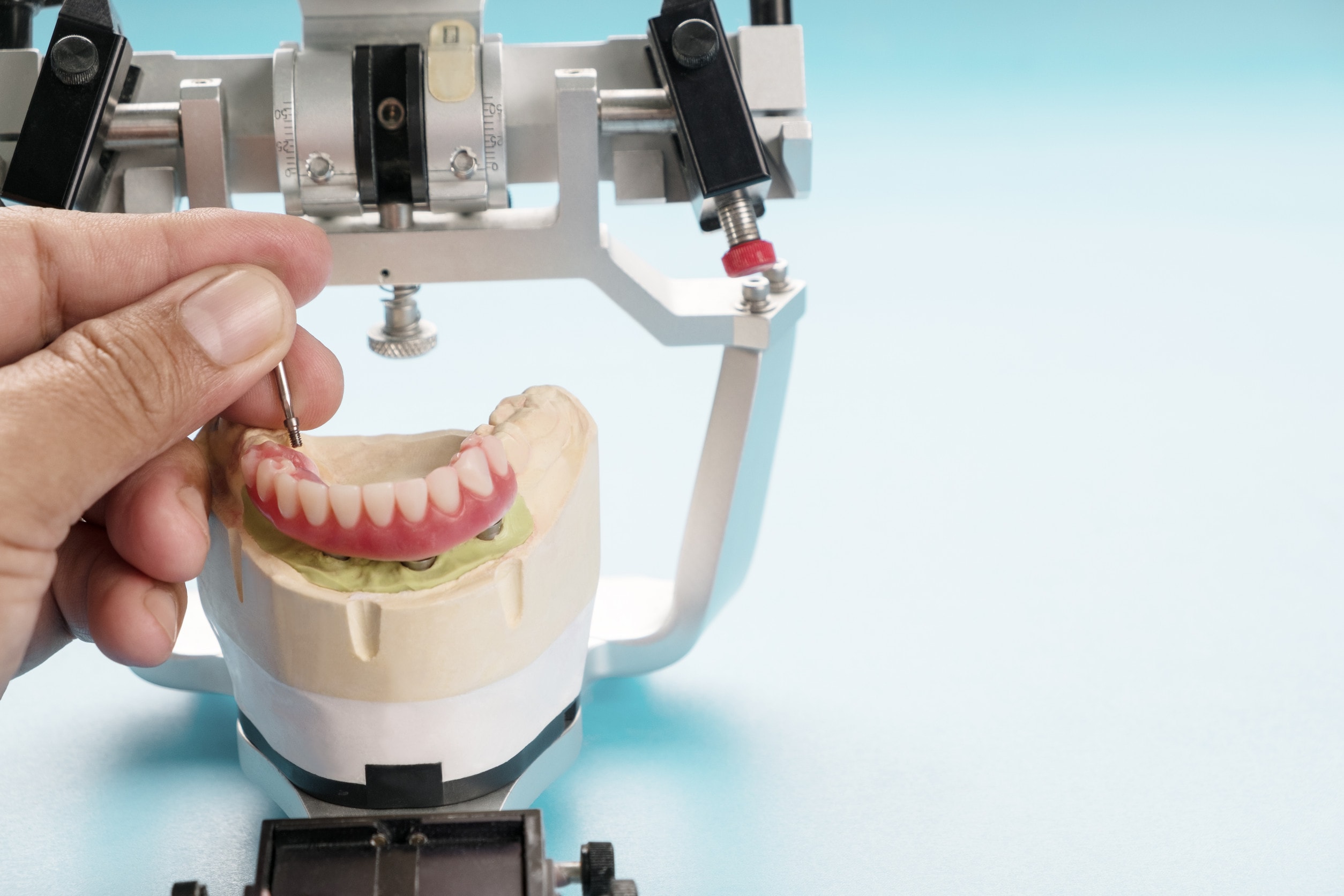
Mini dental implants are designed with a screw diameter of less than 3 mm , making them a less invasive option than traditional implants. These implants are ideal for patients with limited bone or those who prefer to avoid complex surgeries. They offer a more affordable alternative, with costs ranging from €650 to €1,500 , compared to traditional implants, which can cost between €1,500 and €6,000. Furthermore, mini implants require shorter intervention times and a quick recovery time, allowing patients to return to normal activities quickly.
However, mini implants may not be suitable for areas with high chewing force, such as molars , and their smaller size can cause loosening. Despite these disadvantages, mini implants are an effective solution for many patients, offering reduced postoperative pain and a shorter recovery time.
When to choose mini implants
Mini implants are preferable when space is limited in the mouth or when the patient is on a budget . They are ideal when there are bone space limitations or when patients prefer to avoid complex surgical procedures.
This option is advantageous for those on a tight budget, as mini implants are generally less expensive than traditional implants. Furthermore, they are recommended for patients with insufficient bone density who cannot receive traditional implants.
Advantages and disadvantages of mini implants
Mini dental implants offer a less invasive solution than traditional implants, reducing pain and post-operative recovery time . These implants are more affordable than traditional ones, making dental implant therapy accessible to a wider audience.
However, they may not offer the same long-term stability as standard implants and may not be suitable for high chewing loads. It’s important to consider these differences when choosing the implant solution that best suits your needs.
Pterygoid implants
Pterygoid implants are indicated for patients with severe bone atrophy and represent an advanced solution in implantology. These implants are fixed in the pterygoid bone at a 45-degree angle , providing excellent support thanks to the solidity and thickness of this bone structure, which is the basis of their success.
Thanks to their position, pterygoid implants offer a stable and long-lasting solution for dental rehabilitation , without the need for bone grafts.
Installation procedure
The procedure for installing pterygoid implants requires a preoperative analysis to assess bone quality and plan the procedure. During installation, the implants are inserted through an intraoral approach to minimize tissue trauma .
The insertion is performed under intravenous anesthesia and can be performed in the operating room or dental office, depending on the case. This procedure is designed to be as minimally invasive as possible, while ensuring stability and durability.
Nasal implants
Nasal implants are an advanced technique for patients with significant bone loss in the upper jaw. This type of implant represents an effective solution for those with severe bone atrophy, offering an alternative to traditional bone grafts. Nasal implants are fixed into the nasal bone, a solid and stable structure , providing excellent support for the prosthesis.
Advantages of nasal implants
Nasal implants are an effective treatment option for patients with significant bone loss. A significant advantage is that they avoid the need for bone grafts , simplifying the surgical process and reducing recovery time.
Furthermore, these implants help maintain bone structure, reducing the risk of bone resorption thanks to their ability to stimulate the surrounding bone. This makes them an excellent choice for those seeking a long-lasting and stable tooth replacement solution.
Indications for nasal implants
Nasal implants are recommended for patients who cannot receive conventional implants due to lack of bone volume. They are used to rehabilitate dental arches in patients with significant bone atrophy . Ideal candidates include patients without sufficient upper jaw bone and those with anatomical limitations that hinder the use of traditional implants.
A detailed preoperative examination is necessary to assess the patient’s anatomy and plan implant placement. This assessment is essential for determining suitability for nasal implant surgery.
Conclusion
We’ve explored a wide range of dental implants, each with unique characteristics and benefits. Endosseous implants offer stable support for dentures, while subperiosteal and zygomatic implants are options for patients with low bone density. The All-On-4, All-On-6, and All-On-8 techniques offer solutions for replacing entire dental arches, each with specific advantages. Mini implants offer a less invasive and more economical solution, suitable for specific cases. Pterygoid and nasal implants are advanced options for patients with severe bone atrophy.
FAQ
What are the main types of dental implants?
The main types of dental implants include endosseous, subperiosteal, zygomatic implants, the All-On-4, All-On-6, All-On-8 systems, as well as mini dental implants and pterygoid and nasal implants.
Who is an ideal candidate for All-On-4 implants?
Ideal candidates for All-On-4 implants are edentulous patients or those with sufficient bone density. However, smokers and people with periodontal disease may not be suitable for this treatment.
What are the advantages of mini dental implants?
Mini dental implants are advantageous because they are less invasive, cause less pain, and allow for a quicker post-operative recovery. They are also a more economical option and require less time to complete.
When are pterygoid implants indicated?
Pterygoid implants are indicated for patients with severe bone atrophy in the upper jaw, who cannot support conventional implants due to insufficient bone volume.
What are the benefits of nasal implants?
Nasal implants offer significant benefits, such as simplifying the surgical process by avoiding bone grafts and preserving bone structure as well as reducing the risk of bone resorption.
