
In this article, you will discover the advantages of the FUE technique for hair transplantation, its detailed procedure and the associated costs.
In a nutshell
- FUE hair transplant is a minimally invasive surgical procedure that ensures natural results by extracting and implanting individual follicular units .
- Preparation and postoperative care are important for the success of the transplant, with careful follow-up to prevent complications.
- The costs of an FUE transplant vary from 4,000 to over 10,000 euros , influenced by factors such as the number of follicular units and the reputation of the clinic.
What is FUE hair transplant?
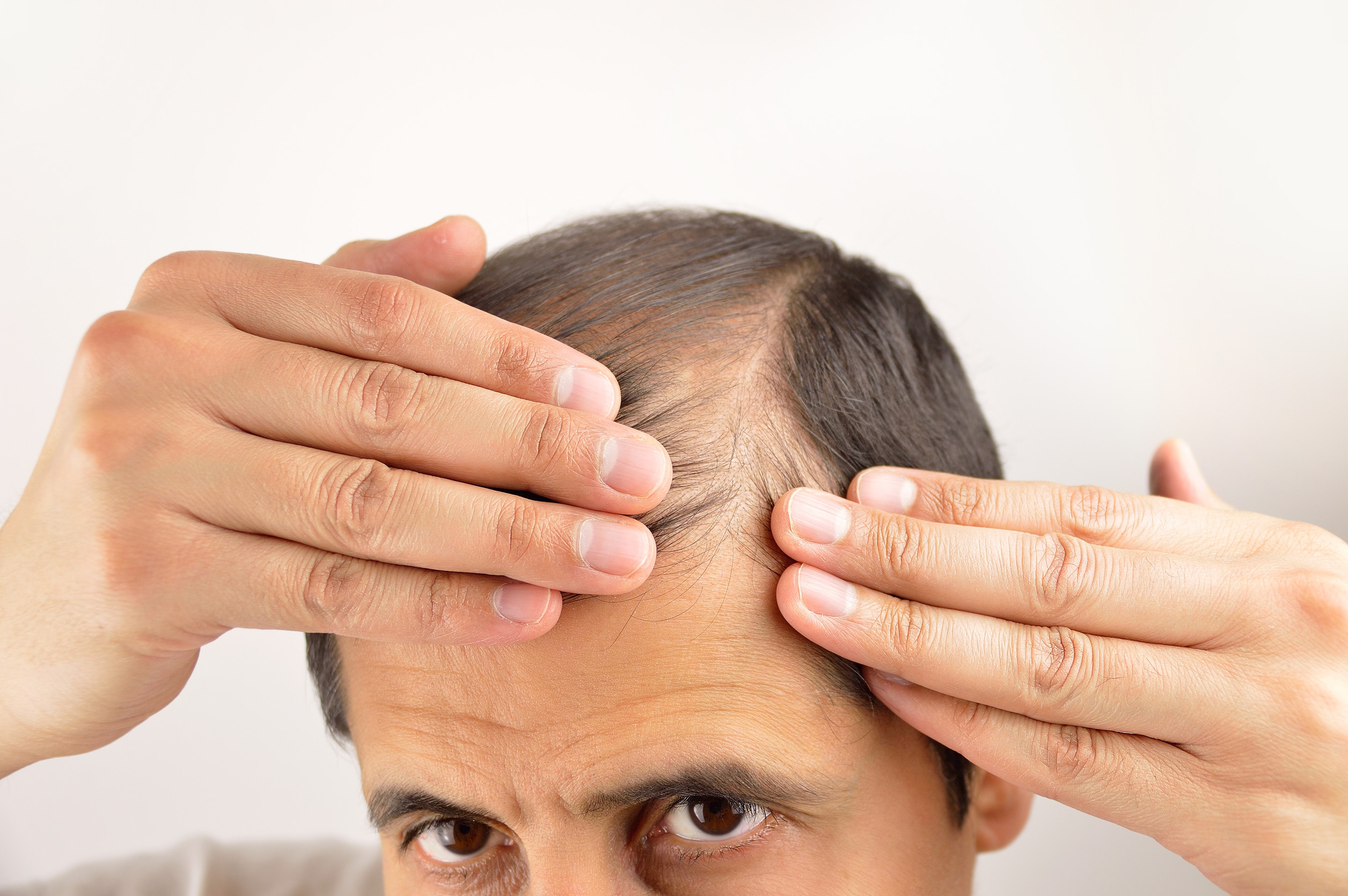
FUE hair transplant, also known as hair transplant , is an advanced surgical procedure designed to combat baldness and restore thinning areas of the scalp. This technique aims to ensure natural and satisfying results for patients, offering a long-lasting and minimally invasive solution for those suffering from hair loss.
The FUE procedure involves extracting individual follicles from the donor area of the scalp , which are then implanted into the thinning areas . This approach allows the follicles to retain their genetic characteristics, ensuring completely natural-looking hair regrowth for both men and women.
Patient suitability for the procedure is essential to ensure success and final satisfaction, especially for those suffering from androgenetic alopecia who wish to improve their personal image.
Differences between FUE and FUT
When considering a hair transplant, it’s important to understand the differences between the available techniques. The two main ones are FUE and FUT. FUE (Follicular Unit Extraction) is considered less invasive and easier to perform than FUT (Follicular Unit Transplantation).
- FUE involves the extraction of single follicular units using microprecision instruments, ensuring minimal and less visible scarring.
- The FUT technique, on the other hand, involves removing a strip of scalp from the donor area, which can leave more visible scars.
Although FUE is less invasive, the FUT technique generally has slightly higher hair regrowth success rates. The choice between FUE and FUT depends on several factors, including the patient’s specific characteristics and needs . It is essential to consult an experienced surgeon to determine which technique is best suited to achieve the desired results.
Advantages of FUE hair transplant
Hair transplantation using the FUE technique offers numerous advantages over other methods . One of the main benefits is the natural-looking results achieved . Thanks to the extraction and implantation of individual follicular units, the transplanted hair integrates perfectly with the existing hair, creating an authentic appearance.
Another major advantage is the reduction of scarring . FUE leaves only small, rounded scars that are virtually invisible, a particularly important feature for those who want to wear their hair short.
Furthermore, the Micro FUE technique further reduces trauma to the donor area , allowing for natural regeneration without visible scars.
Finally, FUE has a very low incidence of complications , making it a safe and effective choice for hair transplantation.
FUE hair transplant procedure

The FUE hair transplant procedure is a meticulous process that requires precision and attention to detail. It begins with a pre-operative consultation to assess the scalp’s condition and develop a personalized plan.
During the procedure, follicles are extracted with microprecision instruments and implanted into the thinning areas, following specific patterns to ensure a natural result. After the procedure, proper post-operative care is essential to achieve the best possible results.
Preparation before surgery
Preparation for FUE surgery begins with a detailed consultation with the specialist . During this visit, the scalp condition and the patient’s expectations will be assessed . This phase also includes a review of the patient’s medical and surgical history to ensure there are no contraindications.
If the areas of alopecia are very extensive, it may be advisable to divide the procedure into several sessions to reduce stress and anesthesia.
In the preparatory phase, the area to be replenished is defined and the extraction site is delineated . The nape of the neck is shaved to facilitate follicle extraction, and the number of hairs to be removed to achieve the desired results is confirmed. This careful preparation is essential to ensure a successful procedure and natural hair regrowth.
Follicular unit extraction
Follicular unit extraction is a crucial step in the FUE technique .
Using microprecision surgical instruments, surgeons harvest follicles from the donor area , usually the nape of the neck or the sides of the scalp . This process can be performed manually or with the aid of a motorized device, ensuring minimal invasiveness and preserving surrounding tissue.
Follicular unit implantation
After extraction, the follicular units are implanted into the thinning areas of the scalp. This process involves creating calibrated micro-incisions in the recipient area, where the follicles are precisely inserted to ensure proper engraftment and a natural appearance. The scabs that form around the transplanted follicles are a positive sign that the engraftment process is proceeding properly.
Accurate positioning of the follicles is crucial to ensure hair grows in the desired direction and at the desired angle. This step requires great skill on the part of the surgeon to achieve an optimal and satisfying aesthetic result for the patient.
Duration and anesthesia of FUE hair transplant
The duration of the FUE hair transplant procedure can vary significantly depending on several factors, including the number of follicular units to be transplanted and the skill of the surgeon .
Furthermore, FUE transplantation is performed under local anesthesia , which ensures a painless experience for the patient and a quick recovery.
Duration of the intervention
The duration of an FUE hair transplant procedure can range from 4 to 10 hours , depending on the complexity of the case and the number of follicular units to be transplanted. For example, a procedure involving the transplant of approximately 2,000 follicular units can take about 4 hours . The overall duration also depends on the skill and experience of the surgical team, which can influence the speed and effectiveness of the process.
A more extensive procedure, with a larger number of follicles to transplant, can take up to 10 hours. It’s important to consider that the length of the procedure can impact the patient’s overall experience and comfort during the procedure.
Types of anesthesia used
During FUE hair transplantation, local anesthesia is used to ensure a painless experience for the patient . This type of anesthesia allows for a painless procedure and promotes a quicker recovery than general anesthesia.
Results and post-operative course
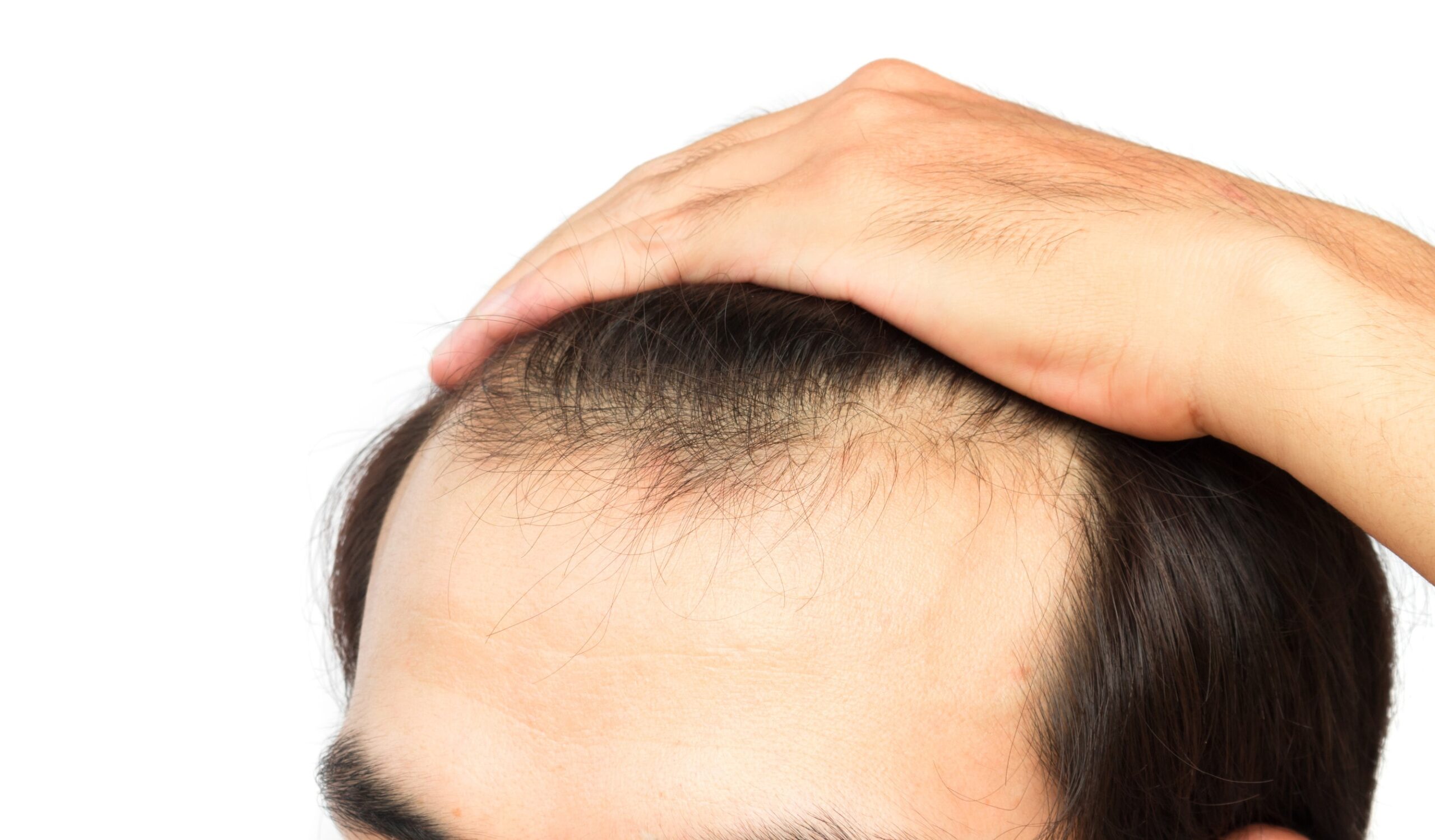
After an FUE hair transplant, the final results take time to become visible . The recovery period varies from patient to patient, but most visible healing occurs in the first few weeks.
It is essential to carefully follow the post-operative instructions to ensure optimal healing and prevent complications.
Post-operative care
Post-operative care is essential to the success of an FUE hair transplant. Once the transplant is complete, a compression bandage is applied to protect the transplanted area .
The patient must follow a series of instructions to avoid infections and promote the healing process . It is necessary to wash the hair with an antiseptic shampoo every 48 hours , avoiding excessive rubbing. Furthermore, it is essential to keep the transplanted area sterile and sanitized to reduce the risk of post-operative infections.
Hair regrowth times
Regrowth of transplanted hair generally begins about 10 days after the procedure, when the scabs begin to peel off, signaling the start of the regrowth process.
However, a ‘loss shock’ phase may occur, during which the transplanted hair temporarily falls out.
This occurs about a month after surgery and is nothing to worry about, as it is part of the normal regrowth process.
Transplanted hair begins to grow visibly after about 4 months , and hair density reaches 70% of the expected growth after about 9 months. Full recovery and final results are visible after a year, at which point patients can see the full effects of the transplant.
Risks and complications of FUE hair transplantation
FUE hair transplantation is generally considered safe when performed by experienced surgeons . However, like any surgical procedure, it carries certain risks and complications that must be considered.
It is important to be aware of these potential issues to make an informed decision.
Possible complications
Possible complications of FUE hair transplantation include visible scarring if the follicular units are not implanted correctly . Although the FUE technique is less invasive and leaves only small scars, the surgeon’s skill is crucial to avoid unnatural results.
It is recommended to avoid direct exposure to the sun and the use of aggressive products on the scalp in the first few days after treatment to prevent complications.
Furthermore, it is essential to avoid strenuous physical activity for at least a month after surgery to avoid damaging the transplanted grafts. Following these precautions can help minimize risks and ensure optimal results.
Prevention and management of complications
Un attento follow-up post-operatorio è fondamentale per prevenire complicazioni dopo un trapianto di capelli. La scelta di un chirurgo esperto è cruciale per ridurre il rischio di complicazioni durante e dopo l’intervento. Inoltre, fattori come la pianificazione preoperatoria, la tecnica chirurgica utilizzata e la cura post-operatoria possono influenzare i rischi associati al trapianto di capelli.
Mantenere un contatto costante con il medico e seguire tutte le indicazioni post-operatorie può aiutare a gestire eventuali complicanze che potrebbero insorgere. In questo modo, è possibile assicurarsi che il processo di guarigione proceda senza intoppi e che i risultati siano soddisfacenti.
Costi del trapianto capelli FUE
| Paese | Costo Medio (€) |
|---|---|
| Italia | 4.000 – 10.000 |
| Turchia | 1.500 – 3.500 |
| Spagna | 4.000 – 7.000 |
| Germania | 5.000 – 9.000 |
| Regno Unito | 6.000 – 12.000 |
| Stati Uniti | 8.000 – 15.000 |
| Canada | 7.000 – 13.000 |
| India | 1.000 – 2.500 |
| Thailandia | 2.000 – 4.000 |
| Brasile | 3.000 – 6.000 |
Il costo del trapianto di capelli FUE può variare notevolmente in base a diversi fattori, tra cui il numero di unità follicolari necessarie e la reputazione della clinica. In Italia, il prezzo può oscillare da qualche migliaio di euro fino a oltre 10.000 euro.
Fattori che influenzano il costo
Il costo del trapianto di capelli FUE è determinato principalmente dalla quantità di unità follicolari necessarie e dalle aree da rinfoltire. Anche la qualità del personale medico e della struttura influiscono sui costi finali dell’intervento. La disponibilità della procedura e la reputazione del chirurgo possono influenzare ulteriormente il prezzo finale.
I costi del trapianto capelli includono tutte le spese relative all’intervento, senza costi aggiuntivi. È quindi essenziale considerare tutti questi fattori quando si pianifica un trapianto di capelli FUE per assicurarsi di ottenere il miglior rapporto qualità-prezzo possibile.
Prezzi medi e opzioni di finanziamento
Il costo medio per un intervento di trapianto capelli FUE varia generalmente tra 4.000 e 6.500 euro. Tuttavia, le cliniche all’estero generalmente offrono pacchetti completi a prezzi inferiori, Questo rende il trapianto FUE accessibile a un’ampia gamma di pazienti.
Per rendere il costo dell’intervento più accessibile, molte cliniche offrono anche opzioni di pagamento rateale. Questo permette ai pazienti di dilazionare il pagamento nel tempo, rendendo più facile affrontare la spesa senza compromettere la qualità dell’intervento.
Conclusione
In short, FUE hair transplantation represents an advanced, minimally invasive solution for anyone wishing to combat baldness and replenish their scalp. The advantages of this technique include natural-looking results, minimal scarring, and a low incidence of complications. While the cost can vary, available financing options make this treatment accessible to many. With the right training and an experienced surgeon, the results can be striking and long-lasting.
FAQ
What is FUE hair transplant?
FUE, or Follicular Unit Transplant, is a surgical procedure that involves extracting individual hair follicles from the donor area and then implanting them in the areas affected by thinning. This method ensures natural aesthetic results and minimizes scarring.
What are the differences between FUE and FUT?
The main difference between FUE and FUT is that the FUE technique is less invasive and results in minimal scarring, while FUT involves the removal of a strip of scalp, resulting in more visible scarring.
What are the advantages of FUE hair transplant?
The advantages of FUE hair transplantation include natural-looking results, invisible scars, and a low incidence of complications.
How long does an FUE hair transplant procedure last?
The duration of an FUE hair transplant procedure can vary between 4 and 10 hours, influenced by the number of follicular units to be transplanted and the surgeon’s skill.
What are the costs of an FUE hair transplant?
The cost of an FUE hair transplant is generally between 3,000 and 10,000 euros, depending on the follicular units required and the reputation of the chosen clinic.
