
Are you considering dental implants but unsure how long they’ll last? In this article, you’ll learn about the lifespan of dental implants and valuable tips for maximizing their use over the years.
In a nutshell
- The lifespan of dental implants varies on average between 10 and 15 years, but with proper care it can exceed 20 years.
- Factors such as the quality of materials, oral hygiene, and the patient’s health are crucial to the longevity of dental implants.
- Technological innovations such as computer-guided implantology and new materials are improving the durability and success of dental implants.
How long do dental implants last?
The average lifespan of a dental implant varies between 10 and 15 years, but with good maintenance and regular care it can last over 20 years .
Titanium implants, for example, have a longevity of up to 25 years thanks to their resistance and ability to osseointegrate .
How long does a dental implant last? Regular visits to the dentist and consistent professional care are essential to prolonging the life of your dental implants .
High-quality dentures , combined with good oral hygiene , can ensure that your dental implant remains in good condition for many years. It is therefore essential to follow your dentist’s recommendations regarding maintenance and regular check-ups.
Factors that influence the lifespan of dental implants
| Factor | Description |
|---|---|
| Oral hygiene | Good oral hygiene is essential to prevent infections and ensure the longevity of implants. Regular brushing, flossing, and interdental brushes help keep the area around the implant clean. |
| Patient’s age | Age can affect healing and jawbone quality. Younger patients tend to have denser bone, while older patients may be at greater risk of bone loss. |
| Jaw bone quality | The density and health of the jawbone are crucial for osseointegration and implant stability. Good-quality bone increases the chances of long-term success. |
| Materials used | Materials such as titanium and zirconium are chosen for their biocompatibility and strength. The choice of material can influence the implant’s durability and aesthetics. |
| Quality of treatment | Treatment performed by an experienced professional using advanced technology can improve the success and longevity of the implant. Precision insertion is essential to avoid complications. |
The longevity of a dental implant is the result of a combination of factors that work together to ensure stability and functionality over time. Oral hygiene is perhaps the factor most controllable by the patient; a rigorous cleaning routine can prevent plaque and tartar buildup, reducing the risk of infections that could compromise the implant.
The patient’s age plays a significant role, as younger patients tend to have faster healing and denser jawbone , which promotes better osseointegration. However, even older patients can benefit from dental implants if the bone is properly prepared.
Jawbone quality is another crucial component. Dense, healthy bone provides better support for the implant , while weak or compromised bone may require additional procedures such as bone grafts to improve the condition.
Implant materials, such as titanium and zirconium, are chosen for their strength and biocompatibility . The choice of material can influence not only the implant’s durability but also its aesthetics, with zirconium offering superior aesthetic benefits.
Finally, the quality of the treatment received is essential. An experienced dentist using advanced technologies can ensure precise and minimally invasive placement , reducing the risk of complications and improving the overall longevity of the implant . A personalized treatment approach that considers all these factors is crucial to the long-term success of dental implants.
Dental implant materials and their impact on durability
| Material | Impact on duration |
|---|---|
| Titanium | High strength, capacity for osseointegration, longevity up to 25 years. |
| Zirconium | Superior aesthetics, biocompatibility, lifespan between 15 and 25 years, lower mechanical resistance. |
| Titanium alloys | Increased strength, improved bone integration, extended life. |
| Composite materials | Improved resistance, superior aesthetics, variable durability depending on quality. |
| Advanced ceramics | Improved aesthetics and resistance, duration dependent on the quality of the treatment. |
The materials used for dental implants are crucial for their durability and stability. The two main materials are titanium and zirconium, both known for their biocompatibility and ability to integrate with bone. However, each has its own specific characteristics and advantages.
Titanium implants
Titanium implants are highly regarded for their corrosion resistance and ability to integrate with the jawbone, a process known as osseointegration. This material promotes long-lasting implant stability, making them a popular choice among dentists and patients.
Thanks to its exceptional strength, titanium is able to withstand chewing loads without compromising the stability of the implant .
Its longevity is further enhanced by its corrosion resistance , ensuring that the system remains in good condition for many years.
Zirconium implants
Zirconia implants are gaining popularity due to superior aesthetics, biocompatibility, fewer allergic reactions than titanium, and excellent bone integration.
The lifespan of zirconium implants can vary between 15 and 25 years , depending on the quality of care and maintenance.
Despite the aesthetic advantages, it is important to consider the mechanical strength of zirconium, which can be lower than that of titanium . However, recent technological advances are improving the mechanical properties of zirconium implants, making them an increasingly reliable choice.
Advanced Ceramic Materials Plants
Dental implants made of advanced ceramic materials are emerging as an innovative solution in the field of implantology.
These materials offer superior aesthetics , being able to mimic the natural color of the tooth, and are highly biocompatible, reducing the risk of allergic reactions. Furthermore, advanced ceramics feature improved mechanical strength compared to traditional ceramics, ensuring greater durability and stability.
Thanks to their unique properties, these implants represent an excellent choice for patients seeking an aesthetic and long-lasting alternative to metal materials . The continuous evolution of ceramic technologies and materials promises to further improve the performance and longevity of dental implants, ensuring a natural and lasting smile.
What to do to extend the life of dental implants

Good oral hygiene and regular maintenance are essential to prolonging the life of dental implants. Daily habits like brushing and flossing, along with regular dental checkups, can make a big difference in the longevity of your implants.
It’s essential to care for dental implants the same way you would your natural teeth. This includes thorough cleaning after every meal and using specialized tools to remove plaque and prevent infection.
Oral hygiene routine
To keep dental implants healthy, it’s recommended to brush and floss at least twice a day. Cleaning around dental implants is essential to prevent infection and plaque buildup.
Using specialized toothbrushes, dental floss, and interdental brushes can help maintain good oral hygiene and prolong the life of dental implants. Following these daily practices can ensure greater implant longevity.
Periodic checks
Regular dental visits are essential for monitoring the health of your dental implants and preventing complications. Regular checkups help identify potential problems before they become serious , helping to preserve the longevity of your dental implants.
During these visits, the dentist can perform a professional cleaning of the implants and ensure they are in good condition. This type of regular maintenance is essential to ensure that dental implants and dental implants last as long as possible.
Lifestyle
Lifestyle and personal habits play a crucial role in the longevity of dental implants.
Harmful habits, such as smoking, can significantly reduce the lifespan of dental implants. Adopting a healthy lifestyle and caring for implant roots are essential to ensuring their longevity.
Regular exercise and stress management are equally important to maintain oral health and the stability of implants over time.
Influence of smoking and alcohol
Smoking compromises blood flow and the lifespan of dental implants, reducing blood flow and hindering post-implant regeneration. Smoking increases the risk of infections and complications associated with dental implants.
Alcohol consumption can also negatively impact the oral health of dental implant patients, compromising their stability and longevity. Avoiding these habits can help keep implants in good condition for many years.
Balanced diet
A balanced diet is essential for maintaining oral health and supporting the longevity of dental implants . Essential nutrients in the diet strengthen gums and jawbone , contributing to a longer lifespan for implants.
A nutrient-rich diet can support tissue health and contribute to the longevity of dental implants. Adopting a balanced diet is therefore one of the best solutions for ensuring the long-term stability and functionality of dental implants.
Common problems and solutions
Dental implants can present some common problems, but there are effective solutions to address them. Among the most common problems are bacterial infections, peri-implantitis, and implant failure. It’s important to recognize the warning signs and intervene promptly to avoid complications.
If an implant fails, it is possible to evaluate the bone condition and repeat the process, possibly with a bone graft . Available solutions allow for the preservation of the functionality of dental implants and ensure a positive replacement for the patient.
Peri-implantitis
Peri-implantitis is characterized by inflammation of the tissues around the implant and can lead to bone loss if left untreated. It is essential to recognize the symptoms of peri-implantitis, such as bleeding gums and swelling , and intervene promptly to prevent permanent damage.
Treatment of peri-implantitis may include professional cleaning of the implant, antibiotics, and, in some cases, surgery to remove the infected tissue and regenerate the bone. Prevention, through good oral hygiene and regular checkups, is the key to avoiding this complication.
Plant failure
System failure can be caused by:
- an excessive load
- incorrect distribution of force on the implant
- excessively thin or retracted soft tissue due to bacterial plaque and tartar and rejection.
A common symptom of decay is the appearance of a black border or dark halo between the crown of the tooth and the gum.
If an implant becomes loose, it must be removed immediately to avoid further complications. In some cases, the titanium implant may need to be removed and replaced.
Prevention through proper load distribution and good oral hygiene is essential to avoid compromising the stability of the implant and find a solution.
Technological innovations in implantology
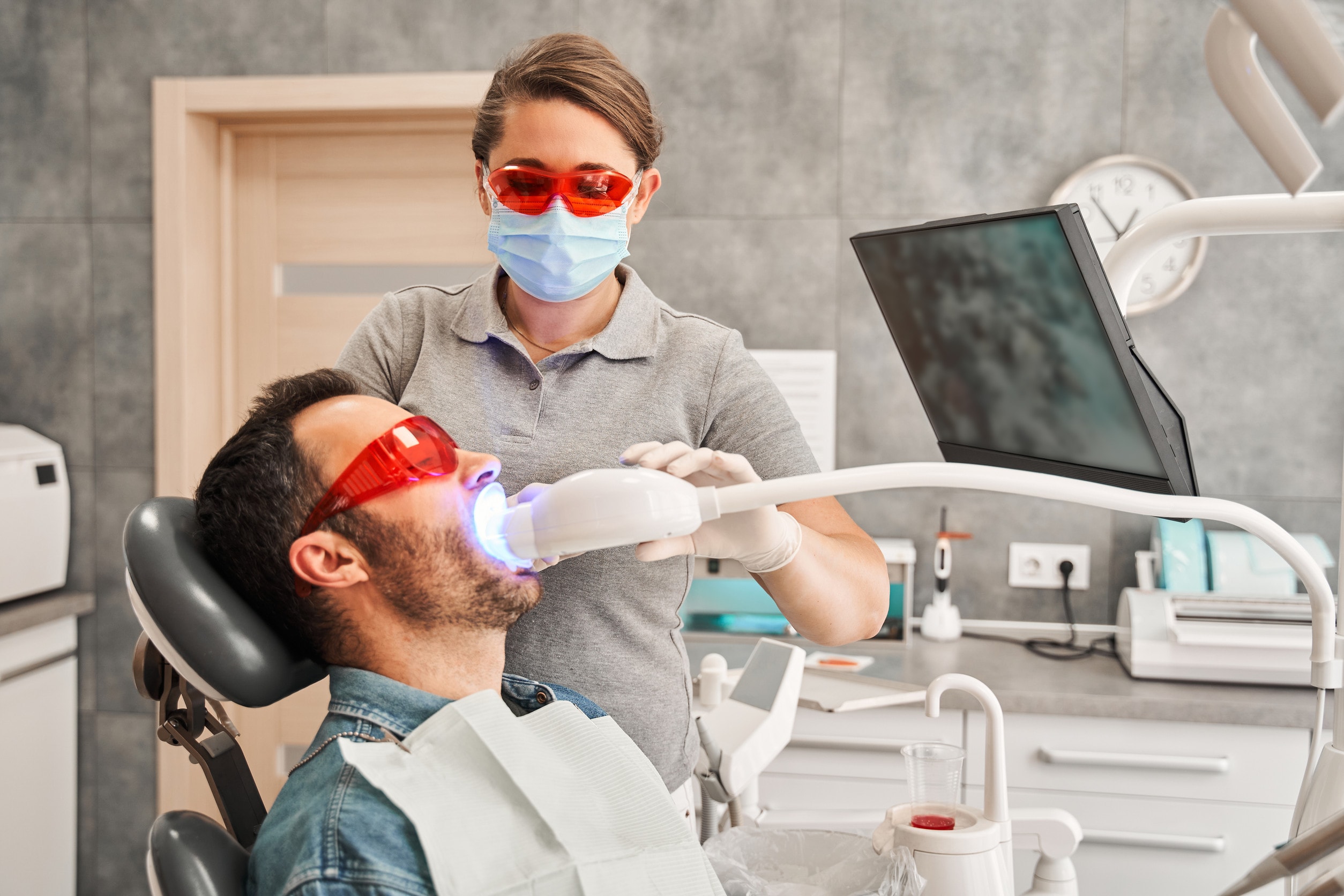
Technological innovations are revolutionizing the field of implantology, improving the longevity and success of dental implants. Modern technologies such as computer-guided implantology and 3D scanners allow for more precise and safe surgical planning , increasing the success of dental implant placements in the practice.
These advanced technologies not only improve the precision of implant placement, but also reduce healing times and surgical trauma for patients , thanks to the use of innovative devices, making the reality of surgery more efficient.
Advanced insertion techniques
Techniques such as immediate loading implantology allow for the application of a prosthesis immediately after implant placement, reducing healing times and improving the patient experience . The immediate loading technique allows for the installation of fixed prostheses on the same day as implant placement, significantly reducing waiting times.
Minimally invasive techniques, such as flapless implantology, reduce surgical trauma and speed up healing times. These innovative techniques allow implants to be placed without making gum incisions, reducing trauma and post-operative pain.
New generation materials
Newer composite and ceramic materials offer greater strength and improved aesthetics compared to traditional titanium implants. Advanced titanium alloys offer greater strength and improve bone integration, contributing to the longer life of dental implants.
The adoption of these new materials and technologies is essential to ensure the greater longevity of dental implants. New emerging materials and technologies are being developed to improve the durability and performance of dental implants, ensuring a healthy, long-lasting smile.
Conclusion
In conclusion, the lifespan of dental implants depends on a combination of factors, including the materials used, oral hygiene, lifestyle, and technological innovations. With proper maintenance and care, dental implants can last a lifetime, ensuring stability and functionality. It is essential to follow your dentist’s recommendations and adopt a healthy lifestyle to maximize the longevity of your dental implants.
Frequently Asked Questions
How long does a dental implant last?
A dental implant can last between 10 and 15 years, but with proper care and regular visits, it is possible to extend its life beyond 20 years.
What factors influence the lifespan of a dental implant?
The lifespan of a dental implant is primarily determined by the materials used, the quality of the jawbone, oral hygiene, and the patient’s general health.
Is it important to follow a specific oral hygiene routine for dental implants?
It is essential to follow a specific oral hygiene routine for dental implants, using a toothbrush, dental floss, and interdental brushes to ensure their health and longevity.
How does smoking affect the lifespan of dental implants?
Smoking negatively affects the lifespan of dental implants, as it compromises blood flow and reduces blood supply, increasing the risk of infections and complications.
What can I do if my dental implant shows signs of failure?
If your dental implant shows signs of failure, it is essential to contact your dentist immediately, as it may need to be removed and replaced.
