
Want to know how to get a dental implant? This article will walk you through the process step by step, explaining each step simply and clearly.
In a nutshell
- A dental implant involves several phases including initial examination, planning, placement and osseointegration.
- Local anesthesia is generally used during surgery , ensuring comfort and a quick recovery, with post-operative pain management essential for effective healing.
- Titanium is the preferred material for dental implants due to its biocompatibility and strength, while zirconia represents a valid aesthetic alternative in specific cases.
How is a dental implant made?
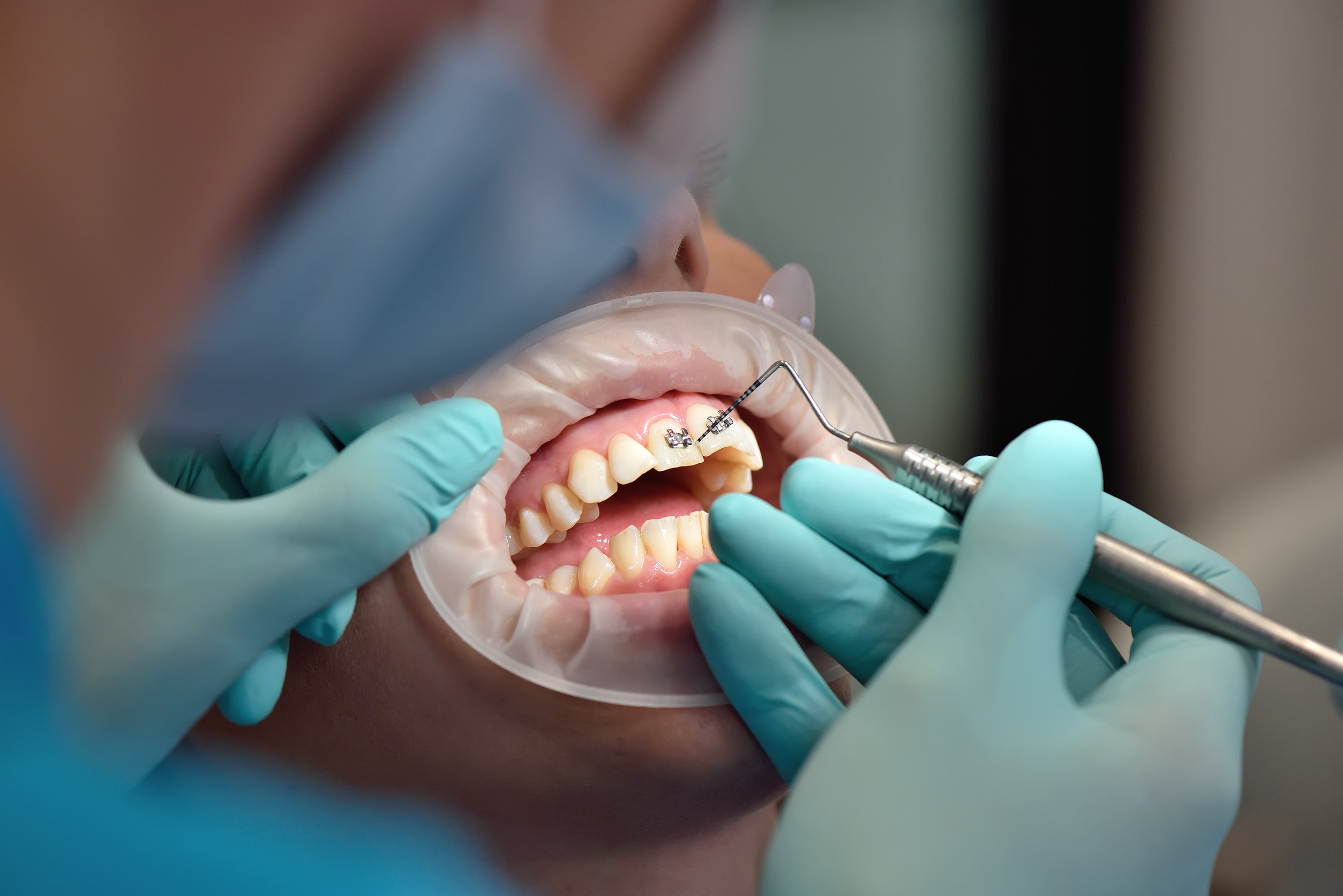
The process of placing a dental implant is divided into several phases, each of which is crucial to the success of the procedure.
Here are the main steps:
- Initial examination : assessment of the patient’s oral health and condition.
- Detailed Planning : Creating a personalized treatment plan.
- Implant placement : Placement of the implant into the jawbone.
- Healing : period in which the implant integrates with the bone.
- Crown placement : application of the final prosthesis on the implant and verification of the correct placement of the implant.
Preliminary preparation
Preliminary preparation is a crucial step that begins with a visit to the dentist to assess your oral health and identify any oral diseases. This preliminary analysis helps determine whether dental implant treatment and follow-up visits are possible.
Planning
Subsequently, digital planning is performed , which offers numerous advantages, including minimizing trauma and simplified patient management both during and after surgery.
Another important step is a 3D radiographic analysis of the jaw, which allows us to assess the bone volume available for implant placement . If necessary, bone regeneration can also be performed to ensure a solid and adequate base for the implant.
Insertion of the endosseous screw
Once the preliminary preparation is complete, the endosseous screw is inserted . This process begins with the administration of local anesthetic to ensure the patient feels pain-free during the procedure.
Dental implant placement is a minimally invasive procedure , which reduces post-operative pain and speeds up internal recovery.
The dental surgeon makes an incision in the gum to expose the maxillary or mandibular bone and, using specialized instruments, creates a space for the insertion of the endosseous screw . This screw acts as an artificial root on which the denture will be mounted. During dental implant surgery, it is essential to avoid complications such as infection, nerve damage, and sinus perforation.
After the screw is inserted, the gum is sutured and the patient receives detailed instructions on how to care for the operated area to promote rapid and uncomplicated healing, ensuring immediate loading.
Osseointegration
Osseointegration is a crucial process for the success of a dental implant. During this phase, the implant integrates with the surrounding bone , becoming a stable and permanent part of the bone structure. This biological process allows for the application of a fixed prosthesis, ensuring long-term stability and functionality.
The time required for osseointegration can vary from patient to patient, but generally takes 2 to 6 months for complete stability. During this time, it is important to follow your dentist’s recommendations to ensure successful integration. Titanium is the preferred material for dental implants due to its excellent ability to integrate with the jawbone, a process called osseointegration.
At the end of the osseointegration process, the final denture is fitted, giving the patient a natural and functional smile. This appointment represents the culmination of the entire implantology process, where every detail has been carefully considered to offer a long-lasting, high-quality solution, ensuring optimal teeth.
Anesthesia and pain management

Anesthesia plays a crucial role in ensuring that dental implant surgery is as comfortable as possible for the patient. Before beginning the implant placement process, local anesthesia is administered to eliminate any pain during the procedure. This allows the patient to approach the procedure calmly and without anxiety.
The effects of local anesthesia last only a few hours , allowing the patient to quickly return to their daily activities. However, it is important to follow the dentist’s instructions to avoid complications and ensure an optimal postoperative recovery.
Dental implant materials
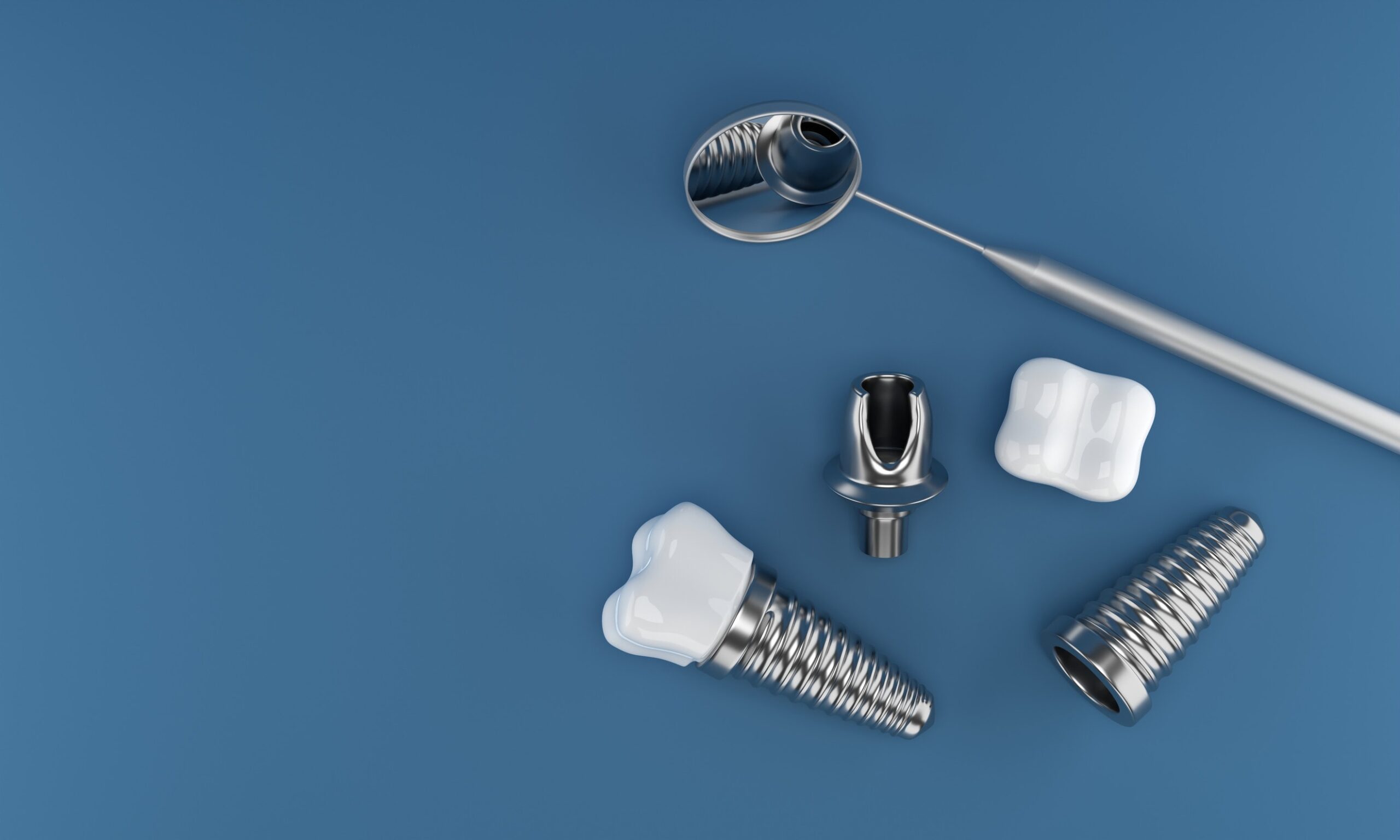
The choice of material for dental implants is crucial to ensuring the success of the procedure and the longevity of the prosthesis. Most implants are made of titanium , a material that has proven to be extremely effective and safe. Titanium is used to create a screw that replaces the root of the missing tooth, providing a solid and stable foundation for the denture.
There are also alternatives to titanium, such as zirconia, which can be used in specific cases. These materials are chosen based on the patient’s individual needs and the characteristics of their bone and tissue structure.
Advantages of titanium
Titanium is considered the most biocompatible material for dental implants. This biocompatibility allows for better integration with the surrounding bone tissue, significantly reducing the risk of rejection and other complications. Its strength and durability make titanium the ideal material for ensuring a stable and long-lasting result.
Another advantage of titanium is its ability to osseointegrate, which ensures that the implant becomes a stable and permanent part of the maxillary or mandibular bone. This process ensures that the denture can withstand the same chewing forces as natural teeth, offering the patient a functional and reliable solution.
Alternatives to titanium
Zirconia is one of the leading alternatives to titanium for dental implants. This ceramic material is metal-free, making it ideal for patients with metal allergies or sensitivities. Zirconia is well tolerated by bone tissue and offers good biocompatibility, ensuring solid integration with the maxillary and mandibular bone.
From an aesthetic standpoint, zirconia is particularly attractive for its white color and translucency, which make it similar to natural teeth. This makes it an excellent choice for patients seeking an aesthetically pleasing and natural solution.
In some cases, zirconia may be better tolerated than titanium, offering a valid alternative for those who want a safe and aesthetically pleasing dental implant, thus improving their life and its use.
Conclusion
In conclusion, dental implant placement is a complex process that requires careful preparation, surgical expertise, and high-quality materials. From the preliminary assessment to the osseointegration phase, each step is crucial to ensuring the success of the procedure and patient satisfaction. The choice of materials, such as titanium and zirconia, plays a crucial role in determining the effectiveness and longevity of the implant.
FAQ
How long does it take to complete a dental implant?
To complete a dental implant, the time required generally varies from 2 to 6 months, including the insertion of the endosseous screw and the osseointegration phase.
Is dental implant surgery painful?
Dental implant surgery is painless thanks to local anesthesia, which prevents pain during the procedure. Afterward, discomfort is usually mild and easily manageable.
What are the risks associated with dental implant placement?
Dental implant placement carries risks such as infection, nerve damage, bleeding, and sinus perforation.
Is titanium the only material used for dental implants?
No, titanium isn’t the only material used for dental implants; zirconia is a valid alternative, ideal for those with metal allergies or sensitivities.
How long does the effect of local anesthesia used during dental implant surgery last?
The effect of local anesthesia during dental implant surgery generally lasts a few hours, facilitating rapid post-operative recovery.
