
Worried about breast augmentation scars? In this article, you’ll discover the factors that influence their visibility and the best strategies to minimize them.
In a nutshell
- Scars in breast augmentation vary depending on the incision technique used : periareolar, inframammary and transaxillary, each with its own aesthetic advantages.
- The quality of scars depends on the surgeon’s skill , post-operative care , and genetic factors; proper management of these aspects is essential to achieving good results.
- Sun protection , staying hydrated , and avoiding smoking are essential practices to minimize the visibility of scars and ensure good healing after breast augmentation surgery.
Types of scars in breast augmentation surgery
| Scar Type | Description |
|---|---|
| Inframammary | Incision in the fold under the breast, scar barely visible and hidden in the natural crease. |
| Periareolar | Incision along the lower edge of the areola, thin scar but possible alteration of sensation. |
| Transaxillary | Incision in the armpit fold, invisible scar on the breast but more complex technique. |
| Submammary | Incision made in the submammary fold, effectively hides the scar in the natural crease of the breast. |
| Transumbilical | Incision in the navel (TUBA), used for saline implants, hidden scar but less common technique. |
| Keloid/Hypertrophic | An abnormal scar, in some cases thickened or raised, may require specific treatments. |
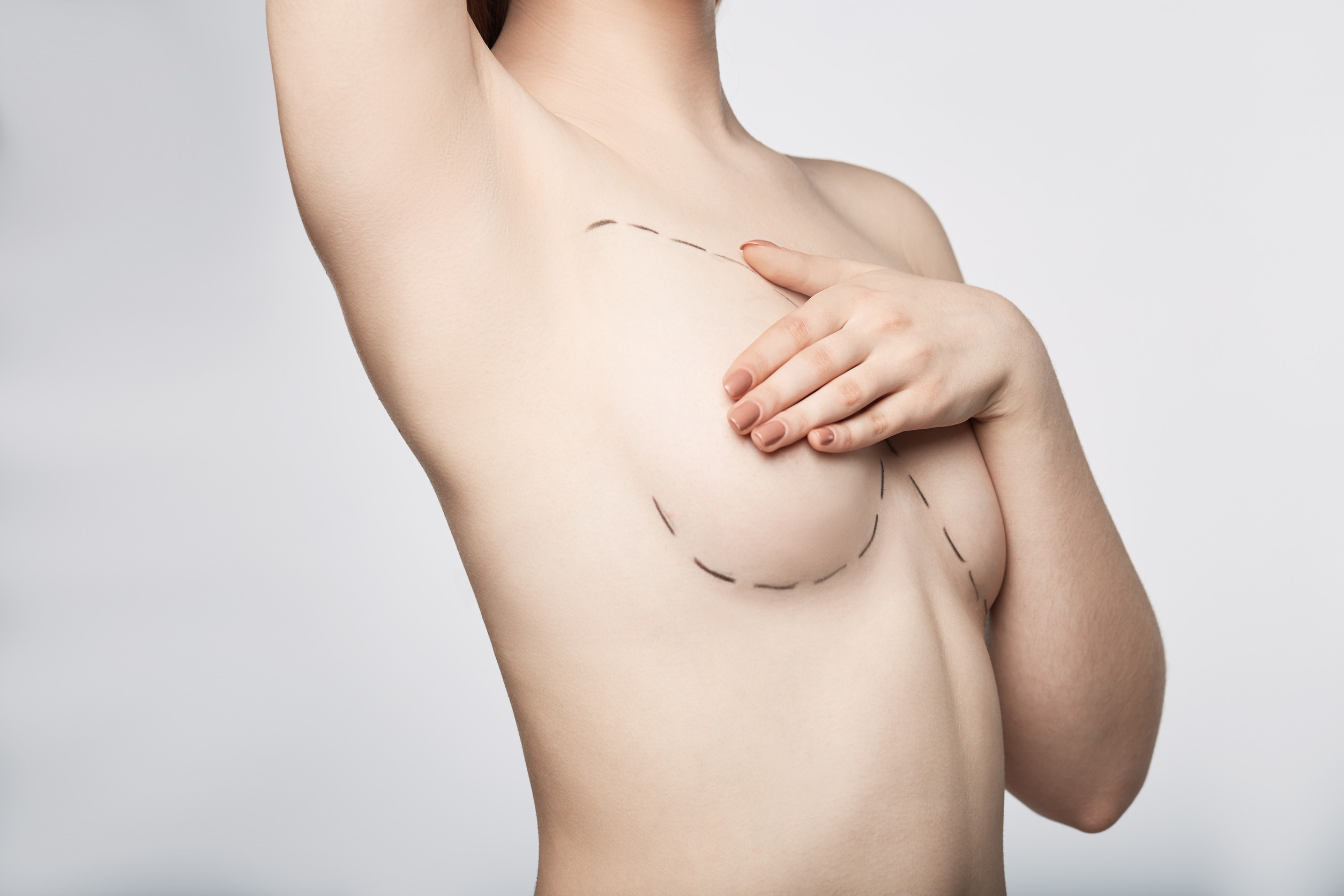
Breast augmentation scars can vary greatly depending on the type of incision used during the procedure. The three main incision techniques include periareolar, inframammary, and transaxillary . Each type of incision has its advantages and disadvantages in terms of scar visibility, and choosing the right technique is essential to achieving the best possible aesthetic result. The location and technique of the incisions significantly influence the final appearance of the scars.
Inframammary incision
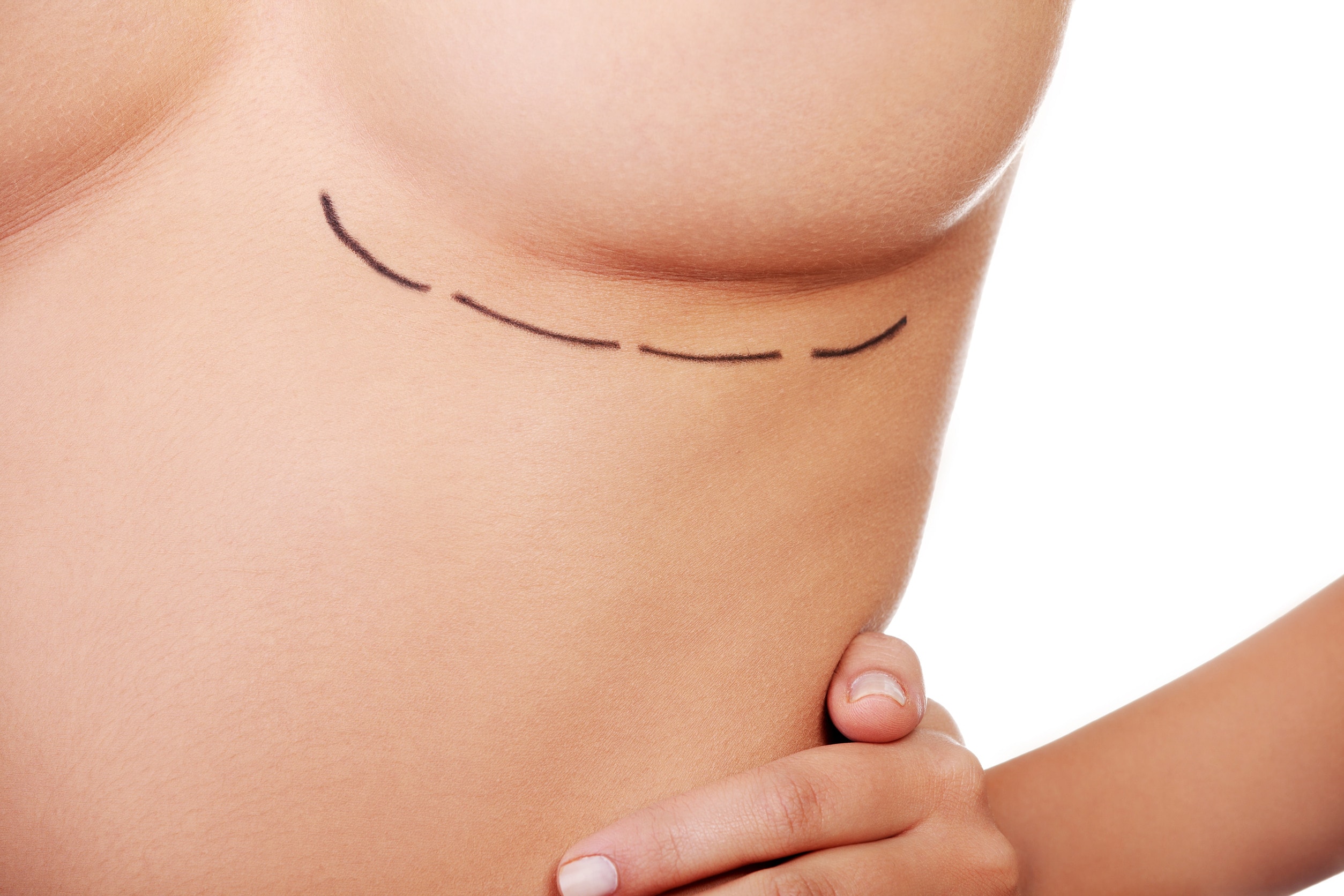
This incision is made in the crease under the breast, an area that naturally hides the scar . Thanks to its strategic location, the resulting scar is barely visible, especially when the breast is in its natural position.
The inframammary incision is particularly advantageous for patients who wish to minimize the visibility of scars. This technique also offers direct access for implant insertion , allowing the surgeon to precisely position them. Proper postoperative care and adherence to the surgeon’s instructions are essential to ensure good healing and optimize aesthetic results.
Periareolar incision
This incision is made along the edge of the areola, effectively hiding scars in the natural color transition between the areola and the surrounding skin . The resulting scars tend to be thin and strategically placed to be as inconspicuous as possible.
Choosing this technique can be particularly advantageous for patients concerned about the appearance of breast surgery scars. Thanks to the incision’s location, the scars are often barely visible , making this option a favorite among both surgeons and patients.
Transaxillary incision
This technique involves an incision made in the armpit, allowing the implants to be inserted without leaving scars on the breast itself .
The transaxillary approach is particularly useful for patients who want a breast lift with virtually invisible scars.
Submammary incision
This incision is made in the submammary fold, a natural area of the breast that effectively hides scars.
This technique is often chosen for its ability to hide scars in the natural crease of the breast, making them virtually invisible when the breast is in its natural position .
Factors that influence the quality of scars
| Factor | Impact on Healing |
|---|---|
| Skin type | Darker or more predisposed skin may develop hypertrophic or keloid scars. |
| Surgical technique | Precise incisions and careful suturing reduce the risk of visible scarring. |
| Post-operative care | Using creams, silicone, and sunscreen helps improve the appearance of scars. |
| Wound tension | Increased tension on the suture can lead to larger or more noticeable scars. |
| Infections or complications | Post-operative infections can worsen the appearance of scars. |
| Genetics | Genetic predisposition influences the tendency to scar in a visible or hypertrophic way. |
| Smoking and lifestyle | Smoking and a poor diet reduce oxygenation of the skin, worsening healing. |
| Sun exposure | Exposure to UV rays can darken scars and make them more visible. |
| Excessive movements | Excessive strain or tension in the first few months can widen the scar. |
The quality of scars after breast augmentation surgery can be influenced by a number of factors , including the surgeon’s skill, post-operative care, and the patient’s genetics . Each factor plays a crucial role in determining the final appearance of the scars and the speed of the healing process.
Understanding these factors can help you make informed decisions and work with your surgeon to achieve the best possible outcomes.
Surgeon’s skills
An experienced surgeon will be able to make precise incisions and use techniques that minimize tissue trauma, thus reducing the risk of visible scarring. When planning cosmetic surgery, the surgeon will consider the patient’s physical structure, skin type, and individual healing capacity to achieve the best possible results.
Choosing a qualified and experienced surgeon is therefore essential to ensure proper healing and minimally visible scarring. Be sure to discuss every step of the process with your surgeon and follow his or her instructions to optimize your results.
Post-operative care
Keeping the scar area clean and dry, avoiding smoking, and following your surgeon’s instructions are all crucial for good healing.
Daily scar care, including the application of specific creams and the use of a high-quality support bra, can make a big difference in the final appearance of scars. Avoiding smoking is especially important, as it can impair blood circulation and delay the healing process.
Genetics and skin type
Some people have a genetic predisposition to develop more visible scars or keloids, while others may heal with barely noticeable scars.
Understanding how your genetics and skin type can affect scarring will help you make informed decisions and work with your surgeon to develop a personalized treatment plan. Having realistic expectations and strictly following your surgeon’s instructions can optimize your results.
How long will the scars be visible after surgery?

The visibility of scars after breast augmentation can vary significantly over time. Generally, scars begin to fade within 2-3 months of surgery , but improvement can continue for a year or more. Over time, scars tend to improve thanks to the skin’s regenerative capacity and advanced surgical techniques.
While they are forming, the scars appear red and possibly raised, but over time they become less visible and take on a pearly color . It is essential to follow the surgeon’s instructions and adopt post-operative care practices to optimize the healing process.
Healing process
Initially, the scars are red and slightly raised, a normal sign of the healing process. After about 3 months, the scars begin to mature, becoming less reddish and thinner, until they become a thin white line .
Following your surgeon’s instructions and adopting good post-operative care can speed up this process and improve the final appearance of scars. It’s important to be patient and aware that the healing process can take time.
External factors
Various external factors can affect the visibility of scars over time. Sun exposure, for example, can darken scars, an effect that can last more than 3-4 months . It is therefore essential to protect scars from the sun by using adequate sunscreen.
Avoiding smoking is equally crucial, as it can impair blood circulation and delay the healing process . Adopting a healthy lifestyle and following your surgeon’s instructions can make a big difference in the final appearance of your scars.
Treatments to improve breast augmentation scars
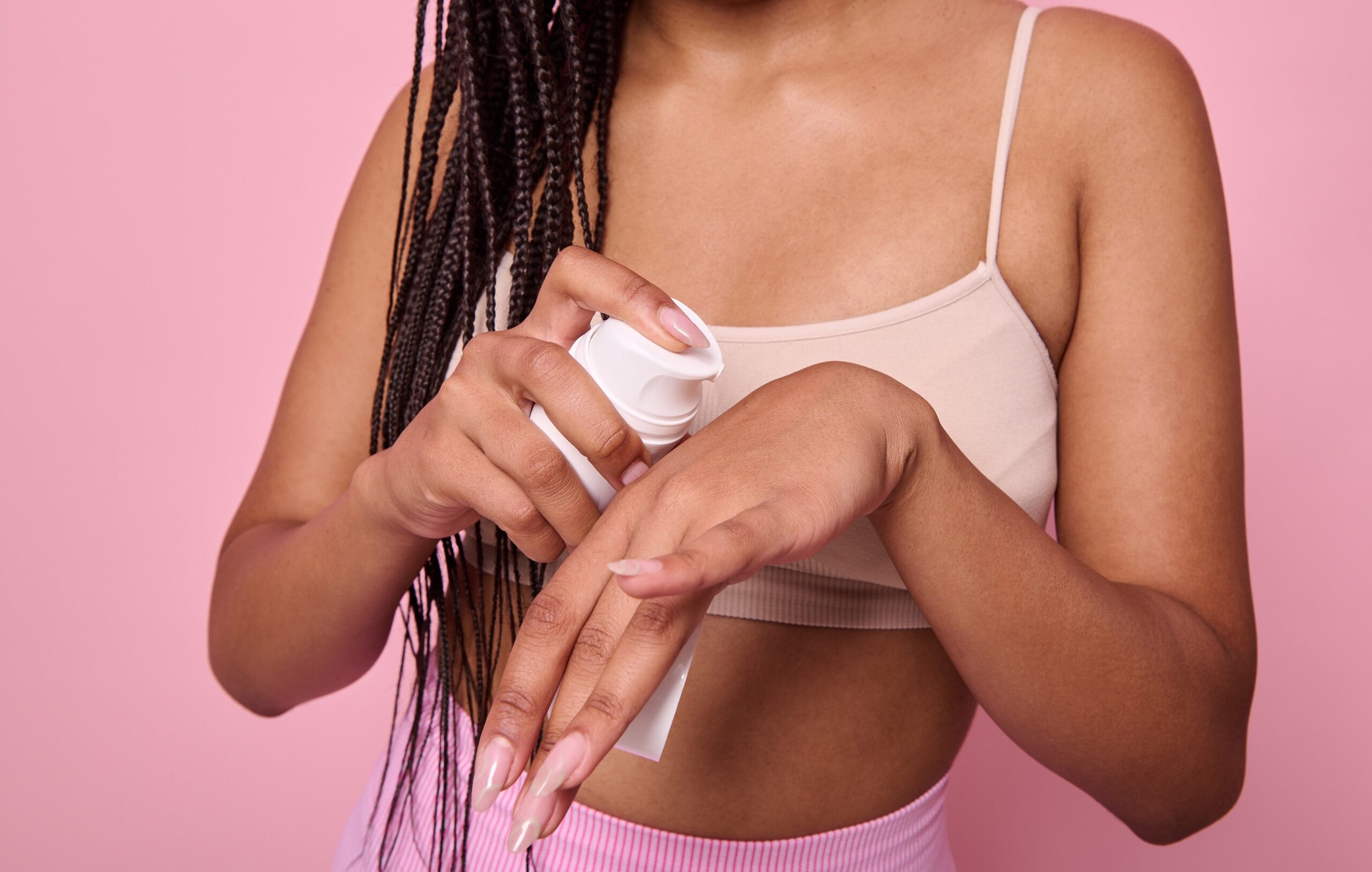
There are numerous treatments available to improve the appearance of breast augmentation scars. These include the use of silicone creams and gels, laser therapy, and massage, which can offer significant results. Each treatment has its own benefits and can be used in combination to achieve the best possible results.
Discussing your treatment options with your surgeon and choosing the ones that best suit your needs can help optimize the appearance of your scars and speed up the healing process.
Silicone creams and gels
These products help keep scars hydrated and protected, promoting more even and less visible healing.
Using specific scar products can optimize the healing process and improve the final aesthetic result. Be sure to follow your surgeon’s instructions for applying these products for best results.
Laser therapy
Laser treatments, such as fractional laser and CO2 laser, can significantly reduce the visibility of scars and improve skin texture.
NdY laser sessions can be used to reduce redness in red but undetected scars. Discuss the available laser options with your surgeon and which one might be best for your scars.
Massages and pressure techniques
Using specific pressure techniques can promote more even healing and improve skin elasticity.
Be sure to follow your surgeon’s instructions regarding massage and pressure techniques to achieve the best possible results. These treatments can be an effective complement to other therapies for improving the appearance of scars.
Age and scars after cosmetic surgery

Young and older patients may experience different healing times and have specific post-operative care needs. However, it’s not just age that determines the quality of scars, but also individual skin characteristics and overall physical condition .
Understanding how age affects healing can help you take the right precautions and follow your surgeon’s directions to ensure optimal healing.
Healing in young patients
Younger patients tend to heal faster and better due to their greater skin elasticity and the presence of collagen, which promotes more effective healing. However, the hyperactive healing process in young patients can lead to more visible scars in some cases.
È fondamentale seguire una buona cura post-operatoria per minimizzare eventuali problemi e migliorare l’aspetto delle cicatrici. Assicurati di discutere con il tuo chirurgo tutte le fasi del processo di guarigione e di seguire le sue indicazioni per ottenere i migliori risultati.
Guarigione nelle pazienti mature
Le pazienti mature potrebbero affrontare un processo di guarigione più lungo e complesso a causa della diminuita elasticità cutanea e dell’efficienza del processo di cicatrizzazione. La pelle meno elastica può influenzare la qualità delle cicatrici dopo un intervento di mastoplastica additiva, rendendo necessario un approccio più attento e personalizzato.
Adottare pratiche di cura post-operatoria, come mantenere la pelle idratata e seguire le indicazioni del chirurgo, è essenziale per massimizzare la guarigione delle cicatrici.
Le pazienti mature dovrebbero essere particolarmente diligenti nel seguire una dieta equilibrata e nell’evitare il fumo per migliorare il processo di guarigione.
Consigli pratici per minimizzare le cicatrici (seno rifatto)
Minimizzare le cicatrici dopo un intervento di mastoplastica additiva richiede attenzione e cura sia prima che dopo l’intervento. La scelta del chirurgo è fondamentale per ridurre la visibilità delle cicatrici e garantire un recupero ottimale. Durante la consulenza pre-operatoria, il chirurgo ti spiegherà tecniche e accorgimenti per minimizzare le cicatrici e favorire una buona guarigione.
Mantenere una buona igiene delle ferite post-operatorie, utilizzare creme specifiche per cicatrici e seguire le indicazioni del chirurgo sono tutti elementi cruciali per ridurre la visibilità delle cicatrici.
Protezione solare
Applicare una protezione solare con SPF adeguato sulle cicatrici è fondamentale per prevenire l’iperpigmentazione e mantenere l’aspetto delle cicatrici post-operatorie. La protezione solare aiuta a prevenire che le cicatrici diventino più scure e visibili, soprattutto nei primi mesi dopo l’intervento.
È importante utilizzare una protezione solare che offra un adeguato livello di protezione per le cicatrici. Assicurati di applicarla regolarmente, soprattutto se le cicatrici sono esposte al sole. Questo semplice accorgimento può fare una grande differenza nell’aspetto finale delle cicatrici.
Idratazione e nutrizione
Utilizzare prodotti cosmeceutici specifici per il seno può aiutare a mantenere le cicatrici idratate e a prevenire la formazione di cicatrici spesse e visibili.
Una dieta equilibrata arricchita di vitamine e minerali supporta la salute della pelle e accelera il processo di cicatrizzazione. Combinare l’idratazione adeguata con un’alimentazione sana e bilanciata è essenziale per ottenere una guarigione ottimale delle cicatrici.
Avoid smoking after surgery
Smoking can damage blood vessels and reduce blood flow, compromising the healing process of scars. Good post-operative care includes avoiding smoking, which helps improve the appearance of scars and prevent complications.
Adopting a healthy, smoke-free lifestyle is essential to achieving the best possible results after breast augmentation surgery. Following your surgeon’s instructions and taking care of your health can make a big difference in the quality of your scars.
Conclusion
In conclusion, managing scars after breast augmentation requires attention and care . Understanding the different types of incisions, following proper post-operative care, and adopting healthy lifestyle habits are all crucial to minimizing the appearance of scars and ensuring optimal healing.
Whether you’re a young or mature patient, it’s essential to work with your surgeon and follow his or her instructions to achieve the best possible results. With the right precautions and treatments, you can significantly improve the appearance of scars and feel more confident and satisfied with your breast augmentation.
Frequently Asked Questions
How long does it take for scars to fade after breast augmentation surgery?
Scars after breast augmentation surgery begin to fade within 2-3 months, with improvement that can continue for a year or more.
Which type of incision is less visible?
The periareolar incision is less visible because it occurs along the edge of the areola, making the scars more discreet.
How can I improve the appearance of scars?
The use of silicone creams and gels, along with treatments such as laser therapy and massage, can significantly improve the appearance of scars. It’s important to consult a professional to determine the most appropriate treatment.
Does age affect the quality of scars?
Yes, age affects the quality of scars, with younger people tending to heal more quickly than older people, who may take longer to recover.
What are the main factors that influence healing?
The main factors that influence healing are the surgeon’s skill, post-operative care, genetics, and skin type.
