
Wondering how long transplanted hair lasts? This article discusses these aspects to give you a complete picture.
In a nutshell
- Transplanted hair is generally permanent , but how long it lasts depends on factors such as genetics, the surgeon’s experience, and the quality of the procedure .
- Hair transplant techniques, such as FUE and FUT, impact the final results , with pre-operative preparation and post-operative care being crucial to ensuring natural, long-lasting growth.
- It is important to have realistic expectations , as further interventions may be necessary to maintain the density and quality of results over time.
Transplanted hair: how long does it really last?
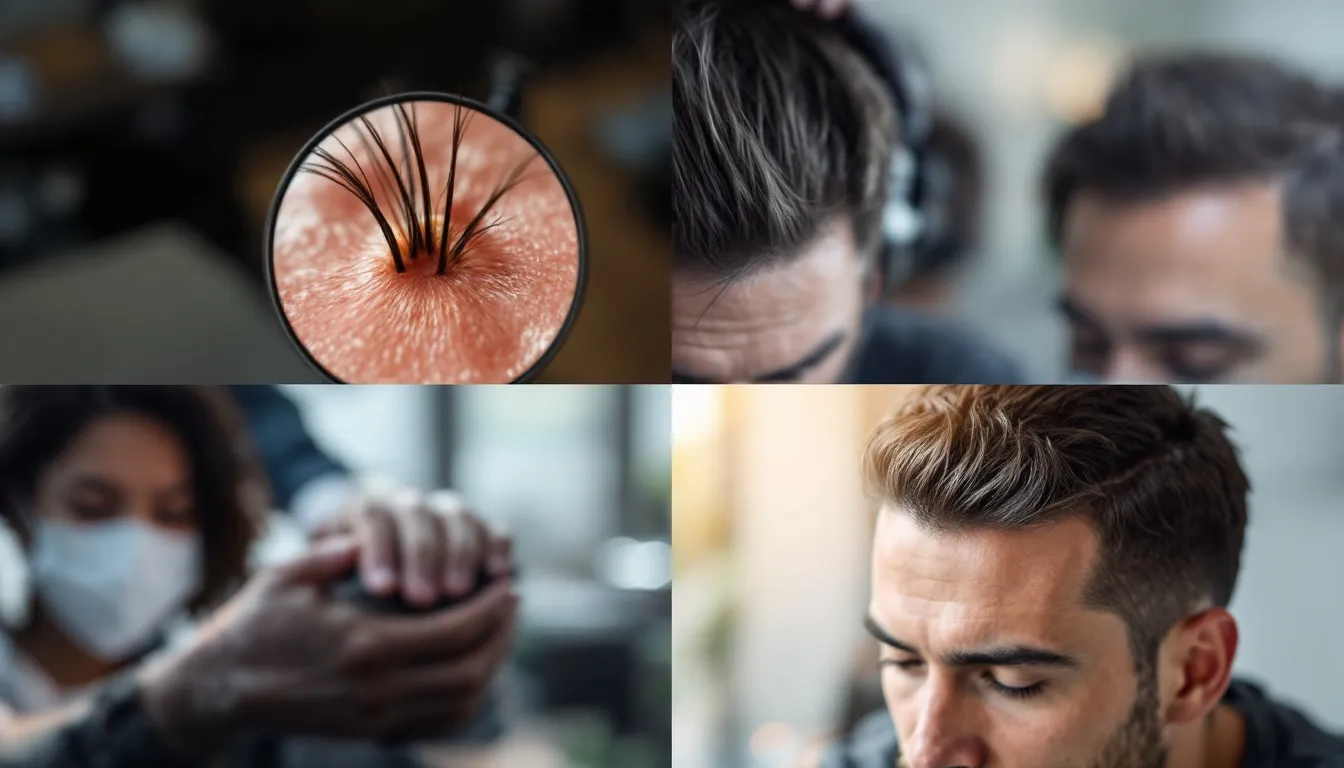
The longevity of transplanted hair is often a major concern for those considering a hair transplant. Fortunately, transplanted hair is generally considered a long-lasting solution because the follicles removed from DHT-resistant areas continue to grow throughout life.
This means that, once transplanted, the hair should remain stable and continue to grow like natural hair. However, it’s important to remember that factors such as the surgeon’s experience and the quality of the procedure significantly influence the stability of the results.
Although transplanted hair is permanent, thinning may continue in untreated areas . After the initial hair loss, the transplanted follicles enter a resting phase before resuming hair growth.
Hair transplant results stabilize and show final results after a year , with the hair integrating naturally.
However, it is crucial to have realistic expectations , as transplantation cannot restore your previous hair density.
Influence of genetics
The genetic predisposition of hair follicles is a key factor determining how long transplanted hair will remain stable. Genetics play a key role in determining the stability and longevity of transplanted hair . For example, if a patient has a genetic predisposition to baldness, the transplanted hair may also be subject to hair loss over time. Understanding how genetics influence hair transplantation is essential to managing expectations about the final results.
Furthermore, genetics not only determines the longevity of transplanted hair but also affects the overall quality of the transplant . Patients with a strong genetic predisposition to hair loss may require additional treatments to maintain the desired results over time.
This makes it even more important to consult with an expert doctor who can evaluate the patient’s genetic characteristics and plan the procedure accordingly.
Professionalism of the surgeon
Choosing an experienced surgeon is crucial to achieving optimal and long-lasting hair transplant results. Doctors and technicians are evaluated based on experience, specialization, and patient reviews . A surgeon with extensive experience will be able to perform the procedure with greater precision, minimizing risks and maximizing the survival of the transplanted follicles.
Furthermore, an experienced doctor will know how to manage any complications that may arise during and after the procedure. The surgeon’s professionalism not only affects the immediate quality of the transplant but also the long-term durability of the results.
A properly performed transplant by a qualified professional can ensure that the transplanted hair grows naturally and long-lastingly , integrating perfectly with the patient’s native hair.
Factors that influence the lifespan of transplanted hair
| Factor | Description |
|---|---|
| Genetics | It determines the predisposition of the follicles to baldness and the stability of the transplanted hair. |
| Professionalism of the surgeon | It affects the quality of the procedure and the survival of the transplanted follicles. |
| Quality of the procedure | It affects the longevity of the results and the naturalness of hair growth. |
| Choice of transplant technique | Techniques such as FUE and FUT can impact the duration and final appearance of the results. |
| Post-operative care | Proper post-operative management is essential for healing and stable results. |
| Age and aging | Natural aging can affect the density and health of your hair over time. |
The duration of transplanted hair depends on various factors, including:
- Genetics , which determines the predisposition of follicles to baldness
- Professionalism of the surgeon , which affects the quality of the procedure
- Quality of the procedure itself , which can determine the longevity of the results
- Choosing the transplant technique , such as FUE or FUT, can have a significant impact on the longevity of the results. The quality of the procedure is crucial to the success of the transplant.
- Post-operative care
Post-operative care
The surgeon’s experience is essential to ensure optimal hair transplant results. Here are some recommendations to follow:
- Follow a specific care routine
- Use products recommended by your doctor
- Avoid direct exposure to the sun for a certain period of time
- Do not scratch or touch the transplanted area
- Maintain a balanced diet to aid healing
Postoperative care isn’t limited to the first few days after surgery, but extends for several weeks and months . Proper postoperative care can make the difference between a successful transplant and one requiring further intervention. It’s therefore essential that patients carefully follow their doctor’s instructions to ensure optimal healing and long-lasting results.
Age and aging
The natural aging process can affect hair density and health over time , especially after a transplant . As you age, your hair regrowth rate may slow, and your native hair may continue to thin.
This makes a proper pre-surgery assessment even more important to set realistic expectations and plan any future treatments to maintain the desired results.
Hair transplant techniques and their impact on duration
| Transplant Technique | Impact on Duration |
|---|---|
| FUE (Follicular Unit Extraction) | It offers natural results and minimizes scarring, with good durability thanks to the precision of the extraction. |
| FUT (Follicular Unit Transplantation) | It allows a greater number of follicles to be transplanted in a single session, with a long duration but may leave linear scars. |
The main hair transplant techniques are FUE (Follicular Unit Extraction) and FUT (Follicular Unit Transplantation). Both offer permanent results and a high success rate. The choice of technique will depend on the patient’s individual characteristics and the surgeon’s recommendations.
FUE (Follicular Unit Extraction)
The FUE technique is one of the most popular hair transplant techniques. FUE offers more natural results thanks to the precision with which the follicles are implanted . This technique is based on the extraction of hair follicles one by one , minimizing visible scarring and accelerating the healing process.
Due to the precision and minimally invasive nature of FUE, many patients prefer this technique, especially those seeking a shorter recovery time and fewer scars. However, the choice of technique will depend on the patient’s specific needs and characteristics.
FUT (Follicular Unit Transplantation)
The FUT technique involves removing a strip of skin from the donor area and then transplanting the follicles . This technique is often preferred for denser hair transplants, as it allows for a large number of follicles to be transplanted in a single session.
Although FUT may leave a linear scar, it offers a higher graft survival rate than FUE.
The choice between FUT and FUE will depend on the patient’s preferences and the doctor’s recommendations, taking into account individual characteristics and aesthetic goals.
Possibility of transplanted hair falling out
| Method | Description |
|---|---|
| Post-Operative Care | Follow your doctor’s instructions carefully to ensure optimal healing. |
| Use of Specific Products | Use recommended shampoos and lotions to strengthen transplanted hair. |
| Balanced Nutrition | Maintain a diet rich in essential nutrients to promote follicle health. |
| Avoid Excessive Stress | Reduce stress to prevent negative effects on hair growth. |
| Sun Protection | Protect your scalp from direct sun exposure to avoid damage. |
| Complementary Treatments | Consider additional therapies such as PRP or microneedling to enhance growth. |
| Medical Monitoring | Have regular check-ups with your doctor to assess the health of your hair. |
Transplanted hair is affected by natural hair loss. After a transplant, the natural hair in the recipient area may thin and become sparse over time. Additionally, transplanted hair may temporarily fall out due to a phenomenon known as “shock loss ,” common in the first two months after surgery.
Transplanted hair growth begins to become visible after about three months , at a rate of about one centimeter per month. This process of shedding and regrowth is normal and part of the healing and stabilization cycle of transplanted hair.
Initial fall
Transplanted hair loss, known as “shock loss,” is a common phenomenon that occurs approximately three weeks after surgery. This temporary shedding occurs because the transplanted follicles enter a resting phase , allowing new follicles to form during the recovery phase.
In the first 7-10 days, it is normal for small scabs to form on the skin in the treated area; these scabs tend to fall off within a week of the procedure , restoring the skin to its normal condition.
While this initial shedding may seem worrying to many patients, it’s important to remember that it’s a natural part of the healing process . Transplanted hair sheds to make room for new, stronger, healthier hair growth.
The skin in the treated area may look different for some time , but with proper care, the scalp will heal completely, promoting new hair growth.
Stabilization and regrowth
About three weeks after the transplant, the transplanted hair begins to fall out, which may seem alarming, but is completely normal. After this initial shedding phase, the transplanted hair roots enter a resting phase , during which no visible growth is observed. However, it is during this phase that the roots stabilize and prepare for future growth.
Gradually, hair density improves in the treated areas after the transplant.
Growth of the new transplanted hair begins to be visible approximately three months after the procedure , with more consistent growth visible after six months and the final results being appreciated after approximately one year.
Over time, transplanted hair continues to grow naturally throughout your life , maintaining a natural density and appearance.
The need for further interventions
While a hair transplant can provide long-lasting results, some patients may choose to have a second hair transplant to add density to thinning areas . Multiple sessions may be necessary to completely cover the thinning areas of the scalp. Typically, follow-up treatments to maintain the results are less extensive than those required for the first procedure.
Patients may therefore require additional interventions to maintain or improve the results of the initial hair transplant. These subsequent interventions may include complementary treatments and touch-ups to refine the aesthetic results and ensure that the transplanted hair continues to grow naturally and consistently.
Complementary treatments
Post-operative care is essential to maintaining hair transplant results. The use of topical treatments can support the health of transplanted hair, improving its quality and density. Nutritional supplements can also help improve the health of hair follicles by providing the nutrients needed to promote healthy growth.
Interventions are often necessary to maintain hair transplant results, especially if hair loss continues to progress. These complementary treatments may include:
- PRP (Platelet-Rich Plasma) therapies
- Microneedling
- Other advanced techniques that help stimulate hair growth and improve scalp health. Hair transplants can be an effective solution in these cases.
Retouching and subsequent interventions
A second hair transplant may be necessary due to unexpected changes in the outcome . The decision to undergo a second procedure may also arise from dissatisfaction with the final outcome of the first transplant.
These touch-ups can help improve the overall aesthetic appearance and ensure that the transplanted hair blends seamlessly with your native hair.
Dopo un trapianto di capelli, potrebbero essere necessari ulteriori interventi per affinare i risultati iniziali. Questi interventi successivi possono includere la correzione delle cicatrici, l’aggiunta di densità e il miglioramento della linea dei capelli.
Ogni paziente ha esigenze uniche, e la consulenza con un chirurgo esperto può aiutare a determinare il miglior approccio per mantenere e migliorare i risultati del trapianto di capelli.
Aspettative realistiche sui risultati del trapianto di capelli
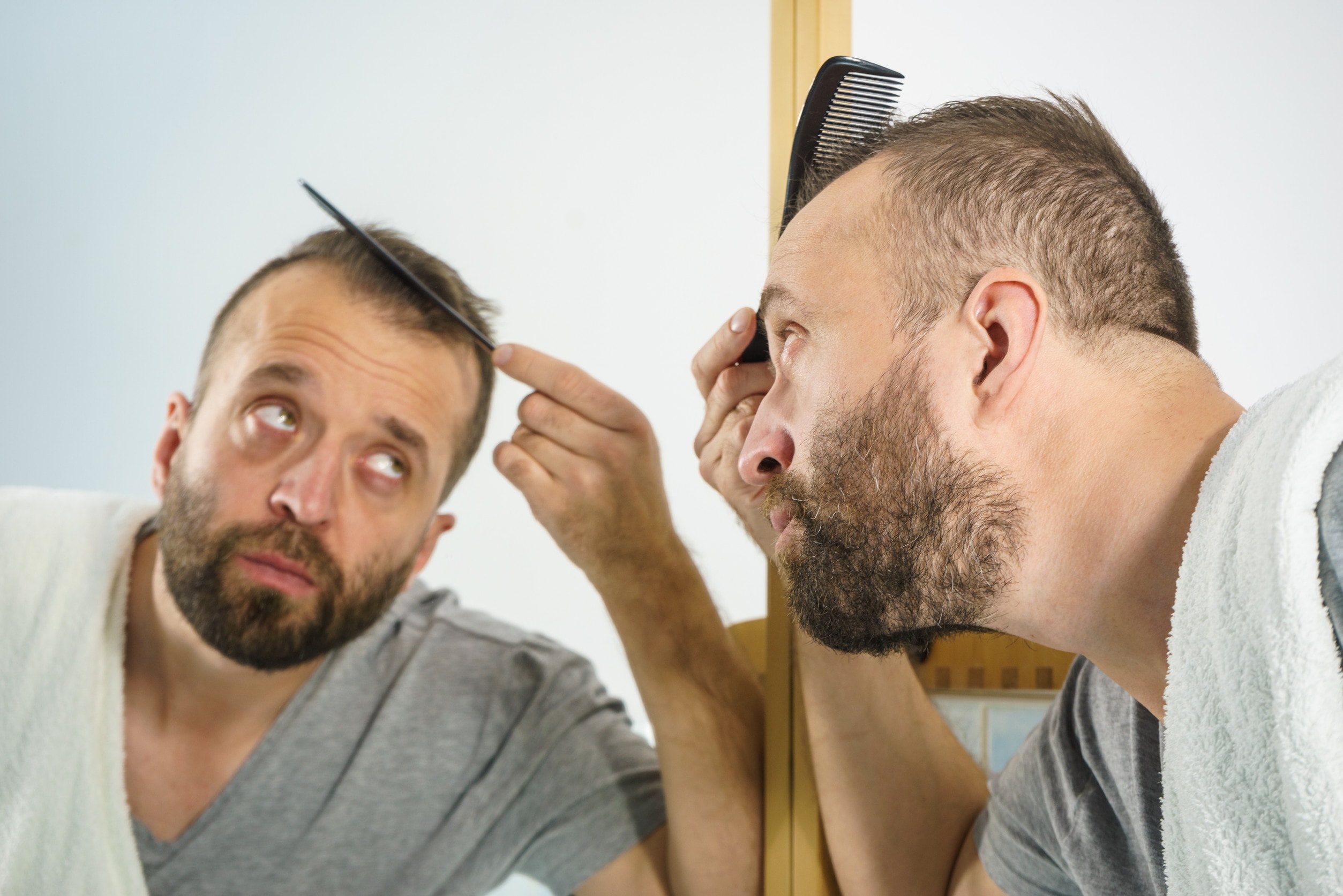
È fondamentale avere aspettative realistiche sui risultati del trapianto di capelli. Un paziente con un’area donatrice piccola dovrebbe regolare le aspettative per una copertura realistica. Inoltre, le cicatrici da un intervento precedente possono necessitare di correzioni estetiche.
Seguendo le istruzioni del medico e mantenendo un regime di vita sano, si può massimizzare la durata dei risultati del trapianto di capelli.
Tempi di recupero
Il recupero iniziale dopo un trapianto di capelli è breve, con la maggior parte dei pazienti in grado di riprendere attività normali entro pochi giorni. La maggior parte dei pazienti può riprendere le normali attività quotidiane dopo una settimana dal trapianto.
Durante il periodo di recupero, è importante seguire le indicazioni del medico per evitare complicazioni e garantire una guarigione ottimale. Un tempo di recupero adeguato e una corretta cura post-operatoria possono influenzare significativamente la qualità e la durata dei risultati del trapianto di capelli.
Risultati a lungo termine
La crescita dei capelli trapiantati avviene gradualmente e può richiedere diversi mesi per raggiungere la densità desiderata nelle aree trattate. I capelli trapiantati possono impiegare circa 3 mesi per iniziare a crescere dopo l’intervento, con la ricrescita completa visibile dopo un anno.
Il tasso di ricrescita potrebbe rallentare con l’età, influenzando la durata dei capelli trapiantati. Mantenere uno stile di vita sano può contribuire a prolungare i risultati del trapianto di capelli.
Con una corretta cura e monitoraggio, i capelli trapiantati possono mantenere un aspetto naturale e sano per molti anni.
Conclusione
In conclusione, la durata dei capelli trapiantati dipende da numerosi fattori, tra cui la genetica, la professionalità del medico chirurgo, la qualità della procedura e la cura post-operatoria. Anche se i capelli trapiantati sono considerati permanenti, è importante avere aspettative realistiche e considerare la possibilità di ulteriori interventi per mantenere i risultati.
FAQ
Quanto durano i capelli trapiantati?
Transplanted hair is long-lasting, as the follicles taken from DHT-resistant areas continue to grow throughout life. Therefore, it is an effective and long-lasting solution for hair loss.
Do genetics affect how long transplanted hair lasts?
Yes, genetics play a fundamental role in the longevity of transplanted hair, influencing the stability of the hair follicles.
Is the choice of surgeon important?
Choosing an experienced surgeon is essential to ensure optimal and long-lasting hair transplant results. The surgeon’s expertise directly impacts the success of the procedure.
What happens to the transplanted hair immediately after the procedure?
After the transplant, the transplanted hair tends to fall out temporarily due to “shock loss,” but it will grow back over time. This is a normal process that occurs in the months following the procedure.
Is it necessary to do further interventions after the first hair transplant?
In some cases, after the initial hair transplant, patients may decide to undergo additional procedures to increase density or improve the aesthetics of the results.
