
Wondering how long it takes to heal after blepharoplasty? In this article, we’ll take a detailed look at the recovery process and the healing phases, and offer practical advice for managing the post-operative period.
In a nutshell
- Recovery after blepharoplasty takes approximately 7-14 days , with several healing phases characterized by symptoms such as swelling and bruising that progressively reduce.
- It is essential to correctly follow the indications for wound care , use of medications and sun protection to avoid complications and ensure optimal aesthetic results.
- Post-operative follow-up visits are important to monitor your recovery and identify any complications early, as well as maintain open communication with your surgeon.
Blepharoplasty healing times
| Recovery Phase | Description | Estimated Duration |
|---|---|---|
| Initial Phase | Swelling and bruising are more noticeable. Apply cold compresses and keep your head elevated. | 1-3 days |
| First Weeks | Gradual reduction of swelling and bruising. | 1-2 weeks |
| Intermediate Phase | Symptoms begin to significantly decrease. | 2-4 weeks |
| Complete Healing | Visible final aesthetic results; less visible scars. | 3-6 months |
Recovery after blepharoplasty generally takes a few weeks, with normal activities expected to return in about 7-14 days . During the post-operative period of blepharoplasty, it is common to experience swelling and bruising , which begins to subside after a few days and usually disappears within a few weeks .
The healing process can be divided into several phases , each characterized by specific symptoms and treatment needs. Let’s now look at each of these phases in more detail:
- First weeks : swelling is more evident.
- Intermediate stage : Symptoms begin to subside.
- Final phase : the definitive results of the intervention can be appreciated.
These phases are essential to understand the recovery process and the recovery times required at each stage.
Initial phase: first post-operative days
In the first few days after blepharoplasty surgery, it’s normal to experience discomfort, swelling, and bruising around the eyes. To reduce these symptoms, it’s recommended to keep your head elevated and apply cold compresses . During this phase, patients must carefully follow the surgeon’s instructions to ensure a smooth recovery.
Patients may notice signs of bruising around the eyes, which tend to resolve within two weeks . It’s essential to avoid strenuous physical activity and take the necessary time to rest to avoid the risk of complications.
Following weeks: reduction of swelling
In the weeks following surgery, swelling and bruising begin to significantly reduce . It’s normal to notice a gradual improvement, and many patients see a complete reduction in these symptoms within 2-4 weeks . During this time, it’s important to be patient and follow your surgeon’s instructions regarding medications and other treatment options.
Healing takes time, and the final result will improve as the weeks pass. Continued good hygiene and careful protection of the operated area will contribute to a smooth recovery.
Complete recovery: final results
The final results of blepharoplasty surgery become visible after a few months. During this time, residual swelling resolves completely and scars become less visible .
The majority of patients are extremely satisfied with the aesthetic improvement achieved.
It is important to remember that complete healing and final results take time and patience .
Continuing to follow your surgeon’s recommendations and undergoing post-operative check-ups will help ensure an optimal outcome.
Post-blepharoplasty wound care
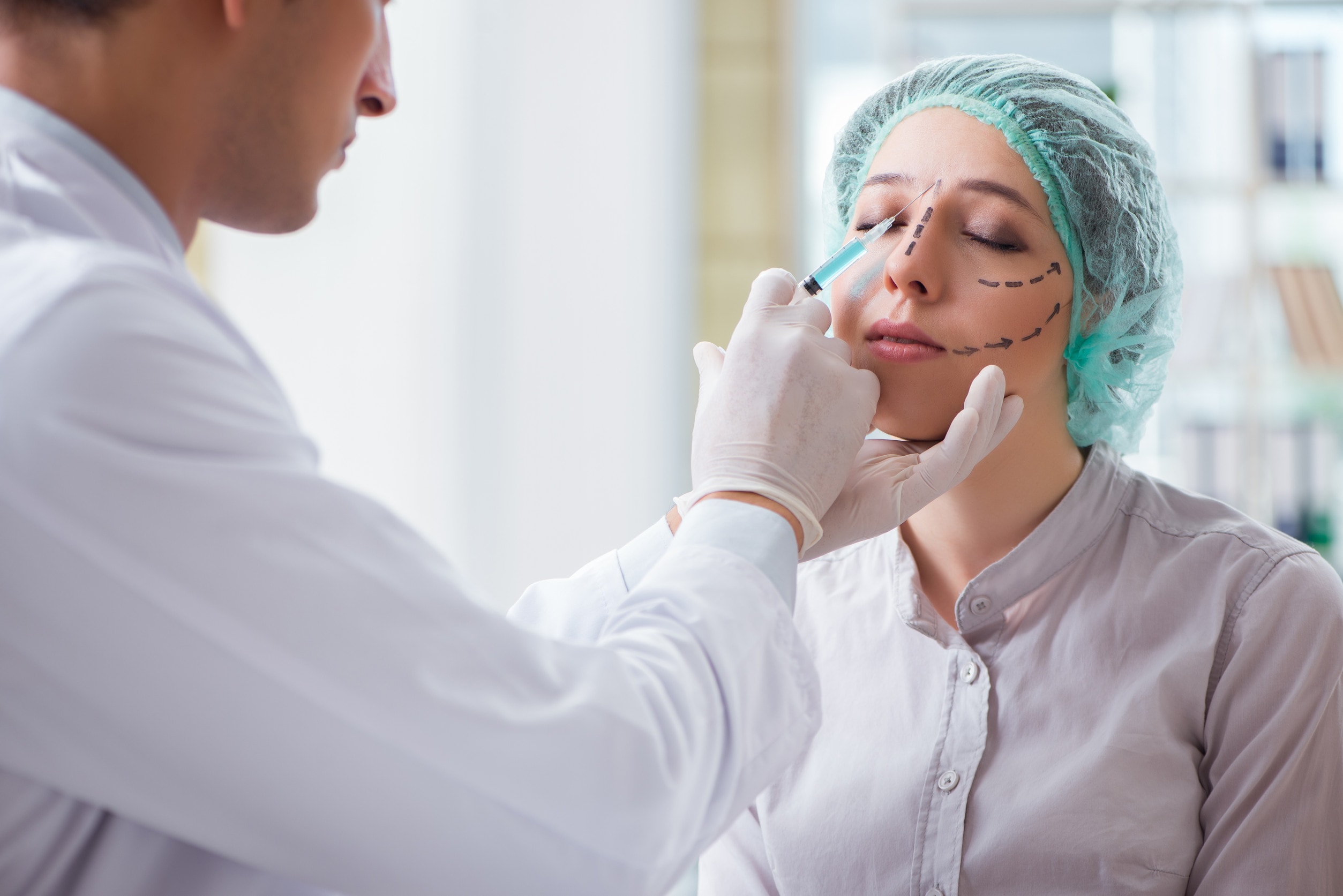
Use of creams and ointments
Doctors often recommend using specialized ointments and eye drops to care for post-operative incisions. These products help keep the skin hydrated and protect the incisions , promoting faster and more efficient healing . It’s essential to apply creams and ointments as directed by your doctor to maximize results.
Carefully following the instructions on prescribed medications and ointments can make a big difference in the healing process, reducing the risk of complications and improving the final appearance of scars.
Cleaning wounds
Properly cleaning wounds is essential to prevent infections and ensure good healing. Using saline solutions or products recommended by the surgeon to clean incisions is common practice . It’s important to keep wounds dry and clean , following your surgeon’s instructions regarding personal hygiene.
Sun protection
Protecting scars from UV rays is essential to avoid permanent marks and discoloration . It’s essential to avoid sun exposure for at least three months after surgery and apply a sunscreen with SPF 50+ to scars to protect them from UV damage .
The use of sunglasses is highly recommended to protect sensitive eyes from light and prevent irritation during recovery. These precautions will ensure that scars heal properly and remain less visible.
Pain and swelling management
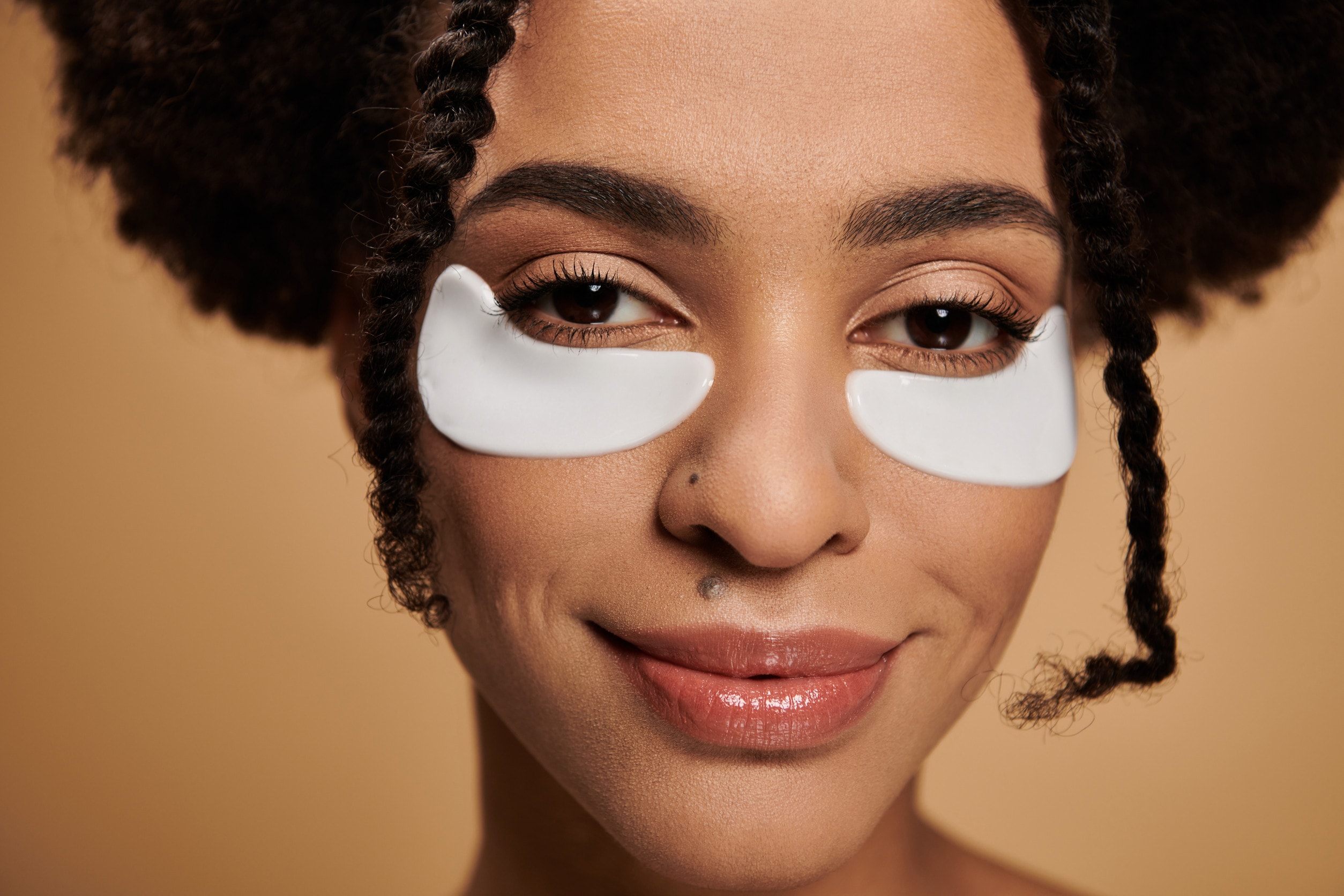
Pain and swelling are common symptoms after blepharoplasty, but they can be effectively managed with the right strategies. Applying cold compresses, using painkillers, and some home remedies can help reduce these symptoms and improve comfort during recovery.
Analgesic drugs
After blepharoplasty, doctors commonly prescribe painkillers to manage post-operative discomfort. Medications such as ibuprofen are often recommended to relieve pain and inflammation during recovery. It’s important to follow your doctor’s and surgeon’s instructions for these medications.
Cold compresses
Applying cold compresses is one of the most effective strategies for reducing postoperative swelling and bruising. Applying ice packs to the eyelids for 15-20 minutes in the first 48 hours after surgery can speed up the reduction of swelling and improve the healing process.
Other home remedies
In addition to medications and cold compresses, there are some natural remedies that can help relieve post-operative discomfort safely and effectively. For example, using cooled green tea or chamomile tea to make eye compresses can reduce swelling thanks to their anti-inflammatory properties . These natural remedies, when used in conjunction with medical advice , can significantly improve comfort during the recovery period.
Daily activities during convalescence

During recovery, it’s important to know which daily activities can be resumed and which should be avoided to ensure optimal healing. Maintaining good personal hygiene is essential to prevent infections and aid the recovery process .
Back to work
Most patients can return to work 7-10 days after blepharoplasty , depending on their situation and the type of work performed. It’s important to avoid overexertion and follow the surgeon’s instructions to ensure a smooth recovery.
Resuming work activities gradually will help prevent the risk of excessive stress on the operated area and promote faster healing.
Physical activity
It’s recommended to avoid strenuous exercise for at least four to six weeks after blepharoplasty surgery . Light sports activities can be resumed after three weeks, while more strenuous activities are best waited at least six weeks.
Use of contact lenses
Generally, it is advisable to wait until the eyelids have completely healed before resuming use, but even in this case it is necessary to follow the surgeon’s instructions as situations vary from case to case.
Post-operative monitoring and follow-up
Check-ups
Follow-up visits are essential for monitoring the healing process and intervening if any problems arise. Follow-up visits are typically scheduled at 7, 14, and 28 days, and subsequently at intervals of 3, 6, and 12 months. These appointments allow the surgeon to evaluate the healing process and remove the stitches between the fifth and seventh postoperative days.
Following this schedule of regular check-ups is essential to ensure that healing proceeds without complications and that procedures to address any problems can be performed promptly.
Warning signs
It’s important to pay attention to symptoms that may indicate complications and require immediate medical attention. Symptoms such as excessive swelling or persistent bleeding are warning signs that require prompt attention from your surgeon . Sudden swelling or severe pain may indicate complications and require immediate intervention.
If you experience any concerning symptoms, it is essential to contact your surgeon or go to the emergency room to receive the necessary assistance and prevent further complications.
Communication with the surgeon
Maintaining open communication with your surgeon during recovery is essential to clarify any concerns and receive support. It’s recommended to contact your surgeon if you experience unexpected changes or unusual symptoms during recovery. Your surgeon is the point of contact for any concerns regarding your post-operative recovery and can provide specific guidance for addressing any surgical issues.
Conclusion
Recovery after blepharoplasty requires time and attention. By following your surgeon’s instructions, you can achieve excellent results. Swelling and bruising generally resolve within a few weeks, while final results take months to appear. Wound care, pain management, and a follow-up program are essential for a successful recovery. It’s crucial to communicate with your surgeon about any questions or concerns.
Frequently Asked Questions
How long does it take to fully heal after blepharoplasty?
Complete healing after blepharoplasty can take several months, with initial improvement in swelling and bruising within 2-4 weeks. Final results only become visible after a longer period of time.
Is it normal to have swelling and bruising after surgery?
Yes, it is normal to have swelling and bruising after surgery, as these symptoms are common and tend to subside with time.
When can I return to work after blepharoplasty?
After blepharoplasty, most patients can return to work within 7 to 10 days, depending on their individual situation and job type.
How can I reduce swelling after surgery?
Applying cold compresses to the eyelids for 15-20 minutes is an effective method to reduce swelling and inflammation after surgery.
Should I protect my scars from the sun after surgery?
Yes, it is essential to protect scars from the sun for at least three months, applying a sunscreen with SPF 50+ to prevent UV damage.
