
Are you considering non-surgical blepharoplasty and want to know if it’s worth it? In this article, we explore the opinions of those who have already tried this treatment, offering an overview of the results and real-world testimonials.
In a nutshell
- Opinions on non-surgical blepharoplasty are quite varied : many patients praise it for its immediate results and quick recovery, while others are disappointed by the limited duration of the effects.
- The main advantages of non-surgical blepharoplasty include the minimally invasive nature of the procedure, the absence of scarring, reduced recovery time , and the ease of the procedure, which takes only 15 minutes .
- It is crucial to choose an experienced doctor and learn about costs and techniques , as treatment can vary greatly depending on the doctor’s expertise and the nature of the procedure.
Opinions on non-surgical blepharoplasty
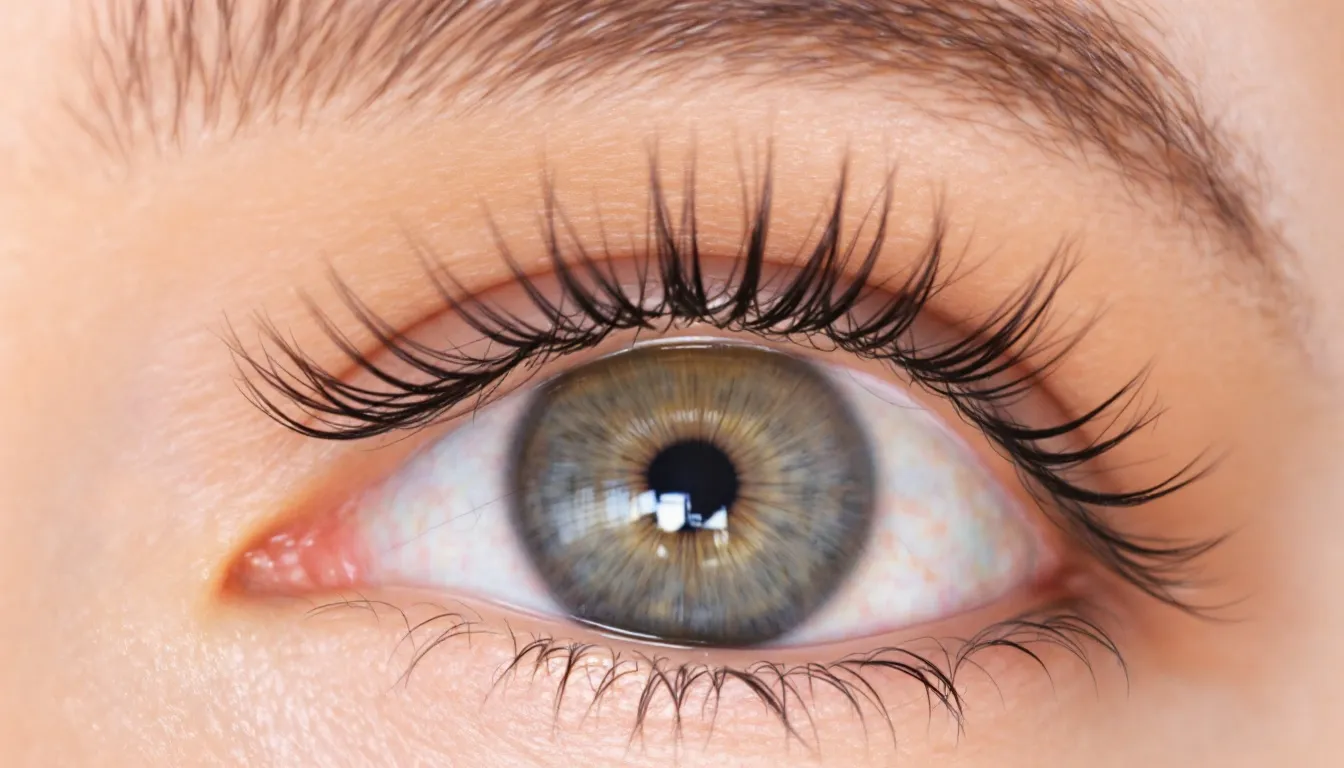
Opinions on non-surgical blepharoplasty vary widely among patients. Some are enthusiastic about the results, appreciating the rejuvenated appearance and reduction of blemishes, but others are disappointed that the results don’t live up to expectations.
This variety of testimonials can significantly influence the decision to consider this type of procedure. Factors that contribute to these opinions include personal expectations, the technique used, and individual skin conditions .
Expectations vs. reality
When considering non-surgical blepharoplasty, it’s essential to have realistic expectations . Results can vary significantly depending on skin type and the severity of the blemish .
Many people expect a drastic and immediate improvement in their appearance, but the reality can be different. Reading testimonials and reviews can help you get a more complete picture.
Positive testimonials
Many patients report positive experiences with non-surgical blepharoplasty, highlighting how the treatment improved the overall appearance of their eyes and reduced signs of aging . Some users saw significant improvements right away, praising the medical staff for their expertise and professionalism.
Patients often appreciate the quick recovery and lack of scarring , which contribute to a fresher, more youthful appearance.
Positive testimonials aren’t limited to aesthetics . Many patients report increased self-confidence after treatment, feeling more comfortable and confident in their daily appearance.
In many cases, the lower cost compared to traditional surgery is a further plus , making non-surgical blepharoplasty an interesting choice for those who want to rejuvenate their eyes without invasive and therefore expensive procedures.
Criticisms and dissatisfactions
Despite numerous positive reviews, some patients express dissatisfaction with the short-lasting results of non-surgical blepharoplasty . This is one of the main reasons for disappointment: the results require frequent touch-ups, causing frustration in some cases.
The limited duration of the results can lead to criticism, especially if initial expectations are not fully met .
This table provides an overview of the reasons why patients express positive or negative opinions about non-surgical blepharoplasty. Testimonials vary depending on personal experiences and individual expectations.
| Reasons for Positive Opinions | Reasons for Negative Opinions |
|---|---|
| Quick recovery | Temporary results |
| No scars | Need for frequent touch-ups |
| Improved appearance | Disappointment compared to expectations |
| Increased self-confidence | Side effects such as swelling |
| Lower cost than traditional surgery | Results not up to expectations |
Benefits of non-surgical blepharoplasty

Non-surgical blepharoplasty is considered a valid, less invasive option compared to traditional surgery. Many people appreciate the ability to achieve an eyelid lift without the invasiveness of surgery .
Laser treatment for drooping eyelids is considered a valid alternative, with results similar to those of traditional blepharoplasty. In recent years, the technologies used in these treatments have seen significant improvements , increasing efficacy and reducing the risk of complications.
One of the main advantages of non-surgical blepharoplasty is the absence of a scalpel, eliminating the risks and pain associated with invasive procedures. The use of plasma offers a non-invasive alternative to traditional surgery for eye rejuvenation , contributing to an immediate and long-lasting firming effect.
Reduced recovery times
One of the main benefits of non-surgical blepharoplasty is the reduced recovery time. Patients generally experience a recovery period of only a few days , allowing them to quickly return to normal activities.
Minimal post-treatment discomfort and swelling help make this procedure a popular choice, especially for those with busy lifestyles .
Absence of scalpel
The absence of a scalpel in non-surgical blepharoplasty eliminates the risk of scarring and complications that can arise from surgical incisions . Patients appreciate the less invasive nature of the treatment, which uses injectable fillers or plasma technologies instead of a scalpel.
This results in less post-operative pain and swelling, improving the overall patient experience.
Quick procedure
Non-surgical blepharoplasty is known for its quick procedure. The treatment can be completed in about 15 minutes , making it suitable even for those with busy schedules.
Despite the short treatment time, results are often immediate, offering significant patient comfort and facial improvement.
| Advantages of Non-Surgical Blepharoplasty |
Description |
|---|---|
| Quick recovery | Reduced recovery times, allowing a quick return to daily activities. |
| No scars | No risk of scarring thanks to the absence of scalpels and incisions. |
| Quick procedure | The treatment lasts about 15 minutes, ideal for those who are short on time. |
| Less invasive | It does not require surgery, reducing the risk of complications. |
| Improved appearance | It offers visible rejuvenation of the eyelids and gaze. |
| Increased self-confidence | Many patients report improved confidence after treatment. |
| Lower cost than traditional surgery | More affordable than traditional surgical procedures. |
Limitations and risks of non-surgical blepharoplasty
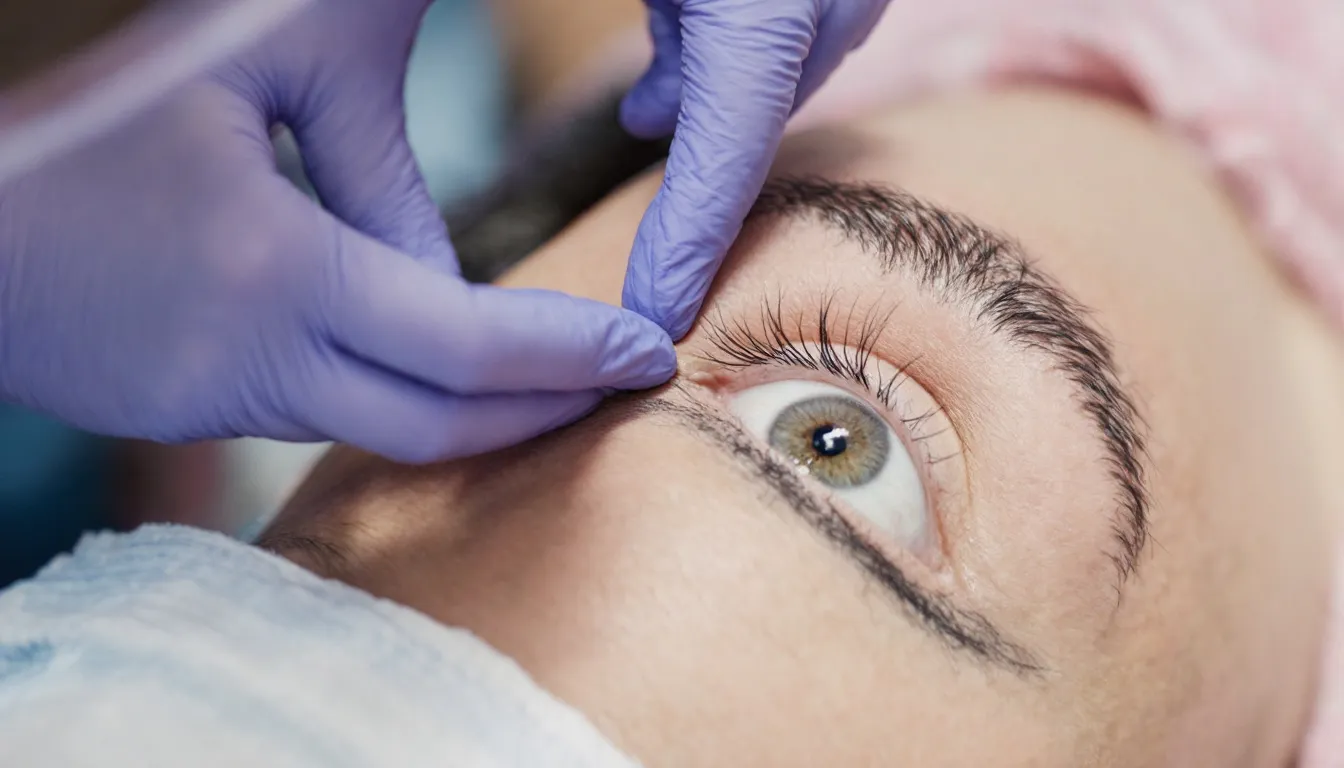
Despite its numerous benefits, non-surgical blepharoplasty also has some limitations and risks. While these are generally less significant than traditional surgical techniques, it’s important to understand them to make an informed decision.
Temporary results
The limited duration of results is one of the main criticisms of non-surgical blepharoplasty. Some patients report that the visual effect fades quickly , leading to disappointment compared to initial expectations.
To maintain the results, frequent touch-ups are necessary, a factor often overlooked by many patients.
Possible side effects
Like any treatment, non-surgical blepharoplasty can also cause side effects .
Some patients may experience a slight burning or irritation sensation after treatment , similar to small injections. These sensations usually subside within a week.
Cases in which it is not recommended
Non-surgical blepharoplasty is not suitable for everyone . The treatment is not recommended for patients with chronic eye conditions, active skin diseases, or eye infections .
It is important to discuss your health conditions with your doctor to assess whether this procedure is suitable for your specific case.
Techniques used in non-surgical blepharoplasty
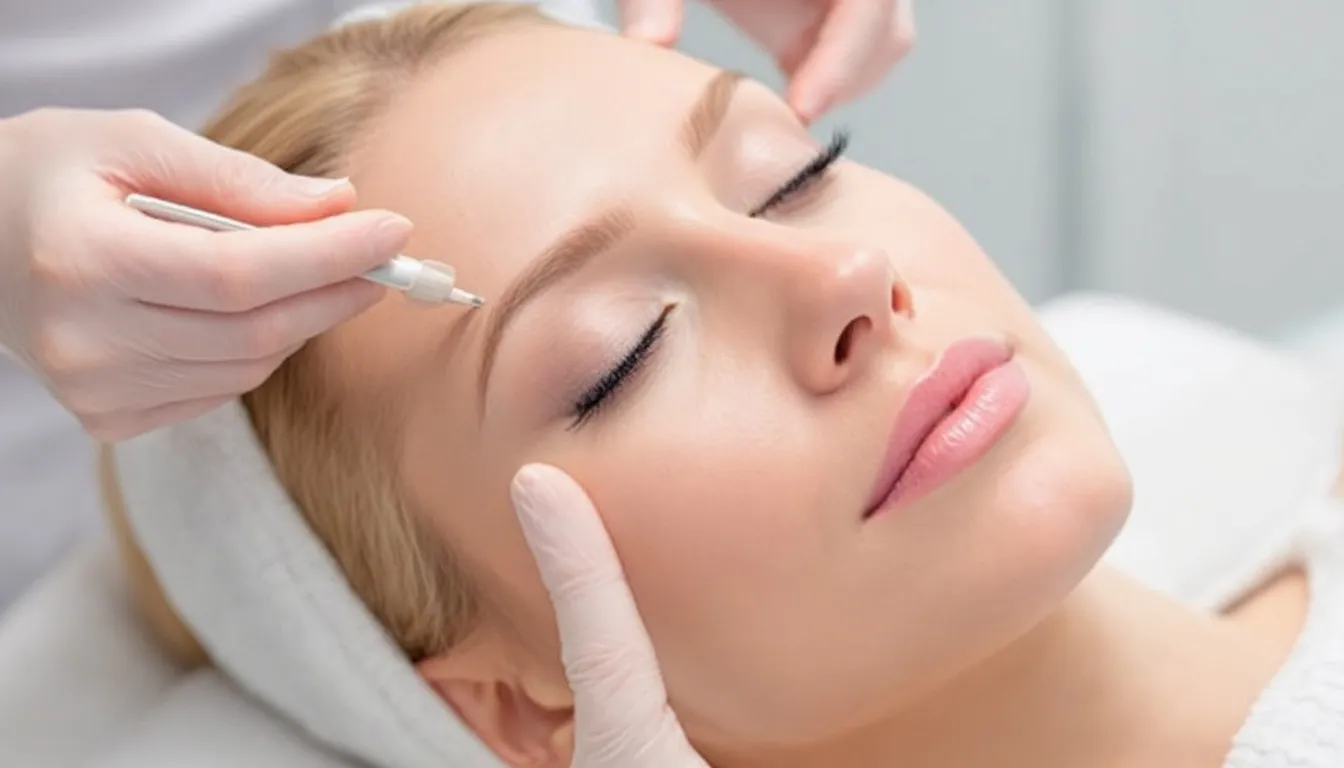
Non-surgical blepharoplasty uses several innovative techniques to improve the appearance of the eyelids without resorting to invasive procedures.
The main non-surgical blepharoplasty techniques include:
- Plasma (or Plexr, or Blepharoplasma) : uses a device that generates a small arc of plasma to create micro-lesions on the skin. This stimulates skin retraction and collagen production, reducing excess skin and improving the appearance of drooping eyelids without a scalpel.
- Fractional radiofrequency : uses radiofrequency waves to heat deep within the skin, stimulating collagen and fibroblasts. It helps firm and smooth the eyelid skin, with a gradual and non-invasive lifting effect.
- Fractional CO2 laser: This ablative laser creates microcolumns of heat that vaporize surface cells and stimulate skin renewal. Excellent for reducing sagging, wrinkles, and pigmentation around the eyes.
- High-intensity focused ultrasound (HIFU) : This technology focuses ultrasound waves into deep tissue without affecting the skin’s surface. It reaches the SMAS (Superficial Muscular Aponeurotic System), the same layer treated by surgery, for a natural tightening effect.
- Hyaluronic acid injections (fillers) : These are used to correct deep dark circles and empty the tear trough, without directly affecting the excess skin. They give a more youthful and rested appearance.
- Botox (Botulinum toxin): It does not directly lift the eyelid, but by relaxing the muscles around the eyes it can improve the opening of the eye and reduce wrinkles around the eyes, such as crow’s feet.
- Specific chemical peels for the eye area : these use acid-based solutions (such as low concentrations of trichloroacetic acid) to stimulate cell turnover and improve the texture of the eyelid skin.
Here is a comparison table that compares the main non-surgical blepharoplasty techniques , with their pros, cons and duration of results:
| Technique | Pro | Against | Duration of Results |
|---|---|---|---|
| Plasma (Plexr) | Non-invasive, quick recovery time, great for excess skin | Post-treatment scabs, risk of temporary hyperpigmentation | 1-2 years, maintenance possible |
| Fractional radiofrequency | No significant downtime, gradual firming | Visible effects after multiple sessions, not effective for marked excess skin | About 1 year |
| Fractional CO2 laser | Stimulates collagen, improves texture and sagging | Post-treatment redness and swelling, requires sun protection | 1-2 years |
| HIFU (Highly Focused Ultrasound) | Penetrates deeply, does not require anesthesia | Mild discomfort during treatment, gradual results | Up to 12-18 months |
| Hyaluronic acid (Filler) | Immediate filling effect for dark circles and furrows | Not suitable for excess skin, risk of edema or asymmetry | 8-12 months |
| Botox (Botulinum toxin) | Smoothes wrinkles around the eyes and improves the appearance of the eyes | Temporary effect, does not act on excess skin | 4-6 months |
| Specific chemical peels | Evens out skin tone, improves tone and fine lines | May cause irritation, need to avoid sun post-treatment | 6-12 months (depending on depth) |
Examples of combined non-surgical blepharoplasty techniques
Below you can consult some combined paths based on the different types of eyelid problems, to obtain the best results with non-surgical blepharoplasty.
1️⃣ Droopy eyelids with slight-moderate excess skin
Goal: Lifting, tightening of the skin and improving tone.
Recommended protocol:
- Initial session:
→ Plasma (Plexr) to reduce excess skin (1-2 sessions spaced 40 days apart). - After 2 months:
→ Fractional radiofrequency to improve elasticity and further stimulate collagen (3-4 sessions spaced 2-4 weeks apart). - Light Botox (optional) to slightly lift the tail of the eyebrow and open the gaze.
2️⃣ Periocular wrinkles (crow’s feet) and thin skin
Goal: Smooth wrinkles, thicken and regenerate the skin.
Recommended protocol:
- Fractional CO2 laser (1-2 sessions) to stimulate skin renewal.
- After 1 month:
→ Fractional radiofrequency or RF microneedling for further toning. - Targeted Botox to relax crow’s feet.
- Possibly, after 2 months:
→ Light chemical peel to even out skin tone and improve radiance.
3️⃣ Deep dark circles and a marked tear trough
Objective: Filling and improving the volume under the eyelid.
Recommended protocol:
- Low molecular weight hyaluronic acid filler (1 session, with possible touch-ups after 3-4 weeks).
- After 1 month:
→ Gentle peeling or radiofrequency to improve skin quality.
4️⃣ Slightly drooping eyelids + general laxity + desire for a global lifting effect
Objective: Natural and global tightening effect without a scalpel.
Recommended protocol:
- HIFU (Focused Ultrasound) on the eye contour and temples (1 session, repeatable after 6 months).
- After 1-2 months:
→ Plasma on any small residual skin excesses. - Botox to harmonize the result.
How to choose the right doctor
Choosing the right doctor for non-surgical blepharoplasty is essential to ensure a safe and effective aesthetic medicine treatment. The doctor’s experience is crucial to the success of non-surgical blepharoplasty. It’s important to consider the doctor’s expertise , as well as the treatment costs, for a complete assessment of its value.
Un dott. esperto e qualificato può fare la differenza nei risultati finali del trattamento di medicina.
Leggere le recensioni e le testimonianze di altri pazienti è uno dei modi migliori per valutare l’efficacia e la qualità del trattamento. Molti pazienti riportano esperienze positive, apprezzando i risultati senza l’invasività della chirurgia.
Prima consulenza
Durante la prima consulenza, il medico ascolta le esigenze e le aspettative del paziente, valutando se la blefaroplastica non chirurgica è la scelta giusta. È un’opportunità per discutere delle proprie condizioni di salute e delle possibili controindicazioni, assicurandosi di ricevere tutte le informazioni necessarie prima di procedere con il trattamento.
Costi della blefaroplastica non chirurgica
Il costo della blefaroplastica non chirurgica può variare notevolmente a seconda di diversi fattori. Il prezzo medio per una sessione può oscillare tra 500 e 2.000 euro, influenzato dalla tecnica utilizzata e dalla complessità del trattamento.
Fattori che influenzano il costo
- La tecnica utilizzata
- L’esperienza del professionista
- La localizzazione della clinica
- I materiali e le attrezzature utilizzate
- Eventuali trattamenti aggiuntivi richiesti
Va anche specificato che il numero di sedute necessarie per ottenere risultati soddisfacenti può variare da paziente a paziente, influenzando ulteriormente il costo totale degli studi.
Confronto con la chirurgia tradizionale
Un confronto tra la blefaroplastica non chirurgica e quella tradizionale evidenzia che i costi dei trattamenti non chirurgici sono generalmente inferiori. Mentre i trattamenti di blefaroplastica non chirurgica possono costare tra 500 e 2.000 euro per sessione, con la chirurgia tradizionale inizia da circa 2.000 euro e può superare questa cifra.
Questo rende la blefaroplastica non chirurgica un’opzione più accessibile economicamente per molti pazienti.
Valutazione del rapporto qualità-prezzo
Valutare il rapporto qualità-prezzo della blefaroplastica non chirurgica è essenziale. Molti pazienti ritengono che il valore del trattamento sia favorevole rispetto ai risultati ottenuti in termini di ringiovanimento senza interventi invasivi.
Nonostante i risultati temporanei, la combinazione di efficacia, sicurezza e costi accessibili rende questo trattamento cute una scelta popolare per chi desidera migliorare l’aspetto delle palpebre senza chirurgia invasiva.
Conclusione
Non-surgical blepharoplasty represents an attractive solution for those who want to rejuvenate their eyes without resorting to surgery . Opinions vary, with many praising the rapid results and minimal recovery time, while others express dissatisfaction with the temporary nature of the results. It’s crucial to consider both the benefits and limitations of this procedure before making a decision.
Consulting an experienced and qualified doctor is crucial to ensuring the safety and effectiveness of the treatment . Considering reviews and testimonials from other patients can provide valuable insights. Finally, evaluating the quality-price ratio is essential to determining whether non-surgical blepharoplasty is the right choice for your beauty and wellness needs.
FAQ
What are the main benefits of non-surgical blepharoplasty?
The main benefits of non-surgical blepharoplasty are rapid recovery times and the absence of surgery, making the procedure quick and simple.
What are the limitations of non-surgical blepharoplasty?
Limitations of non-surgical blepharoplasty include temporary results that require repeated treatments and the possibility of side effects such as swelling and irritation.
How much does non-surgical blepharoplasty cost?
Non-surgical blepharoplasty can cost between €500 and €2,000 per session, depending on the technique and the number of sessions required.
How can I choose the right doctor for non-surgical blepharoplasty?
To choose the right doctor for non-surgical blepharoplasty, make sure you choose an experienced professional with good reviews.
Is non-surgical blepharoplasty suitable for everyone?
Non-surgical blepharoplasty is not suitable for everyone, especially those with chronic eye conditions, active skin diseases, or eye infections.
