
Are you considering a non-surgical blepharoplasty instead of a traditional one? In this article, we’ll look at how it works and what advantages it offers over traditional surgery.
In a nutshell
- Non-surgical blepharoplasty offers an innovative alternative to improve the appearance of the eyelids without incisions or surgical risks , using technologies such as laser and hyaluronic acid .
- The treatment is highly customizable and suitable for patients with moderate blemishes , particularly those over 30 who want quick results and without a long recovery.
- A thorough pre-treatment consultation with an experienced physician is essential to assess patient suitability and discuss the techniques and potential associated risks.
Non-surgical blepharoplasty: What you need to know
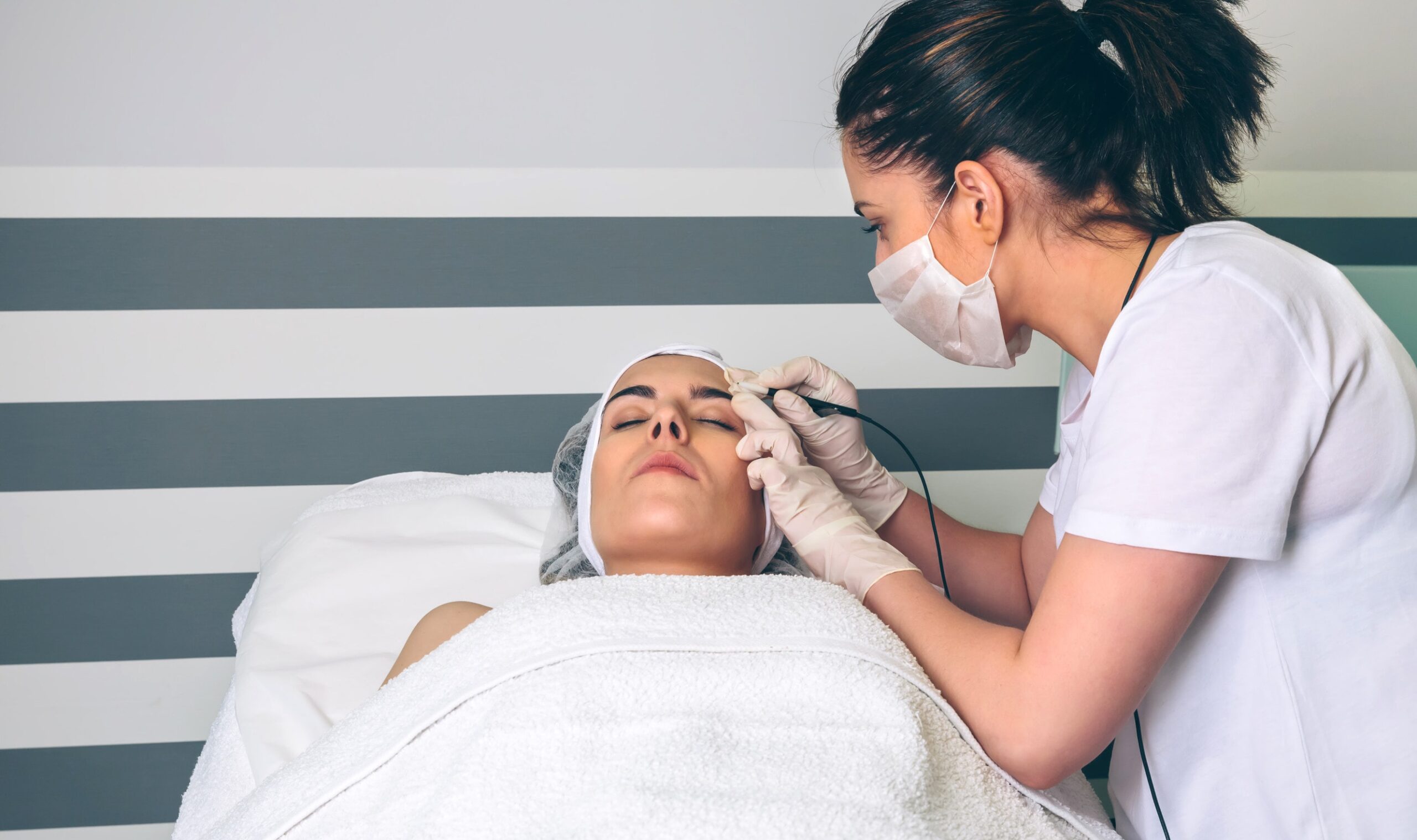
Non-surgical blepharoplasty is a revolutionary technique that allows for eyelid reshaping without the need for invasive surgery . Traditionally, blepharoplasty was performed through incisions and the removal of excess tissue, but today, thanks to advances in aesthetic medicine, similar results can be achieved without a scalpel .
This treatment uses various methodologies , such as lasers, radiofrequency, and hyaluronic acid, to address eyelid problems non-surgically. It’s an ideal solution for those who want to improve the appearance of their eyes without the risks and recovery time associated with traditional surgery.
How does non-surgical blepharoplasty work?
Non-surgical blepharoplasty uses advanced technologies to remove excess tissue and improve skin elasticity .
One of the most common methods is the use of a micro radio scalpel that creates sublimation points on the skin without direct contact. This device vaporizes excess skin, allowing the eyelids to be lifted and tightened without the need for incisions.
Although the treatment is minimally invasive, it is essential that it be performed by an experienced professional to avoid complications such as partial burns. The doctor’s precision and skill are essential to ensure optimal results and minimize risks.
Advantages of non-surgical blepharoplasty
One of the main advantages of non-surgical blepharoplasty is the absence of incisions and scars. This treatment avoids the risks associated with traditional surgery , making it an increasingly popular option. It is particularly suitable for those who want to improve their facial appearance without undergoing invasive surgery.
Furthermore, non-surgical blepharoplasty is highly customizable . Each patient can discuss their desired results with their doctor, obtaining a treatment tailored to their needs. It is an ideal solution for those seeking a younger, fresher appearance without having to face a long recovery period .
Techniques used in non-surgical blepharoplasty

There are several techniques for performing non-surgical blepharoplasty, each with its own specific advantages. The most common technologies include injectable fillers, laser biostimulation, and radiofrequency . These techniques allow for the removal of excess tissue and improvement of skin elasticity without the need for incisions.
During the initial consultation, the doctor will provide detailed information on available techniques and expected results , helping the patient choose the solution best suited to their needs. It is important to discuss expectations and evaluate the most appropriate technique to achieve the best results.
Of course! Here’s a clear and concise table of the main non-surgical blepharoplasty techniques , with descriptions, advantages, disadvantages, and duration of results:
| Technique | Description | Advantages | Disadvantages | Duration Results |
|---|---|---|---|---|
| Plasma (Plexr, Blepharoplasma) | Micro-lesions on the skin via a plasma arc, causes skin retraction and stimulates collagen. | Non-invasive, effective on excess skin, short recovery times | Temporary scabs, risk of hyperpigmentation | 1-2 years |
| Fractional CO2 laser | Ablative laser that vaporizes micro-columns of skin, stimulating regeneration and collagen. | Renews skin, improves wrinkles and sagging | Redness, swelling, needs sun protection | 1-2 years |
| Fractional radiofrequency | Radio waves that heat deep tissue, stimulate collagen and firm the skin. | No major downtime, firms up gradually | Results after multiple sessions, not suitable for marked excess skin | About 1 year |
| HIFU (Highly Focused Ultrasound) | High intensity ultrasound that reaches the SMAS (deep layer), natural lifting effect. | Non-invasive, penetrates deeply | Feeling of discomfort during treatment | 12-18 months |
| Hyaluronic acid (Filler) | Tear trough injections to fill dark circles and correct emptying. | Immediate result, reduced dark circles | Does not reduce excess skin, risk of edema | 8-12 months |
| Botox (Botulinum toxin) | It relaxes the muscles around the eyes, improves eye opening and wrinkles (crow’s feet). | Natural, fast effect | Temporary, does not work on sagging skin | 4-6 months |
| Periocular chemical peel | Light acids applied to the eye area to improve texture and tone. | Improves brightness, superficial wrinkles | Post-treatment precautions required (sun, irritation) | 6-12 months (depending on type) |
| Microneedling with radiofrequency | Small needles that penetrate the skin combined with radiofrequency stimulate collagen and improve tone. | Minimally invasive, progressive results | More sessions needed, slight redness | About 1 year |
Plexr and other technologies
One of the most innovative technologies for non-surgical blepharoplasty is Plexr , which uses a plasma device to create sublimation points on the skin . This system allows excess tissue to be removed without the need for incisions, resulting in a less invasive treatment and shorter recovery times.
It is crucial that the treatment be performed by an experienced professional, as the machine’s power must be properly adjusted to avoid complications such as burns or injuries, always maintaining a watchful eye on safety.
Asking your doctor what technologies he uses and what results you can expect is a fundamental step in better understanding the proposed treatment.
Use of hyaluronic acid
Known for its ability to hydrate skin and restore volume, it is strategically injected into the eyelids to reduce the appearance of wrinkles and improve skin elasticity .
This treatment is particularly effective for drooping eyelids, offering a younger, fresher appearance without invasive surgery.
Hyaluronic acid also helps stimulate collagen production , further improving skin texture over time.
Who can benefit from non-surgical blepharoplasty?

Non-surgical blepharoplasty is suitable for a wide range of people, but it is particularly recommended for those with moderate to mild blemishes around the eyes . People over 30 who want a fresher, more youthful appearance without undergoing invasive surgery may be ideal candidates for this treatment.
Hyaluronic acid , used in non-surgical blepharoplasty, is used to fill in the depressed areas around the eyes , improving the appearance of the eyelids and contributing to an optimal aesthetic result.
Age and skin condition
Age is a determining factor in skin tone . As we age, skin tends to lose elasticity, making us more susceptible to blemishes and sagging. Younger patients, with more elastic skin, tend to achieve better results than older patients.
During the evaluation, the doctor will examine skin characteristics, such as laxity and the presence of wrinkles, to determine whether the procedure is suitable. A certain amount of skin elasticity is essential for achieving the best results from non-surgical blepharoplasty.
General health conditions
In addition to age and skin condition, it’s essential that candidates be in good general health to minimize the risk of complications during treatment. Before undergoing non-surgical blepharoplasty, it’s important to inform your doctor about any illnesses , medications, and allergies.
The doctor will carefully examine the eyelid skin and discuss the patient’s general health during the initial evaluation to determine suitability for treatment. This process is crucial to ensuring the patient can safely undergo treatment and achieve the best possible results.
Procedure and duration of the session
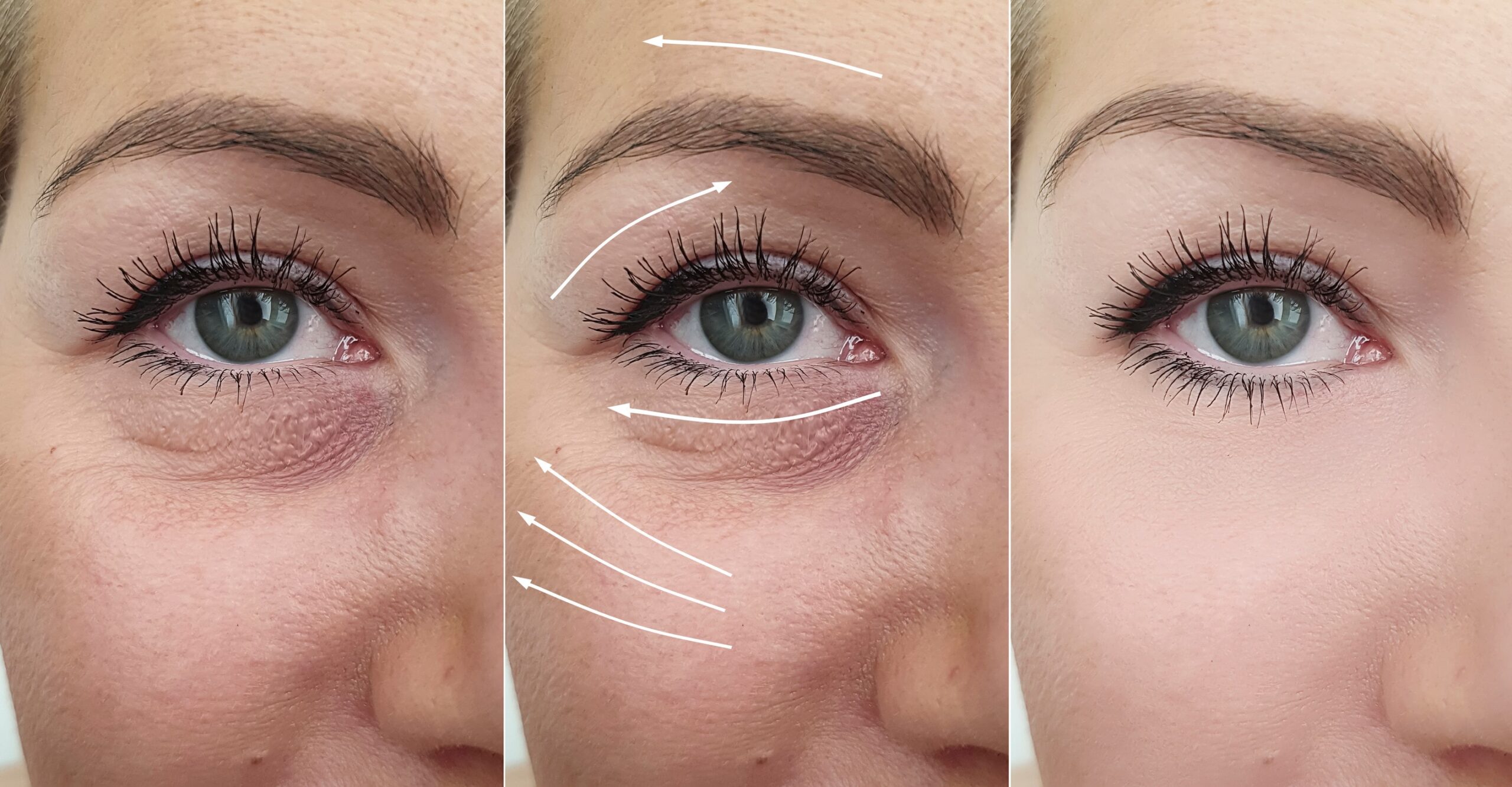
Non-surgical blepharoplasty is a minimally invasive procedure performed in an outpatient setting . To ensure maximum patient comfort, the procedure is performed under local anesthesia . The typical session lasts about 20 minutes, but may vary depending on the area being treated.
This procedure offers a quick and safe way to improve the appearance of the eyelids without a lengthy recovery period. It’s an ideal solution for those seeking visible results quickly.
Preparation for the session
Before treatment, it is important to prepare properly. A topical anesthetic is applied for at least 30 minutes before treatment to minimize discomfort .
This preparatory phase serves to ensure that the patient is comfortable and that the treatment can be performed with maximum precision and safety.
The session step by step
- During the session, the Plexr device is used to create small sublimation dots on the skin, gradually eliminating excess tissue.
- After cleaning the area, small ablation stitches are placed to treat the skin.
- The patient is asked to open and close his eyes for a targeted application of the treatment.
Results and duration of effects

The results of non-surgical blepharoplasty can be visible immediately after the session. However, continued improvements gradually become apparent in the weeks following treatment.
Typically, 2 to 4 sessions, performed one month apart, are necessary to achieve final results.
Final improvements can be fully seen within three months of treatment . It’s important to discuss with your doctor what results you can expect and what risks are associated with treatment.
Recovery times
One of the main advantages of non-surgical blepharoplasty is the rapid return to normal daily activities , without the need for a lengthy recovery period. Immediately after treatment, the area around the eyes may experience redness and swelling, which usually disappears within 48-72 hours.
In the first few days after treatment, it’s normal for small scabs to form, a sign of the skin healing. Most people notice an improvement in skin texture and a reduction in swelling after about 7-10 days .
Maintenance of results
To maintain the results achieved with non-surgical blepharoplasty, it is recommended to undergo maintenance sessions once or twice a year . The laser technologies used during treatment help improve skin elasticity and stimulate collagen production, contributing to long-lasting aesthetic results.
By following your doctor’s recommendations and adopting an appropriate skin care routine , you can prolong and maintain the benefits of the treatment over time.
Possibili complicazioni ed effetti collaterali
Come per qualsiasi trattamento estetico, anche la blefaroplastica non chirurgica può comportare alcune complicazioni ed effetti collaterali. Sebbene meno invasiva rispetto alla chirurgia tradizionale, è essenziale informarsi sui rischi potenziali prima di procedere. Le complicazioni possono includere infezioni, ematomi e cicatrici anomale, anche se queste sono generalmente rare.
Lo stato di salute generale del paziente gioca un ruolo cruciale nella scelta del trattamento, specialmente per chi ha una storia clinica di patologie oculari. È fondamentale seguire tutte le indicazioni pre e post-operatorie fornite dal medico per minimizzare i rischi e assicurarsi che il trattamento venga eseguito in sicurezza.
Consulto pre-trattamento: cosa aspettarsi
Il consulto preliminare è un passo cruciale per garantire il successo della blefaroplastica non chirurgica. Durante questa fase, il medico effettuerà una valutazione approfondita delle necessità del paziente e delle aspettative riguardo al trattamento. È essenziale discutere le proprie preoccupazioni e desideri per ottenere un piano di trattamento personalizzato.
Durante il consulto, il medico fornirà informazioni dettagliate sulle tecniche disponibili, sui risultati attesi e sui potenziali rischi associati al trattamento. Questo dialogo aperto è fondamentale per costruire una relazione di fiducia tra paziente e medico e per garantire che il trattamento soddisfi le aspettative.
Valutazione iniziale
La valutazione iniziale include un’analisi dello stato di salute del paziente e delle sue condizioni cutanee. Durante questa fase, il medico esaminerà la condizione della pelle, tenendo conto di fattori come lassità e presenza di rughe.
Il medico discuterà anche le esigenze specifiche del paziente e fornirà raccomandazioni su quali tecniche di blefaroplastica non chirurgica sono più adatte per ottenere i risultati desiderati. Questa valutazione è fondamentale per garantire che il trattamento sia sicuro ed efficace.
Domande da porre al medico
Durante il consulto, è importante porre al medico alcune domande chiave per chiarire ogni dubbio. Chiedere quali sono i possibili trattamenti disponibili per la blefaroplastica non chirurgica e quali rischi potrebbero esserci è fondamentale per prendere una decisione informata.
Informarsi su chi è idoneo per il trattamento e se ci sono condizioni particolari da rispettare aiuta a capire meglio se si è un buon candidato. Domandare quali risultati ci si può aspettare dopo il trattamento e quanto dureranno permette di avere aspettative realistiche.
Finally, asking about the technologies used during non-surgical blepharoplasty, including the differences between them, helps to better understand the process and techniques employed.
Conclusions
Non-surgical blepharoplasty represents an innovative and less invasive solution for those who want to rejuvenate their eyes without undergoing surgery . Thanks to advanced technologies like Plexr and hyaluronic acid, visible and long-lasting results can be achieved with minimal recovery time.
Frequently Asked Questions
Who is a good candidate for non-surgical blepharoplasty?
A good candidate for non-surgical blepharoplasty is generally someone over 30 with moderate to mild eye contour blemishes. It’s important to consult an experienced professional to assess your specific needs.
How long does a non-surgical blepharoplasty session last?
A non-surgical blepharoplasty session typically lasts about 20 minutes, but this time can vary depending on the area being treated.
What is the recovery time after treatment?
After treatment, recovery times vary: redness and swelling around the eyes tend to disappear within 48-72 hours, while any scabbing may last 3 to 5 days.
What are the risks and complications of non-surgical blepharoplasty?
Risks and complications of non-surgical blepharoplasty may include infection, unsatisfactory cosmetic results, and adverse reactions to the materials used.
How long do the results of non-surgical blepharoplasty last?
The results of non-surgical blepharoplasty can be visible immediately and tend to improve over time, with maintenance sessions recommended once or twice a year to prolong the benefits.
