
Are you considering removing under-eye bags? In this article, you’ll discover the benefits, techniques, and recovery process of this procedure.
In a nutshell
- Lower blepharoplasty improves the appearance of the eyelids by removing excess skin and fat, reducing bags and signs of aging.
- Minimally invasive techniques , such as transconjunctival blepharoplasty and the use of the CO2 laser, guarantee optimal aesthetic results with reduced recovery times.
- Post-operative recovery is rapid , with return to normal activities within 1-2 weeks, but full results may take up to a year to stabilize.
Lower Blepharoplasty: Goals and Benefits
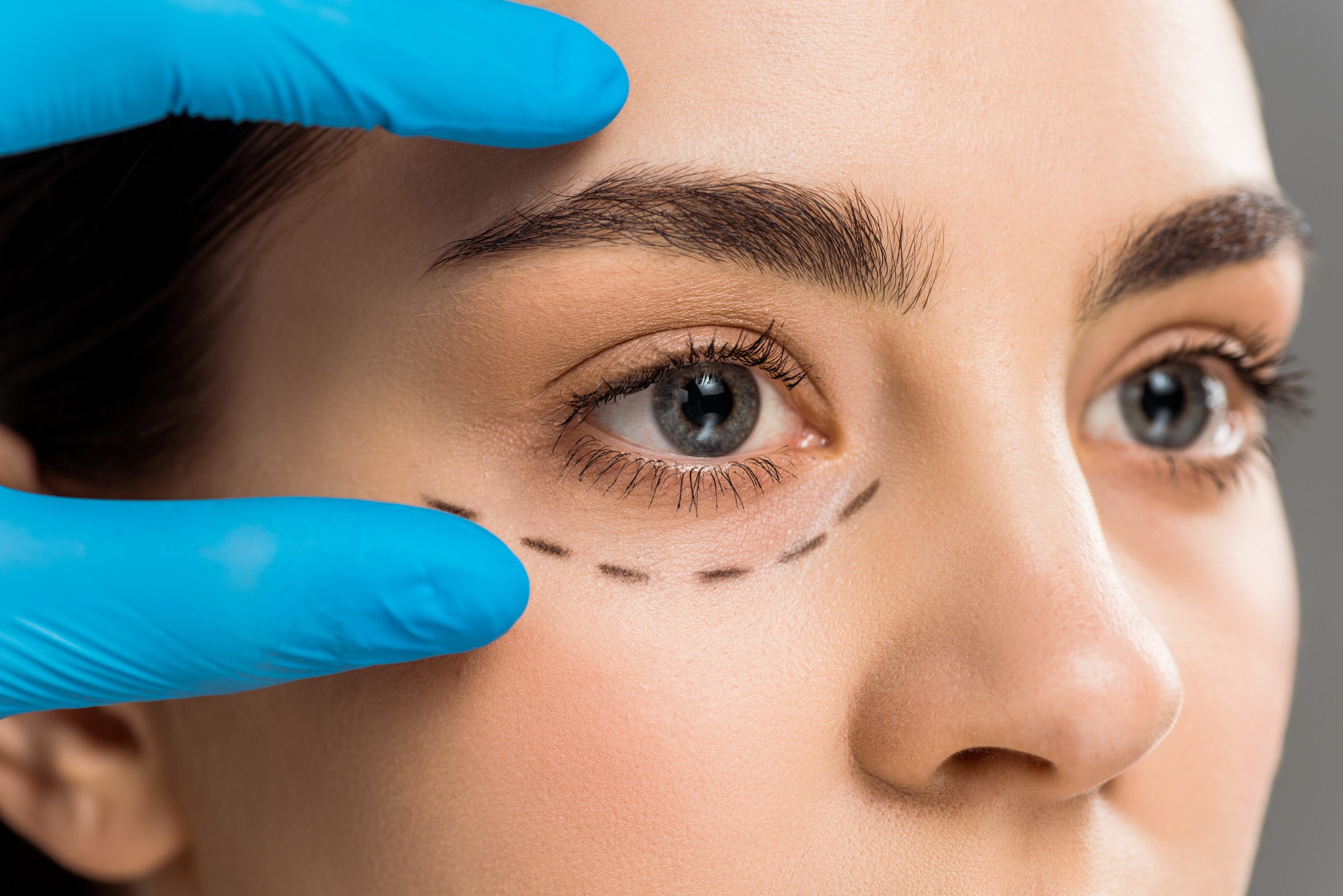
Lower blepharoplasty is a surgical procedure that aims to improve the appearance of the lower eyelids by removing excess skin and fat . It also reduces wrinkles and crow’s feet.
This procedure eliminates puffiness and bags under the eyes and also contributes to a fresher and more alert appearance , giving new vitality to the gaze.
The skin under the eyes becomes more relaxed and even, improving the overall appearance of the face.
Removal of bags under the eyes
One of the main goals of lower blepharoplasty is to remove bags under the eyes , which are often caused by excess fat and skin . During the procedure, the surgeon removes the excess fat that causes bags, contributing to a more relaxed and even appearance of the lower eyelid. This also eliminates dark circles and furrows that accentuate the signs of tiredness and aging .
Removing fat bags not only improves the aesthetics of the lower eyelid, but can also significantly impact self-confidence . When we look in the mirror, seeing a fresher, more rested face can make a huge difference in our self-perception.
Surgery therefore offers not only an aesthetic improvement, but also a potential rejuvenation of the entire face.
Reduction of wrinkles and crow’s feet
In addition to removing excess fat, lower blepharoplasty can significantly reduce wrinkles and crow’s feet around the eyes. This cosmetic procedure can reduce the signs of aging, giving the area around the eyes a smoother, more youthful appearance.
- Wrinkles are folds or furrows that form on the skin due to loss of elasticity and a reduction in collagen . They can appear on different parts of the face and body, but are particularly common on the forehead, around the mouth, and on the neck. Wrinkles can be deeper and more pronounced than crow’s feet.
- Crow’s feet are a specific type of wrinkle that forms around the eyes . These fine lines extend from the outer edge of the eyes toward the temples and are often caused by repetitive facial muscle movements, such as smiling or squinting. Crow’s feet tend to be shallower but more numerous than general wrinkles.
Both of these blemishes can be treated with cosmetic procedures such as blepharoplasty, which helps reduce the appearance of wrinkles and improve the contour of the eyes for a more youthful appearance.
Lower blepharoplasty techniques
Lower blepharoplasty can be performed using various techniques , each with its own advantages and specific indications. The primary goal of these techniques is to improve the appearance of the lower eyelids , eliminating bags under the eyes and reducing the signs of aging.
| Technique | Description | Advantages |
|---|---|---|
| Transconjunctival Blepharoplasty | Incision inside the eyelid, without visible scars. | Quick recovery, no external scars, optimal for fat removal. |
| CO2 laser | Using lasers to reduce swelling and improve skin texture. | Faster healing, less tissue trauma, improved aesthetics. |
| Loeb Hamra Technique | Fat removal and repositioning for complex cases. | Personalized results, orbital sulcus improvement. |
These techniques offer different solutions for lower blepharoplasty, adapting to the specific needs of each patient and ensuring optimal aesthetic results. Each method has its own unique advantages that contribute to an overall improvement in the appearance of the lower eyelids.
Transconjunctival blepharoplasty
Transconjunctival blepharoplasty is a minimally invasive technique that improves the appearance of the lower eyelid without leaving visible scars. The incision is made horizontally, 1-2 mm below the lash line, allowing excess fat to be removed without leaving visible scars.
This technique offers numerous advantages, including faster recovery and optimal aesthetic results. The lack of external incisions significantly reduces the risk of visible scarring and allows patients to return to their daily activities more quickly.
For many patients, this is the ideal solution for eliminating bags under the eyes discreetly and effectively.
Using the CO2 laser
The use of the CO2 laser in lower blepharoplasty represents an advanced approach that improves aesthetic results and speeds up the recovery process .
The CO2 laser is used for:
- Minimize tissue trauma
- Promote faster healing
- Reduce swelling
- Shorten post-operative recovery time
This method is particularly effective for treating the thin and sensitive skin of the lower eyelid , resulting in a smoother, more even appearance. The use of the CO2 laser is therefore an excellent choice for those seeking aesthetic improvement with a modern and less invasive approach.
Loeb Hamra Technique
The Loeb Hamra technique is specifically designed to treat complex lower blepharoplasty cases , combining fat removal and repositioning . This approach allows for precise treatment of specific issues , offering a personalized result for each patient.
The Loeb Hamra technique is particularly useful in cases where fat repositioning is necessary to fill the orbital sulcus and improve the overall appearance of the eyes. This method guarantees significant and lasting improvement , with an approach tailored to the individual patient’s needs.
Procedure of the intervention
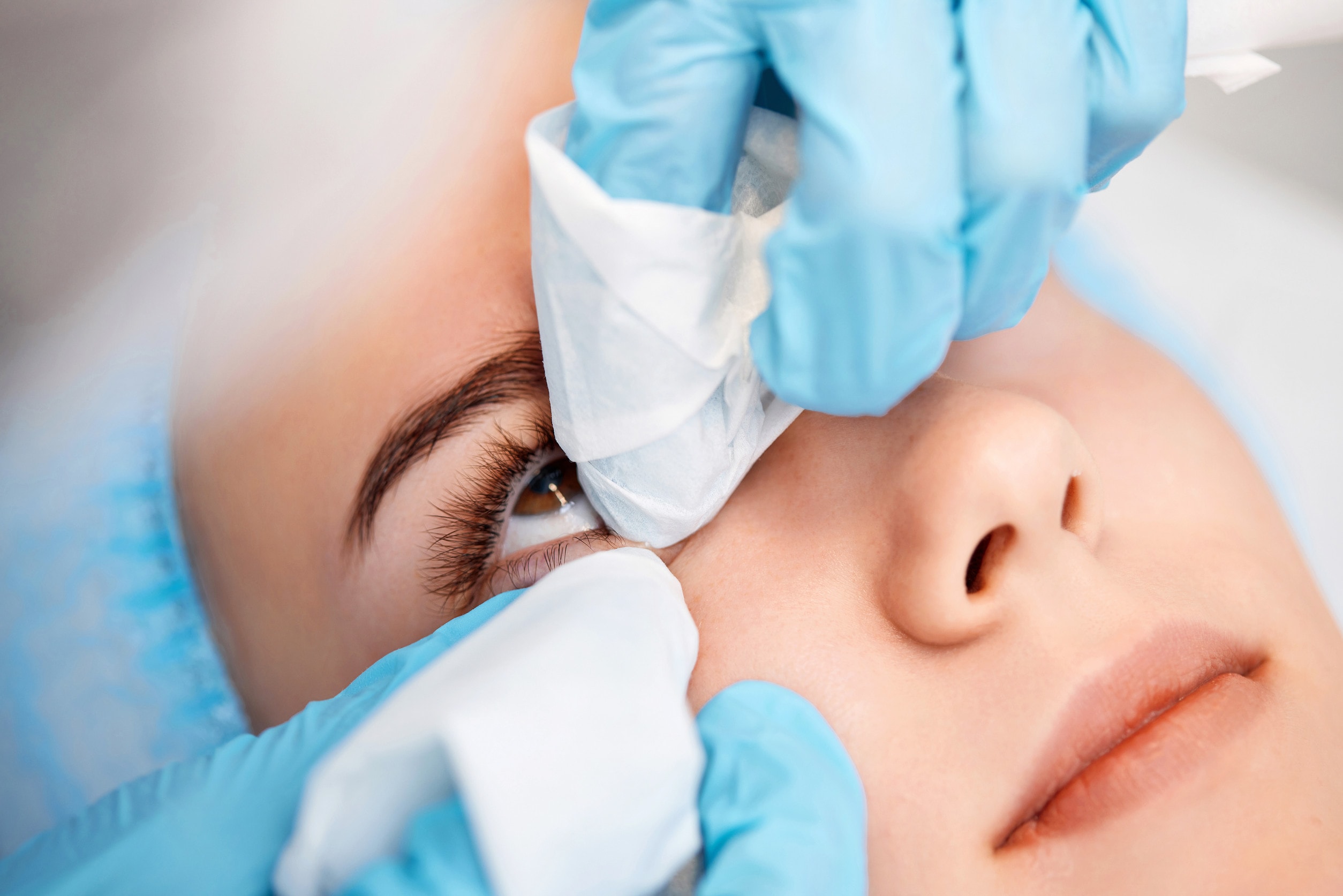
The lower blepharoplasty procedure begins with a detailed assessment of the patient’s needs and careful planning of the procedure. The primary goal is to remove excess fat and skin from the lower eyelids , improving the appearance of the eye area .
But there are some exceptions. The Loeb Hamra technique, as we’ve seen, aims to reposition eyelid fat to fill the orbital sulcus, improving the overall aesthetics.
The stitches are removed 4 to 6 days after surgery , and full recovery can take up to a year . The procedure is generally well tolerated, with rapid recovery and visible results within the first few weeks after surgery.
Local anesthesia and sedation
During lower blepharoplasty surgery, there are two main anesthetic options: local anesthesia or a combination of local anesthesia and sedation .
- Local anesthesia is generally used to keep the patient awake but pain-free during the procedure.
- Sedation can be implemented to keep the patient partially conscious but also more relaxed during the procedure.
Incision and removal of tissue
The incision for lower blepharoplasty is placed horizontally, approximately 1-2 mm from the lash line , to minimize the visibility of scars. During the procedure, excess skin and fat can be removed and the eyelid muscles realigned for optimal aesthetic results.
Excess tissue is removed and fat bags are reshaped through an incision in the lower eyelid margin . This approach allows for significant improvement without compromising the natural appearance of the face.
Closure and stitches
The incisions made during lower blepharoplasty are generally closed with stitches , which can be absorbable or removable depending on the techniques used . The choice between these two types of stitches depends on the surgeon’s preference and the specifics of the case.
Suturing techniques are essential to ensure proper healing of incisions and minimize the visibility of scars . Accurate and gentle closure promotes a rapid and uncomplicated recovery and contributes to an optimal aesthetic result.
Post-operative recovery

Recovery after lower blepharoplasty is relatively quick, with most people able to resume normal activities within two weeks . However, the recovery period can vary from a couple of weeks to several weeks, depending on the severity of the procedure and the patient’s response to the surgery.
During the healing period, it is essential to follow your surgeon’s instructions to minimize swelling and promote a quick recovery . The results of lower blepharoplasty are visible immediately, but continue to improve over time as the healing process progresses.
The procedure can be performed on an outpatient basis, without the need for hospitalization.
Healing times and return to daily activities
The stitches are generally removed 3-6 days after the procedure , allowing the incisions to heal properly. After surgery, it is recommended that you take a break from work for 1-2 weeks , with light activities resumed after 3 weeks .
Normal work activities can generally be resumed 7-10 days after blepharoplasty surgery. However, it is advisable to avoid strenuous physical activity for at least a month to allow for complete and optimal healing.
Scar Care
To minimize the visibility of scars, it is essential to follow your surgeon’s instructions regarding the application of ointments and eye drops . It is important to protect the operated area from the sun and use specific scar treatment creams to promote optimal healing.
Massaging the area with special oils or gels can improve the appearance of scars and facilitate blood circulation .
Additionally, it’s recommended to protect scars with sunscreen during the first few months to prevent permanent darkening. By carefully following these instructions, scars tend to become less visible over time.
Possible complications and how to avoid them
As with any surgery, there are potential complications that must be considered. Common complications may include infection, bruising, and dry eyes , but following your surgeon’s post-operative instructions can reduce these risks. More serious complications, such as infection or bleeding, are rare but require immediate attention.
To prevent complications, maintaining excellent personal hygiene is essential . Proper management of the recovery period and attention to the body’s signals can contribute to a safe postoperative experience and optimal aesthetic results.
Expected results
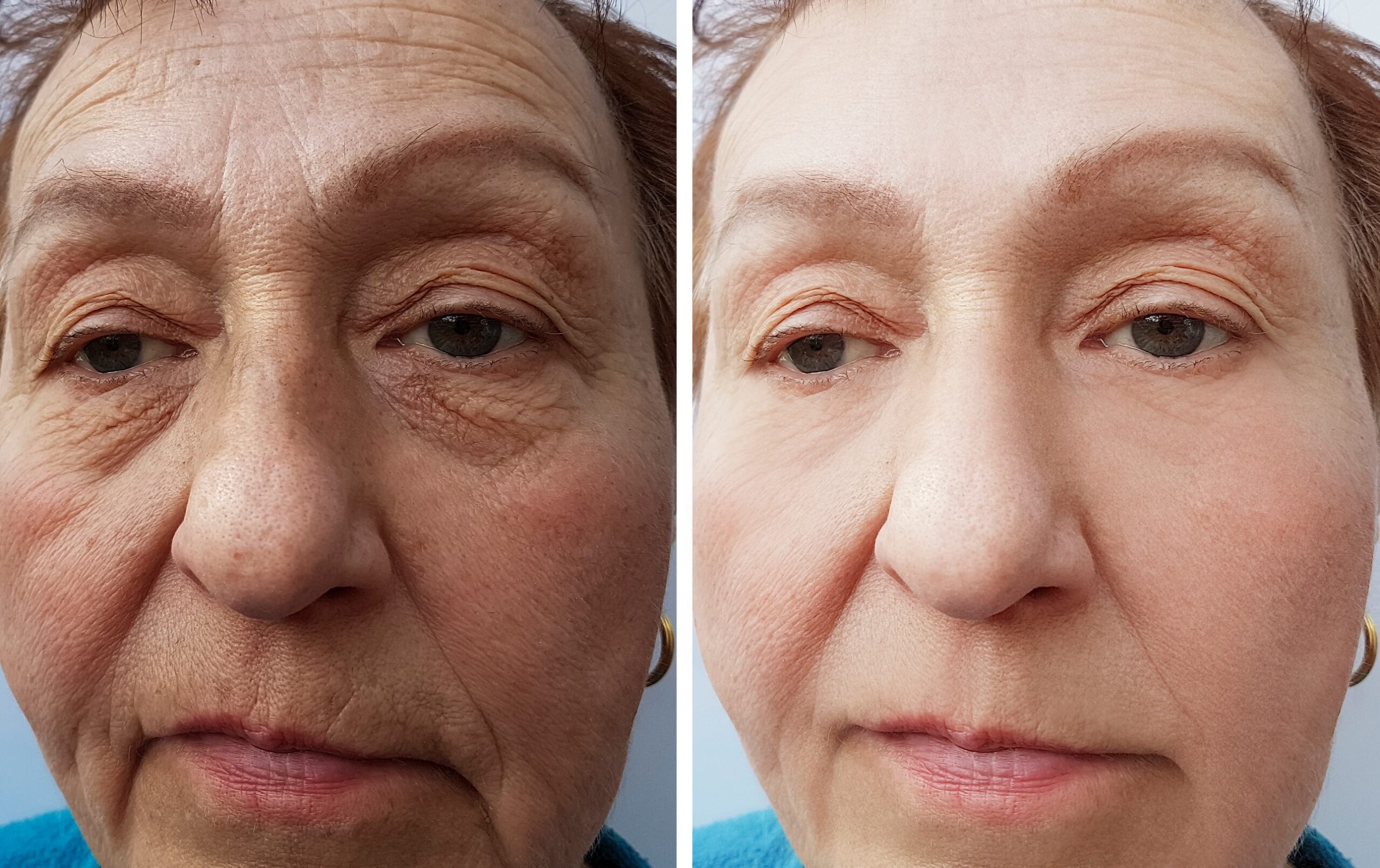
The results of lower blepharoplasty can vary significantly from patient to patient , due to individual factors such as age and skin quality. The procedure not only rejuvenates the look, but can also slow the aging process of the skin around the eyes.
The use of a fractional CO2 laser improves the texture of the eyelids and stimulates collagen production, contributing to a younger, fresher appearance. Lower blepharoplasty can also alter the outer corners of the eyes, contributing to a more youthful appearance.
Natural and rejuvenated look
This treatment helps restore a youthful and natural appearance to the face , improving facial harmony.
Modern blepharoplasty techniques aim to maintain a natural appearance, avoiding drastic facial changes. The results of the procedure can significantly rejuvenate the face, maintaining a natural and harmonious effect.
Duration of results
The results of lower blepharoplasty can last for several years, depending on individual characteristics and environmental factors. The longevity of results can vary significantly from patient to patient, influenced by constitutional factors and lifestyle habits.
The results of the procedure tend to be permanent , as the removed fat does not regrow. However, the natural aging of the skin continues and can affect its appearance over time , making future maintenance procedures necessary.
Variability of results
The results of lower blepharoplasty depend on variables such as age and skin condition . The patient’s age and skin quality can significantly influence the results of the procedure. Variability in results can result from factors such as skin quality and post-operative care habits .
Conclusion
In summary, lower blepharoplasty offers an effective solution for eliminating under-eye bags, improving facial appearance, and reducing wrinkles and crow’s feet. The various techniques available, such as transconjunctival blepharoplasty and the use of the CO2 laser, guarantee optimal results with short recovery times.
With proper post-operative care and following the surgeon’s instructions, scars become less visible and the aesthetic results can last for many years.
FAQ
How long does it take to fully recover after lower blepharoplasty?
Full recovery after lower blepharoplasty can take up to a year, but normal activities can generally resume within two weeks.
Are the scars from lower blepharoplasty visible?
Lower blepharoplasty scars are generally barely visible, as they are positioned just below the eyelashes. This aesthetic measure promotes a more harmonious result.
What are the possible complications of lower blepharoplasty?
Possible complications of lower blepharoplasty include infections, bruising, and dry eyes, although these are rare and can be prevented by carefully following the surgeon’s instructions.
How long do the results of lower blepharoplasty last?
The results of lower blepharoplasty can last for several years, but the duration is influenced by individual factors and lifestyle.
Is it possible to combine lower blepharoplasty with other cosmetic procedures?
Yes, lower blepharoplasty can be combined with other aesthetic procedures for overall facial rejuvenation. This is a common choice for maximizing aesthetic results.
