How long does it take for the nose to settle after rhinoplasty? What happens during recovery? In this article, we answer these questions and illustrate the various stages of post-rhinoplasty nasal settlement.
In a nutshell
- The nasal adjustment process after rhinoplasty takes several months , with optimal results visible after 6-8 months.
- Proper post-operative care , including the use of dressings and management of swelling, is essential for a safe and effective recovery .
- Getting used to your new appearance takes time and, if necessary, psychological support from friends, family, or a professional.
Post-Rhinoplasty Nose Adjustment: What to Expect
After rhinoplasty, the nose goes through a settling-in process that can last several months . During this time, patients may notice changes in the shape of the nose , such as the tip lengthening or slightly drooping.
It is essential to have patience and understand that the adjustment process takes time to see optimal results.
The final results of rhinoplasty are generally visible after 6-8 months. However, the recovery process is divided into several phases, each with its own characteristics. Below, we’ll analyze what to expect in the first few days, weeks, and months following rhinoplasty surgery.
The first days after surgery
In the first 48 hours after surgery , swelling peaks, and bruising may appear around the eyes. During this time, it’s common to experience some discomfort, but it’s essential not to be discouraged.
Here are some recommendations for managing the post-operative period:
- Use plasters to compress tissue and prevent local bleeding.
- Apply ice to reduce swelling.
- Get adequate rest and avoid physical exertion.
- Follow your doctor’s directions regarding pain medications.
- Monitor for signs of infection and contact your doctor if necessary.
By following these guidelines, recovery cleaning will be easier for most and the answer will be clear, paving the way for a more efficient process.
It’s equally important to seek psychological support if you experience difficulty accepting your new appearance or if you experience symptoms of post-operative anxiety. Many patients find it helpful to talk to a professional to manage their insecurities and have a more positive outlook on future results.
The first few weeks
In the first few days, you may notice your nose starting to take shape. However, swelling will still be noticeable. By the second week, swelling may decrease by 60-70%, although the tip of your nose may remain swollen for a little longer . The cast is removed at the end of the first week, and your nose will be free of dressings by the second week.
At this stage, it’s essential to follow all of your surgeon’s recommendations to ensure safe healing and prevent complications. Maintaining good hygiene and avoiding activities that could put your nose at risk are essential for optimal recovery.
From three months to a year
The nasal settling process continues in the months following surgery. After three months, the nose shows a good level of settling, although the tip may still be swollen and hard .
The swelling begins to gradually disappear after six months , and the nose continues to shape itself towards its final form.
One year after rhinoplasty, the swelling should have completely disappeared, revealing the final result. It’s important to remember that every patient is unique and recovery times may vary. The key is patience and carefully following the surgeon’s instructions.
Post-operative care for good recovery
Postoperative care is crucial to ensuring proper nasal adjustment after rhinoplasty and rhinoseptoplasty. Following the right precautions and your surgeon’s advice can make a big difference in the final results.
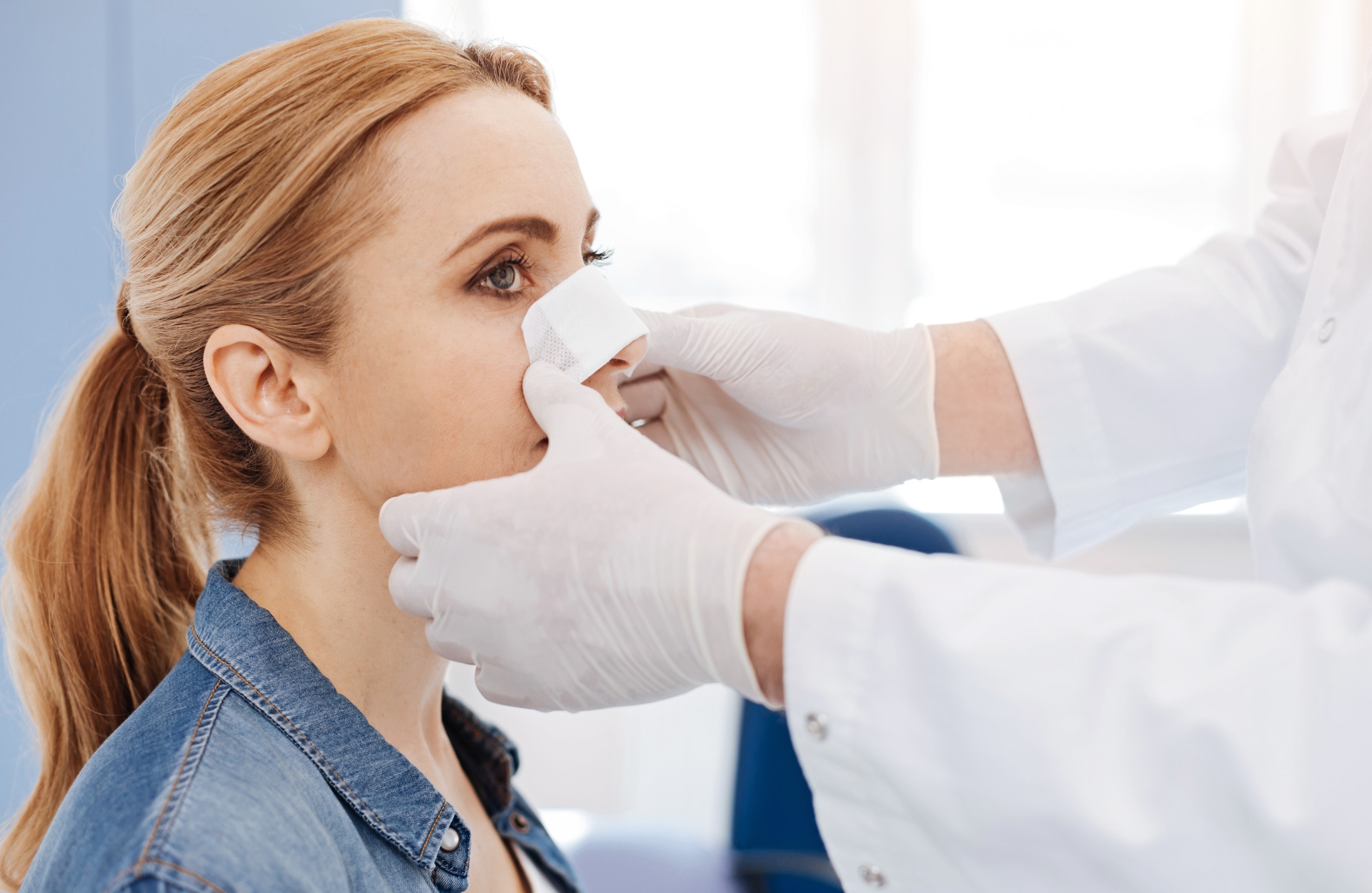
Post-rhinoplasty dressings should be kept on for 5-7 days . This is necessary after the rigid splint has been removed. Your surgeon may recommend using the dressings longer, especially at night.
Patients can contribute to a safe recovery by following the proper precautions recommended by the surgeon .
Avoid shock and pressure
It’s essential not to touch or bump your nose to avoid compromising healing and the aesthetic result . After surgery, the bones and tissues are fragile. Bumping can cause pain, swelling, or compromise the final result. Therefore, it’s best to avoid touching your nose.
Sleeping with your head elevated is strongly recommended. Using pillows can help prevent sudden movements. Avoiding nose blowing and strenuous physical activity are other important measures for successful recovery.
Swelling Management
The main nasal swelling typically subsides within the first 2-4 weeks after surgery. Applying cold compresses can help reduce swelling in the early stages of recovery.
Painkillers are often prescribed, although their use should be limited . Following your surgeon’s recommendations and implementing these daily strategies significantly improves recovery.
Nutrition and lifestyle
To promote good healing, it is recommended to follow a soft, cold diet in the first few weeks after surgery . A proper diet is essential to support the postoperative healing process.
Adopting a lifestyle that supports recovery is equally important. Avoiding strenuous physical activity and taking care of your body , following your surgeon’s advice, can make a big difference in your final results.
When to consult the surgeon

After rhinoplasty surgery, it’s essential to know when to see your surgeon to ensure the healing process is progressing properly . Following your rhinoplasty surgery, you can safely resume your daily activities by following your surgeon’s instructions.
It is important to be aware of the signs that may indicate complications and attend scheduled check-ups to monitor your recovery.
Signs of complications
It’s crucial to contact your surgeon if you experience heavy or persistent bleeding , as significant bleeding episodes or the presence of clots may indicate complications. Persistent sharp pain or increased swelling are other signs that require your surgeon’s attention.
Fever or severe pain associated with excessive swelling may indicate postoperative problems and warrant a visit to the surgeon. It’s essential to contact your surgeon if you notice any unusual symptoms during the recovery phase.
Check-ups
Follow-up visits are essential to ensure proper healing . During these visits, the surgeon can evaluate the alignment of the nose and the presence of any complications.
Scheduling regular checkups helps monitor healing and prevent complications through timely intervention. Follow-up visits may include interventions at 7-, 14-, and 28-day intervals.
Psychological aspects of settlement

The change in appearance after rhinoplasty can affect self-esteem and self-perception, leading to feelings of anxiety . Cosmetic surgery can promote a more positive body image, but it’s normal to experience emotional challenges during the adjustment period.
It’s important to recognize the psychological impact of rhinoplasty and seek support when necessary . Below, we’ll explore how to adjust emotionally to the changes and the importance of psychological support.
Emotional adaptation
It’s crucial to allow time to acclimate to the cosmetic changes, as accepting your new appearance may require an adjustment period. Getting used to your new appearance takes time , as the changes resulting from surgery must be integrated into your personal image.
Psychological support
Seeking psychological support can be helpful in dealing with any emotional issues that arise during post-operative recovery. It’s normal to have anxiety about your appearance after rhinoplasty , and psychological support can offer strategies for managing them.
Allowing yourself time to emotionally adjust to changes in appearance and proportion is essential for psychological well-being and recovery.
Conclusion
The post-rhinoplasty nasal adjustment process is long and requires patience . Every phase, from the first few days to the following weeks, up to a year after surgery, plays a crucial role in the final outcome. Following your surgeon’s instructions and taking care of your nose are essential steps for optimal recovery.
The psychological aspect is equally important : adapting to the aesthetic changes and seeking emotional support when necessary can make the difference in experiencing this experience positively. Remember, every step toward recovery is a step toward a new version of yourself.
FAQ
How long does it take to see final results after rhinoplasty?
Final results after rhinoplasty can generally be seen after 6-8 months, but complete settling of the nose can take up to a year.
Is it normal to have swelling and bruising after surgery?
Yes, it’s normal to have swelling and bruising after surgery, especially in the first 48 hours. However, the main swelling tends to subside within 2-4 weeks.
What are the signs of post-operative complications?
Signs of postoperative complications include heavy bleeding, persistent sharp pain, excessive swelling, and high fever. It’s essential to contact your surgeon if you experience these symptoms.
How can I reduce swelling after rhinoplasty?
Applying cold compresses and taking painkillers as directed by your surgeon are two effective methods for reducing swelling after rhinoplasty. Always follow your doctor’s instructions for optimal recovery.
Is it normal to feel anxious about your appearance after rhinoplasty?
It’s normal to feel anxious about your appearance after rhinoplasty. Considering psychological support can be helpful in managing these concerns and facilitating adjustment to the changes.
