What to expect one year after abdominoplasty? In this article, you’ll learn what happens aesthetically and muscularly, and how to address any complications.
In a nutshell
- One year after abdominoplasty, patients observe a significant improvement in the appearance of their abdomen , with greater tone and muscle definition, contributing to an increase in self-confidence.
- Scar management is essential to optimize aesthetic results ; patients should follow their surgeon’s instructions and can benefit from specific treatments and self-treatment.
- A healthy lifestyle, including a balanced diet and regular physical activity, is essential to maintain the results of the surgery and prevent late complications, such as swelling and loss of tone.
Abdominoplasty after one year: what to expect
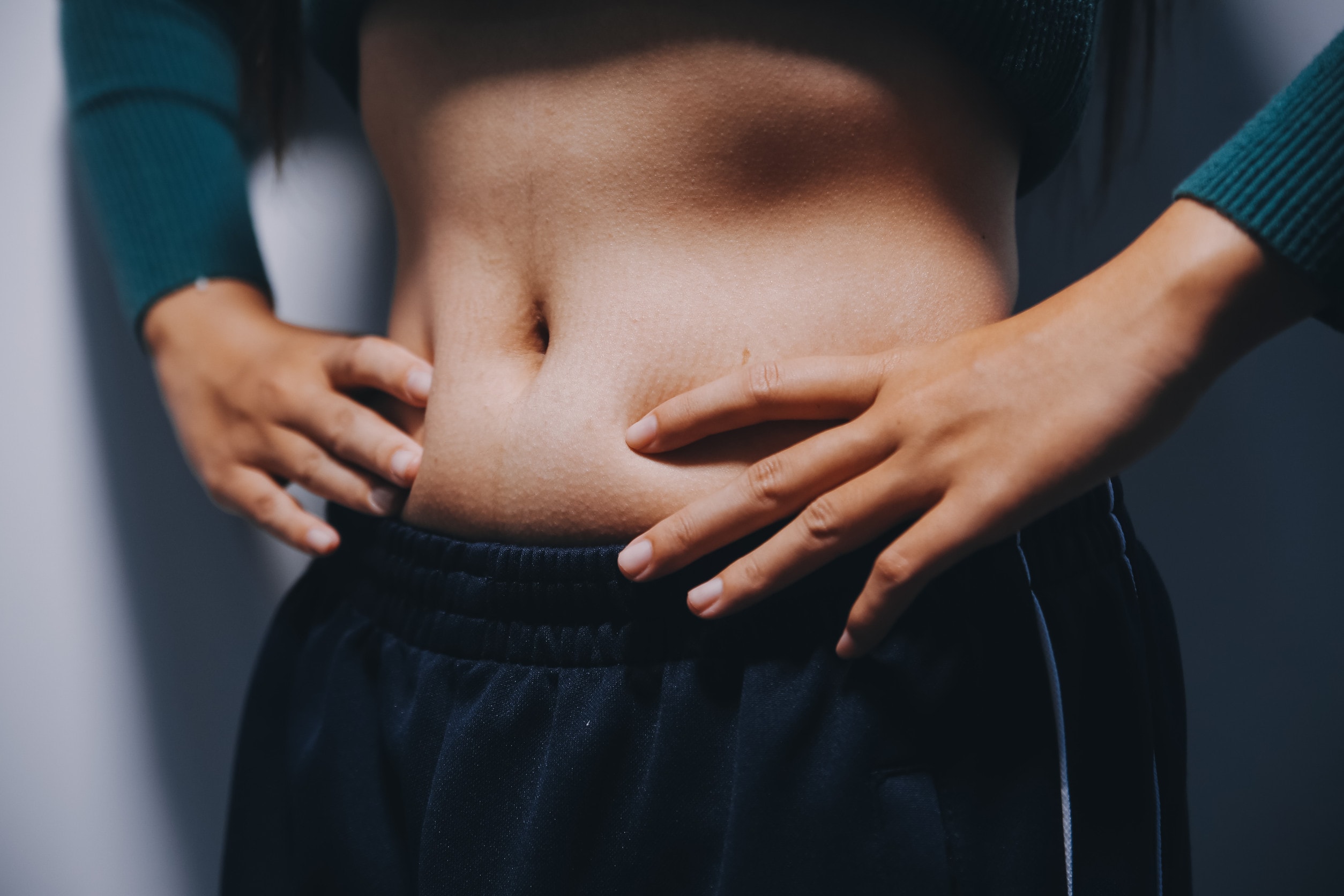
One year after abdominoplasty, patients can observe significant changes in the appearance of their abdomen. Excess skin has been removed, making the abdomen flatter and more toned . These aesthetic improvements contribute not only to a better physical appearance, but also to increased self-confidence and personal satisfaction. Body contours have improved, allowing patients to wear clothes they previously avoided.
These changes don’t happen overnight. Healing takes time and patience. One year after surgery, patients can finally see the results stabilize , with a more defined and toned abdomen.
The post-operative period is crucial for maintaining the results achieved, and requires careful management of diet, exercise, and scarring.
General appearance of the abdomen
One year after abdominoplasty, the appearance of the abdomen changes dramatically. The skin is firmer and the abdominal contours are more defined, contributing to greater body harmony . This aesthetic improvement allows patients to enjoy a more active social life without the embarrassment of a sagging abdomen. Wearing clothes they previously avoided becomes a reality, increasing self-confidence and personal satisfaction.
Reducing excess skin is one of the most noticeable changes. This not only improves physical appearance, but also reduces any discomfort associated with loose skin. Patients can thus feel more comfortable and confident, fully enjoying the aesthetic and functional benefits of abdominoplasty.
Tone and muscles
Abdominal tone and musculature are significantly improved one year after abdominoplasty. Patients report feeling more confident and satisfied with their abdominal appearance, thanks to the restored tone. This improvement is often supported by specific exercises such as crunches, planks, and leg raises, which help maintain and improve post-operative abdominal muscle tone.
Maintaining a balanced diet and an active lifestyle is essential to maximizing the results of abdominoplasty and preserving muscle tone. These efforts contribute not only to a better physical appearance but also to greater overall well-being, further boosting self-confidence and personal satisfaction.
Scar management one year after plastic surgery
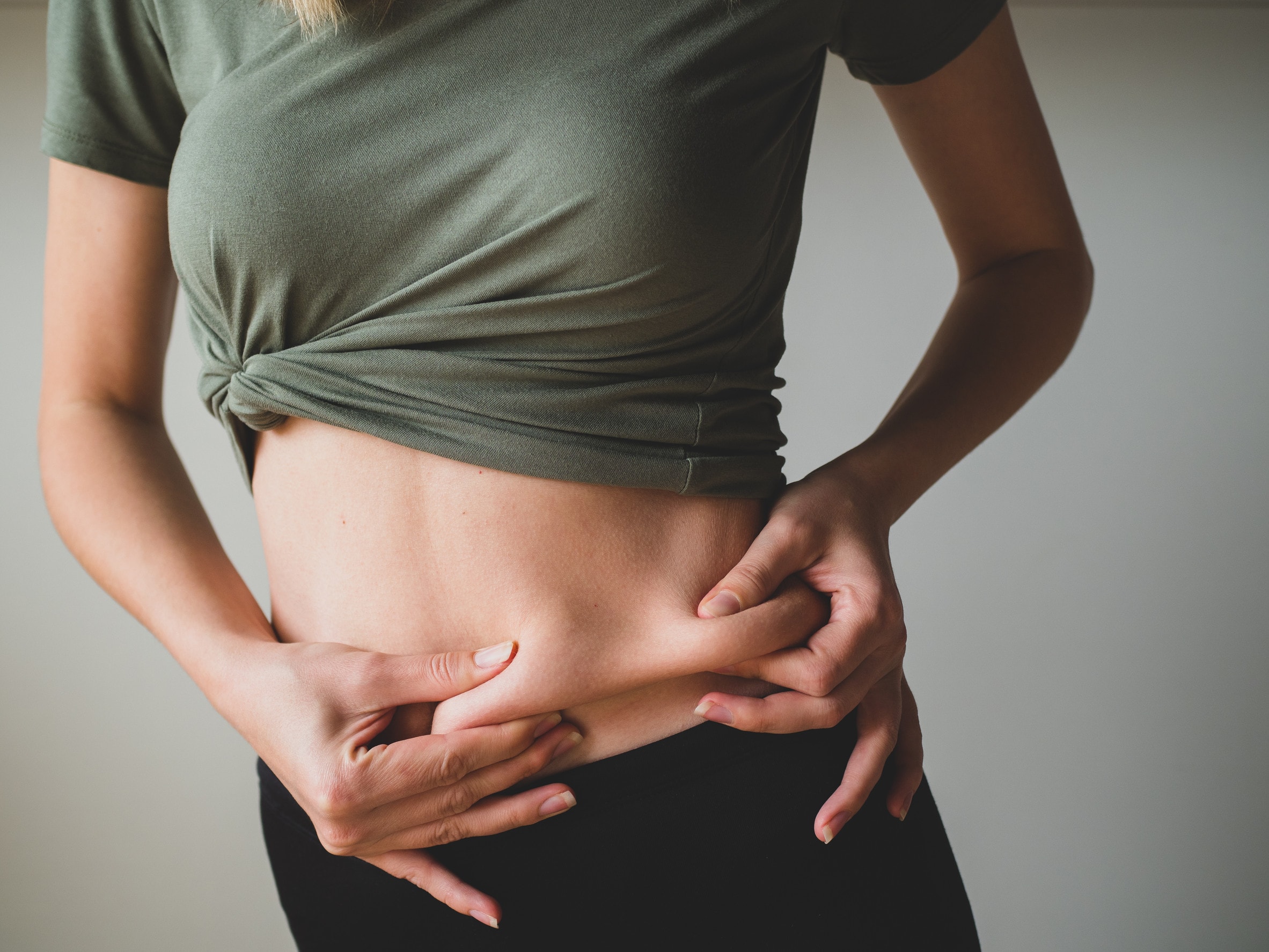
One year after abdominoplasty surgery, scars tend to lighten and become less noticeable. However, scar management is an ongoing process that requires attention and care . Maintaining a balanced diet is crucial for post-operative recovery, as it promotes healing and helps avoid complications. Following your surgeon’s instructions is essential to achieving the best aesthetic outcome for your scars.
Some patients may experience scarring issues that require additional treatments to improve the appearance of scars. Various treatment options exist to help minimize scar hypertrophy and improve the quality of the skin in the affected area . Proper scar management contributes not only to aesthetic improvement but also to the patient’s psychological well-being.
Scar Treatments
There are numerous treatments available to improve the appearance of post-operative scars. The following table describes the most common ones.
| Treatment | Description |
|---|---|
| Laser treatments | They can be particularly effective, stimulating cell regeneration and reducing the visibility of scars. |
| Silicone-based products | Recommended to minimize scar hypertrophy and improve skin quality. |
| Vitamin E products | They can help improve the appearance of scars. |
Combining various treatments can optimize the healing process. It’s important to discuss the available options with your surgeon and choose the treatment that best suits your needs. This way, patients can improve the appearance of scars and achieve optimal aesthetic results.
Self-treatment of scars
Scar massage is an effective technique for improving the appearance of post-surgical scars. Kneading , pinching, and deep circular movements can help break down scar tissue and promote cell regeneration . Applying massage products at least twice a day for three months can make a significant difference.
Creams containing allantoin are particularly useful for soothing scar tissue and promoting cell regeneration.
Post-operative nutrition and lifestyle

Adopting a balanced diet and a healthy lifestyle is essential to maintaining the aesthetic results achieved with abdominoplasty. Proper nutrition and regular exercise not only improve physical appearance, but also contribute to the patient’s overall well-being.
A balanced diet and exercise program should be an integral part of the postoperative period. This approach not only helps maintain a toned and defined abdomen, but also reduces the risk of late complications and promotes optimal healing.
Balanced diet
A balanced diet is crucial for post-operative recovery. Consuming about 30 grams of fiber per day helps prevent constipation, a common side effect after surgery . Additionally, it’s recommended to include fruits, vegetables, and lean proteins in your diet to support healing and maintain a healthy weight.
Limiting sugars and saturated fats is equally important for maintaining weight control and maintaining abdominal tone . Including lean proteins in your diet is essential for tissue repair after abdominoplasty.
Physical exercise
One year after surgery, many patients notice an increase in abdominal muscle tone, especially with regular exercise . About two months after abdominoplasty, you can begin more intense exercises, including abdominal exercises.
Core strengthening exercises , such as planks and crunches , are particularly effective for strengthening abdominal muscles and improving posture .
Cardiovascular activities such as walking or swimming are useful for burning calories and maintaining a slim silhouette .
Moderate physical activity can also help reduce post-operative abdominal swelling , contributing to a faster and more effective recovery.
Late complications after surgery and how to deal with them

Despite the numerous aesthetic and functional benefits, abdominoplasty can cause late complications that must be carefully managed . Complications such as hematomas, seromas, and infections can occur up to a year after surgery. It is essential to carefully monitor any changes and consult your surgeon for prompt treatment.
A Mediterranean diet, rich in antioxidants and omega-3s, can help reduce inflammation and promote healing. Furthermore, proper post-operative care is crucial to prevent hypertrophic scars or keloids in some cases.
Preventing and managing these complications is essential to maintaining aesthetic results and overall well-being.
Abdominal swelling
Abdominal swelling one year after surgery is one of the most common problems. This swelling is often caused by:
- Food intolerances
- Fluid retention
- Greater evidence of abdominal muscles
- Excessive salt consumption
Svolgere esercizi fisici mirati e mantenere un’adeguata idratazione può aiutare a ridurre il gonfiore e migliorare il benessere generale.
Controlli periodici e follow-up
I controlli periodici e il follow-up sono essenziali per monitorare il recupero dopo l’intervento di un’addominoplastica. Il follow-up post-intervento dura circa un anno e include incontri regolari con il chirurgo per monitorare i progressi e identificare eventuali complicazioni.
Le visite di controllo sono anche un’opportunità per discutere con il chirurgo qualsiasi preoccupazione o sintomo che potrebbe preoccupare il paziente.
Frequenza dei controlli
I controlli post-operatori sono raccomandati a intervalli regolari, generalmente ogni 3-6 mesi durante il primo anno. Questi controlli permettono di valutare i progressi della guarigione e di intervenire tempestivamente in caso di complicanze.
Durante questi controlli, il chirurgo può anche fornire consigli su come mantenere la tonicità e la muscolatura addominale, oltre a suggerimenti su eventuali trattamenti per migliorare l’aspetto della cicatrice, inclusa la chirurgia plastica, il video e la diastasi.
Cosa discutere con il chirurgo
Durante i controlli post-operatori, è importante discutere qualsiasi preoccupazione riguardo alla sensibilità cutanea, come formicolio o intorpidimento nella zona addominale.
Problemi di sensibilità cutanea, come la parestesia, possono persistere oltre un anno in una piccola percentuale di pazienti.
Inoltre, è utile discutere eventuali cambiamenti nella dieta e nell’esercizio fisico, per assicurarsi che il piano post-operatorio sia adeguato alle esigenze individuali del paziente.
Testimonianze di pazienti
Le testimonianze dei pazienti sono una fonte preziosa di informazioni e ispirazione per chiunque stia considerando un’addominoplastica. Molti pazienti condividono la loro esperienza come una vera e propria rinascita personale. Il risultato estetico dell’addominoplastica si traduce in un addome più tonico e privo di eccesso di pelle, contribuendo a una maggiore sicurezza personale e a una migliore qualità della vita.
Le esperienze positive dimostrano che l’addominoplastica può portare a una trasformazione significativa, migliorando l’aspetto fisico e l’autostima dei pazienti. Tuttavia, è importante essere consapevoli delle possibili complicanze e delle sfide che possono sorgere durante il periodo post-operatorio.
Esperienze positive
Molti pazienti hanno raccontato di sentirsi rinati dopo aver affrontato l’addominoplastica, evidenziando un miglioramento significativo nella loro vita quotidiana. Alcuni descrivono il loro nuovo aspetto addominale come liberatorio, permettendo loro di indossare vestiti che prima evitavano. Questa trasformazione non solo ha migliorato la loro immagine corporea, ma ha anche aumentato la loro autostima e fiducia in se stessi.
Le testimonianze positive mettono in luce come l’addominoplastica possa avere un impatto profondo sulla vita dei pazienti, migliorando non solo l’aspetto fisico, ma anche la qualità della vita e il benessere psicologico.
Problematiche intervenute
Nonostante i numerosi benefici, alcuni pazienti hanno affrontato complicanze tardive che possono insorgere un anno dopo l’addominoplastica. Tra queste, si possono riscontrare:
- Accumulo di grasso
- Perdita di tonicità muscolare
- Gonfiore addominale, che può avere varie cause tra cui la ritenzione idrica o la formazione di aderenze
Conclusione
In sintesi, un anno dopo l’addominoplastica, i pazienti possono aspettarsi un addome più piatto e tonico, con una riduzione significativa della pelle in eccesso e una maggiore definizione muscolare. La gestione delle cicatrici, un’alimentazione equilibrata e un programma di esercizio fisico sono fondamentali per mantenere i risultati estetici ottenuti. Anche se possono insorgere complicanze tardive, una corretta gestione post-operatoria e controlli regolari con il chirurgo possono prevenire e trattare efficacemente questi problemi.
Domande Frequenti
Quanto tempo ci vuole per vedere i risultati definitivi dell’addominoplastica?
I risultati definitivi dell’addominoplastica si stabilizzano generalmente entro un anno dall’intervento, momento in cui l’addome appare più piatto e tonico.
Come posso migliorare l’aspetto delle cicatrici dopo un’addominoplastica?
Per migliorare l’aspetto delle cicatrici dopo un’addominoplastica, è consigliabile utilizzare trattamenti laser, applicare prodotti a base di silicone o vitamina E e praticare massaggi regolari.
È normale avere gonfiore addominale un anno dopo l’addominoplastica?
È normale avere gonfiore addominale un anno dopo l’addominoplastica, poiché può essere dovuto a intolleranze alimentari, ritenzione di liquidi o a una maggiore visibilità della muscolatura addominale. È consigliabile consultare un medico per escludere eventuali complicazioni.
Quali esercizi sono consigliati per mantenere la tonicità addominale dopo l’addominoplastica?
È consigliabile eseguire esercizi di rinforzo del core come plank, crunch e sollevamenti delle gambe per mantenere la tonicità addominale dopo l’addominoplastica.
Quanto spesso dovrei programmare i controlli post-operatori?
It’s recommended to schedule post-operative checkups every 3-6 months during the first year. This frequency helps monitor recovery and identify any complications early.
