One month after abdominoplasty, many patients wonder what improvements and changes to expect. In this article, we’ll discuss visible results, swelling reduction, and scarring.
In a nutshell
- Approximately 30 days after the procedure, a reduction in swelling and aesthetic improvements in the abdomen begin to be visible , with final results emerging over time.
- The use of specific products and massage techniques can improve the appearance of scars during post-operative recovery.
- It is important to incorporate light physical activity and follow a balanced diet to optimize recovery and maintain the results achieved from abdominoplasty.
Abdominoplasty After 1 Month: What to Expect

One month after abdominoplasty, the first signs of recovery emerge . The abdomen appears more toned and defined thanks to the significant reduction in swelling.
To achieve optimal recovery, it is essential to carefully follow medical instructions to avoid complications such as hematomas and seromas.
Reduction of swelling
Swelling is the body’s natural response to a surgical procedure like a tummy tuck. Fortunately, after a month, the swelling begins to significantly decrease .
Wearing an elastic compression garment day and night for at least two months is essential to facilitate this process and ensure better healing.
In some cases, complications such as seroma formation may require drainage to improve the healing process. Although bruising may appear, it usually resolves within two weeks .
Condition of scars
Scars after a tummy tuck are an inevitable part of the healing process . After a month, scars are usually located around the pubic area and navel , appearing red, swollen, and prominent. The skin around the scar may be tender. Additionally, the scar itself may feel stiff.
The appearance of scars is influenced by various factors, including the surgical technique used and the individual needs of the patient.
To improve the appearance of scars, you can use:
- Healing creams
- Silicone bandages
- Massage techniques
| Treatment Technique | Benefits |
|---|---|
| Healing creams | They improve skin hydration and promote the regeneration of scar tissue, helping to make scars less visible over time. |
| Silicone bandages | They create a protective barrier that helps maintain moisture and reduce the thickening of scars, improving their elasticity and overall appearance. |
| Massage techniques | They stimulate blood circulation in the scar area, helping to reduce stiffness and improve the flexibility of the scar tissue. |
Resumption of daily activities
One month after abdominoplasty surgery, many patients can begin to resume their daily activities. This includes light activities such as driving and light household chores . Light sports activities can be resumed after about three weeks.
However, intense sports require a wait of at least three months before resuming. It’s important to listen to your body and not rush recovery to avoid complications and ensure optimal healing.
Scar care 1 month after abdominoplasty surgery
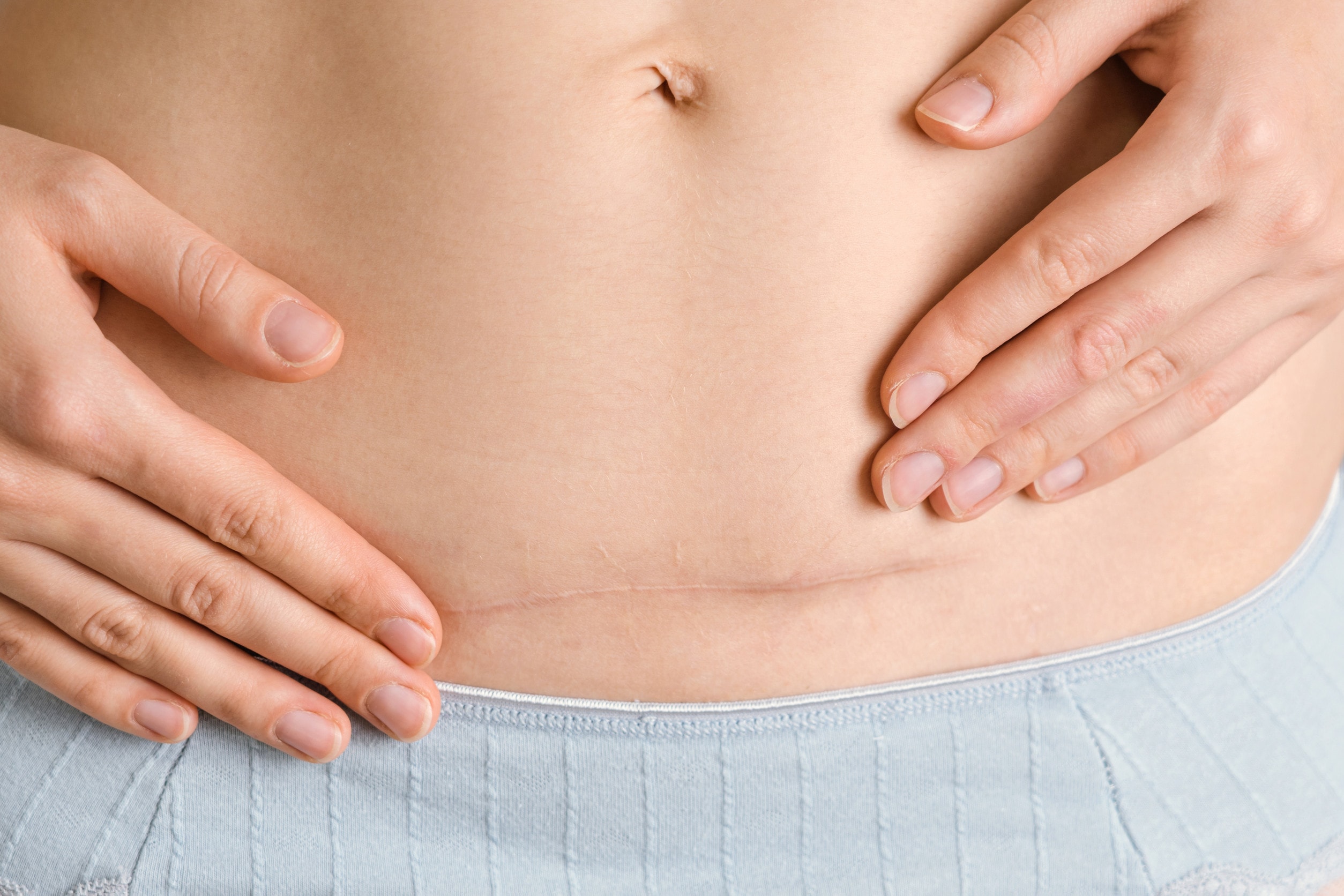
Scar care is a crucial aspect of post-operative recovery. Scars initially appear red and prominent, but tend to fade over time with proper care.
Recommended products
To improve the appearance of scars, the use of specific products such as creams and gels containing silicone, vitamin E, and hyaluronic acid is recommended . These products create a protective barrier that reduces the formation of thick scars.
It’s important to begin using topical scar treatments only after the scar has completely healed . Consulting a dermatologist or plastic surgeon can help you choose the best treatment options.
Massage techniques
Scar massage can significantly improve healing . It’s best to start massaging the scar only after the skin has fully healed and the stitches have been removed. Using a moisturizer or scar oil is recommended to gently massage the area.
During the massage, it’s important to avoid excessively vigorous movements to avoid damaging the scar tissue. Regularly massaging the scar helps improve circulation and make the scar less noticeable over time.
Sun Protection
Protecting scars from the sun is essential to promote proper healing . Exposure of scars to the sun can lead to hyperpigmentation, altering the final result of the abdominoplasty.
Avoid exposing scars to the sun until they’re fully healed to prevent hyperpigmentation . Using high-SPF sunscreen and wearing clothing that covers scars are excellent strategies for protecting healing skin.
Physical activity 1 month after abdominoplasty surgery

Physical activity is an essential component of recovery, but it must be carefully managed . Sports activities should be resumed gradually, starting with light exercise about a month after abdominoplasty.
Light exercises allowed
One month after abdominoplasty, you can resume some light physical activity to promote circulation and aid recovery. Light exercises such as walking, stretching, and gentle yoga are recommended to improve mobility without stressing the abdomen.
Avoid strenuous efforts
It’s essential to avoid strenuous exercise that could compromise scar healing and abdominal stability. After the first month, it’s important to gradually increase the intensity of your exercise, introducing more strenuous activities only after consulting your surgeon . Adequate abdominal compression with a garment can prevent unwanted strain during the recovery phase.
Here are some recommendations to follow:
- Refrain from strenuous physical activity for at least a month
- Avoid lifting heavy weights during this time
- Follow your doctor’s instructions regarding resuming daily activities.
Gradual progression (to recap)
Returning to exercise should be gradual, starting with light activities and increasing the intensity over time. After abdominoplasty, light exercises and walking are recommended to promote circulation without excessive strain.
Starting in the second month, you can gradually increase the intensity of your exercises, always monitoring your physical condition. It’s essential to follow a personalized recovery plan to ensure the best results and minimize the risk of complications.
Post-operative nutrition and lifestyle

Maintaining a healthy diet is crucial to optimizing post-operative recovery. A balanced diet and a healthy lifestyle are essential to maintaining the results achieved.
Balanced diet
A balanced diet is essential to promote healing after abdominoplasty. The Mediterranean diet, rich in antioxidants and omega-3 fatty acids , is particularly recommended.
Avoiding drastic diets helps keep the results obtained stable, avoiding weight fluctuations.
Hydration
Hydration is key to skin health and recovery after abdominoplasty surgery. Maintaining adequate hydration helps improve skin elasticity and supports skin regeneration. Drinking at least eight glasses of water a day (2 liters) is essential to ensure proper hydration.
Additionally, consuming foods rich in protein and vitamins is essential to support post-operative healing. Incorporating lean protein sources into your diet aids in tissue repair.
Healthy lifestyle habits
Here are some recommendations:
- Avoid alcohol and smoking, as they can hinder healing and compromise results.
- Limit your alcohol intake to help ensure a quicker and smoother recovery.
- Quit smoking to improve circulation and promote healing.
Avoiding fried and sugary foods helps prevent digestive disorders that can arise after surgery. Maintaining healthy lifestyle habits, such as a balanced diet and avoiding harmful substances, supports the healing process and ensures long-lasting results.
Visible results after 1 month from plastic surgery
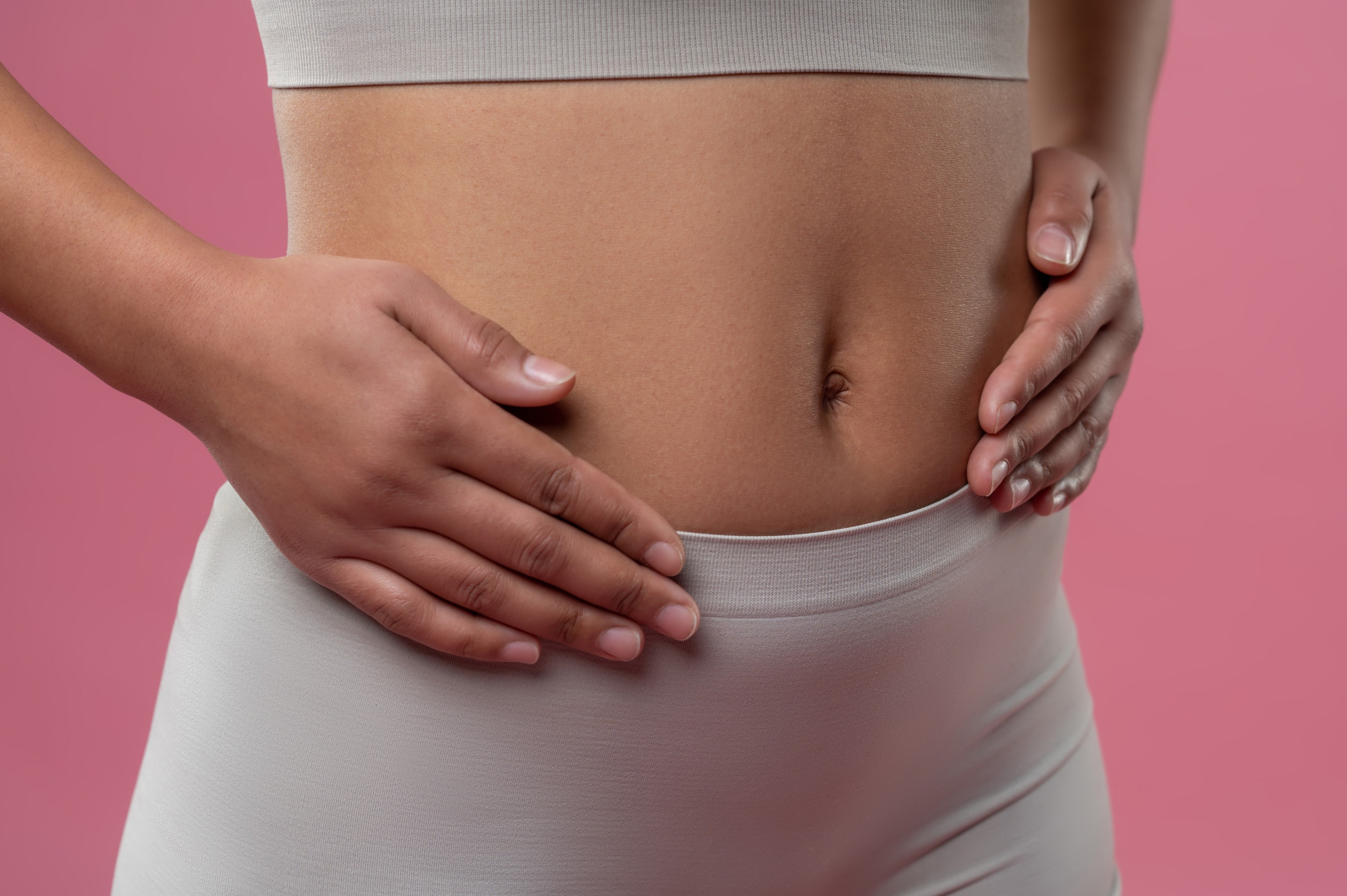
One month after abdominoplasty, the first aesthetic improvements begin to be visible. The aesthetic transformation continues to improve over the following months, with final results visible after about six months. Below, we’ll look at the improvements you’ll notice one month after abdominoplasty:
- Miglioramento dell’aspetto addominale: l’intervento rimuove pieghe e pelle in eccesso, contribuendo a un profilo corporeo più snello. Il miglioramento dell’aspetto addominale include una pelle più liscia e una diminuzione del volume addominale, visibile già dopo il primo mese.
- Sensazione di benessere: uno dei principali benefici psicologici dell’addominoplastica è il miglioramento della fiducia in sé stessi. Questo aumento della fiducia si traduce in una migliore qualità della vita, facilitando attività quotidiane e relazioni personali.
- Aspetti estetici: dopo un mese, le cicatrici iniziano a sbiadire, ma possono richiedere fino a un anno per raggiungere il loro aspetto finale.
Possibili complicazioni dopo 1 mese
Come per qualsiasi intervento chirurgico, l’addominoplastica e la mini addominoplastica possono presentare dei difetti post-operatori. Queste possono includere ematomi, sieromi, infezioni e cicatrizzazione patologica. Il monitoraggio della guarigione è essenziale per evitare complicazioni e garantire un recupero ottimale. Vediamo quali potrebbero essere i problemi che potrebbero insorgere dopo un mese dall’addominoplastica:
- Infezioni: segni di infezione dopo un intervento di addominoplastica possono includere arrossamento, gonfiore e secrezione dalla ferita. È cruciale monitorare attentamente questi segni, poiché un’infezione non trattata può portare a complicazioni più gravi.
- Problemi con le cicatrici: le cicatrici possono variare notevolmente; alcune possono rimanere rosse e sollevate, richiedendo eventualmente un intervento correttivo. Le iniezioni di steroidi possono essere utilizzate per ridurre l’infiammazione e l’ispessimento delle cicatrici.
- Altri problemi di salute: dopo un intervento di addominoplastica, possono insorgere complicazioni come la parestesia, che comporta variazioni nella sensibilità cutanea e può causare fastidi ai pazienti. La parestesia si verifica in circa il 4% dei pazienti e può durare più a lungo del previsto. È importante monitorare la parestesia e consultare il medico se persiste o peggiora nella pancia.
Conclusione
Il percorso di recupero dopo un’addominoplastica richiede tempo, pazienza e attenzione ai dettagli. Un mese dopo l’intervento, si possono già notare significativi miglioramenti estetici e funzionali. È essenziale seguire le indicazioni mediche, prendersi cura delle cicatrici, mantenere un’alimentazione equilibrata e adottare abitudini di vita sane per ottenere i migliori risultati.
Remember that every body is unique and the healing process may vary from person to person . Continue monitoring your progress and don’t hesitate to consult your surgeon with any questions or concerns. With dedication and care, you can enjoy the benefits of a more toned and defined abdomen .
Frequently Asked Questions
What are the signs of infection after a tummy tuck?
Signs of infection after a tummy tuck include redness, swelling, and discharge from the wound. It’s essential to monitor these closely and contact your surgeon if they occur.
How long does it take to see the final results of a tummy tuck?
The final results of a tummy tuck are usually visible after about six months, with continued improvements in the months that follow.
What type of physical activity can I resume after a month?
After a month, you can resume light activities such as walking, stretching, and gentle yoga, avoiding strenuous efforts and gradually increasing the intensity. It’s essential to listen to your body and proceed with caution.
How can I improve the appearance of my scars?
To improve the appearance of scars, it’s recommended to use silicone-based creams and gels and gently massage them with specific products. This can help make the scars less noticeable.
What complications can arise one month after surgery?
Complications such as infections, scarring, and paresthesia may arise within a month of surgery. It’s essential to monitor your health and follow your surgeon’s instructions for managing these conditions.
