This guide will explain how to manage your tummy tuck scar to reduce its visibility and avoid complications.
In a nutshell
- The abdominoplasty scar is permanent but can become less noticeable with proper post-operative care.
- Minimizing the appearance of scars requires practices such as hydration , the use of specific creams and regular massages .
- There are several non-surgical treatments, such as silicone gel and laser therapy , to improve the appearance of scars after surgery.
Abdominoplasty scar: what to expect
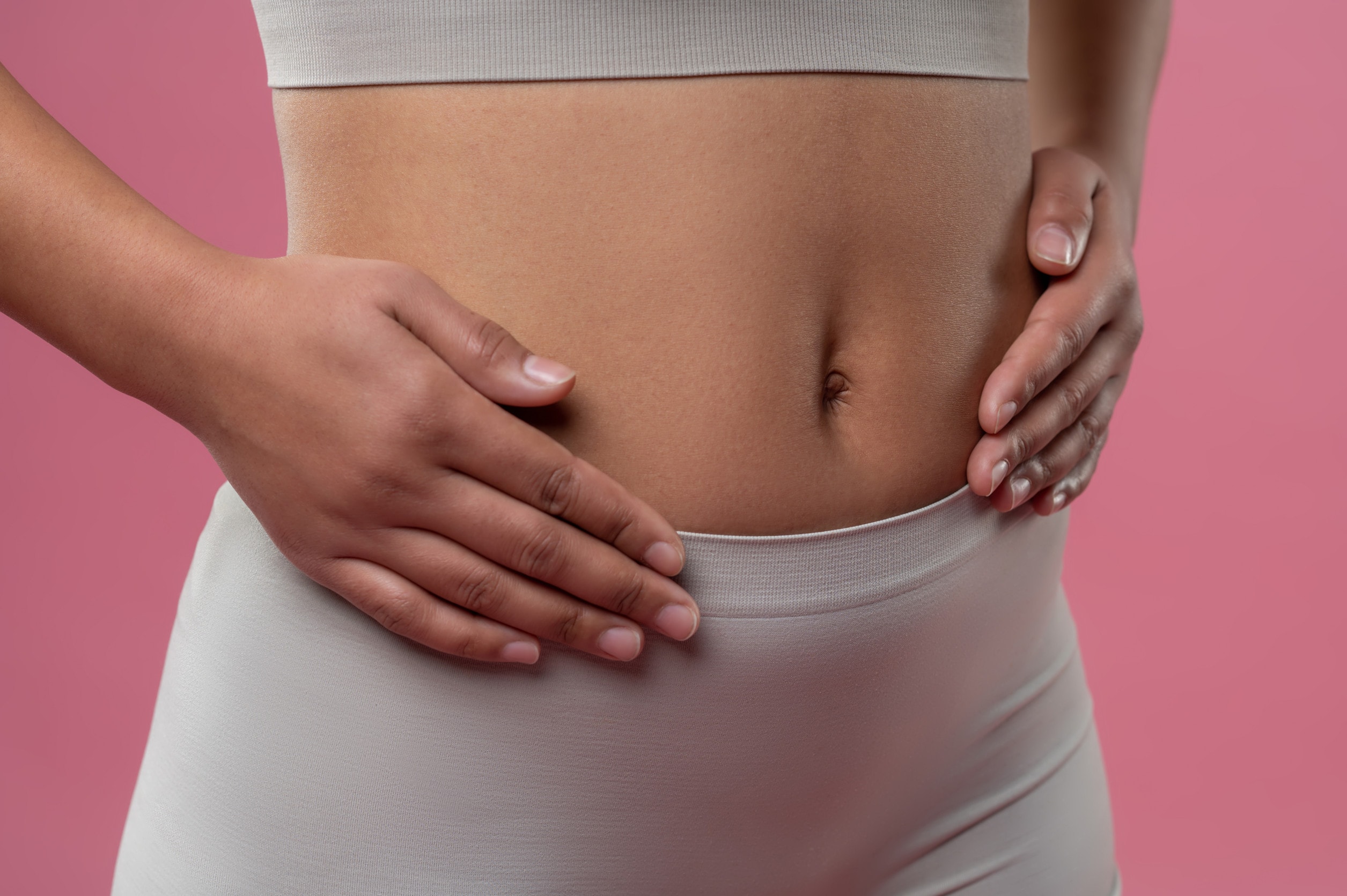
Abdominoplasty scarring is inevitable following surgery, but it can be managed to minimize its aesthetic impact . Located horizontally just above the pubic area, this scar is unique and permanent.
The initial appearance is influenced by several factors, including:
- Skin type
- Age
- Genetic predisposition
- Compliance with post-operative indications
Despite the healing process, which can take up to a year, the scar may become thinner and lighter over time, but it will not disappear completely.
Types of abdominoplasty scars
Abdominoplasty scars vary, depending on the surgical technique used and the patient’s needs. A typical scar is single and thin, usually horizontal, but can vary in length and appearance. A mini tummy tuck, for example, requires a smaller scar than a full tummy tuck . Furthermore, the mini tummy tuck scar may be less noticeable.
In some cases, a vertical scar may be necessary, especially when there is insufficient skin above the umbilical cord or in complex procedures. The choice of scar type depends on the surgical method and the patient’s specific needs.
Abdominoplasty, scarring and healing process
The healing process of the abdominoplasty scar follows three main phases:
- Inflammatory phase : Initially, the scar appears red, swollen and prominent.
- Proliferative phase : as time passes, the color of the scar becomes lighter.
- Maturation stage : The scar blends in with the skin, taking six months to a year to heal completely.
Following post-operative instructions is essential to achieving satisfactory aesthetic results. Keeping skin well hydrated, avoiding smoking, and following a balanced diet are crucial factors in promoting recovery.
Regular check-ups with the surgeon help monitor the healing process and intervene promptly in case of surgery in case of complications for patients.
How to minimize the tummy tuck scar
Minimizing the tummy tuck scar requires a combination of good post-operative practices and targeted treatments . Here are some helpful tips:
- Keep the scar area clean.
- Follow your surgeon’s instructions carefully.
- Use healing creams.
- Apply silicone bandages to reduce the visibility of the scar.
Self-treatment, performed every evening for at least 3-4 months, can lead to significant changes in the appearance of the scar.
Avoid sun exposure
Avoiding sun exposure is essential to prevent scar discoloration and hyperpigmentation . UV rays can negatively impact the healing process, making the scar more visible and darker.
Using sunscreens with high protection is recommended to protect scars from UV rays and prevent their hyperpigmentation.
Hydration and skin care
Hydration is key to improving the appearance of scars. Scars begin to look red and slightly raised immediately after surgery, but tend to improve over time with adequate hydration .
Creams and gels containing silicone, vitamin E, and hyaluronic acid are recommended for healing post-abdominoplasty scars. These products help keep the skin hydrated and promote the healing process.
Massages and silicone sheets
Gentle massage on the scar can stimulate collagen production, improving its elasticity and appearance . Using deep, circular motions helps break down fibrosis and make the skin more elastic.
Silicone sheets are special devices that reduce the risk of hypertrophic scars . Regular application of these sheets can significantly improve the appearance of the scar.
Non-surgical treatments to improve scars
There are several non-invasive treatments to improve the appearance of tummy tuck scars.
It’s essential to consult a plastic surgeon. This professional can help you choose the most appropriate treatment based on your specific scar situation.
- Silicone gel and steroid injections : The use of silicone gel helps reduce the thickness and visibility of scars. Silicone gel sheets are widely used to improve tummy tuck scars. Steroid injections can treat tummy tuck scars, reducing inflammation and scar thickening. This treatment is especially useful for hypertrophic scars.
- Laser therapy and microneedling : Laser resurfacing treatments can address a tummy tuck scar, reducing redness and improving skin smoothness. Laser therapy is an effective technique for improving the appearance of scars. Microneedling promotes collagen production, thus helping to improve the appearance of scars. This method is effective for promoting skin regeneration.
- Topical creams and other treatments : Topical creams may contain ingredients like vitamin E and onion extract to help reduce scarring. Silicone-based creams and gels create a protective barrier over the scar, retaining moisture and reducing the risk of thick scars.
Abdominoplasty scar revision

Scar revision aims to improve the appearance of the scar by reducing its size or changing its position. This procedure can improve not only the aesthetics but also the quality of the scar tissue.
- Revision Procedure : The first step in the abdominoplasty scar revision procedure is a consultation with the surgeon. During the revision, patients are administered anesthesia to ensure their comfort. The incision phase involves a precise cut along the existing scar, removing excess scar tissue, and suturing the new incision, reducing the visibility of the scar.
- Scar Revision Costs : The cost of scar revision varies depending on the complexity and treatment method chosen.
- Risks and complications : Complications may include the creation of new scars, as well as infection and bleeding. It is essential to carefully follow the surgeon’s instructions to minimize these risks. In some cases, complications can be significant and require further medical attention. Discussing the risks and benefits with your surgeon helps you make an informed decision.
Self-treatment of tummy tuck scars
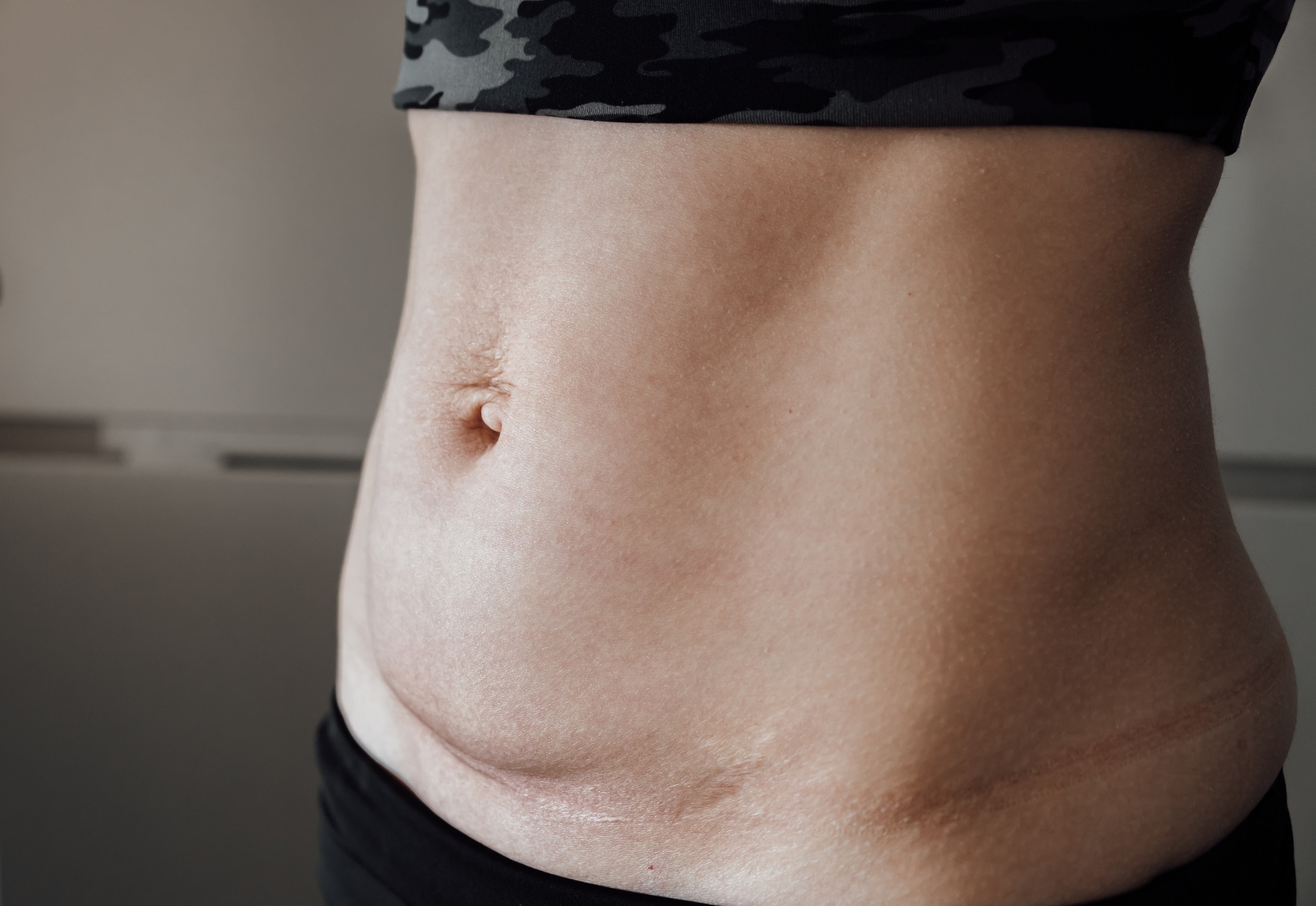
Abdominoplasty scar self-treatment aims to keep the skin hydrated and elastic, promoting cell regeneration.
Practices such as the use of specific products and regular massage can significantly improve the appearance of the scar.
- Massage and circular movements : It’s important to begin massaging the scar only after the stitches have been removed. Furthermore, it’s essential that the skin is completely healed before beginning the massage. Use gentle, deep circular movements to improve skin elasticity. Continued massage for several months, applying gentle, consistent pressure, helps stimulate collagen and elastin production, improving skin and muscle regeneration.
- Recommended products for self-treatment : Creams or oils with hydrating, elasticizing, and cell-renewal-stimulating ingredients are recommended for application to scars. Hyaluronic acid, for example, is a natural moisturizer that helps maintain skin elasticity and promotes scar tissue regeneration.
- Self-treatment steps : The steps for self-treatment for post-abdominoplasty scars include skin preparation, product application, massage, and repetition. Use kneading and pinching massage to improve circulation and scar flexibility. Repeat the self-treatment every night for at least 3-4 months after surgery to achieve visible results.
Conclusion
Caring for a tummy tuck scar is a process that requires time, patience, and care . Sun protection, constant hydration, and regular massages are all key elements in improving the scar’s appearance.
Scar revision can be an effective solution for those who are dissatisfied with the appearance of their scar , but it’s important to discuss the risks and costs with your surgeon. Finally, self-treatment of the scar with the right products and massage techniques can make a big difference over time.
FAQ
How long does a tummy tuck scar take to heal completely?
A tummy tuck scar typically takes six months to a year to heal completely, during which time it may undergo changes in appearance, becoming lighter and thinner over time.
Can I expose myself to the sun after abdominoplasty surgery?
It’s essential to avoid sun exposure after abdominoplasty to prevent blemishes and hyperpigmentation. It’s recommended to use a high-SPF sunscreen to protect the scar from UV rays.
What products are recommended for self-treatment of scars?
For self-treatment of scars, we recommend using creams or oils containing hydrating and elasticizing ingredients such as hyaluronic acid, which promote cell renewal.
Can massage help improve the appearance of scars?
Yes, gentle, circular massages can improve the appearance of scars by stimulating the production of collagen and elastin, thus helping to increase their elasticity.
What are the risks associated with scar revision?
Risks associated with scar revision include the possibility of new scars, infection, and bleeding. It is essential to carefully follow your surgeon’s instructions to minimize these risks.
