
Want to get a full dental implant and learn more about it? This article will help you delve deeper and clarify any questions you may have.
In a nutshell
- Complete dental implants offer a permanent and stable solution for tooth replacement , thanks to osseointegration which ensures a secure fusion with the jawbone .
- The implant insertion procedure includes detailed preparatory steps and a surgical intervention that may present risks , but which, if performed by experienced professionals , offers long-lasting results .
- Dental implants can last more than 30 years with proper maintenance , while proper oral hygiene and regular contact with your dentist are crucial to preventing complications.
What is a complete dental implant?
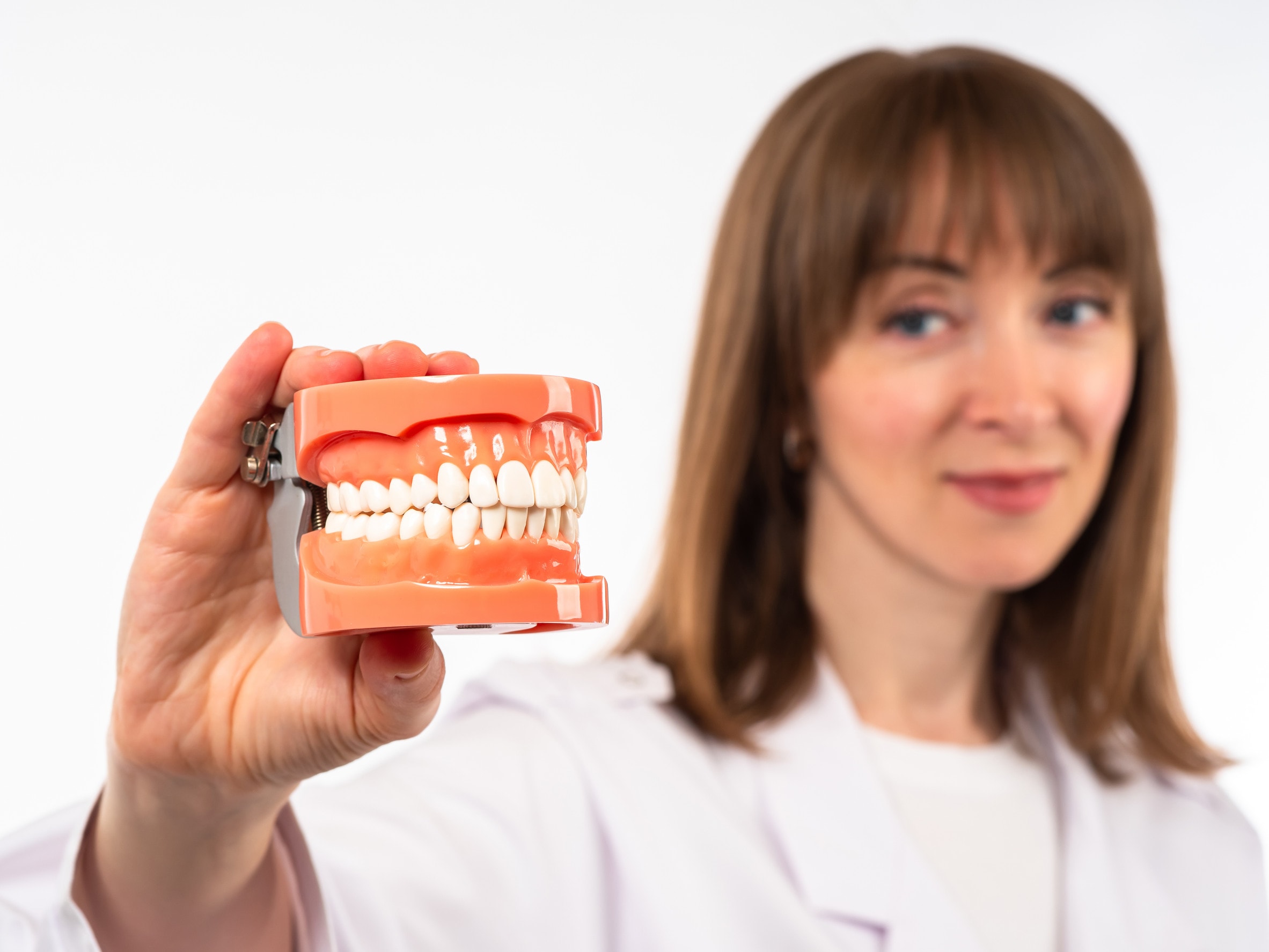
A full dental implant is a fixed prosthesis that replaces the roots of missing teeth, providing stable support for artificial teeth .
Unlike partial dentures or bridges, implants offer superior stability through osseointegration , a process in which the implant fuses with the jawbone , providing a solid functional union.
Le opzioni per la sostituzione di denti mancanti includono protesi parziali, ponti e impianti dentali. Tuttavia, gli impianti dentali si distinguono per la loro capacità di fornire una soluzione permanente e stabile. La stabilità degli impianti è particolarmente rilevante per la masticazione e la parola, rendendoli una scelta preferita per chi cerca di ripristinare non solo l’estetica ma anche la funzionalità del sorriso.
Oltre alla stabilità, gli impianti dentali completi permettono di ottenere un sorriso esteticamente piacevole e naturale. La loro capacità di imitare l’aspetto dei denti naturali li rende una scelta eccellente per chi desidera migliorare l’estetica del proprio sorriso. Inoltre, contribuiscono a prevenire la perdita ossea, un problema comune con altre soluzioni protesiche che non offrono lo stesso livello di integrazione con l’osso.
Struttura di un impianto dentale completo
Un impianto dentale completo è composto da tre componenti principali:
- La vite endossea, realizzata in titanio, simula la radice di un dente naturale e si inserisce nell’osso per assicurare stabilità.
- L’abutment, che connette la vite endossea alla protesi dentaria, fungendo da elemento di raccordo.
- La protesi dentaria, che rappresenta tutto il dente visibile che viene fissato all’abutment.
L’osteointegrazione è un processo cruciale per il successo degli impianti dentali, poiché assicura che la vite endossea si unisca funzionalmente con l’osso. Questa integrazione è fondamentale per garantire che l’impianto rimanga stabile e duraturo nel tempo, permettendo ai pazienti di godere di una protesi fissa che si comporta come un dente naturale.
Materiali utilizzati negli impianti dentali
Il titanio è il materiale più comune utilizzato per gli impianti dentali, grazie alla sua resistenza e biocompatibilità. La vite endossea, realizzata in titanio, offre un’eccellente capacità di integrazione con l’osso, garantendo stabilità e durata nel tempo. Questo materiale è preferito perché non causa reazioni avverse e si integra perfettamente con il tessuto osseo.
Oltre al titanio, altri materiali utilizzati negli impianti dentali includono la zirconia e la ceramica.
I monconi in zirconia offrono un aspetto estetico più naturale, avvicinandosi al colore dei denti naturali. La ceramica, sebbene più costosa, è considerata uno dei materiali migliori per la realizzazione delle corone, grazie alla sua resistenza e al suo aspetto estetico. Tuttavia, è importante usare materiali come la zirconia con cautela, poiché i risultati a lungo termine non sono ancora completamente verificati.
The choice of materials depends on several factors, including:
- Location of the plant ;
- Patient’s aesthetic needs ;
- Patient’s functional needs ;
- Dentist’s recommendations .
Regardless of the material chosen, the goal is always to achieve a result that is both functional and aesthetically pleasing, while ensuring the longest possible life of the system.
Advantages of complete dental implants
Full dental implants offer numerous advantages over other prosthetic solutions. One of the main advantages is their ability to improve both the function and aesthetics of the smile . Most dental implants are designed to faithfully mimic the appearance and function of natural teeth, allowing patients to smile, speak, and eat without difficulty.
The stability of dental implants allows patients to eat and speak without worrying about their dentures shifting or falling out . This level of safety is especially important for those seeking a long-lasting and reliable solution to replace missing teeth.
Additionally, dental implants help maintain the integrity of the jawbone , reducing the risk of bone loss that can occur with other prosthetic solutions.
In addition to stability and functionality, complete dental implants offer a significant improvement in quality of life . The ability to have stable and functional teeth allows patients to enjoy a varied diet and maintain good oral health. Furthermore, the improved aesthetics provided by dental implants can boost self-confidence and improve social interactions.
Complete dental implant placement procedure
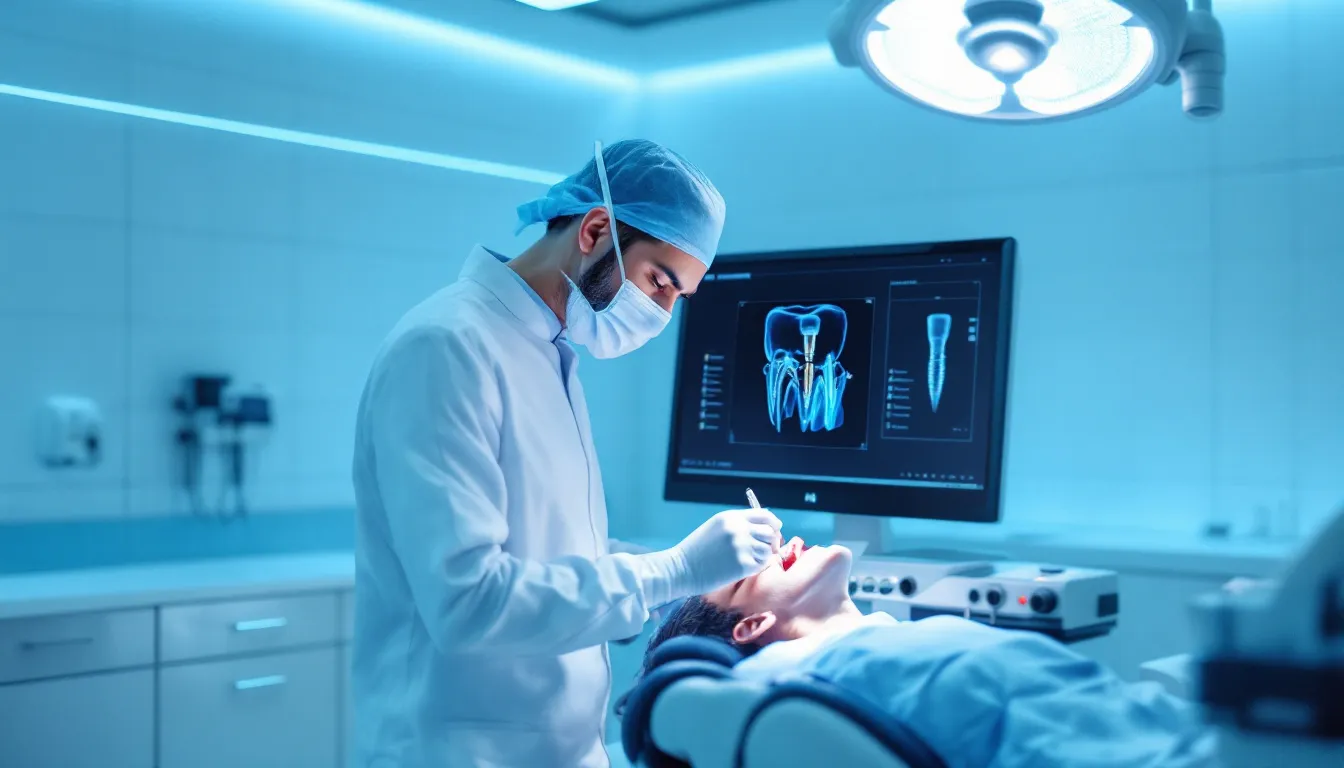
Dental implant placement is a surgical procedure that requires careful planning and a series of specific procedures performed by the dentist. The procedure includes making an incision in the gum to access the bone, drilling a hole in the bone to insert the implant, and suturing the gum. This procedure can be performed under local or general anesthesia, depending on the patient’s needs.
One of the most important aspects of the procedure is osseointegration, the process by which the implant integrates with the surrounding bone. This integration is essential for ensuring the implant’s long-term stability, serving as an anchor point.
Waiting times for immediate implant loading can vary from immediate to a period of 2-3 months , depending on the specific conditions of the patient and the type of implant used.
Preparatory phases
The dental implant placement procedure involves several stages, starting with an initial assessment of oral health and jawbone . Preliminary assessments include bone quality and quantity, the presence of oral infections or diseases, an assessment of the patient’s general oral condition, and questions regarding treatment.
Proper planning is crucial to the success of the procedure. 3D planning is particularly important because it maximizes the available bone and ensures long-lasting rehabilitation . Additionally, standard blood tests and possible further investigations based on the patient’s medical history are necessary. This personalized approach ensures that each case is assessed individually, as every patient is unique.
Before surgery, it’s also recommended to take antibiotics such as amoxicillin or clarithromycin for allergies, as well as painkillers such as ibuprofen and naproxen. It’s essential to check the necessary screws and crowns and assess the bone’s ability to support the implant. This careful preparation process helps minimize risks and ensure the success of the procedure. The use of these medications must be prescribed by your dentist.
Surgery
The dental implant placement procedure begins with an incision in the gum to access the bone .
Next, the dentist drills a circular hole approximately 3 mm deep into the bone to allow for the insertion of the bone pin . This process must be performed with extreme precision to avoid complications such as overheating of the bone area or insertion errors.
During the procedure, you can choose between local or general anesthesia , depending on the patient’s needs and conditions.
Once the implant is inserted, the gum is sutured and a settling period of several months is expected . Maintaining the connection between the implants during the procedure is crucial to prevent micromovements and allow for optimal healing, similar to the standard technique.
Risks associated with dental implant placement include jaw fractures, irritation of the inferior alveolar nerve, and allergic reactions to the materials used. However, a procedure performed by an experienced surgeon significantly reduces any risks , ensuring a safer experience and better results.
Post-operative and recovery
After surgery, it is common to experience pain and swelling, which tend to improve with time .
Swelling of the soft tissues and slight bleeding are normal reactions after the insertion of a dental implant. The discomfort can last about 4-5 days , during which time it is advisable to follow your dentist’s instructions and take any prescribed painkillers.
To promote optimal healing, it’s advisable to follow a soft diet and use ice packs to reduce swelling. Here are some recommended foods:
- ice cream
- puree
- warm soups
- smoothies
- minced meat
- yogurt
It is best to avoid overly hard, spicy, or acidic foods for at least two months after surgery.
Dental implant maintenance is essential to prevent complications. It’s important to maintain good oral hygiene, using a toothbrush, floss, and interdental brushes . Regular dental checkups are also recommended to monitor the condition of the implant and address any problems promptly.
Using an ice pack for the first 24 to 48 hours after surgery can help reduce swelling and pain.
Advanced technologies in dental implantology
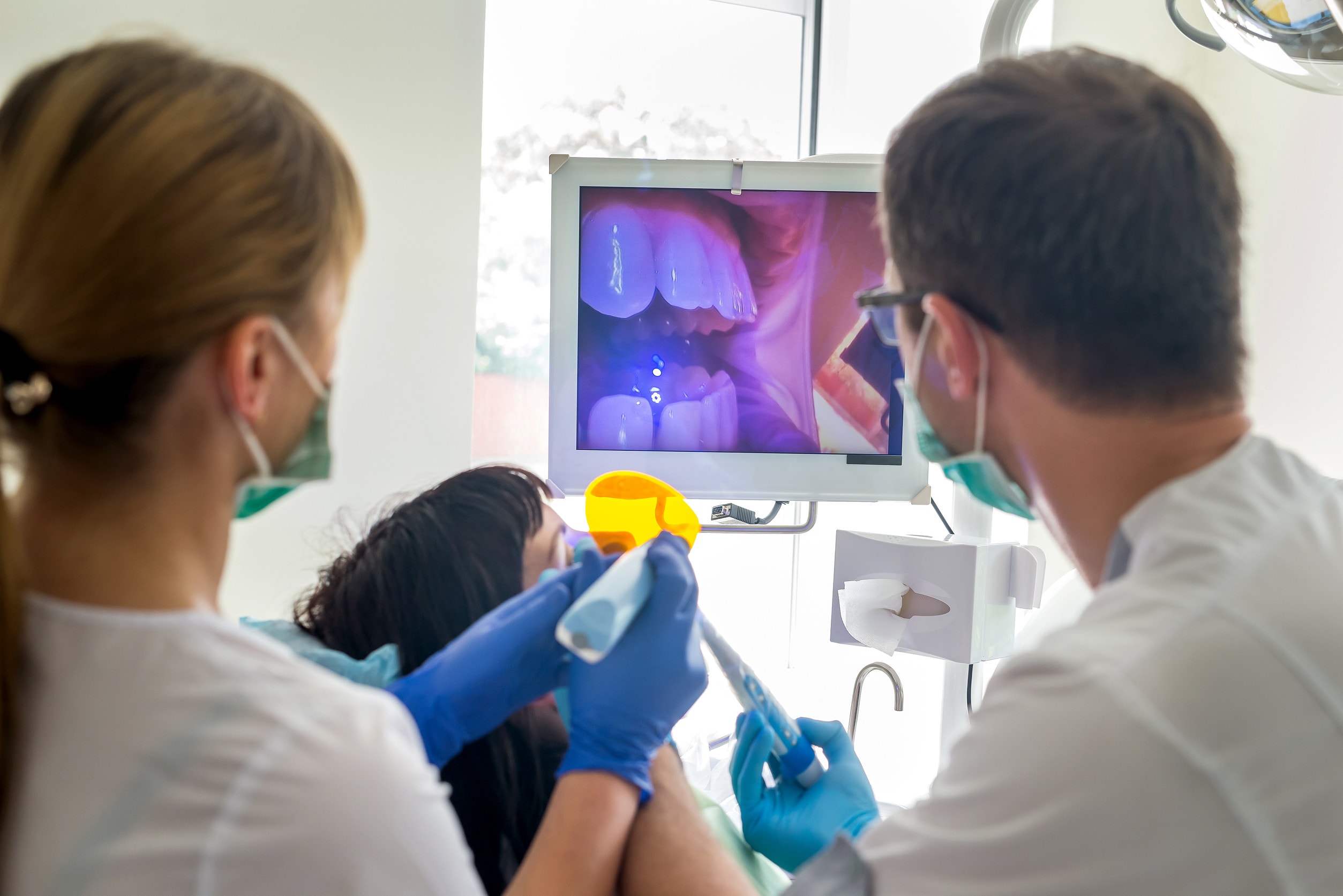
Computer-guided implantology represents one of the most advanced technologies in the field of dental implantology.
Using computed tomography, protocols and 3D planning software, extremely precise positioning of dental implants can be achieved.
This technology allows you to:
- Personalize treatments based on the specific anatomical needs of each patient
- Improve accuracy
- Reduce the risk of complications .
3D x-rays are used to assess the available jaw bone and identify critical structures such as nerves and maxillary sinuses . This approach allows for detailed planning of the procedure, avoiding invasive surgery and reducing patient trauma. The personalized surgical guide further improves the accuracy of implant placement , ensuring optimal results.
One of the significant innovations in dental implantology is virtual simulation . This technology not only facilitates surgery planning, but also improves communication between dentist and patient, ensuring clarity about treatment and expectations . Thanks to these advanced technologies, more predictable and satisfying results can be achieved, improving the overall patient experience.
Costs of a complete dental implant
| Type of System | Minimum Price (€) | Maximum Price (€) |
|---|---|---|
| Single System | 1,000 | 2,500 |
| Full Arch | 4,000 | 30,000 |
| Fixed Full Arch Rehabilitation | 3,800 | 6,000 |
| Maxillary Sinus Lift or Bone Graft | Variable additional costs | Variable additional costs |
The cost of a complete dental implant can vary significantly depending on several factors.
The price for a full arch of dental implants can vary between 4,000 and 30,000 euros , depending on the complexity of the case and the professionalism of the dentist.
Rehabilitation of a complete fixed arch at some clinics can cost between €3,800 and €6,000 , but these prices can vary between Northern and Southern Italy.
Additional procedures such as a sinus lift or bone grafting can increase treatment time and increase costs . These procedures are often necessary to ensure the bone is strong enough to support the dental implant. Additionally, gum disease management and other factors can further influence the total cost of a full dental implant.
It is important to consider that the cost of a dental implant also includes the placement of the titanium implant and the temporary crown .
The dentist’s professionalism , his professional updating and the accuracy in carrying out the procedure are elements that significantly affect the final cost.
Duration and maintenance of dental implants
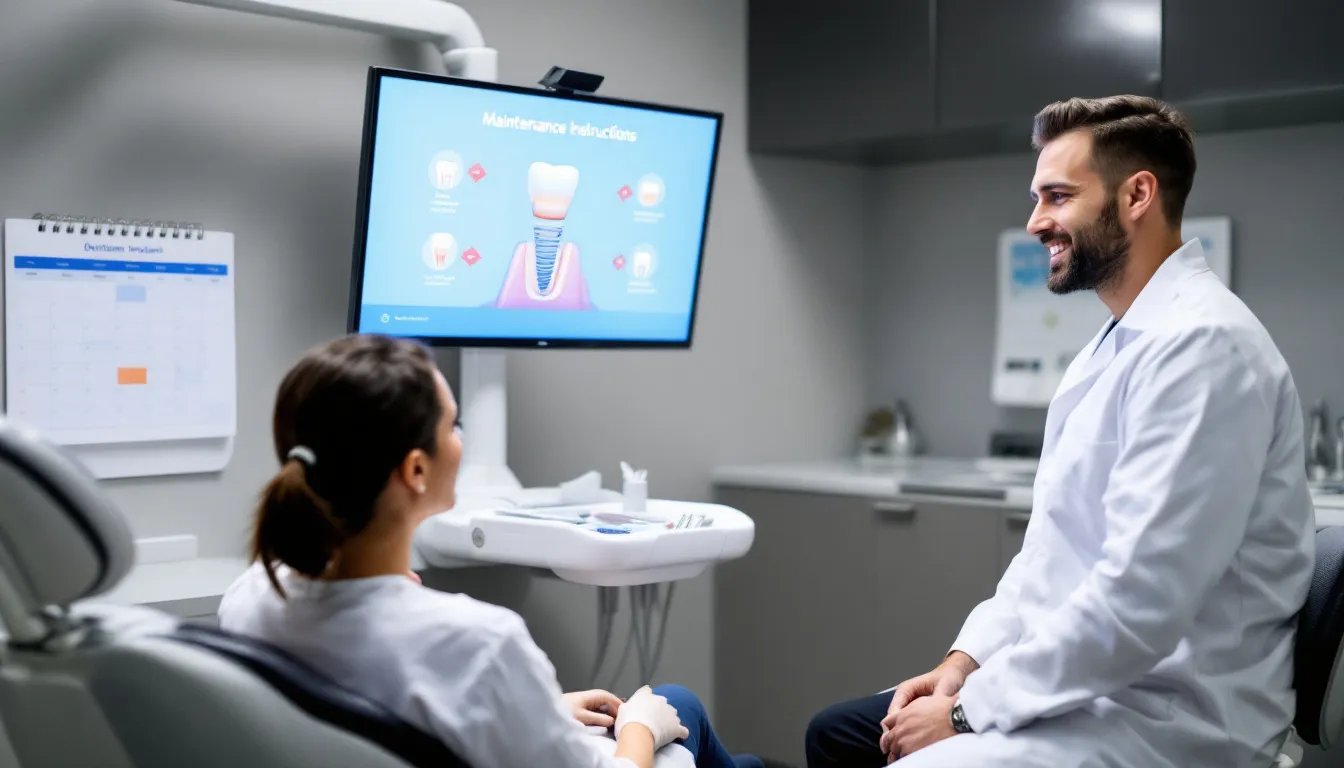
A properly maintained dental implant can last 10 to 15 years, and in some cases, with proper hygiene, the average lifespan can exceed 30 years . Maintaining good oral hygiene and following your dentist’s instructions are essential to ensure the longevity of your implant. Poor oral hygiene practices can lead to peri-implantitis, compromising the stability and health of the implant.
Conditions such as poor diet and smoking can negatively affect the lifespan of dental implants. It is therefore essential to adopt a healthy lifestyle and follow your dentist’s recommendations to keep your implants in good condition. Regular checkups and professional hygiene are equally important to prevent complications and ensure the implant remains functional over time.
Following treatment instructions is essential to maintaining the health of dental implants. Panoramic x-rays are not valid for routine checkups, but crowns can be removed for checkups and treatments . This approach helps maintain the health of the implant and allows for timely intervention in case of problems, ensuring long-lasting results and optimal functionality.
Possible complications and risks
As with any surgical procedure, dental implant placement carries certain risks and potential complications. Infections can occur during or after the procedure , often due to poor oral hygiene. Bleeding is another risk associated with the procedure, and in some cases, it may require further surgery if it persists.
Jawbone fractures can occur during implant placement, especially in patients with a fragile jaw. Irritation of the inferior alveolar nerve is another risk if the implant is placed too close to this nerve, causing pain or numbness. Allergic reactions to dental implants are rare, but can occur due to sensitivity to the materials used.
Complications can also include peri-implantitis , an inflammation of the soft tissue around the implant . Dental implant surgery performed by an experienced surgeon significantly reduces the risks associated with dental implants.
Regular check-ups after surgery are essential to ensure the health of the implant and to identify any problems early.
Who is a good candidate for a full dental implant?
To receive a dental implant, you must have good gum and jaw bone condition. Gum and bone health are crucial to the success of the implant. Furthermore, systemic conditions such as uncontrolled diabetes can negatively impact the success of a dental implant, making assessing the patient’s overall health a crucial step in the process.
There are no age restrictions for dental implant placement . Even elderly patients can benefit from dental implants, as long as they are in good general health. Each case must be individually evaluated by the dentist, who will determine whether the patient is a good candidate for the procedure based on a series of clinical and personal factors.
Another important aspect is the patient’s motivation to maintain good oral hygiene and follow the dentist’s instructions . Patient cooperation is essential to the long-term success of dental implants. A patient who is motivated and diligent in post-operative care is more likely to achieve satisfactory and lasting results.
Conclusion
In short, full dental implants represent a modern and reliable solution for replacing missing or damaged teeth. They offer numerous advantages, including improved functionality and aesthetics, greater stability, and a reduced risk of bone loss. Although the procedure carries some risks and complications, careful planning and execution by an experienced surgeon can significantly minimize them.
Complete dental implants can transform patients’ quality of life, giving them the ability to smile, eat, and speak with confidence. With today’s advanced technologies and innovative materials, it’s possible to achieve results that come incredibly close to natural teeth. Relying on a qualified professional and following the implant maintenance guidelines is crucial to ensuring the long-term success of this revolutionary procedure.
Frequently Asked Questions
How long does a full dental implant last?
A full dental implant can last 10 to 15 years, but with good oral hygiene, its lifespan can exceed 30 years.
What materials are used for dental implants?
Dental implants are generally made of titanium, prized for its strength and biocompatibility, and zirconia, chosen for its excellent aesthetic and functional properties.
What are the costs of a complete dental implant?
The cost of a complete dental implant can range from €4,000 to €30,000, depending on the complexity of the case and the dentist’s expertise.
Who can receive a complete dental implant?
All patients with good gum and jaw bone condition can receive a complete dental implant, regardless of age.
What are the advanced technologies used in dental implantology?
Computer-guided implantology, which uses computed tomography and 3D planning software, represents one of the most advanced technologies in dental implantology.
