
Want a screw-free dental implant? In this article, you’ll learn how to get it, what to expect from the procedure, and what it costs.
In a nutshell
- Screwless dental implants use the flapless technique, which reduces tissue trauma and speeds recovery times thanks to the absence of incisions and stitches.
- This technology uses advanced 3D imaging tools to ensure precise planning of the procedure, improving the biocompatibility and stability of the implants.
- Screwless implants are particularly suitable for patients with limited bone density or fear of surgery, offering a less invasive experience and rapid rehabilitation.
Screwless dental implants: a new frontier
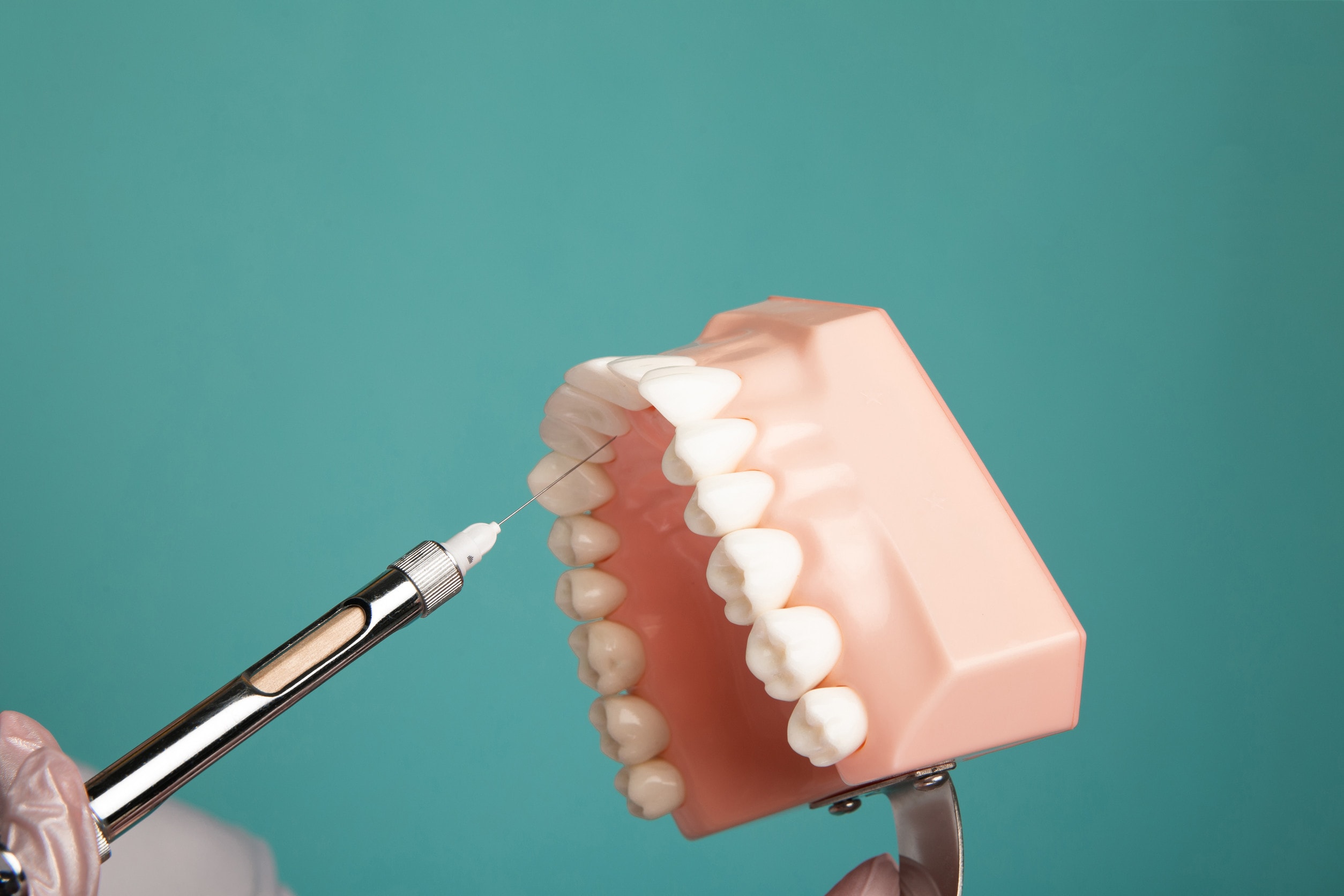
L’implantologia dentale ha fatto passi da gigante con l’introduzione della tecnica flapless, un metodo che ha rivoluzionato l’inserimento degli impianti. Questa tecnica innovativa evita l’uso del bisturi e delle incisioni gengivali, riducendo il trauma ai tessuti e i tempi di intervento.
La vera innovazione risiede nella possibilità di inserire impianti senza incidere la gengiva, grazie all’implantologia transmucosa computer-guidata.
La tecnica flapless permette una precisione mai vista prima nell’inserimento degli impianti, poiché utilizza tecnologie avanzate di imaging 3D per pianificare ogni dettaglio dell’intervento. Questo approccio non solo migliora la precisione, ma rispetta anche i tessuti gengivali, evitando l’uso di punti di sutura e riducendo il rischio di complicazioni post-operatorie.
Questa evoluzione rappresenta un cambiamento significativo rispetto ai metodi tradizionali, offrendo soluzioni meno invasive che rispondono meglio alle esigenze dei pazienti moderni.
Ma come funziona esattamente questa tecnologia avanzata? Qui di seguito, andiamo a spiegarlo in modo dettagliato.
Tecnologia alla base
La tecnologia alla base degli impianti dentali senza viti è affascinante e complessa. La pianificazione tramite software 3D è fondamentale per garantire la massima precisione nell’inserimento dell’impianto. Questi software avanzati permettono di creare un modello tridimensionale della bocca del paziente, consentendo al chirurgo di pianificare l’intervento nei minimi dettagli. Tecnologie avanzate di imaging 3D vengono utilizzate per visualizzare l’anatomia del paziente e determinare la posizione esatta dell’impianto.
Un altro aspetto rivoluzionario della tecnica flapless è l’assenza di incisioni e punti di sutura. Questo approccio evita l’uso del bisturi, rispettando i tessuti gengivali e migliorando la precisione dell’intervento.
L’implantologia computer guidata consente di inserire l’impianto attraverso un forellino nella gengiva, riducendo il trauma e accelerando i tempi di recupero.
Queste tecnologie emergenti migliorano la biocompatibilità degli impianti e riducono l’invasività chirurgica, offrendo soluzioni che rispondono meglio alle esigenze dei pazienti.
Vantaggi principali
I vantaggi degli impianti dentali senza viti sono numerosi e significativi. Ecco alcuni dei principali benefici:
- Riduzione del dolore durante l’intervento grazie a tecniche chirurgiche minimamente invasive.
- Possibilità di posizionare gli impianti in modo meno invasivo rispetto a quelli tradizionali.
- Riduzione del trauma ai tessuti.
- Accelerazione dei tempi di recupero.
These aspects make screw-free dental implants an attractive option for many patients.
The flapless technique allows for implant placement without incisions, significantly reducing trauma to the gum tissue. This minimally invasive approach also reduces the risk of post-operative complications , improving patients’ quality of life. Future innovations could further reduce pain and speed up recovery times, making this technique even more beneficial for patients.
Another positive aspect is the high success rate of these modern techniques , which involve less discomfort for the patient. Screw-free dental implant technologies are constantly evolving, aiming to improve integration with the bone tissue and reduce post-operative pain.
Common use cases
Screwless dental implants are particularly suitable for patients with specific clinical needs. For example, they are extremely useful for patients with limited bone mass . This is particularly important for those with insufficient bone volume or high aesthetic demands.
Additionally, patients with osteoporosis may benefit from screwless implants, as their design reduces the need for a strong bone base.
Procedure for inserting screwless implants
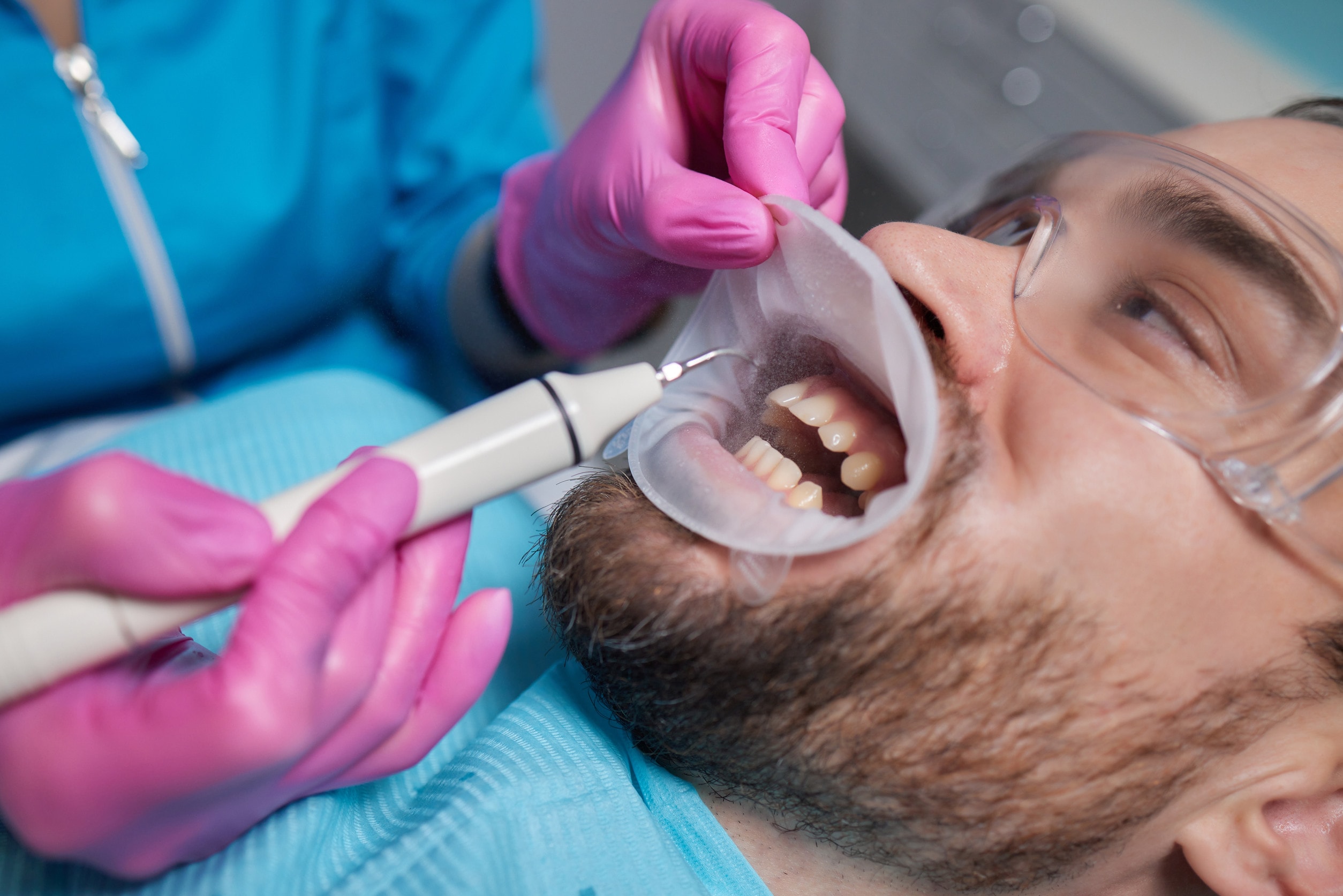
Inserting screw-free dental implants is a less invasive procedure than traditional procedures. There’s no need to lift the gums , thus avoiding painful incisions and stitches . This technique, known as flapless, reduces tissue trauma and speeds up healing times.
Preparing the patient for this procedure requires thorough diagnostic analysis and precise planning . The use of advanced technologies such as computed tomography (CT) allows for bone availability assessment and detailed planning of the procedure.
The procedure involves creating a tiny hole through which the implant is inserted . This approach avoids gum incisions and reduces post-operative pain. Patients benefit from faster healing and fewer post-operative complications.
Patient preparation
Patient preparation is crucial to the success of flapless surgery. A thorough examination and diagnostic tests are required to assess bone availability , quality, and consistency . Consultation must be conducted with a professional qualified in the flapless technique.
The use of advanced technologies such as computed tomography and 3D software is essential for planning the procedure. These tools allow us to create a three-dimensional model of the patient’s mouth, improving the precision and safety of the procedure.
Phases of the intervention
The flapless procedure is designed to be as minimally invasive as possible. After creating a small hole in the gum, the implant is immediately placed , avoiding the need for a separate procedure. This reduces tissue trauma and speeds up recovery time.
The use of advanced technologies such as computer-guided implantology is common in this technique, ensuring high precision and minimizing the risk of complications.
Post-operation and care
The post-operative recovery from screwless dental implants is generally simpler and less painful than with traditional implants. Thanks to minimally invasive techniques, post-operative discomfort is reduced and healing is quicker.
One of the main benefits of flapless implantology is the reduction of postoperative stress and pain, with less swelling and bruising . This approach is particularly suitable for patients who wish to avoid the anxiety associated with surgery.
Materials used in screwless implants
The materials used in screwless dental implants are at the center of modern implantology research. Current research focuses on the use of biocompatible alloys that not only improve implant stability but also stimulate bone growth around the implant itself.
These advanced materials increase the biocompatibility and stability of the implants, improving the long-term success of the procedures.
Titanium-zirconia: characteristics and benefits
Titanium-zirconia materials are highly valued for their remarkable strength and high compatibility with biological tissues . These materials reduce the risk of rejection by improving implant stability and bone integration.
Zirconia is also metal-free and is considered an ideal aesthetic option for visible dental implants, offering a natural and harmonious look .
Other biocompatible materials
Here is a table listing some of the biocompatible materials used in screwless dental implants, including titanium and zirconia:
| Material | Main Features | Benefits |
|---|---|---|
| Titanium | High resistance and compatibility with biological tissues | Improves implant stability and reduces the risk of rejection |
| Zirconia | Metal-free, natural aesthetics | Ideal for visible systems, it offers a harmonious appearance |
| Polyceramic composite | Excellent fabric compatibility | Reduces the risk of post-operative complications |
| Titanium-zirconia | Combination of strength and aesthetics | High compatibility, reduces the risk of rejection, improved aesthetics |
These innovative materials are chosen for their biocompatibility and strength characteristics , improving the long-term success of screw-free dental implants.
In addition to titanium-zirconia, other biocompatible materials such as ceramic-polyceramic composite are gaining popularity in screw-free dental implants.
These innovative materials offer excellent tissue compatibility characteristics, further reducing the risk of post-operative complications and improving the material used.
Screwless dental implants vs. traditional implants
| Characteristic | Screwless Dental Implants | Traditional Systems |
|---|---|---|
| Technique Used | Flapless, minimally invasive | Gum incision and stitches |
| Recovery Time | Accelerated, thanks to the reduction of trauma | Longer, takes time for bone integration |
| Invasiveness | Minor, avoid incisions and scalpels | Major, requires traditional surgery |
| Post-Operative Pain | Reduced, thanks to less invasive techniques | Major, due to the incisions and surgery |
| Materials Used | Titanium-zirconia, polyceramic composite | Mainly titanium |
| Suitable for | Patients with bone atrophy or fear of surgery | Patients with a good amount of available bone |
| Risk of Complications | Reduced, thanks to the minimally invasive approach | Major, due to the invasive nature of the procedure |
| Aesthetics | Improved, thanks to the use of advanced materials | Good, but it depends on the type of system and location |
| Long-Term Success | High, thanks to the biocompatibility of the materials | High, but dependent on complete bone integration |
Screwless dental implants offer a more comfortable alternative to traditional ones. The flapless technique is less invasive, reduces pain, and speeds up recovery times. Furthermore, the materials used must ensure biocompatibility and reduce the risk of postoperative complications.
Materials such as titanium and zirconia are chosen for their excellent strength and biocompatibility. These materials also offer aesthetic benefits without compromising functionality.
Pros and cons of screwless dental implants
| Pro | Against |
|---|---|
| Less invasive | Potential higher cost |
| Reduction of post-operative pain | Not suitable for all clinical cases |
| Faster recovery times | Limited availability in some areas |
| No incisions or stitches | It requires advanced technologies and experienced professionals |
| High biocompatibility of the materials used | Potential need for additional training for dentists |
| Suitable for patients with fear of surgery | Possible shorter lifespan than traditional implants |
| Aesthetic improvement with advanced materials | Potential increased risk of complications if not performed correctly |
Who can benefit from screwless implants?
Screwless dental implants are an ideal solution for patients with specific clinical needs. For example, for those with limited jaw bone , this technique represents an effective option, as it does not require complex and invasive procedures.
Patients who can benefit most include those with bone atrophy , who often cannot use traditional implants due to a lack of sufficient bone support. Furthermore, those who experience anxiety or fear at the thought of undergoing surgery may find comfort in this less invasive technique.
Older adults , who may have more delicate health conditions, and patients with chronic conditions , such as diabetes, can also benefit from screwless implants. These implants avoid complex invasive procedures, reducing the risk of complications and speeding up recovery times.
Finally, for those who have suffered trauma or have high aesthetic demands, screwless implants offer a tissue-friendly solution and guarantee a natural and harmonious aesthetic result.
The future of screwless dental implants
Innovations in screwless dental implants are transforming dentistry with the introduction of advanced technologies. Current research includes improvements in implant design and the development of more advanced materials.
Future improvements are expected to make screwless dental implants even easier to place and more compatible with individual patient needs . The future outlook for these implants is promising, with the potential to significantly improve the patient experience.
Conclusion
In short, screwless dental implants represent a revolution in modern dentistry. Thanks to the flapless technique, these implants offer a less invasive solution, reducing pain and recovery times for patients. Advanced materials such as titanium-zirconia and polyceramic composites improve the biocompatibility and stability of the implants, ensuring excellent long-term results. The future of screwless dental implants is promising, with innovations aimed at further improving tissue integration and providing increasingly personalized solutions.
Frequently Asked Questions
What is the flapless technique in screwless dental implants?
The flapless technique in screw-free dental implants allows for the avoidance of gingival incisions, reducing tissue trauma and speeding up recovery times.
What are the advantages of screwless dental implants compared to traditional ones?
Screwless dental implants have significant advantages, such as less invasiveness, reduced pain, and faster recovery times, as well as greater biocompatibility.
Who can benefit from screwless dental implants?
Screwless dental implants may benefit patients with bone atrophy, those anxious about surgery, the elderly, and individuals with chronic diseases.
What materials are used in screwless dental implants?
In screw-free dental implants, materials such as titanium-zirconia and polyceramic composite are used for their high biocompatibility and strength.
What are the future prospects for screwless dental implants?
The future prospects for screwless dental implants are promising, thanks to the emergence of smart implants and the integration of regenerative medicine techniques, which can significantly improve tissue integration.
