
Dental implants aren’t right for everyone. This article will help you find out if this treatment is right for you.
In a nutshell
- Dental implants have some contraindications , including certain health conditions and unhealthy habits such as smoking and alcohol.
- A thorough clinical evaluation and specialist consultations are essential before dental implant surgery to prevent complications.
- Appropriate prevention strategies and proper oral hygiene are essential to ensure the long-term success of dental implants.
Contraindications of dental implants
| Contraindication | Description |
|---|---|
| Systemic pathologies | Conditions such as diabetes and heart problems that require careful evaluation. |
| Smoke | It increases the risk of implant failure and compromises osseointegration. |
| Allergies to materials | Rare but possible reactions, especially to the titanium used in dental implants. |
| Pregnancy | Pregnant women are generally excluded from receiving dental implants. |
| Clotting problems | Patients on anticoagulant therapy must follow specific guidelines to minimize risks. |
| Neurodegenerative diseases | Conditions such as Parkinson’s disease and Alzheimer’s require specialist evaluations. |
| Compromised immune system | Patients on immunosuppressive therapy are at increased risk of infections. |
Dental implants represent an innovative and long-lasting solution for replacing missing teeth, but they are not suitable for everyone . There are several contraindications that can influence the decision to proceed with implant surgery. Among the main contraindications are the presence of systemic diseases , smoking , and allergies to materials . It is essential to consult specialists in the case of pre-existing conditions that could affect the placement of dental implants.
Pregnant women, for example, are excluded from receiving dental implants . Furthermore, patients with chronic conditions such as diabetes and heart problems must be carefully evaluated before proceeding with implantology. Let’s now explore the specific contraindications in the following subsections.
Patients with systemic diseases
Systemic diseases can significantly impact the ability to receive dental implants. Cardiac conditions, such as arrhythmias, are a contraindication for dental implants.
A heart attack, for example, is an episode for which the subsequent use of dental implants is not recommended, and before proceeding with a dental implant, it is necessary to wait at least 6 months after an episode of myocardial infarction.
Even patients with compensated diabetes can access implantology , provided they carefully manage their condition. In cases of stable angina, dental implantology is possible, but a consultation with a doctor is required.
Other diseases such as Parkinson’s disease and Alzheimer’s disease require careful evaluation by the doctor and implantologist to avoid complications, including the name.
Smoking and bad habits
Smoking and alcohol consumption are harmful habits that can compromise the success of dental implants. Smoking , in particular, negatively impacts the healing process and osseointegration of implants, increasing the risk of failure. Avoiding smoking and alcohol consumption is essential to promote proper integration and success of dental implants, thus contributing to a healthy smile and a healthy lifestyle.
In many cases, significant lifestyle changes are necessary to ensure treatment success.
For example, quitting smoking and reducing alcohol consumption can significantly improve the chances of success after dental implant surgery and prevent post-operative complications, provided you follow your doctor’s instructions, thus writing a new study. Most people who follow these instructions achieve positive results.
Allergies to materials
Allergies to dental implant materials are extremely rare, especially to titanium . However, it’s important to consider this and other factors when planning the procedure.
Allergic reactions can compromise the success of the implant, requiring a thorough evaluation by the doctor and implantologist.
Risks associated with dental implants
Dental implants, while a safe and effective procedure, carry some risks that must be considered. It’s important to be aware of potential complications, such as plaque formation, loss, and the use of dentures, during and after dental implant surgery.
Here are some risks to consider:
- Infections
- Nerve damage
- Adverse reactions to anesthesia
- Implant rejection
- Problems with surrounding tissues
Adopting safe surgical practices and following experienced professionals can significantly reduce the risk of complications.
Smoking, for example, significantly increases the risk of complications during and after dental implant surgery . However, the risks associated with dental implants are minimal if the procedures and materials are appropriate.
Surgical risks
One of the main risks associated with dental implant surgery is the possibility of nerve injury . Injury to the inferior alveolar nerve can occur if the implantologist gets too close to the nerve during the procedure. Minor bleeding may occur during dental implant surgery, but this risk is low if the patient is taking blood thinners.
Computer-guided implantology techniques can reduce the risk of nerve damage during surgery. Furthermore, the non-invasive technique, which eliminates the need for scalpels and stitches, can reduce surgical trauma during implant placement. It is essential that the procedure be performed by an experienced implantologist to minimize surgical risks.
Post-operative complications
After dental implant surgery, some postoperative complications may occur. The most common of these include:
- Fractures of the prosthetic crown
- Fractures of the implant itself
- Problems of peri-implant inflammatory pathology , especially in patients with pre-existing periodontitis.
Patients receiving immunosuppressive therapies may be at increased risk of infections after dental implants . To prevent these complications, regular checkups are essential, allowing for early identification of problems and prompt intervention.
Implant failure
The main problem related to the insertion of a dental implant is implant failure or insufficiency .
Risks associated with failed osseointegration of dental implants include bacterial infections , poor sterilization, and technical errors. Smoking also hinders osseointegration and increases the risk of implant failure.
To prevent dental implant failure, it is essential to perform a thorough patient assessment and maintain a healthy lifestyle , including not smoking. Choosing an experienced implantologist and adopting strict hygiene practices can significantly contribute to the success of the procedure.
Evaluation of the patient’s clinical picture
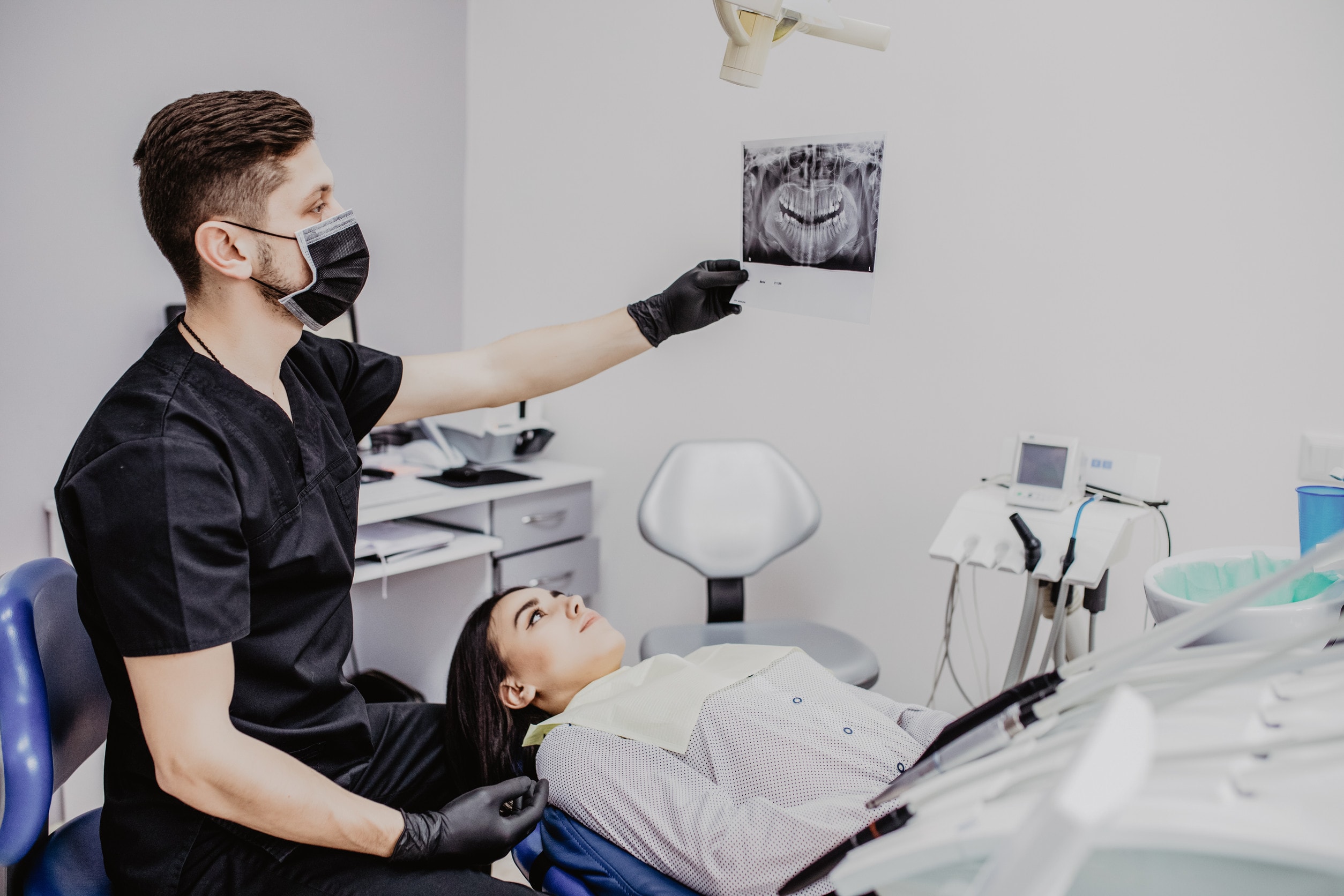
Before proceeding with dental implant surgery, it is essential to carefully evaluate the patient’s clinical condition. A thorough assessment of the patient’s general health and oral health is essential to avoid complications during and after the procedure . Monitoring the patient’s medications is equally important to avoid harmful interactions with dental implant therapies.
Necessary diagnostic tests
Diagnostic tests are essential for assessing a patient’s suitability for dental implants. Dental x-rays, such as intraoral x-rays, orthopantomography, and CBCT, are essential for a correct diagnosis prior to surgery . These tests allow for assessments of the quality and quantity of bone available for dental implant placement.
Additionally, the surgeon requires a list of standard blood tests before the implant surgery . These tests help identify any medical conditions that could affect the success of the surgery and properly plan the treatment.
Specialist consultations
It is essential to consult specialists in case of particular medical conditions to ensure the patient’s safety during dental implantology .
Patients on anticoagulant therapy must follow specific guidelines to minimize the risks associated with implant surgery.
For patients undergoing immunosuppressive therapy, it is essential to carefully evaluate their suitability and consider possible alternatives . Systemic diseases such as diabetes and immune system disorders require a thorough evaluation as they can affect the success of dental implants.
Potential complications in dental implantology and their prevention
| Complication | Description |
|---|---|
| Infections | Possible infections at the implant site, generally rare and treatable with antibiotics. |
| Nerve damage | Nerve injuries that can occur during surgery, causing pain or numbness. |
| Adverse reactions to anesthesia | Possible negative reactions to the anesthesia used during the operation. |
| Implant rejection | Failure of osseointegration, leading to the need to remove the implant. |
| Problems with surrounding tissues | Inflammation or damage to tissues near the implant. |
Infections
Implant site infections are one of the most common complications, although they are generally rare. They can be prevented and effectively treated with prophylactic antibiotics . Maintaining impeccable oral hygiene is crucial to reduce the risk of postoperative infections.
Nerve damage
During dental implant surgery, nerve damage is possible, especially if the implantologist gets too close to the inferior alveolar nerve. This can cause pain, numbness, or tingling. The use of computer-guided techniques can help minimize this risk .
Adverse reactions to anesthesia
Adverse reactions to anesthesia are rare but can occur. It’s important to discuss any allergies or past reactions with your dentist before the procedure to ensure your safety during the procedure.
Implant rejection
Implant rejection, also known as osseointegration failure, occurs when the bone does not integrate properly with the implant. This can be caused by infection, poor bone quality, or factors such as smoking. It is essential to follow post-operative recommendations to reduce the risk of rejection .
Problems with surrounding tissues
Damage or inflammation to surrounding tissue can occur if proper oral hygiene practices are not followed or if the implant is not positioned correctly. It is important to regularly monitor tissue health to prevent major complications.
Oral hygiene and maintenance
Oral hygiene is essential to the success of dental implants. Basic practices to avoid complications include:
- Don’t smoke
- Maintain high oral hygiene
- Using a water flosser
- Follow professional checks
Using Chlorhexidine as a rinse every 12 hours for one minute is a practice often recommended to maintain post-operative oral hygiene (but you should always discuss this with your implantologist and dentist).
To maintain implants long-term, proper oral hygiene and regular checkups are essential . These measures help prevent infections and ensure the stability of dental implants.
Periodic checks
Regular checkups are essential for monitoring the condition of dental implants and preventing complications. Panoramic x-rays are not valid for detecting dental implant infections, so specific clinical and radiological checkups are necessary .
New types of dental implants simplify the process of checking and replacing crowns, making management easier. Regular checkups allow for early detection of any problems and rapid intervention to prevent their worsening.
Conclusion
In summary, dental implants are an effective and long-lasting solution for replacing missing teeth, but they require careful consideration of the contraindications and associated risks. Systemic diseases, smoking, and material allergies are the main contraindications that must be carefully considered before proceeding. Furthermore, it is essential to be aware of the surgical risks, postoperative complications, and potential implant failure.
To ensure the success of the procedure, a thorough assessment of the patient’s clinical condition is essential, including thorough diagnostic tests and specialist consultations. Preventing complications involves proper oral hygiene, the use of prophylactic antibiotics, and regular checkups. Only by adopting these measures can we maximize the chances of success for dental implants and ensure a healthy, long-lasting smile. Taking care of your oral health and making informed choices is the key to a future free of dental problems.
FAQ
What are the main contraindications for dental implants?
The main contraindications for dental implants include systemic diseases such as diabetes and heart problems, smoking, and allergies to the materials used.
Does smoking affect the success of dental implants?
Yes, smoking negatively affects the success of dental implants, increasing the risk of failure due to its impact on the healing process and osseointegration.
What diagnostic tests are necessary before dental implant surgery?
Before dental implant surgery, it is essential to perform diagnostic tests such as dental x-rays, orthopantomography and CBCT, along with standard blood tests.
How can I prevent complications after dental implant surgery?
To prevent complications after dental implant surgery, it’s essential to maintain proper oral hygiene, avoid smoking, use prophylactic antibiotics, and attend regular checkups. Be sure to always follow your dentist’s instructions.
What are the main risks associated with dental implants?
The main risks associated with dental implantology include nerve damage, bleeding, post-operative infections, and the risk of implant failure due to lack of osseointegration.
