
Dental implant rejection can occur in certain situations. In this article, you’ll discover the causes, symptoms, and how to prevent this problem.
In a nutshell
- The term “rejection” isn’t appropriate for dental implants. In fact, the term ” failure of osseointegration ” is used to describe the problem .
- The main causes of dental implant failure include infections, poor oral hygiene, and individual factors such as chronic diseases and lifestyle habits.
- Preventing dental implant rejection requires good oral hygiene, regular check – ups and a healthy lifestyle .
What is meant by dental implant rejection?
When talking about dental implant rejection, it is important to immediately clarify a fundamental concept:
- The term “rejection” is not entirely appropriate in dentistry.
- Unlike an organ transplant, where the body can reject foreign tissue , dental implants are not biological tissue and therefore cannot be rejected by the body. Furthermore, connective tissue is essential for the healing of surrounding tissue.
- They are made of biocompatible materials , such as titanium, which do not cause adverse or allergic reactions.
What is commonly called rejection is actually the failure of osseointegration, the process by which the implant integrates with the jawbone .
When this process fails, the implant loses stability and cannot perform its function. This failure can be caused by various factors, which we will explore in the following paragraphs.
Understanding the difference between rejection and osseointegration failure is essential to properly address dental implant-related problems and to adopt the right preventative and therapeutic measures, especially when dealing with similar cases.
Main causes of dental implant rejection
| Causes of Dental Implant Rejection | Description |
|---|---|
| Infections | Bacterial infections can compromise osseointegration. |
| Poor Oral Hygiene | Improper cleaning can lead to plaque buildup and infection. |
| Chronic Diseases | Conditions such as diabetes can slow healing. |
| Smoke | It reduces blood flow to the gums, hindering healing. |
| Poor Bone Quality | Weak or insufficient bone may not adequately support the implant. |
| Mechanical Overloads | Habits such as bruxism can damage the implant. |
Why might a dental implant fail? The causes are many and can range from infections to poor bone quality , to individual factors such as chronic diseases or lifestyle habits. Identifying and understanding these causes of implant failure is essential to prevent implant loss and ensure the long-term success of implantology.
Infections and contaminations
Bacterial infections are a major threat to the stability of dental implants. When bacteria invade the area around the implant, they can cause inflammation and damage the bone tissue, compromising osseointegration. This can lead to pain, swelling, and bleeding gums, signs of a potential complication.
Contamination of the implant surface during surgery or failure to maintain sterile conditions can also lead to infections. It is therefore essential that the procedure be performed by experienced professionals in a sterile environment and that the patient scrupulously follows post-operative instructions to prevent infections.
Poor oral hygiene
Another common cause of dental implant failure is poor oral hygiene. Proper home oral hygiene is crucial to prevent infections around implants. Bacterial plaque can build up around the implant, causing inflammation and infections that compromise its stability.
Daily practices like brushing and flossing are essential for maintaining healthy dental implants. Regular visits to the dentist for professional oral hygiene help monitor the health of the implants and prevent complications.
Individual factors
Individual factors can significantly influence the success of dental implants. Chronic medical conditions such as diabetes can slow healing and increase the risk of infection.
Smoking is also a major risk factor, as it reduces blood flow to the gums, hindering healing and increasing the risk of complications.
A healthy, balanced diet , along with the avoidance of bad habits such as smoking, can promote better healing and stability of dental implants.
Furthermore, mechanical overloads and habits such as bruxism can damage the implant and shorten its lifespan.
Symptoms of Dental Implant Rejection
| Symptoms of Dental Implant Rejection | Description |
|---|---|
| Pain | Persistent pain in the implant area. |
| Swelling | Inflammation and swelling around the implant. |
| Bleeding | Bleeding gums near the implant. |
| Plant mobility | The system moves or is unstable. |
Immediately recognizing the symptoms of dental implant rejection is essential for prompt intervention. Here are some warning signs that shouldn’t be ignored:
- Pain
- Swelling
- Bleeding
- Plant mobility
Consulting a dentist at the first symptoms can safeguard the success of the implant.
Persistent pain, in particular, may indicate something is wrong with the implant area. It’s important not to ignore these symptoms and seek professional assistance immediately.
Pain and discomfort
Pain and discomfort in the area of the dental implant may be the first signs of rejection. These symptoms may manifest as persistent discomfort or pain that doesn’t improve over time. If combined with swelling or bleeding, they could indicate an infection or other complications.
It’s essential to consult a dentist for a thorough evaluation if you experience these symptoms. Prompt intervention can prevent further complications and protect your implant.
Swelling and bleeding
Swelling is a common inflammatory response that can occur after dental implant surgery. However, if the swelling persists or is accompanied by bleeding, it could indicate an infection or complication .
Bleeding from the implant area is another symptom that shouldn’t be ignored. It could indicate an infection or a problem with the implant’s integration into the jawbone. Carefully monitoring these symptoms and consulting a dentist is essential to prevent rejection.
Plant mobility
Implant mobility is a clear sign of osseointegration problems. If an implant moves, it means it hasn’t integrated properly with the jawbone . Excessive mobility may indicate potential implant rejection.
It is essential to monitor the stability of the implant during the healing period and consult a dentist if you notice any abnormal movement.
Diagnosis and treatment of dental implant rejection
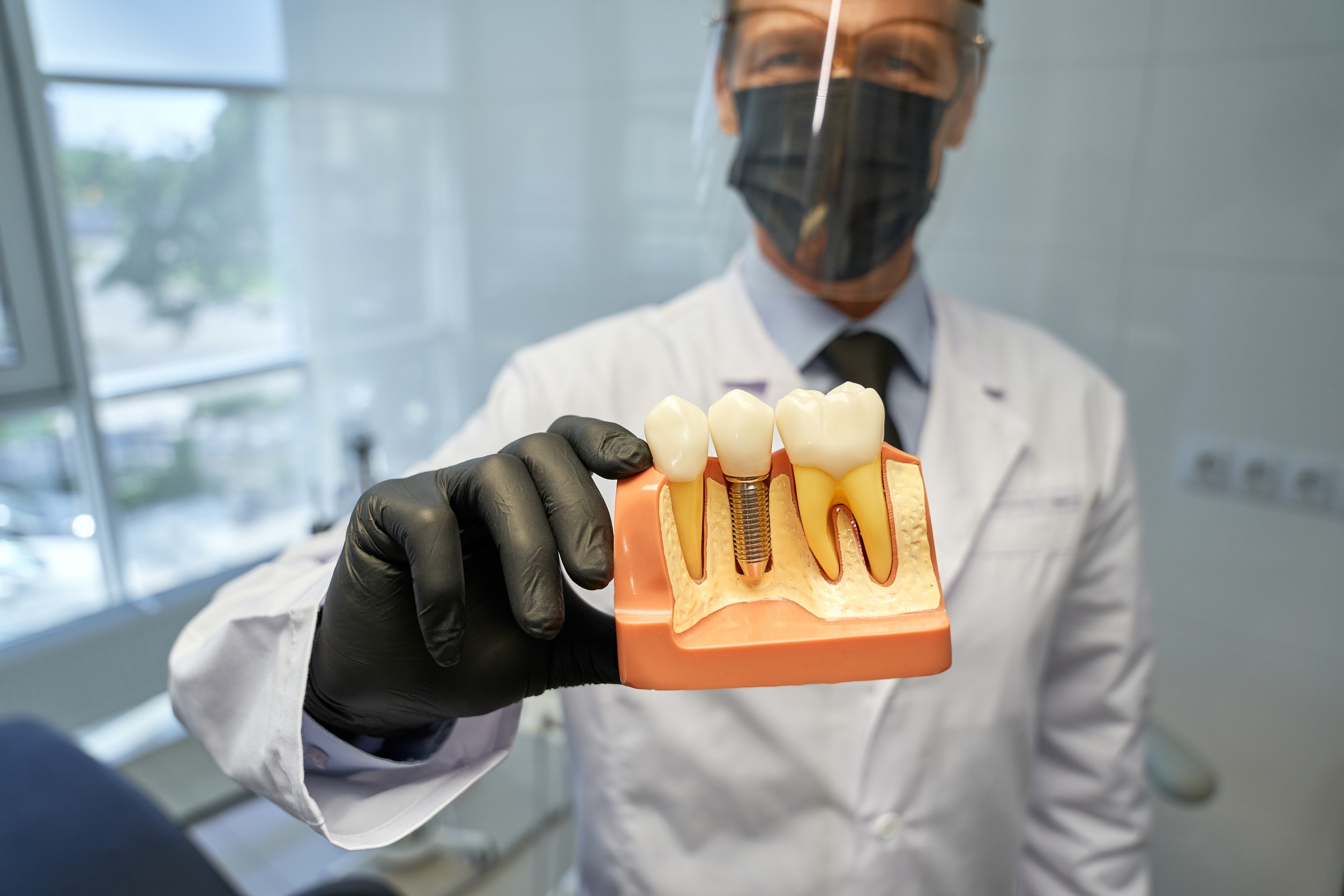
Early diagnosis and prompt treatment of dental implant rejection are essential to prevent permanent implant loss. Contacting a professional immediately if you notice any signs of rejection is essential for effective intervention .
Solutions for a compromised implant may include bone regeneration, surgery, or conservative therapies. The choice of treatment depends on the severity of the damage and the patient’s individual needs.
Clinical and radiographic checks
Clinical and radiographic checkups are essential to ensure the health of dental implants. Checkups help identify early problems with the implants, such as signs of inflammation and instability .
Failure to maintain sterile conditions during surgery can lead to infections and complications. Therefore, regular checkups allow for the rapid identification and treatment of any signs of complications.
Surgical interventions
In case of implant damage due to peri-implantitis, the best situation is often to remove it and replace it with a new implant , as a one-time support, to ensure the health of the internal bodies, avoiding the rejection of an implant.
Dental bone regeneration is a surgical technique used to restore bone volume lost due to infection or other complications. The materials used in bone regeneration include blends of synthetic bone and organic bone , which help rebuild the jawbone and ensure better implant integration.
It is advisable to rely on an expert in maxillofacial surgery for these complex procedures.
Conservative therapies
If peri-implantitis is diagnosed early, it can often be treated with:
- thorough oral hygiene
- conservative treatments
- deep professional cleaning
- disinfection of the area
These steps are essential to treat the infection.
In some cases, specific antibiotics may be prescribed to fight the infection and prevent further complications. Early intervention can prevent the need for more invasive surgery.
Prevention of dental implant rejection
Professional oral hygiene
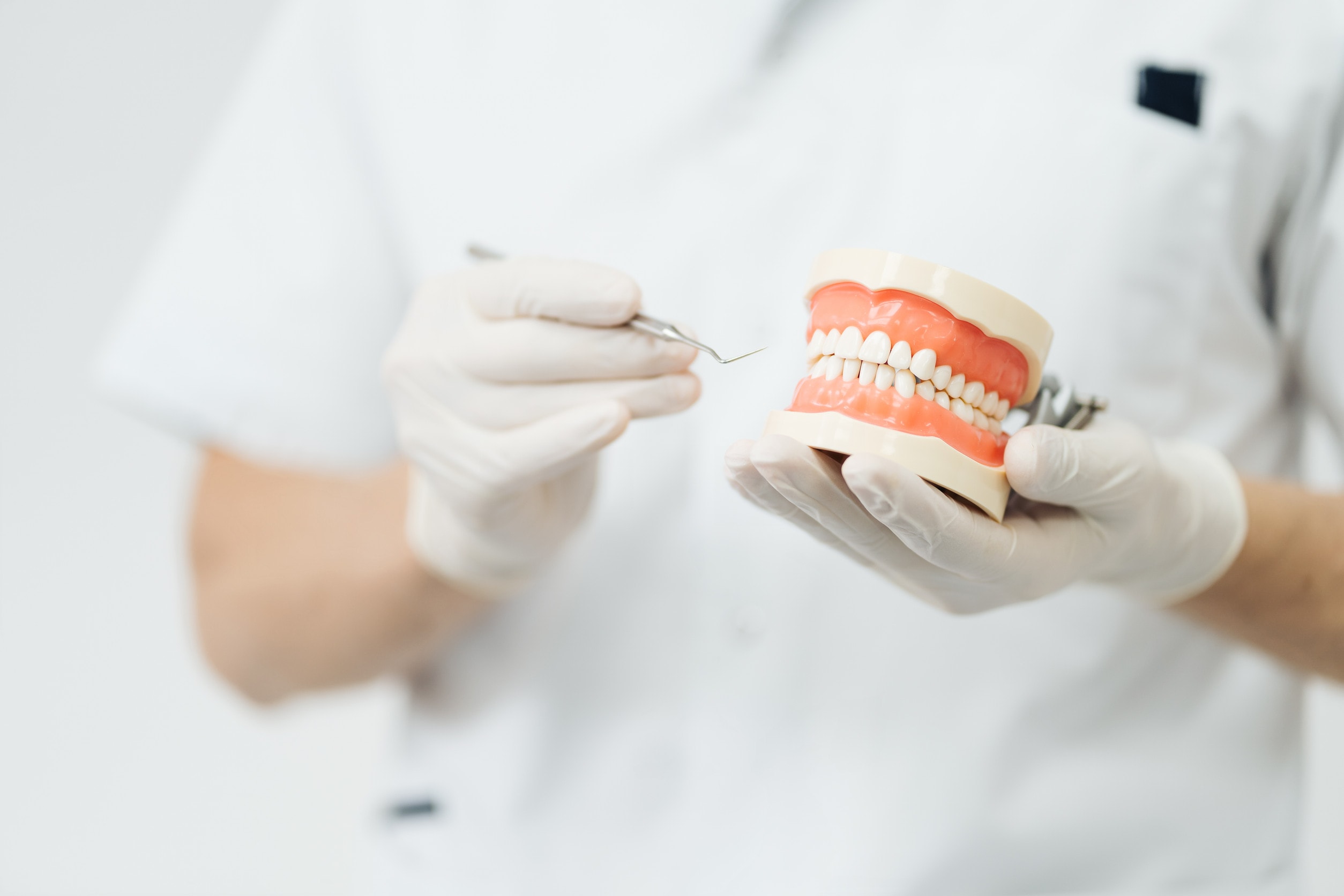
Professional oral hygiene sessions help keep the implant area clean and free of bacterial plaque . Removing plaque through professional oral hygiene significantly reduces the risk of infections that can lead to implant rejection.
Professional oral hygiene is essential for maintaining the health of dental implants and preventing rejection . Regular visits to the dentist for professional cleanings are essential for monitoring the area around the implant and responding promptly if problems arise.
Healthy lifestyle
In addition to oral hygiene, other aspects of a healthy lifestyle, such as a balanced diet and not smoking, can significantly contribute to the success of dental implants . A healthy body is better equipped to heal and maintain implants firmly integrated into the jawbone, regardless of gender, and every body can benefit from these practices.
Quality materials
High-quality materials, such as titanium, offer improved biocompatibility, reducing the chances of rejection and complications.
Durable materials not only prevent rejection, but also improve the aesthetics and functionality of the dental implant, ensuring greater patient satisfaction. Choosing quality materials is therefore an investment in the long-term success of dental implants.
Myths and Facts About Dental Implant Rejection
There are many myths surrounding dental implant rejection. A common misconception is that rejection is a frequent and dramatic reaction. In reality, dental implants are designed to integrate with the bone, leading to a high success rate .
The success rate of dental implants can be as high as 97% , depending on various factors, such as the quality of the material used.
Another myth is that dental implants are unsuitable for patients with titanium allergies . However, most implants are designed to be biocompatible and generally well tolerated. Furthermore, the idea that rejection always occurs in the short term is incorrect; it can occur months or years after the procedure.
Modern surgical techniques have significantly reduced the invasiveness of interventions , contributing to a simpler and less painful post-operative recovery.
It is important to base your knowledge on accurate and up-to-date information to ensure clarity in making informed decisions about your oral health.
Duration of dental implants and influencing factors
The lifespan of dental implants can vary from a minimum of 10 years to over 25 years, depending on several factors. The main factors that influence the lifespan of dental implants are:
- The quality and quantity of available bone , which are crucial to the success and longevity of a dental implant.
- The patient’s age , which can influence the healing ability and integration of the implant.
- The patient’s general health, as pre-existing medical conditions may compromise the success of the implant.
Regular dental visits help monitor and prolong the life of dental implants . Constant monitoring and proper maintenance are essential to ensure that implants remain functional and stable over time.
Alternatives to Dental Implants
Alternatives to dental implants include dental bridges, removable partial dentures, complete dentures, overdentures, and adhesive bridges .
- Dental bridges are a common option that connect adjacent teeth to fill gaps left by missing teeth.
- Removable partial dentures and complete dentures are other options that offer an aesthetic and functional solution for those who have lost one or more teeth, effectively thanks to support screws.
- Overdentures combine prosthetics and mini-implants, providing stability without the need for invasive procedures. Each option has its advantages and disadvantages, and the choice depends on the patient’s specific needs.
Conclusion
In short, dental implant rejection is a complex phenomenon that requires a thorough understanding of the causes, symptoms, and solutions. Prevention through good oral hygiene, a healthy lifestyle, and the use of high-quality materials is essential to ensuring the success of dental implants.
Seeking a dentist at the first signs of complications and following professional advice can make the difference between implant success and failure. Maintaining open communication with your dentist and actively participating in your oral health are essential steps for a healthy, long-lasting smile.
FAQ
What does “dental implant rejection” really mean?
“Dental implant rejection” actually refers to implant failure, which occurs when osseointegration does not occur properly, since implants are not biological tissue.
What are the main causes of dental implant rejection?
The main causes of dental implant rejection are infections, poor oral hygiene, individual factors such as chronic diseases, and negative lifestyle habits such as smoking.
What are the symptoms of dental implant rejection?
Symptoms of dental implant rejection include persistent pain, swelling, bleeding, and implant mobility.
How can dental implant rejection be prevented?
To prevent dental implant rejection, it’s essential to maintain good oral hygiene, adopt a healthy lifestyle, and use high-quality materials. Carefully following your dentist’s instructions plays a crucial role in this process.
What are the alternatives to dental implants?
Alternatives to dental implants include dental bridges, removable partial dentures, complete dentures, overdentures, and adhesive bridges. It’s important to discuss with your dentist which solution best suits your needs.
