
Wondering what happens one month after a hair transplant? In this article, you’ll find out what to expect and how to care for your new hair.
In a nutshell
- One month after the transplant, some discomfort may be experienced , but this is usually part of the healing process.
- Following your surgeon’s instructions and properly nourishing your scalp can help achieve better results.
- Hair regrowth typically begins after two to three months and optimal results may take up to ten months to fully manifest.
Hair transplant after 1 month: what happens?
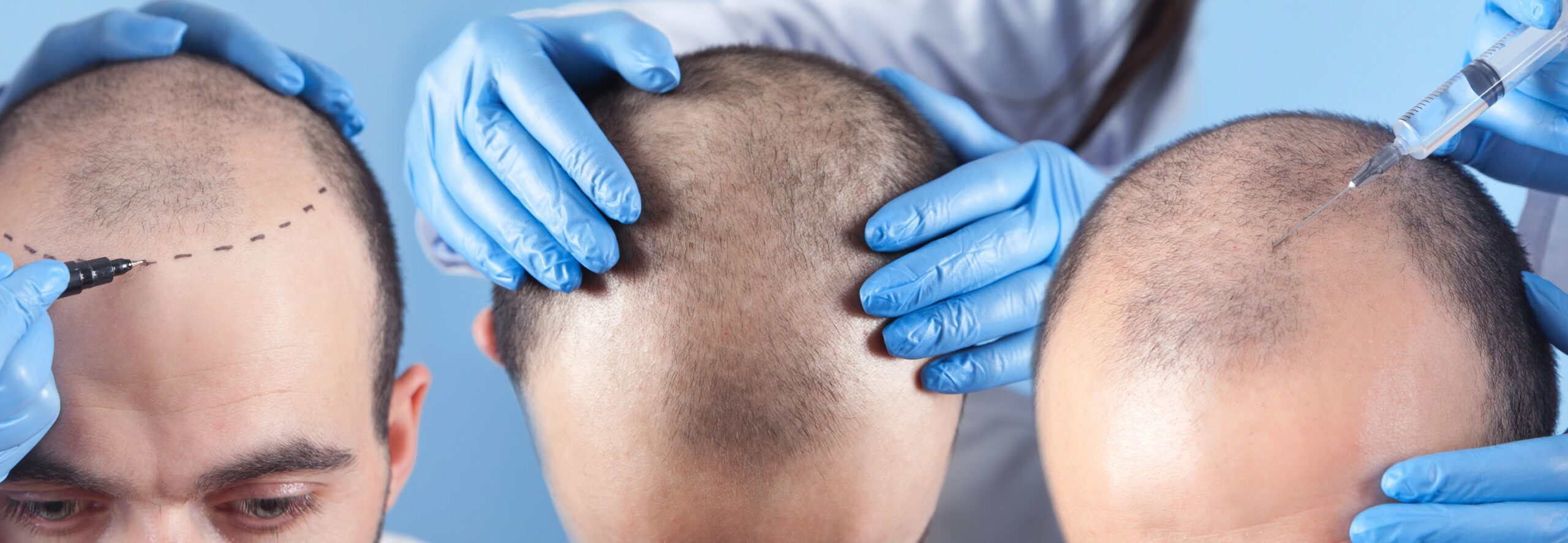
A month after a hair transplant, patients may begin to notice small but significant changes in the transplanted hair . This is a period during which the scalp continues to heal and adapt to the new follicles .
It’s important to remember that hair growth isn’t immediate and that final results will take time . During this phase, it’s common to experience intense hair loss due to shock, a natural and temporary phenomenon that’s part of the recovery process.
During this first month, many patients experience symptoms such as swelling, irritation, itching, and redness at the transplant site and donor area . These symptoms are normal and indicate that the body is responding and adapting to the surgery . Scabs that form at the transplant site are also common and should be allowed to fall off naturally to avoid damaging the grafts.
Key expectations during this time include understanding that hair growth is uneven and that hair loss in the first few weeks is a normal part of the process .
Having patience and following your surgeon’s instructions is essential to ensure optimal recovery and future hair regrowth.
Shock leak: a common phenomenon
Shock hair loss is a common phenomenon that occurs one month after a hair transplant. This process may seem alarming, but it is a natural response of the hair follicles to the trauma of the procedure . Within two weeks of the procedure, the grafted hair may begin to fall out, which may also include existing hair in the treated area.
This temporary shedding phase is a sign that the follicles are entering a resting phase before resuming their normal growth. Shock shedding can last up to two months and, while it may be cause for concern, it’s a natural part of the recovery process and indicates that new hair will grow stronger and healthier.
How to recognize shock loss
Recognizing shock hair loss is essential to avoid unnecessary worry . This process of recognizing hair loss manifests as temporary shedding of the transplanted hair and may appear extensive or patchy, also known as shock hair loss.
It is important to know that this is a transitory phase and that the hair will begin to grow back in the following months.
Shock Loss Management
Managing shock hair loss requires patience and good post-operative care . Following your surgeon’s guidance and maintaining a diet rich in nutrients such as iron, zinc, and vitamins B, C, and E can promote faster hair regrowth. These nutrients are essential for healthy hair follicles and can contribute to faster healing.
It’s also helpful to maintain a positive mindset and understand that shock loss is a normal part of the healing process . Avoiding stress and taking care of your overall well-being can help you get through this phase with less anxiety and more confidence in the final outcome.
Post-operative care one month after transplant
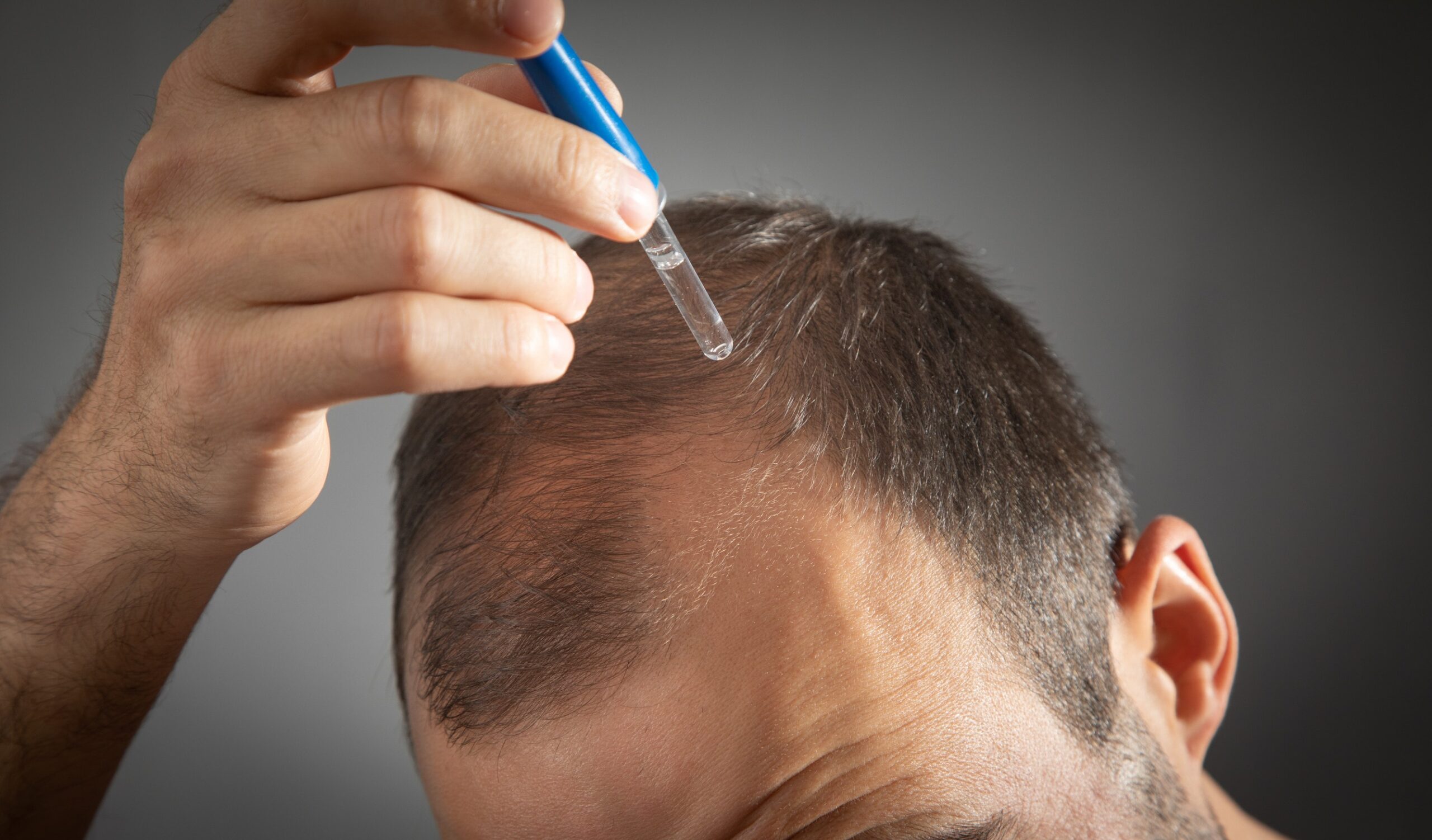
After the procedure, it’s important to follow your surgeon’s instructions regarding the care of the transplanted area , avoiding manual removal of scabs and maintaining a nutrient-rich diet to stimulate hair growth. Attention to detail during this phase can make a big difference in long-term results.
Washing routine
From the third day after surgery, it is recommended to start washing your hair using specific shampoos for the first week after surgery. This helps keep the scalp clean and prevent infections .
Additionally, applying a specialist-recommended cream to the donor area can help promote faster healing.
Recommended products
To ensure the health of your scalp and transplanted hair, it’s important to use gentle , specific products. Avoid harsh products that can irritate the scalp and compromise healing.
Physical activity
Physical activity can be gradually resumed one month after hair transplantation. It’s recommended to start with light cardio workouts such as:
- Jogging
- I swim
- Yoga
These activities promote healthy and rapid regeneration of hair follicles. It is important to avoid strenuous physical exertion and intense sweating in the first two weeks after the transplant to avoid damaging the grafts .
Visible changes and hair regrowth
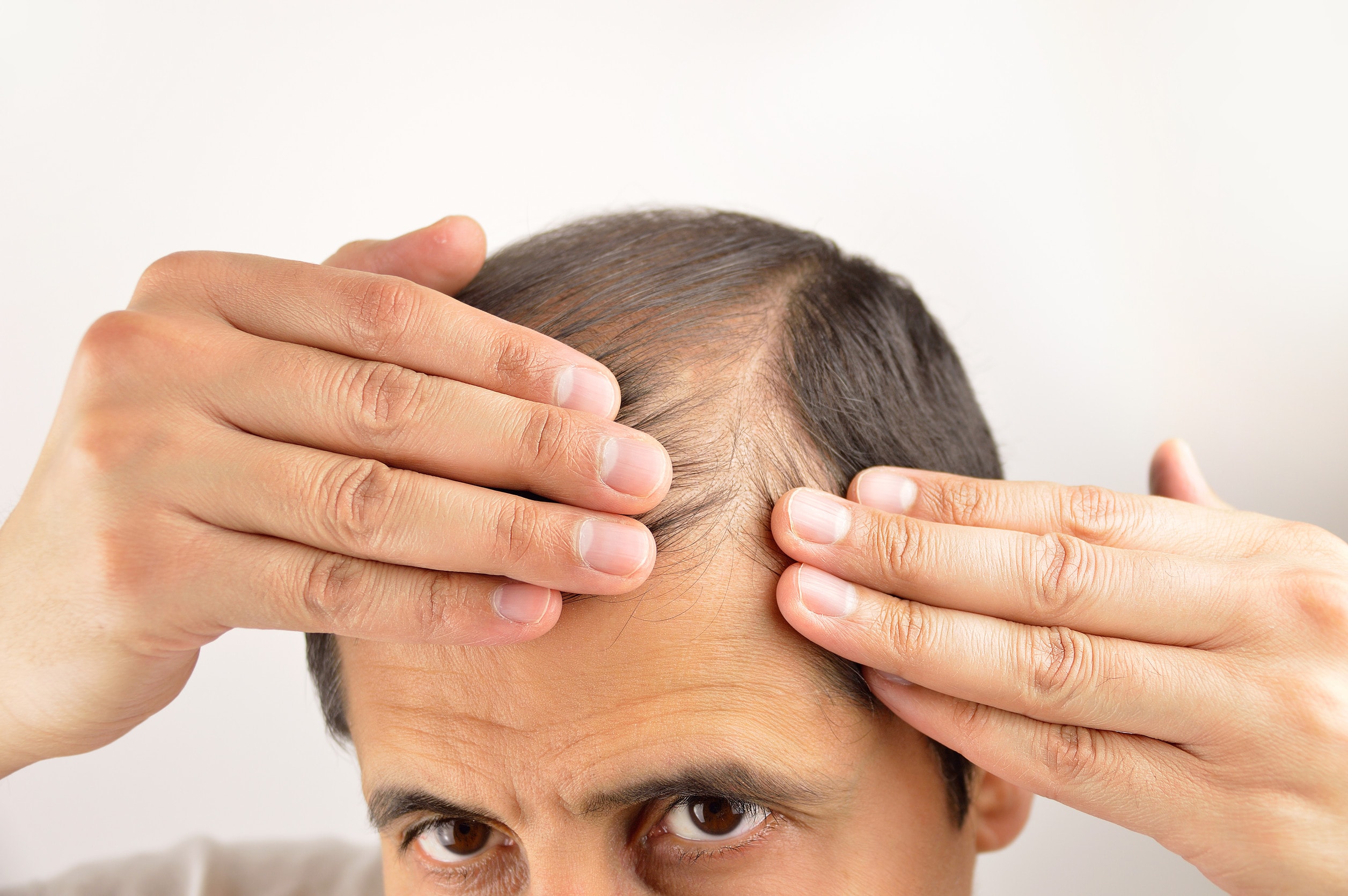
One month after the transplant, patients may begin to notice slight regrowth of the grafted hair . However, it is common to see little to no sign of new hair growth at this stage, especially in the days following the transplant.
New hair growth typically begins two to three months after the transplant , so it is important to have realistic expectations regarding growth time and final results.
First regrowth
Initial regrowth of transplanted hair can take up to 10 months to complete . After three to four months, patients begin to see regular growth of the transplanted hair , with the most noticeable improvement between the fifth and ninth months. Patience is essential during this process, as optimal results take time.
Approximately 80% of the hair will be covered six months after the transplant, and a year later, patients can expect full, healthy hair . It’s important to follow the surgeon’s instructions and maintain proper care to ensure uniform and satisfactory growth.
Aesthetic appearance
Un mese dopo il trapianto, i capelli trapiantati iniziano a mostrare segni di crescita, ma possono apparire disomogenei. I capelli che non cadono durante il periodo di perdita da shock possono sembrare più deboli, ma è importante ricordare che questa fase è temporanea e che la crescita dei nuovi capelli renderà l’aspetto più uniforme nel tempo.
L’aspetto estetico migliorerà gradualmente man mano che i follicoli piliferi si stabilizzano e iniziano a produrre capelli più forti. La pazienza e la costanza nella cura post-operazione sono essenziali per raggiungere i risultati desiderati e per vedere i benefici completi del trapianto di capelli.
Supporto psicologico e autostima
Il supporto psicologico e il mantenimento di una buona autostima sono fondamentali durante il processo di recupero dopo un trapianto di capelli. La calvizie può causare una diminuzione dell’autostima e avere un impatto negativo sulle relazioni interpersonali. È importante cercare supporto e accettare aiuto da familiari e amici, che possono migliorare la percezione del risultato del trapianto e facilitare il recupero.
Il processo di guarigione richiede pazienza e può causare ansia per i risultati iniziali. Mantenere una mentalità positiva e concentrarsi sui progressi, anche se piccoli, può aiutare a superare le difficoltà iniziali e a mantenere un atteggiamento fiducioso verso il futuro.
Gestire le aspettative
Gestire le aspettative è cruciale per mantenere una mentalità positiva durante il recupero. Un mese dopo il trapianto di capelli, è normale vivere momenti con aspettative alte e basse; possono verificarsi sia miglioramenti che fasi di stagnazione. È importante tenere a mente che i risultati ottimali possono richiedere tempo e che la pazienza è fondamentale durante il processo di guarigione.
La perdita da shock è un fenomeno comune che può verificarsi circa un mese dopo il trapianto. Affrontare questa fase richiede spesso un approccio mentale positivo e la consapevolezza che è una fase temporanea di recupero. Avere aspettative realistiche è fondamentale per mantenere un approccio sano al recupero e alla crescita dei capelli trapiantati.
Benefici emotivi
Osservare i primi segni di ricrescita dei capelli può portare a un aumento dell’ autostima personale. La ricrescita dei capelli può far sentire una persona più in controllo della propria immagine, aumentando la fiducia in se stessi.
Il miglioramento dell’aspetto personale, grazie alla ricrescita, può portare a una maggiore soddisfazione e felicità nella vita quotidiana per molte persone.
Conclusione
One month after a hair transplant is a crucial transition period that requires patience and attention. Shock hair loss is a normal part of the healing process, and proper post-operative care is essential to ensure healthy new hair growth. Hair regrowth takes time, but with the right psychological support and realistic management of expectations, the results can be extremely rewarding.
Frequently Asked Questions
What can I expect one month after a hair transplant?
One month after a hair transplant, you can expect to experience temporary hair loss, commonly known as shock hair loss, accompanied by swelling and redness.
What is shock loss and how long does it last?
Shock hair loss is a temporary loss of transplanted hair caused by the trauma of the surgery and can last up to two months. This phenomenon indicates that the follicles are entering a resting phase before resuming growth.
How can I manage shock loss?
To manage shock loss, it is recommended to eat a diet rich in essential nutrients and follow your surgeon’s instructions, maintaining a positive mindset during the healing process.
When can I resume physical activity after a hair transplant?
It is advisable to resume light physical activity about a month after the hair transplant, avoiding intense exertion and sweating in the first fifteen days.
How long does it take to see the final results of a hair transplant?
To see the final results of a hair transplant, you need to wait up to 10 months, with visible improvements between the fifth and ninth months. One year after the procedure, you can expect to have full, healthy hair.
