
What can you expect three months after a hair transplant? In this article, we’ll take you through the various possible expectations.
In a nutshell
- Three months after a hair transplant, initial results include the appearance of new, thin, brittle hair , which requires patience to become permanent.
- Hair growth may be uneven , with some areas showing better results.
- Follow-up visits after three months are essential to evaluate the health of the scalp and the response to treatment, also paying attention to psychological support during recovery.
Hair transplant after 3 months: what to expect
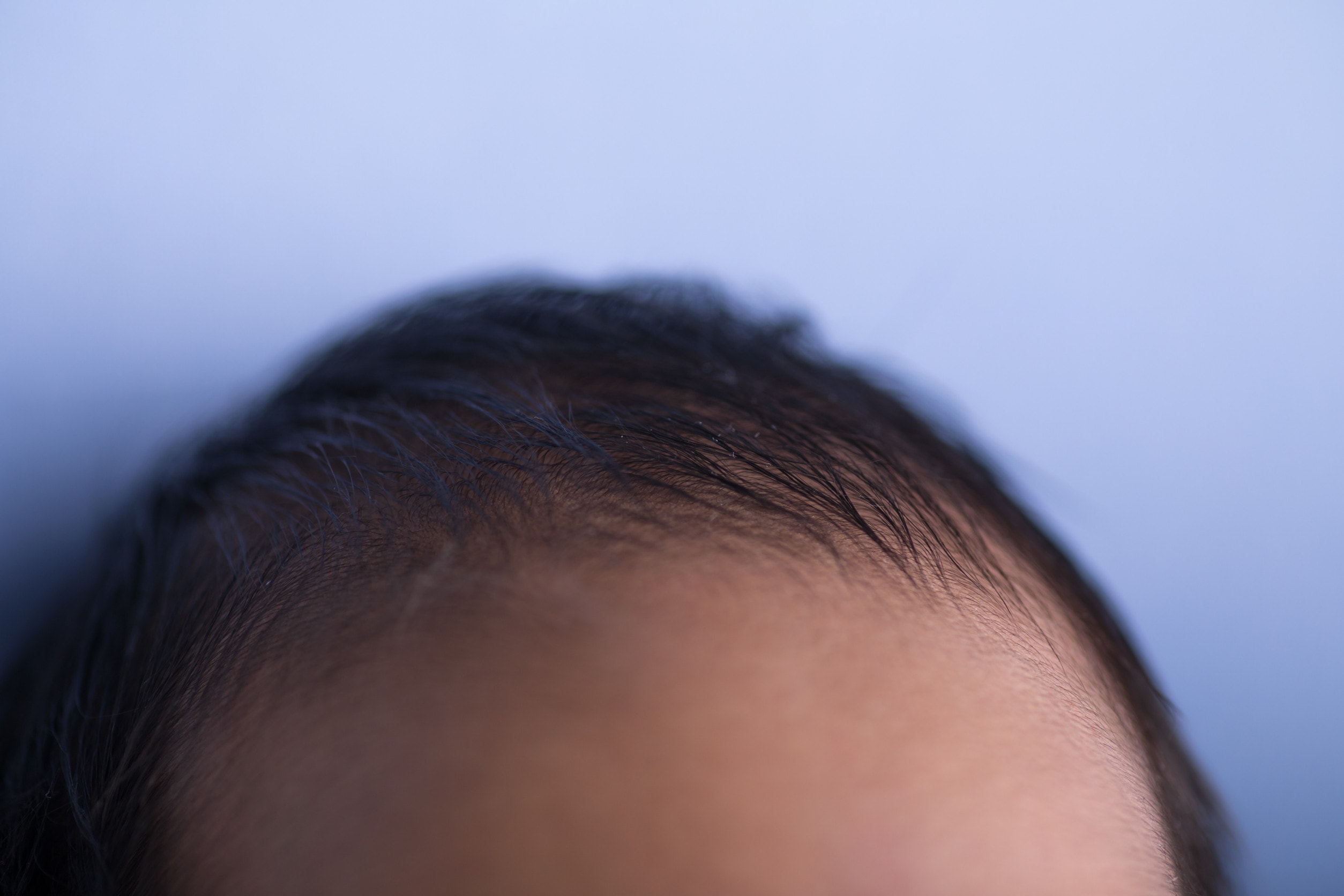
Three months after a hair transplant, patients begin to see the first tangible results of the procedure . It’s a time filled with expectations, but also with doubts. The appearance of new hair can be a sign of hope, but it’s crucial to remember that this hair isn’t yet permanent and may appear fragile and thin .
Hair density can improve significantly within this period, but patience is an essential virtue in this process.
It is important to keep in mind that each patient is unique and that growth and recovery may vary .
Some may see faster results, while others may notice slower growth. However, the key is to stay calm and follow your doctor’s instructions.
Appearance of new hair
Three months after a hair transplant, it’s normal to start seeing new hair appear. This hair, however, still appears thin and brittle, a sign that the follicles are starting to function but aren’t yet fully mature .
It is essential to be patient and wait for this new hair to strengthen and thicken over time.
Uneven growth
Another common symptom three months after a hair transplant is uneven growth . You may notice differences in length between different areas of the scalp , with some areas showing faster growth than others. This irregularity may be cause for concern, but it is a normal part of the recovery and growth process of transplanted hair.
It’s important to remember that hair growth follows a natural cycle and that, over time, these differences will tend to even out . Patience and consistency in following medical advice are essential to achieving satisfactory results.
Possible concerns
During the healing phase, it is common to observe the appearance of small, temporary pimples in the treated area . These pimples, which may appear in the early stages of healing, are generally temporary and tend to disappear as healing progresses.
Healing process
The healing process after a hair transplant is a delicate phase that requires attention and care. After the procedure, the scalp may experience:
- Crusts
- Itching
- Redness
- Discomfort in both the donor and recipient areas
However, recovery is generally rapid and optimal, with a progressive improvement in the condition of the scalp.
Maintaining proper hygiene and following medical advice is essential to ensure proper follicle engraftment. Post-transplant check-ups are crucial to monitor healing and treatment success.
Donor area healing
The day after the transplant, the donor area appears to be in an advanced stage of healing, with no visible signs of trauma. In the first few days, patients may notice small scabs around the transplanted follicles, which tend to fall off naturally within about ten days. It is important to avoid manually removing these scabs to avoid compromising the healing process.
After two weeks, the donor area is virtually healed . During follow-up visits, the doctor monitors the progress of hair growth and assesses any complications, using photographs and measurements to monitor the transplant’s effectiveness.
Receiving area care
The day after the transplant, small scabs form at the follicle implantation sites. It is essential not to touch the scabs on the recipient area, as it could compromise the transplant result and increase the risk of infection. To encourage the scabs to naturally detach, it is recommended to use a pH-neutral shampoo .
Additionally, it’s important not to rub or scratch the recipient area to avoid damaging the transplanted follicles . By following these guidelines, patients can ensure optimal healing and successful engraftment of the new hair.
Changes in the scalp
During the months following a hair transplant, the scalp undergoes a series of significant changes. These changes are an integral part of the healing and regrowth process and can vary from patient to patient.
During the first three months, it’s common to experience some redness and tenderness in the recipient area as the transplanted follicles begin to adjust to their new environment. This redness tends to subside over time, giving way to a more even, natural appearance.
Another noticeable change is the formation of small scabs around the follicle implantation sites . These scabs are a normal reaction of the body and help protect the treated areas. It is essential not to remove them manually to avoid damaging the newly transplanted follicles. They generally fall off naturally within 10-14 days of the procedure.
Additionally, patients may notice a change in the texture and quality of their scalp. The skin may appear drier or, conversely, oilier due to changes in sebum levels. Using specific products, such as pH-balanced shampoos and moisturizing lotions, can help maintain the scalp’s balance and promote an optimal growth environment for new hair.
As the months progress, the scalp begins to stabilize and the transplanted hair enters the active growth phase. During this time, it’s essential to continue following your doctor’s instructions and undergo regular checkups to ensure the healing process is proceeding smoothly.
Finally, it’s important to emphasize that patience is crucial in this journey. Scalp changes and transplanted hair growth take time, but with proper care and attention, most patients can expect to see positive, long-lasting results.
Growth stages of transplanted hair
Transplanted Hair Growth Stages Chart
| Phase | Description | Duration |
|---|---|---|
| Anagen | Active growth phase in which the hair follicles are deeply active and the hair grows longer. | Up to 7 years |
| Catagen | Transition phase in which growth stops and the follicle prepares for detachment. | A few weeks |
| Telogen | Resting phase in which the hair no longer grows and can fall out spontaneously or be pushed out by new hair. | 3-4 months |
Transplanted hair growth follows a natural cycle consisting of three phases : anagen, catagen, and telogen . During this cycle, hair goes through periods of active growth, rest, and shedding. Understanding these phases is essential to having realistic expectations about the transplant timeline and results.
Anagen phase
The hair’s life cycle begins with the anagen phase , the time when the hair is actively growing . This phase can last several years , even up to seven, and is crucial for the final length of the shaft. During the anagen phase, the hair follicle is deeply active: the cells at its base multiply rapidly and produce new keratin, causing the hair to grow longer.
Most of the hair on the scalp is in this phase, which represents the heart of hair growth. Genetic, hormonal, and environmental factors directly influence the duration of this phase, which can vary from person to person.
Catagen phase
This is followed by the catagen phase , a brief transition phase that lasts only a few weeks . At this point, hair growth stops : the follicle contracts, moves away from the dermal papilla (which provided nourishment), and begins to prepare for detachment .
It’s like a “hibernation” phase, in which the hair stops receiving active stimuli but isn’t yet ready to fall out. Although this phase affects only a small percentage of the hair at a time, it’s crucial because it allows for a gradual transition to the next phase , without stressing the scalp.
Telogen phase
Finally, the telogen phase , known as the resting phase , begins . During this period, which can last up to three or four months , the hair remains anchored to the follicle but no longer grows. At the end of this phase, the hair may fall out spontaneously or be pushed out by the growth of a new hair, which in turn enters the anagen phase.
It’s perfectly normal to lose a certain number of telogen hairs every day : as long as the cycle remains balanced, the hair remains healthy. However, hormonal imbalances, stress, drastic diets, or illnesses can increase the number of hairs in the telogen phase , giving rise to phenomena such as telogen effluvium.
Post-transplant care and precautions
| Care/Precaution | Description |
|---|---|
| Avoid Manipulation | Do not rub, scratch, or touch the transplanted area to prevent infection and ensure good attachment. |
| Use Gentle Shampoos | Choose pH-neutral, sulfate-free shampoos to avoid irritation and maintain scalp balance. |
| Specific Washing Routine | Follow your doctor’s instructions to properly wash the recipient area without damaging the follicles. |
| Avoid Sun Exposure | Protect your scalp from direct sunlight for approximately two months after surgery. |
| Avoid Intense Physical Activity | Limit strenuous exercise and contact sports for at least a month to avoid scalp trauma. |
| Balanced Nutrition | Follow a diet rich in protein, vitamins and minerals to support hair growth. |
| Consult Your Doctor Regularly | Attend follow-up visits to monitor progress and discuss any concerns. |
After a hair transplant, it’s essential to follow a series of treatments and precautions to ensure the success of the procedure and recovery. Here are some guidelines to follow:
- Avoid rubbing , scratching, or touching the transplanted area to prevent infection and ensure good follicle attachment.
- Use gentle shampoos .
- Follow a washing routine specific to the receiving area.
Within six months of surgery, most transplanted hair should show a significant increase in density , while full results are generally visible between 12 and 18 months. It is also advisable to avoid sun and other weather exposure for about two months after surgery.
Recommended products
Post-operative shampoos are formulated to gently cleanse and maintain the scalp’s moisture. It’s important to choose products that are gentle and free of harsh chemicals to avoid irritation and promote a healthy environment for new hair growth. Sulfate-free shampoos are especially recommended, as they help prevent scalp dryness and maintain the scalp’s natural oil balance.
Additionally, the use of collagen treatments can support the health of transplanted hair , helping to strengthen the follicles and improve the overall structure of the hair. Collagen is known for its properties in improving hair elasticity and strength, which can be particularly beneficial during the post-transplant healing and growth process.
Another thing to consider is incorporating natural ingredients like argan oil or aloe vera , which can provide additional hydration and nourishment. These ingredients not only help soothe the scalp, but also promote an optimal environment for hair growth, reducing the risk of inflammation and irritation .
Finally, it is advisable to consult your doctor or surgeon for personalized recommendations on the products best suited to your specific needs, thus ensuring maximum benefit during the recovery period.
Physical activity and sport
It’s advisable to avoid strenuous physical activity for about a month after the transplant to prevent complications. During this time, it’s important to allow the scalp time to heal without additional stress. For example, activities such as running, weight lifting, or contact sports could cause trauma or irritation to the transplanted area, compromising the healing process.
For at least two weeks after the transplant, it is essential to avoid strenuous exercise and contact sports such as football, rugby, or basketball. These sports could carry the risk of accidental impacts or blows to the head, which could damage the newly transplanted follicles. Activities that involve excessive sweating, such as saunas or steam rooms, should also be avoided, as sweat can cause scalp irritation.
In alternativa, si possono preferire attività più leggere e a basso impatto, come camminate tranquille o yoga, che aiutano a mantenere un buon livello di attività fisica senza compromettere la guarigione. Man mano che il processo di recupero progredisce e sotto la guida del medico, sarà possibile reintrodurre gradualmente attività più impegnative nel proprio regime di allenamento.
Alimentazione e stile di vita
Una dieta equilibrata è fondamentale per supportare la crescita dei capelli post-trapianto. Una dieta ricca di proteine, vitamine e minerali è essenziale per supportare la crescita dei capelli dopo un trapianto. Mantenere uno stile di vita sano può favorire la ripresa dei follicoli piliferi trapiantati.
Integratori vitaminici possono essere assunti dopo quattro settimane per rinforzare i capelli trapiantati.
Valutazione medica dopo 3 mesi

Le visite di controllo tre mesi dopo un trapianto di capelli sono fondamentali per monitorare l’andamento della ricrescita e per risolvere eventuali problematiche.
Monitoraggio della crescita
Il chirurgo che ha effettuato il trapianto gioca un ruolo fondamentale nel valutare i progressi e assicurarsi che il recupero proceda come previsto. Durante le visite di controllo, il medico esamina attentamente l’area trapiantata, utilizzando fotografie e misurazioni per documentare il progresso della crescita dei capelli e identificare eventuali complicazioni.
È essenziale che il paziente si sottoponga regolarmente a questi controlli per garantire che la guarigione stia avvenendo correttamente e che i follicoli trapiantati stiano attecchendo come previsto. Questi incontri offrono anche l’opportunità di discutere eventuali preoccupazioni o domande che il paziente potrebbe avere.
Oltre alle visite mediche, è importante che il paziente tenga sotto controllo personalmente la situazione, osservando eventuali cambiamenti nel cuoio capelluto e nella crescita dei capelli. Questo monitoraggio personale permette di rilevare tempestivamente qualsiasi anomalia, come rossore eccessivo, prurito o perdita di capelli, che potrebbe richiedere un intervento medico.
Possibili interventi correttivi
In caso di problemi con la crescita dei capelli, il medico può raccomandare trattamenti correttivi o ulteriori interventi. Se i risultati non sono soddisfacenti, possono essere proposti trattamenti aggiuntivi come la mesoterapia o un nuovo trapianto per migliorare i risultati.
In alcuni casi, interventi correttivi possono essere necessari per garantire una densità adeguata e un aspetto naturale dei capelli. Questi interventi possono includere procedure aggiuntive come la mesoterapia, che consiste nell’iniettare vitamine e nutrienti direttamente nel cuoio capelluto per stimolare la crescita dei capelli, o un nuovo trapianto per aumentare la densità nelle aree che non hanno risposto come previsto.
Altri esempi di interventi correttivi possono includere l’uso di terapie laser a bassa intensità per migliorare la circolazione sanguigna nel cuoio capelluto e favorire la ricrescita dei capelli o l’applicazione di trattamenti topici specifici per rinforzare i follicoli esistenti.
È importante discutere con il proprio medico le opzioni disponibili per determinare la soluzione più adatta alle proprie esigenze individuali.
Testimonianze di pazienti
Le testimonianze dei pazienti possono offrire un prezioso punto di vista sul processo di trapianto di capelli, fornendo una prospettiva reale su ciò che ci si può aspettare. La tecnica del supporto psicologico è cruciale per gestire l’ansia e le aspettative durante il processo di ricrescita.
Alcuni pazienti hanno riferito di un significativo aumento della fiducia in sé dopo il trapianto di capelli, notando un miglioramento estetico evidente già tre mesi dopo l’intervento.
Conclusione
In sintesi, tre mesi dopo un trapianto di capelli, si possono osservare i primi segni di ricrescita e cambiamenti significativi nel cuoio capelluto. La comparsa dei nuovi capelli, sebbene inizialmente fragili, segna l’inizio di un processo di crescita che richiede pazienza e costanza. La crescita disomogenea e le possibili preoccupazioni sono normali e possono essere gestite con il giusto supporto medico e psicologico.
Seguire le cure e le precauzioni post-trapianto, mantenere una dieta equilibrata e uno stile di vita sano, e partecipare regolarmente alle visite di controllo sono passi fondamentali per garantire il successo del trapianto. Le testimonianze dei pazienti offrono una prospettiva reale e incoraggiante, mostrando che con la giusta cura, i risultati possono essere straordinari.
FAQ
Cosa posso aspettarmi tre mesi dopo un trapianto di capelli?
Tre mesi dopo un trapianto di capelli, puoi aspettarti di vedere i primi capelli in crescita, anche se sono ancora fragili e non definitivi.
È normale avere una crescita disomogenea dei capelli trapiantati?
Sì, è normale avere una crescita disomogenea dei capelli trapiantati, con differenze di lunghezza tra le varie aree del cuoio capelluto.
Come posso curare la zona ricevente dopo il trapianto?
Per curare la zona ricevente dopo il trapianto, è fondamentale non toccare le crosticine e utilizzare uno shampoo a pH neutro per facilitare il loro distacco naturale.
What are the common symptoms during the healing process?
During the healing process after a transplant, it’s common to experience itching, redness, and discomfort on the scalp. These symptoms, while annoying, are a normal part of the recovery process.
When can I resume physical activity after a hair transplant?
After a hair transplant, it’s advisable to resume intense physical activity after about a month to avoid complications. It’s important to follow your surgeon’s instructions to ensure proper healing.
